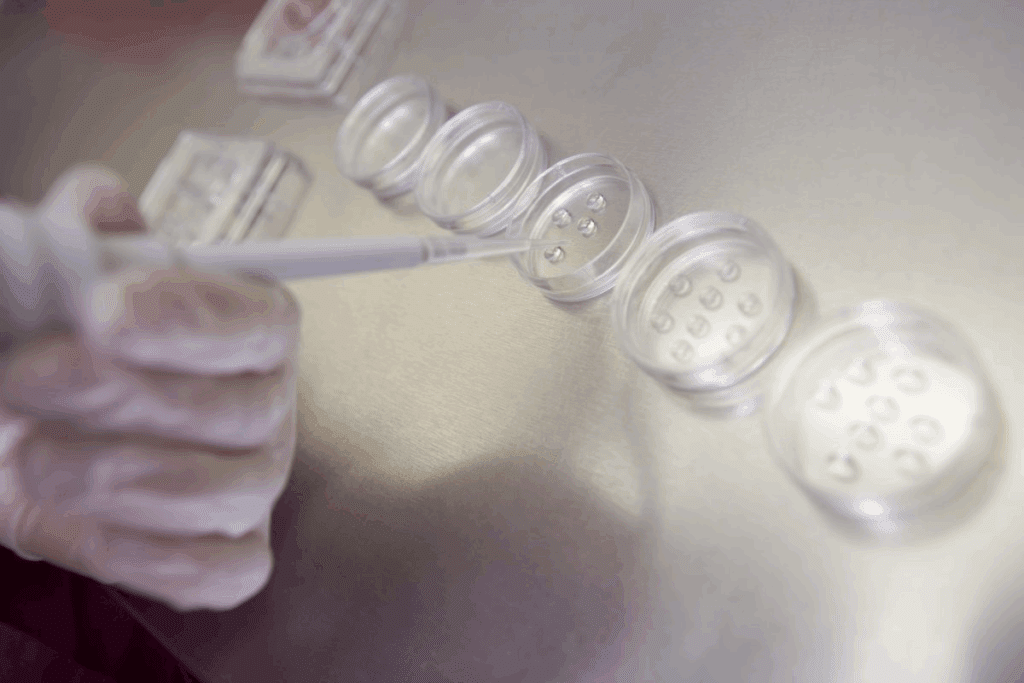
It’s important for IVF patients to understand how embryos grow from day 3 to day 5. At Liv Hospital, we focus on our patients, giving them the support and guidance they need. Statistical probability of how many day 3 embryos make it to day 5 (blastocyst conversion rate).
Embryo development from day 3 to day 5 is key in IVF. It shows which embryos can implant and grow. Studies say 30-50% of day 3 embryos make it to the blastocyst stage by day 5.
We know how vital this growth stage is for success. Our fertility experts work with patients to help them through this important time. They offer care and support tailored to each person.
Key Takeaways
- Approximately 30-50% of day 3 embryos progress to the blastocyst stage by day 5.
- The progression from day 3 to day 5 is a critical determinant of IVF success rates.
- Our patient-centered fertility program at Liv Hospital provides comprehensive support throughout the IVF journey.
- Personalized care and guidance are offered to navigate the critical phase of embryo development.
- Understanding embryo development is essential for IVF patients seeking clarity on their treatment cycle.
The Embryo Development Timeline in IVF
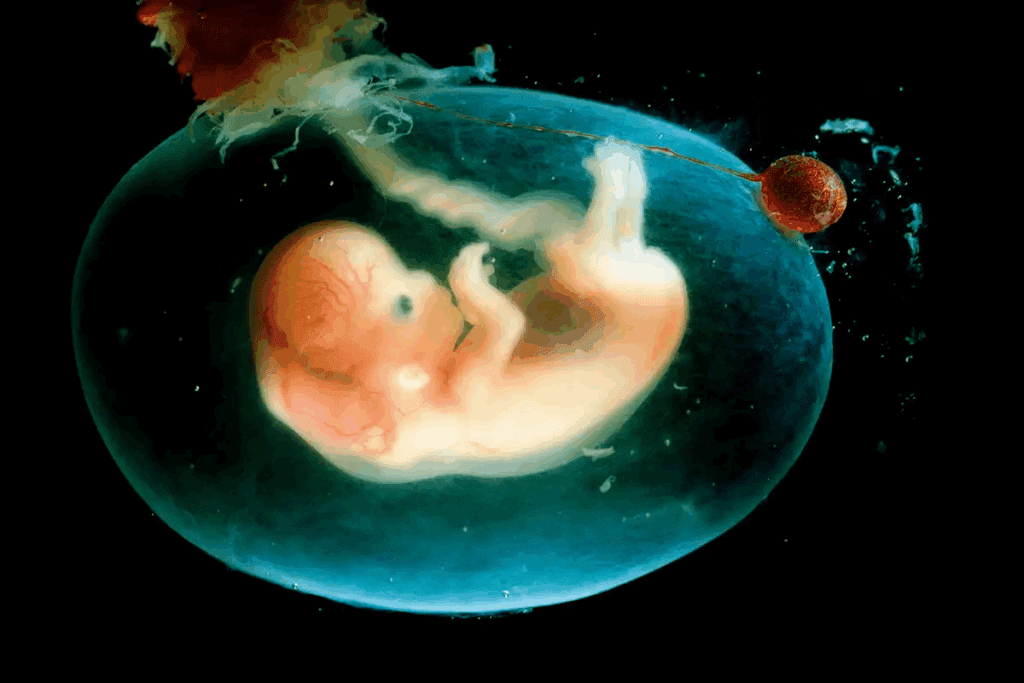
Exploring the embryo development timeline in IVF shows each stage is vital. Knowing this timeline helps us track the embryo’s progress. It also guides our decisions in the treatment.
From Fertilization to Cleavage Stage
The embryo’s journey starts with fertilization. A sperm meets the egg, creating a zygote. This zygote then divides into several cells, reaching the cleavage stage by day 3. At this stage, the embryo has 6-8 cells.
The cleavage stage is key. Here, cells start to compact and get ready for growth. Our embryologists watch the embryos closely to see if they’re healthy.
Key Milestones in Early Embryo Growth
As the embryo moves from the cleavage stage to the blastocyst stage on day 5, important milestones are seen. These include:
- The cells compact, forming a morula.
- Cells start to differentiate into groups that will form the fetus and placenta.
- The blastocyst expands, which is essential for implantation.
Understanding these milestones helps us evaluate the embryos’ quality and viability. This improves the chances of a successful IVF outcome.
Grading embryos on day 3 is a key step. It looks at cell number, fragmentation, and shape. This grading helps us see which embryos have the best chance to develop further.
Day 3 Embryos: Characteristics and Assessment
[Add image here]
Understanding day 3 embryos is key for IVF success. At this point, embryos are in the cleavage stage. They are busy dividing into more cells.
The 6-8 Cell Cleavage Stage Structure
Day 3 embryos have 6 to 8 cells, called blastomeres. The cell count is a big clue about embryo quality. Embryos with 8 or more cells on day 3 have a much higher chance of success than those with fewer cells.
The embryo’s structure is also checked for fragmentation. This means small, odd-shaped cell pieces. Too much fragmentation can mean the embryo is not doing well.
Grading of Embryos Day 3
Grading day 3 embryos looks at cell number, fragmentation, and cell size evenness. This grading helps pick the best embryo for transfer.
- Grade 1: Minimal fragmentation, even cell size
- Grade 2: Moderate fragmentation, slightly uneven cell size
- Grade 3: Significant fragmentation, uneven cell size
Higher grades, like Grade 1 or 2, usually mean better chances of success.
5 Cell Day 3 Embryo: Is It Viable?
A 5-cell day 3 embryo has fewer cells than ideal. But, it’s not a definite sign of failure. Viability also depends on fragmentation and cell health.
“The decision to transfer a 5-cell day 3 embryo should be based on a thorough look at the embryo’s quality and the patient’s situation.”
We look at many things, like the patient’s age, egg quality, and genetic factors. These can affect how well the embryo develops.
The Critical Transition: Day 3 to Day 5 Development
The journey from day 3 to day 5 in embryo development is key for IVF success. During this time, embryos go through big changes. These changes are important for their growth and ability to implant.
Cellular Compaction and Morula Formation
Between day 3 and day 5, cells in the embryo start to pack tightly together. This tight packing is a step towards becoming a morula. The morula is a cluster of cells that comes before the blastocyst, which is needed for implantation.
Cellular compaction happens through many cellular and molecular actions. These actions help the cells stick together, getting ready for the next stage of growth.
Embryo Growth Day by Day
Here’s how embryos grow each day during this important time:
| Day | Embryo Stage | Key Characteristics |
|---|---|---|
| Day 3 | Cleavage Stage | 6-8 cells, beginning to compact |
| Day 4 | Morula | Compacted cells, early cavitation |
| Day 5 | Blastocyst | Distinct inner cell mass and trophectoderm, blastocoel cavity |
Activation of the Embryonic Genome
Another big event is when the embryonic genome starts working. At first, the embryo uses genes from the mother. But by day 3 to day 5, the embryo’s own genes take over. This is a key moment for the embryo’s growth and change.
The survival rate from day 3 to day 5 can be between 30% to 50%. This depends on the embryo’s quality and the lab conditions. Knowing about these milestones helps set realistic hopes for IVF success.
How Many Day 3 Embryos Make It to Day 5?
When thinking about IVF, many wonder how many Day 3 embryos become Day 5 blastocysts. Knowing the success rates of embryo growth is key to setting realistic hopes.
Statistical Success Rates: The Reality
About 30-50% of Day 3 embryos grow into blastocysts by Day 5. This range changes based on many things, like embryo quality and lab conditions.
Key Factors Influencing Success Rates:
- Embryo quality and grading
- Laboratory culture media and conditions
- Patient age and overall health
What Percent of Fertilized Eggs Make It to Blastocyst
It’s believed that 40-50% of fertilized eggs become blastocysts. This number can shift based on egg and sperm quality, and the IVF lab’s methods.
The path from fertilization to becoming a blastocyst is full of challenges and many factors at play.
Real-world Examples: From X Fertilized Eggs to Y Blastocysts
Here are some examples to show how IVF results can vary:
| Number of Fertilized Eggs | Number of Day 3 Embryos | Number of Blastocysts | Blastocyst Formation Rate |
|---|---|---|---|
| 10 | 8 | 4 | 50% |
| 15 | 12 | 5 | 42% |
| 8 | 6 | 3 | 50% |
These examples show how different people can have different blastocyst formation rates. Things like age, egg quality, and lab conditions play a big role.
The Blastocyst Stage Explained
Understanding the blastocyst stage is key to knowing if an embryo can develop. This stage happens around Day 5 after fertilization.
The blastocyst stage is complex. A Day 5 embryo, or blastocyst, has more than 100 cells. These cells are divided into two groups: the inner cell mass and the trophectoderm epithelium.
Structure and Composition of a Day 5 Embryo
A blastocyst has two main parts: the inner cell mass (ICM) and the trophectoderm (TE). The inner cell mass will become the fetus. The trophectoderm will form the placenta and other tissues.
The ICM is a group of cells that will grow into the fetus’s tissues and organs. The TE is vital for implantation and making the placenta.
How Many Cells in a Blastocyst
Blastocysts usually have over 100 cells. The number can vary, but it’s the quality and organization of these cells that matter most.
The cells in a blastocyst are different. They are divided into the ICM and TE, each with its own role in growth.
Blastocyst Grading Systems
Blastocyst grading systems help judge an embryo’s quality. They look at the blastocyst’s size, the ICM’s quality, and the TE’s appearance.
One grading system checks three things: how much the blastocyst has expanded, the ICM’s look, and the TE’s look. This helps doctors pick the best embryos for transfer.
Knowing about blastocyst structure, composition, and grading helps us see if an embryo can implant and grow well.
Factors Affecting Day 3 to Day 5 Progression
Many things can influence how well embryos grow from day 3 to day 5. Knowing these factors is key to improving IVF success and managing patient hopes.
Maternal Age and Egg Quality
Maternal age greatly affects embryo growth. As women get older, their eggs get worse, slowing down embryo development. Younger women usually have better blastocyst formation rates.
For example, how many fertilized eggs make it to blastocyst depends a lot on age. Younger patients often see more eggs turn into viable blastocysts.
Sperm Factors and Male Infertility
Sperm quality is also very important for embryo growth. Bad sperm can lower fertilization rates and harm embryo development. New sperm selection methods can help with male infertility issues.
Looking at 8 fertilized eggs, sperm quality is a big factor in how many become blastocysts.
Laboratory Conditions and Culture Media
The environment where embryos grow matters a lot. Good culture media and lab conditions are essential for day 3 to day 5 growth. The right mix of nutrients and growth factors in the media can boost blastocyst formation.
In cases with 12 fertilized eggs, the lab setup can impact how many reach blastocyst stage.
Genetic and Chromosomal Considerations
Genetic and chromosomal issues can also affect embryo growth. PGT can spot embryos with problems, which are less likely to become healthy blastocysts. Euploid embryos (with the right number of chromosomes) are more likely to progress to blastocyst stage.
Knowing about these genetic factors helps predict the chances of 3 fertilized eggs becoming viable blastocysts.
Clinical Decision-Making: Day 3 vs. Day 5 Transfers
Choosing between day 3 and day 5 embryo transfers is key in IVF. This choice depends on several factors. These include the number of embryos and the patient’s specific needs.
When Day 3 Transfers May Be Recommended
Day 3 transfers might be suggested in some cases. Patients with a low number of embryos could benefit from an early transfer. This speeds up the chance of getting pregnant.
In cases where embryo development is slower, day 3 transfer is considered. It helps avoid stress on the embryos from longer culture times.
Benefits of Waiting for Blastocyst Development
Waiting for blastocyst development on day 5 has its perks. Blastocyst transfer lets for better picking of healthy embryos. Not all day 3 embryos will make it to the blastocyst stage.
This can lead to higher implantation rates and reduced risk of multiple pregnancies. Fewer embryos are needed, which is safer.
Personalized Approaches Based on Patient Factors
The choice between day 3 and day 5 transfers is tailored to each patient. Factors like maternal age, embryo quality, and previous IVF outcomes play a role. Our fertility specialists work with patients to find the best transfer day for them.
By customizing the approach, we aim to improve IVF success rates. This helps increase the chances of a successful pregnancy.
Improving Blastocyst Formation Rates
To make IVF more effective, we need to focus on better blastocyst formation rates. Blastocyst formation is key in IVF. Several factors can help make it successful.
Advanced Laboratory Techniques
Advanced lab techniques are vital for better blastocyst formation. Time-lapse imaging lets embryologists watch embryo growth closely. This helps pick the best embryos. Also, improved culture media support embryo growth better, giving them the right nutrients.
- Time-lapse imaging for continuous monitoring of embryo development
- Advanced culture media for optimal nutrient supply
- Laser-assisted hatching to improve implantation rates
These methods, along with strict quality control, lead to more blastocysts and better IVF results.
Nutritional and Lifestyle Factors
Nutrition and lifestyle greatly affect blastocyst formation. Eating foods full of antioxidants and omega-3 fatty acids boosts embryo quality. A healthy lifestyle, including exercise and avoiding harmful substances, also helps IVF success.
- Consuming a diet rich in antioxidants
- Maintaining a healthy weight
- Avoiding exposure to toxins and pollutants
By paying attention to these factors, patients can increase their chances of successful IVF.
Emerging Technologies in Embryo Culture
New technologies in embryo culture are changing the game. Artificial intelligence (AI) in embryology is being looked into to improve embryo selection and culture. AI can analyze lots of data to better predict which embryos will work best.
As these technologies get better, they promise to make IVF even more successful. They will help choose the best embryos and improve culture conditions.
Conclusion: Setting Realistic Expectations for Your IVF Journey
Starting the IVF journey can be tough, but knowing about embryo growth helps. We’ve looked at how embryos grow from fertilization to the blastocyst stage. We’ve also talked about what affects success rates.
It’s important to remember that not all Day 3 embryos make it to Day 5. This helps patients get ready for what might happen. Choosing between Day 3 or Day 5 transfers is a big decision. Each option has its own pros and cons.
Having realistic expectations is key for dealing with the emotional side of IVF. Knowing how embryo development and IVF success are linked helps patients make smart choices. We suggest patients talk to their healthcare providers to find the best plan for them.
A successful IVF journey needs informed choices, realistic hopes, and full support. We aim to offer top-notch healthcare and support to patients from around the world. We’ll be with you every step of the way.
FAQ
How many day 3 embryos typically make it to day 5?
About 30-50% of day 3 embryos grow into blastocysts by day 5.
What percentage of fertilized eggs make it to the blastocyst stage?
Around 30-50% of fertilized eggs reach the blastocyst stage.
What are the characteristics of a day 3 embryo?
Day 3 embryos are evaluated by cell count and fragmentation. Optimal is 6-8 cells.
How many cells are in a blastocyst?
A blastocyst has about 64-100 cells. It has two main parts: the inner cell mass and the trophectoderm.
What factors influence the progression from day 3 to day 5?
Maternal age, egg quality, sperm factors, lab conditions, and genetics affect day 3 to day 5 progress.
Is a 5-cell day 3 embryo viable?
A 5-cell day 3 embryo is less than ideal. Yet, viability depends on individual circumstances.
What is the difference between day 3 and day 5 embryo transfers?
Day 3 transfers are at the cleavage stage. Day 5 transfers are at the blastocyst stage.
How can blastocyst formation rates be improved?
Better lab techniques, diet, lifestyle, and new embryo culture tech can boost blastocyst rates.
What is the significance of the blastocyst stage in IVF?
The blastocyst stage is key in IVF. It’s a more advanced growth stage linked to better implantation rates.
How do laboratory conditions affect embryo development?
Lab conditions, like culture media and incubation, are vital for embryo growth and development.
References
National Center for Biotechnology Information. Evidence-Based Medical Guidance. Retrieved fromhttps://pmc.ncbi.nlm.nih.gov/articles/PMC10279422/