

After embryo transfer, figuring out when to test for pregnancy is tough. Knowing the best time for pregnancy testing is key. It helps get accurate results and manage hopes during this waiting time.
At Liv Hospital, we get how hard fertility treatment is. We’re here to give you all the help and support you need. When to test for pregnancy varies. It depends on the type of embryo transfer and how your hCG hormone levels are.
Key Takeaways
- Waiting 10-14 days after embryo transfer is generally recommended before testing for pregnancy.
- Pregnancy tests can detect pregnancy approximately 9 days after a 5-day blastocyst transfer.
- For 3-day embryo transfers, pregnancy tests typically require around 11 days to detect pregnancy.
- Understanding hCG hormone dynamics is key for accurate pregnancy testing.
- Liv Hospital offers personalized guidance and support throughout your IVF journey.
Understanding the Embryo Transfer Process
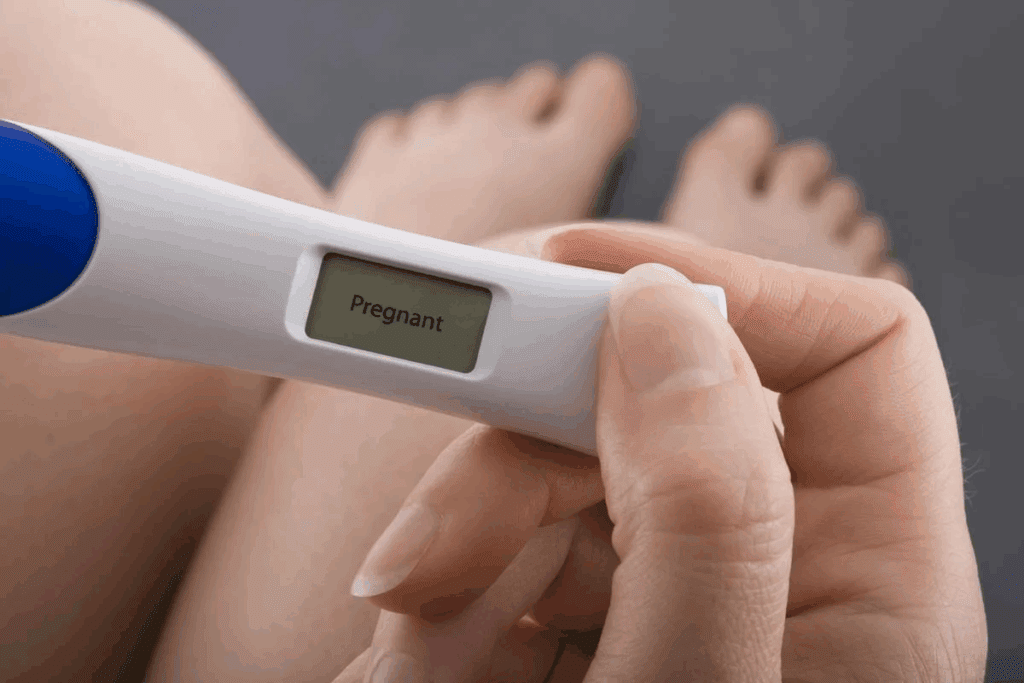
Embryo transfer is a key step in IVF. It involves making important choices that affect the outcome. The quality and thickness of the endometrial lining are key. They help decide when the best time for the transfer is.
Fresh vs. Frozen Embryo Transfers
Choosing between fresh and frozen embryo transfers is a big decision. Fresh embryo transfers happen right after egg retrieval, without freezing. This used to be the main way of IVF.
Frozen embryo transfers are now more popular. They might be safer and better for the embryo and the patient. The lining of the uterus can be prepared better for the embryo, which could lead to a higher success rate.
Day 3 vs. Day 5 (Blastocyst) Transfers
Another important choice is when to transfer the embryo. It can be on day 3 or when it’s a blastocyst on day 5. Day 3 transfers are when the embryo is in the early stages. Day 5 transfers are when it’s more developed.
Choosing day 5 might be better because the embryo has gone through more development. But, not all embryos make it to this stage in the lab. This is something to think about.
We guide patients based on their unique situation. This includes the quality of the embryos, the lining of the uterus, and the patient’s health and wishes.
The Science Behind Pregnancy Detection After IVF
[Add image here]
Pregnancy detection after IVF relies on hormone science, mainly hCG. Human chorionic gonadotropin (hCG) is key. It’s made after the embryo implants and is found in blood and urine tests. Knowing about hCG and implantation timing is important for IVF patients.
How hCG Hormone Works
The hCG hormone is made by the placenta after the embryo attaches. It’s vital for keeping the pregnancy going by helping the corpus luteum make progesterone. “The role of hCG is to rescue the corpus luteum from luteolysis, maintaining progesterone production,” say reproductive endocrinologists.
Detecting hCG levels happens through blood tests or home urine tests. Blood tests can spot hCG sooner than urine tests because they measure blood levels. Urine tests show hCG is there but might not be as accurate. Some tests can find hCG even when levels are very low.
Implantation Timeline After Transfer
Implantation timing after embryo transfer varies. It usually happens 6-10 days after fertilization. For IVF, this means 1-5 days after a Day 5 transfer. Knowing this helps with when to take pregnancy tests.
Factors influencing implantation include embryo quality, uterine lining readiness, and timing. A successful implant leads to hCG production, making tests positive.
Fertility specialists say, “The window for implantation is critical. Understanding hCG production helps manage expectations during the two-week wait after embryo transfer.”
Recommended Waiting Period Before Testing
The time between embryo transfer and pregnancy testing is key. Most experts say wait 10-14 days after transfer to test. This lets the embryo implant and for hCG levels to rise.
Clinical Guidelines for Testing Timeframes
Guidelines for testing timing vary by transfer type and implantation window. For most, a blood test 10-14 days post-transfer is best. This ensures enough hCG for detection.
- Day 3 Embryo Transfers: Wait 12-14 days before testing.
- Day 5 (Blastocyst) Transfers: Test 9-11 days post-transfer.
- Frozen Embryo Transfers (FET): Waiting period varies by protocol.
Why Timing Matters for Accurate Results
Getting the timing right is key for accurate test results. Testing too soon can lead to false negatives. Waiting the recommended time ensures accurate detection.
“The key to accurate pregnancy testing after embryo transfer is patience. Waiting the recommended 10-14 days allows for the best chance of detecting a pregnancy.” – Fertility Specialist
Special Considerations for Different Transfer Types
Timing for pregnancy tests varies by transfer type. For example, frozen embryo transfers might need a different wait than fresh ones. Always follow your clinic’s guidelines.
| Transfer Type | Recommended Waiting Period |
|---|---|
| Fresh Embryo Transfer | 10-14 days |
| Frozen Embryo Transfer (FET) | Varies by protocol |
| Day 3 Embryo Transfer | 12-14 days |
| Day 5 (Blastocyst) Transfer | 9-11 days |
How Many Days After Egg Transfer Can You Test
After an embryo transfer, everyone waits eagerly to find out if they’re pregnant. Knowing when to take a pregnancy test can help ease the wait. It’s important to know the right time for testing after different types of embryo transfers.
Timeline for 3-Day Embryo Transfers
For 3-day embryo transfers, the embryo is in the cleavage stage. You can usually find out if you’re pregnant around 11 days after the transfer. This is when the embryo implants and starts making hCG, a hormone that tests can detect.
Timeline for 5-Day Blastocyst Transfers
With 5-day blastocyst transfers, the embryo is more developed. This means it implants sooner. So, you can find out if you’re pregnant about 9 days after the transfer. This is because the embryo is already in a more advanced stage when it’s transferred.
Timeline for Frozen Embryo Transfers
Frozen embryo transfers (FET) have a similar timeline to fresh transfers. But, the exact timing can vary based on thawing and transfer protocols. Generally, for FET, you can test for pregnancy around the same times as fresh transfers. This is about 11 days after a 3-day transfer and 9 days after a 5-day transfer.
Remember, many factors can affect when you can detect pregnancy. These include the test’s sensitivity and the embryo and uterus’s health. Always follow your fertility specialist’s advice on when to take a pregnancy test after your transfer.
Pregnancy Testing Methods After Embryo Transfer
Discovering if an embryo transfer was successful involves different testing methods. The wait after an embryo transfer can be tough. It’s important to pick the right test for accurate results.
Blood Tests (Beta hCG)
Blood tests, like the beta hCG test, can spot pregnancy early. They measure hCG levels in the blood. This is great after an embryo transfer.
Advantages of beta hCG tests include:
- High sensitivity to hCG levels
- Ability to provide a quantitative measure of hCG
- Early detection of pregnancy
Home Urine Tests
Home urine tests are easy to use and less invasive. They check for hCG in urine. Though less sensitive than blood tests, they’re getting better.
It’s best to use home urine tests 12 days after the embryo transfer. This lowers the risk of false negatives. Choose a test known for its sensitivity.
Comparing Sensitivity and Accuracy
Blood tests are more sensitive and accurate, but early on. Home urine tests are easier to use and less invasive.
| Test Type | Sensitivity | Accuracy |
|---|---|---|
| Blood Tests (Beta hCG) | High | Very High |
| Home Urine Tests | Variable | High |
In conclusion, both blood tests and home urine tests are useful. Talk to your healthcare provider about the best test for you.
Potential Testing Outcomes and What They Mean
Knowing what your pregnancy test might show after an embryo transfer is key. You might see a positive, negative, or a misleading result. We’ll explain what these mean and how to understand them.
Understanding Positive Results
A positive test is a big deal. It means the embryo has settled in and is making hCG, the hormone tests look for. But, it’s smart to check with a blood test. Home tests can sometimes show false positives because of fertility treatment hormones.
Confirming Pregnancy: A blood test, or beta hCG test, gives a clearer picture of hCG levels. It’s usually done a few days after a home test to make sure you’re pregnant.
Dealing with Negative Results
Getting a negative test can be tough. It’s common, though, if you test too early. hCG levels might not be high enough for a home test or a blood test too soon after the transfer.
Waiting and Retesting: If it’s negative, wait a bit and then try again. hCG levels double every 48 hours early on. Waiting can help get a more accurate result.
False Positives and False Negatives
False positives and negatives can happen for many reasons. Fertility meds can cause false positives by raising hCG levels. Testing too early can lead to false negatives if hCG levels are too low.
Here’s a quick guide to what your test might show and what it means:
| Test Outcome | Possible Meaning | Next Steps |
|---|---|---|
| Positive | Embryo has implanted and is producing hCG | Confirm with a blood test |
| Negative | hCG levels too low to detect or not pregnant | Wait a few days and retest |
| False Positive | Fertility medications or other factors causing elevated hCG | Confirm with a blood test |
| False Negative | Testing too early or hCG levels too low | Wait and retest |
Understanding your test results after an embryo transfer can make this time clearer. A positive result is just the start. And a negative result doesn’t mean you’re not pregnant.
Early Signs and Symptoms After Embryo Transfer
Embryo transfer is a key part of IVF. Knowing the early signs and symptoms can be reassuring. It’s normal to wonder about body changes and what they mean for the procedure’s success.
Common Physical Symptoms
After embryo transfer, women might feel physical changes. These can be from early pregnancy or the IVF process. Common symptoms include:
- Mild cramping
- Bloating
- Breast tenderness
- Fatigue
- Mood swings
These symptoms can feel like a regular menstrual cycle. It’s hard to tell if they’re from IVF or early pregnancy.
Spotting After Transfer: When It’s Normal
Spotting or light bleeding after embryo transfer is common. It can be from the transfer or early implantation. But, it’s key to know when spotting might be a worry.
| Characteristics of Spotting | Normal | When to Seek Medical Advice |
|---|---|---|
| Duration | Less than 2 days | More than 2 days or heavy bleeding |
| Intensity | Light spotting | Heavy bleeding or clots |
| Associated Symptoms | No severe pain | Severe abdominal pain or fever |
Distinguishing Between Medication Effects and Pregnancy Signs
During IVF, patients take many medications. These can cause side effects like early pregnancy symptoms. It’s hard to tell the difference.
“The line between medication side effects and pregnancy symptoms can be blurry. It’s vital to talk to your healthcare provider about any worries.”
To tell them apart, look at symptom intensity and how long they last. If symptoms are strong or last a long time, see your healthcare provider.
Knowing about early signs and symptoms after embryo transfer helps manage expectations. It’s natural to look for pregnancy signs. But, remember, everyone’s experience is different.
Managing the Two-Week Wait
Managing emotions during the two-week wait is key for your wellbeing. This period after embryo transfer can be tough, filled with anxiety, hope, and fear. It’s a time to focus on your emotional and physical health.
Emotional Wellbeing Strategies
Staying connected with loved ones is vital for emotional support. Doing things that make you happy, like reading or hobbies, can help. Try to avoid stressful situations and stay positive.
Keeping a journal or practicing mindfulness can also help. These activities can help you process your feelings and feel more in control.
Physical Self-Care During the Waiting Period
Physical self-care is just as important. Eating well and staying hydrated can boost your health. Gentle exercises, like yoga, can also help reduce stress.
Try to limit caffeine and alcohol, as they can make you feel more anxious. Getting enough sleep and keeping a regular routine is also important for your health.
Conclusion
Knowing when to take a pregnancy test after embryo transfer is key for getting accurate results in IVF. We’ve looked into the details of embryo transfer, how pregnancy is detected, and the right time to test.
The hCG hormone is very important in IVF success. Learning about implantation times, testing methods, and possible results helps people manage the two-week wait after embryo transfer.
In conclusion, patience and making informed choices are vital during this time. By following medical advice and understanding what affects pregnancy testing, those going through IVF can increase their chances of getting accurate results. This helps them move forward in their fertility journey.
FAQ
How soon after IVF transfer can you test for pregnancy?
It’s best to wait 10-14 days after the embryo transfer. This ensures your test results are accurate.
What’s the difference between fresh and frozen embryo transfers in terms of testing?
Both types of transfers have similar testing times. But, success rates can vary based on individual cases.
How does the stage of embryo development (day 3 vs. day 5) affect testing?
Day 5 transfers might allow for earlier detection. Day 3 transfers might need a bit longer wait.
What is hCG hormone, and how does it relate to pregnancy testing?
hCG is a hormone present in pregnancy. It’s detectable in blood and urine tests, showing pregnancy.
When can I expect implantation to occur after embryo transfer?
Implantation happens 6-10 days after fertilization. This is 1-5 days after the transfer, depending on the embryo’s stage.
How do blood tests (beta hCG) compare to home urine tests?
Blood tests are more sensitive and can detect pregnancy sooner. Home urine tests are convenient but might be less accurate early on.
What should I do if I get a negative test result after embryo transfer?
If you get a negative result, wait a few more days. Then, retest. hCG levels might not have been high enough to detect initially.
Can I experience false positives or false negatives on pregnancy tests?
Yes, false results can happen. This is due to early testing or certain medications. If you’re concerned, talk to your healthcare provider.
What are common physical symptoms after embryo transfer?
You might feel mild cramping, bloating, and breast tenderness. These can be from the IVF process or early pregnancy.
How can I manage the emotional challenges of the two-week wait?
Try stress-reducing activities, eat well, and stay connected with your support network. This helps cope with the waiting.
Are there any specific self-care tips for the waiting period after embryo transfer?
Focus on rest, eat a balanced diet, and do relaxing activities. These support your wellbeing during this time.
How long after IVF transfer can I test positive for pregnancy?
You can test positive as early as 7-10 days after the transfer. But, wait the recommended time for accurate results.
What are the early signs of pregnancy after blastocyst transfer?
Look out for mild cramping, spotting, and breast tenderness. But, these can also be from the IVF process. A pregnancy test is needed for confirmation.
References
National Center for Biotechnology Information. Optimal Pregnancy Testing Time After Embryo Transfer. Retrieved from https://www.ncbi.nlm.nih.gov/pmc/articles/PMC8769177/