Fasting has been around for centuries. But its link to autophagy, a natural process where the body recycles damaged cells, is new. It’s getting a lot of attention now.
Studies show fasting can start autophagy. This could lead to better cell renewal and less inflammation. It’s good for health.
But, how long should you fast to start autophagy? It depends on your health and the fasting method you choose.
Key Takeaways
- Fasting can stimulate autophagy, a natural process that recycles damaged cells.
- The duration of fasting required to induce autophagy varies depending on individual factors.
- Understanding the benefits and risks of fasting is key before starting.
- Autophagy has been linked to several health benefits, including better cell renewal.
- It’s wise to talk to a healthcare professional before starting any fasting regimen.
What is Autophagy: The Cellular Self-Cleaning Process
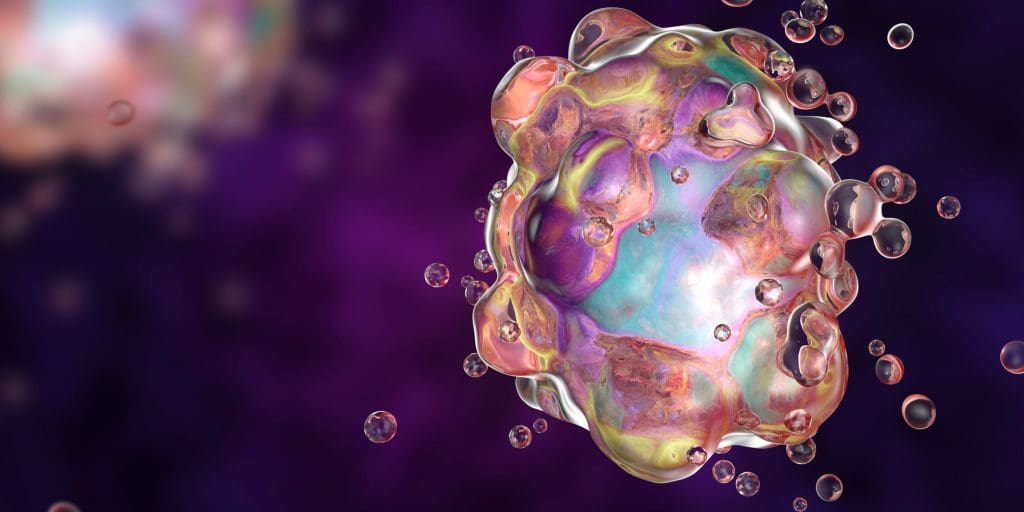
Autophagy is a complex process where cells clean themselves by recycling damaged parts. It’s key for keeping cells healthy and balanced.
The Definition and Biological Mechanism of Autophagy
Autophagy creates autophagosomes, structures that grab damaged cell parts. These parts include proteins and organelles. Then, autophagosomes merge with lysosomes, which have enzymes to break down these parts into useful materials.
The autophagy process is detailed and involves many steps. It starts with making autophagosomes, then grabbing damaged parts, and ends with breaking them down in lysosomes.
The Critical Role of Lysosomes in Autophagy
Lysosomes are vital in autophagy. They provide the acidic environment and enzymes needed to break down cell parts. When autophagosomes meet lysosomes, they form autolysosomes where the breakdown happens.
Lysosomes are essential for autophagy. They break down and recycle cell materials. This keeps cells balanced and promotes renewal.
The Science Behind Fasting and Autophagy
Fasting and autophagy are linked through the body’s response to nutrient deprivation. When we fast, our bodies change in ways that can start autophagy. This is a natural process where cells clean out damaged parts.
How Nutrient Deprivation Triggers Autophagy
Nutrient deprivation during fasting turns on autophagy by starting certain cellular pathways. The AMPK (AMP-activated protein kinase) pathway is key. It kicks in when energy is low. AMPK then starts the autophagy process by turning on important proteins.
| Pathway | Description | Role in Autophagy |
| AMPK | Activated by low energy levels | Triggers autophagy by activating autophagy-related proteins |
| mTOR | Inhibited by nutrient deprivation | Relieves inhibition on autophagy, allowing it to proceed |
Evolutionary Perspective: Why Our Bodies Developed Autophagy
Autophagy likely evolved to help cells survive when food is scarce. It lets cells clean out damaged parts. This saves energy and keeps cells working well, helping them survive.
Knowing how autophagy evolved helps us see why fasting is good for health. Fasting can start autophagy. This may help cells heal and lower disease risks.
When Does Autophagy Begin During Fasting?
Research shows when autophagy starts during fasting. It’s a key process that helps our cells stay healthy. It happens at certain times during fasting, bringing many health benefits.
The Initial Cellular Changes After Food Restriction
When we start fasting, our body goes through changes. These changes lead to autophagy starting. Nutrient deprivation is the main reason for these changes.
The first step is when our body uses less glucose. This lowers insulin and raises glucagon. It tells our cells to use fat for energy instead, starting autophagy.
Measurable Markers of Autophagy Activation
There are measurable markers that show when autophagy starts during fasting. These include:
- Changes in autophagy-related gene expression
- Increased levels of autophagy proteins such as LC3-II
- Degradation of damaged cellular components
Studies found autophagy starts in 24-48 hours of fasting. Big changes in genes related to autophagy happen. Watching these markers helps us see how autophagy grows during fasting.
Understanding when autophagy starts and how it grows helps us make fasting better. It lets us get the most out of this important cellular process.
Is 16 Hours of Fasting Enough for Autophagy?
Intermittent fasting is popular for starting autophagy. Many wonder if 16 hours is enough. Autophagy is key for cell health and well-being.
Fasting triggers autophagy by making cells recycle damaged parts. This helps cells renew and rejuvenate.
Individual Factors That Affect Autophagy Timing
While 16 hours fasting may start autophagy for some, age, health, and genetics play big roles. These factors affect when and how much autophagy happens.
Older people or those with health issues might need longer fasts. This shows the need for a personalized fasting plan.
| Factor | Influence on Autophagy |
| Age | Older individuals may require longer fasting periods |
| Health Status | Certain conditions may affect autophagy induction timing |
| Genetic Background | Genetic factors can influence autophagy response to fasting |
In conclusion, 16 hours fasting might start autophagy for some. But, many factors can change this. Understanding these factors helps tailor fasting plans for better autophagy.
The 24-Hour Fast and Its Effects on Autophagy
Fasting for 24 hours can start autophagy, a natural process that helps cells renew themselves. During this time, the body goes through big changes. These changes can improve your health.
Autophagy Activation During a One-Day Fast
A 24-hour fast can start autophagy in many people. Autophagy activation happens when glucose and insulin levels drop. This leads to the breakdown and recycling of damaged cells.
This process uses pathways like AMPK and mTOR to control autophagy. These pathways are key in managing this process.
Potential Benefits of a 24-Hour Fasting Period
A 24-hour fast has many benefits beyond starting autophagy. Some of these benefits include:
- Enhanced cellular cleaning and renewal
- Improved insulin sensitivity
- Increased production of proteins that protect against stress
These advantages can boost your overall health. They may also help prevent different diseases.
48-Hour Fasting: Enhanced Autophagy Benefits
Research shows that fasting for 48 hours boosts autophagy, improving overall health. Autophagy is the body’s way of cleaning and renewing cells. Longer fasts let us see more of autophagy’s health benefits.
The Progression of Autophagy in a Two-Day Fast
When fasting for 48 hours, the body changes a lot. First, it uses up glucose and then starts burning fat. As fasting goes on, autophagy kicks in, recycling damaged cells.
Autophagy activation takes time. It starts after 24 hours of fasting. Studies show that markers of autophagy increase, showing more cell renewal.
Research-Backed Benefits of 48-Hour Fasting
Research supports the benefits of 48-hour fasting. Some benefits include:
- Boosted immune function from regenerating immune cells
- Better cell health through more autophagy
- Less inflammation, which is good for health
It’s important to remember that results can vary. Age, health, and fasting history affect outcomes.
To get the most from 48-hour fasting, plan carefully. Stay hydrated and pay attention to nutrition when eating again. This helps keep you healthy.
The 72-Hour Fast: Maximum Autophagy Activation
A 72-hour fast can really boost autophagy. This long fast lets the body fully adjust to not having food. It might make cells clean and renew better.
Peak Autophagy During Extended Fasting
When fasting for 72 hours, autophagy gets a big boost. Autophagy is how cells clean out old or broken parts. It helps keep cells healthy and might even help us live longer.
As fasting goes to 72 hours, autophagy gets even stronger. This peak autophagy is linked to better cell health and a stronger immune system.
Safety Considerations for Three-Day Fasting
While a 72-hour fast might be good for you, safety is key. Proper preparation and monitoring help avoid dehydration, electrolyte issues, and not getting enough nutrients.
People thinking about a 72-hour fast should check their health first. It’s also vital to drink lots of water and listen to your body during fasting.
- Consult a healthcare professional before starting a 72-hour fast.
- Monitor your body’s response and adjust as necessary.
- Stay hydrated by drinking plenty of water.
- Be aware of possible side effects and know when to stop fasting.
The Complete Stages of Fasting and Autophagy Timeline
Fasting starts a series of changes in how the body works. These changes affect autophagy, a process where cells clean themselves. The body goes through different stages as it fasts, changing how well autophagy works.
The Metabolic Shifts During Different Fasting Durations
Fasting changes how the body uses energy. First, it uses stored sugar, then turns to fat. This is when autophagy starts. Longer fasting can lead to ketosis, where the body uses ketones for energy.
- Short-term fasting (12-24 hours): Uses up sugar and starts breaking down fat.
- Medium-term fasting (24-48 hours): Breaks down more fat and shows early signs of autophagy.
- Long-term fasting (beyond 48 hours): Sees a big boost in autophagy and cell renewal.
How Autophagy Intensity Changes Throughout a Fast
Autophagy’s strength changes as fasting goes on. It starts when the body uses up sugar and starts breaking down fat. Things like health, fasting history, and diet before fasting can affect how strong autophagy is.
- Initial fasting phase: Autophagy starts as the body gets used to not having food.
- Prolonged fasting: Autophagy gets stronger as the body faces more stress, leading to better cell cleaning.
Knowing these stages helps people make fasting plans that work best for autophagy. By understanding these changes, one can improve their fasting for better cell health.
Health Benefits of Autophagy
Autophagy is a key process in our cells that brings many benefits. It helps keep our cells healthy and can even help us live longer. By getting rid of damaged parts, autophagy keeps our cells working well.
Cellular Regeneration and Longevity Effects
Autophagy is important for keeping our cells healthy. It removes damaged parts, which helps our cells work better and live longer. Studies show that more autophagy means better health and longer life.
One way autophagy helps us live longer is by getting rid of bad mitochondria. Mitochondria are like the powerhouses of our cells. If they’re damaged, our cells can’t function well. Autophagy keeps our mitochondria healthy, so our cells can keep working right.
Disease Prevention Through Enhanced Autophagy
Autophagy helps prevent many diseases, like cancer and neurodegenerative disorders. It removes damaged parts from our cells, which stops diseases from starting. This is why autophagy is so important for our health.
“Autophagy is a critical mechanism for maintaining cellular homeostasis and preventing disease. Enhanced autophagy has been shown to have numerous health benefits, ranging from improved cellular regeneration to disease prevention.”
A study in Nature found that autophagy stops cancer by getting rid of damaged cells. It also helps prevent neurodegenerative diseases like Alzheimer’s and Parkinson’s. This shows how important autophagy is for our health.
| Disease | Role of Autophagy |
| Cancer | Removal of damaged cellular components that can lead to tumor formation |
| Neurodegenerative Disorders | Removal of damaged or dysfunctional proteins that can lead to disease progression |
| Infections | Removal of pathogens and damaged cellular components |
Cognitive Benefits of Autophagy
Autophagy also helps our brains stay healthy. It removes damaged proteins that can harm our brain cells. This helps keep our brain working well.
Research suggests autophagy may also prevent our brains from getting worse with age. It keeps our neurons healthy and removes damaged parts. This helps our brain stay sharp as we get older.
Potential Risks and Contraindications of Extended Fasting
It’s important to know the risks and things you shouldn’t do before fasting. Fasting can help your body in many ways. But, it’s not good for everyone, mainly those with certain health issues.
Medical Conditions That May Be Incompatible With Fasting
Some health problems make fasting not safe or need watching closely. These include:
- Diabetes, mainly type 1, because fasting can cause blood sugar to drop too low.
- Eating disorders, like anorexia, because fasting can make them worse.
- Pregnancy and breastfeeding, because fasting can take away important nutrients from the baby.
- Advanced kidney disease, because fasting can cause dehydration and imbalance of salts.
- Heart disease, if it’s serious or if you’re taking medicines that fasting can affect.
If you have these conditions, talk to your doctor before fasting. Anyone thinking about fasting should watch how their body reacts. They should also know when to stop fasting early.
Signs That You Should Break Your Fast Early
Some discomfort is normal when fasting. But, there are signs you should stop fasting. These include:
- Severe dizziness or fainting, which can mean you’re dehydrated or have low blood pressure.
- Extreme tiredness that makes it hard to do daily tasks.
- Severe hunger or other strong physical feelings that are too much to handle.
- Signs of dehydration, like being very thirsty, dark urine, or not making much urine.
- Muscle cramps or weakness, which can mean you’re not getting enough salts.
If you have these symptoms, stop fasting and drink water. Sometimes, you might need to see a doctor to make sure you’re okay.
Knowing the risks and things to avoid with extended fasting is key for a safe fasting experience. Always put your health first and talk to a doctor if you’re not sure about fasting.
Optimizing Autophagy Beyond Fasting Duration
Optimizing autophagy is more than just fasting. It also involves exercise, diet, and supplements. Fasting is a strong trigger for autophagy, but other lifestyle factors are also key to its benefits.
Exercise and Its Impact on Autophagy Activation
Exercise is known to boost autophagy. It triggers cellular pathways that increase autophagy, leading to cell renewal and better health. Different exercises, like cardio, strength training, and HIIT, can start autophagy in different tissues.
Key Effects of Exercise on Autophagy:
- Increased autophagic flux
- Enhanced cellular cleaning
- Improved muscle function and endurance
Dietary Factors That Enhance or Inhibit Autophagy
Diet affects autophagy a lot. Some nutrients and diets can boost or block autophagy.
| Dietary Factor | Effect on Autophagy |
| Caloric restriction | Enhances autophagy |
| High protein intake | Can inhibit autophagy if excessive |
| Omega-3 fatty acids | May support autophagy |
Supplements That May Support Autophagy
Some supplements might help with autophagy. The research is growing, but some supplements look promising.
Potential Autophagy-Supporting Supplements:
- Resveratrol
- Spermidine
- Curcumin
- Omega-3 fatty acids
Always talk to a healthcare professional before taking supplements. Their effects can differ based on your health and other factors.
Breaking Your Fast Properly to Maintain Autophagy Benefits
Breaking your fast right is key to keeping the health gains from autophagy. It’s not just about ending the fast. It’s starting a new time of getting nutrients that can help or hurt your progress.
Foods That Support Post-Fast Cellular Health
The foods you eat after fasting are very important. Nutrient-dense whole foods are best for keeping your cells healthy. These include:
- Fruits rich in antioxidants, such as berries and citrus fruits
- Vegetables high in fiber and vitamins, like leafy greens and broccoli
- Lean proteins that provide essential amino acids, such as chicken and fish
- Healthy fats found in nuts, seeds, and avocados
Dr. Jason Fung says, “The way you break your fast is just as important as the fast itself.”
“Refeeding should be done with nutrient-dense foods to maximize the benefits of fasting.”
Refeeding Strategies After Different Fasting Durations
How you break a fast depends on how long you fasted. For fasts of 12-24 hours, slowly adding calories is best. For longer fasts, start with low-calorie foods or broths to help your stomach adjust.
Refeeding strategies should be personalized based on your health goals and how long you fasted. Paying attention to your body and adjusting your plan is very important.
Current Scientific Research on Autophagy and Fasting
Recent studies have greatly improved our understanding of autophagy and fasting. Autophagy is a natural process where cells clean out damaged parts. It’s getting a lot of attention because of its health benefits.
Research shows fasting can trigger autophagy, which brings many health perks. These include better cell cleaning, less inflammation, and longer life.
Key Studies and Their Findings on Fasting Durations
Studies have looked into how different fasting times affect autophagy. They found even short fasts can start autophagy. But longer fasts might have even bigger effects.
| Fasting Duration | Autophagy Induction | Health Benefits |
| 12-16 hours | Moderate | Improved insulin sensitivity, reduced inflammation |
| 24 hours | Significant | Enhanced cellular cleaning, improved autophagy |
| 48-72 hours | High | Peak autophagy, possible cell renewal |
Table: Effects of different fasting durations on autophagy induction and associated health benefits.
Current Limitations in Autophagy Research
Even with progress, autophagy research faces challenges. Most studies are done on animals or in labs. More human studies are needed to understand fasting’s effects on autophagy in people.
Also, finding the best fasting time and frequency is tricky. It might differ for everyone. More research is needed to figure this out and explore fasting’s benefits.
Conclusion: Finding Your Optimal Fasting Duration for Autophagy
Finding the right fasting time for autophagy is complex. It depends on your age, health, and genes. Studies show different fasting times can start autophagy, but what’s best varies for everyone.
Knowing how fasting time, autophagy, and health benefits connect helps you choose wisely. Adding exercise, diet, and supplements can boost autophagy. This might lead to better health.
It’s key to know the risks and when not to fast long. Being careful and talking to doctors can help you enjoy autophagy’s benefits safely.
FAQ
What is the optimal fasting duration for autophagy induction?
Finding the right fasting time is personal. It depends on age, health, and genes. Knowing these factors helps choose the best fasting time.
Are there any potentially harmful effects of extended fasting?
Yes, long fasting can be risky. It’s not safe for everyone, like those with diabetes.
How can I break my fast properly to maintain autophagy benefits?
Eating right after fasting is key. Choose nutrient-rich foods. Slowly adding calories helps too.
Are there any dietary factors that can enhance or inhibit autophagy?
Yes, diet affects autophagy. A balanced diet helps, while too much or too little can slow it down.
Can exercise influence autophagy activation?
Yes, exercise boosts autophagy. It’s a good way to help fasting work better.
What are the benefits of autophagy?
Autophagy helps cells repair and grow. It also helps prevent diseases and improves brain function. It keeps cells healthy.
Is 16 hours of fasting enough to induce autophagy?
Some people might see autophagy in 16 hours of fasting. But, age, health, and genes can affect this.
How long does it take for autophagy to start during fasting?
Studies show autophagy starts in 24-48 hours of fasting. Changes in certain genes show when it begins.
How does fasting induce autophagy?
Fasting makes cells go without food, which starts autophagy. It’s a way cells adapt to lack of nutrients.
What is autophagy and how does it work?
Autophagy is a key process in cells that keeps them healthy. It breaks down and recycles damaged parts. This helps cells stay in good shape.