Knowing the average number of eggs retrieved during IVF is key. It helps set expectations and plan your fertility path. Younger women usually get more eggs, which are of better quality.how many eggs are typically retrieved during ivfWhere Do Embryonic Stem Cells Come From and How Are They Obtained?
As women get older, the process gets harder. Fewer eggs are retrieved. We’ll look at how age affects this number. We’ll also talk about how ovarian reserve and medications play a role.
Key Takeaways
- The average number of eggs retrieved during IVF ranges from 8 to 14 eggs per cycle.
- Age significantly impacts the number of eggs retrieved, with younger women retrieving more eggs.
- Ovarian reserve and stimulation medications also affect the number of eggs retrieved.
- Retrieving multiple eggs increases the chances of successful treatment.
- Understanding the average number of eggs retrieved can help you approach IVF with realistic insights.
Understanding the IVF Egg Retrieval Process
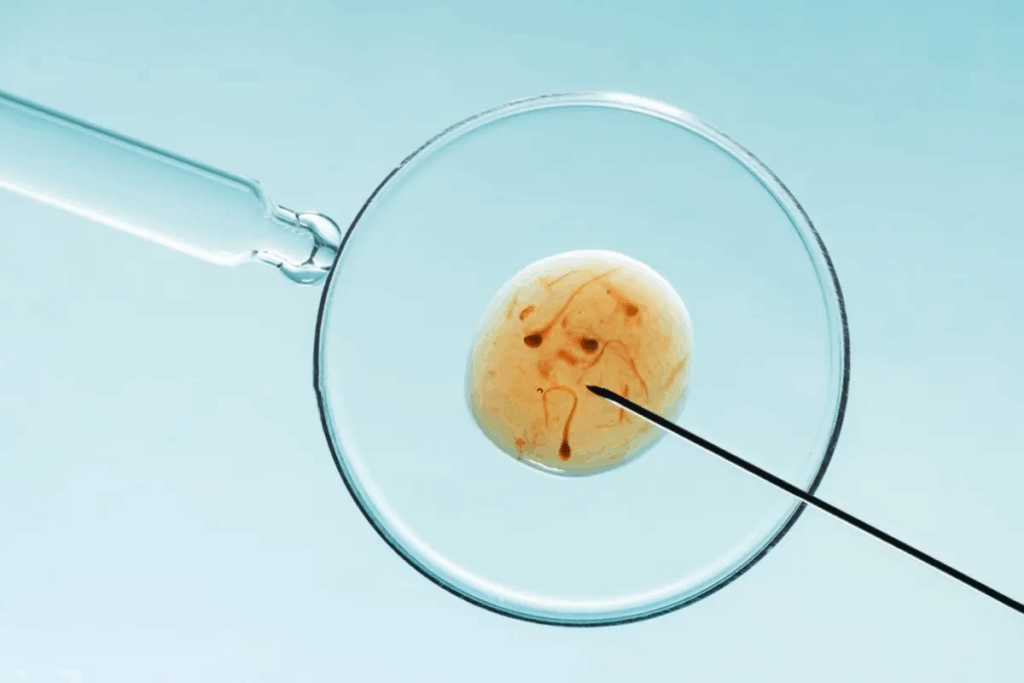
Learning about IVF egg retrieval is key for those thinking about fertility treatments. This process is a big part of In Vitro Fertilization (IVF). It involves taking eggs from the ovaries.
The journey starts with ovarian stimulation. Hormone meds are used to make the ovaries produce more eggs. Normally, only one egg grows. But with these meds, we can get more eggs, boosting treatment success.
From Natural Cycle to Stimulated Cycle
In a natural cycle, one egg is released. But with hormone meds, we can make the ovaries produce more eggs. This is true for both egg freezing and IVF, making more eggs available for treatment.
- Natural Cycle: One egg is released.
- Stimulated Cycle: Multiple eggs are produced with hormone meds.
The Role of Hormone Medications
Hormone meds are vital in the IVF egg retrieval process. They help the ovaries make more eggs, raising the chances of successful fertilization and pregnancy. The same protocols are used for both egg freezing and IVF.
These meds help in several ways:
- They increase egg production.
- They help control when eggs are retrieved.
- They improve the chances of getting multiple eggs for fertilization.
What Happens During the Retrieval Procedure
The egg retrieval procedure is a minor surgery done under sedation or anesthesia. A fertility specialist uses ultrasound to guide a needle into the ovarian follicles to get the eggs.
Important parts of the procedure include:
- Ultrasound Guidance: It helps target the ovarian follicles accurately.
- Sedation or Anesthesia: It makes the procedure painless.
- Quick Recovery: Most women can get back to normal in just a few days.
Average Number of Eggs Retrieved During IVF
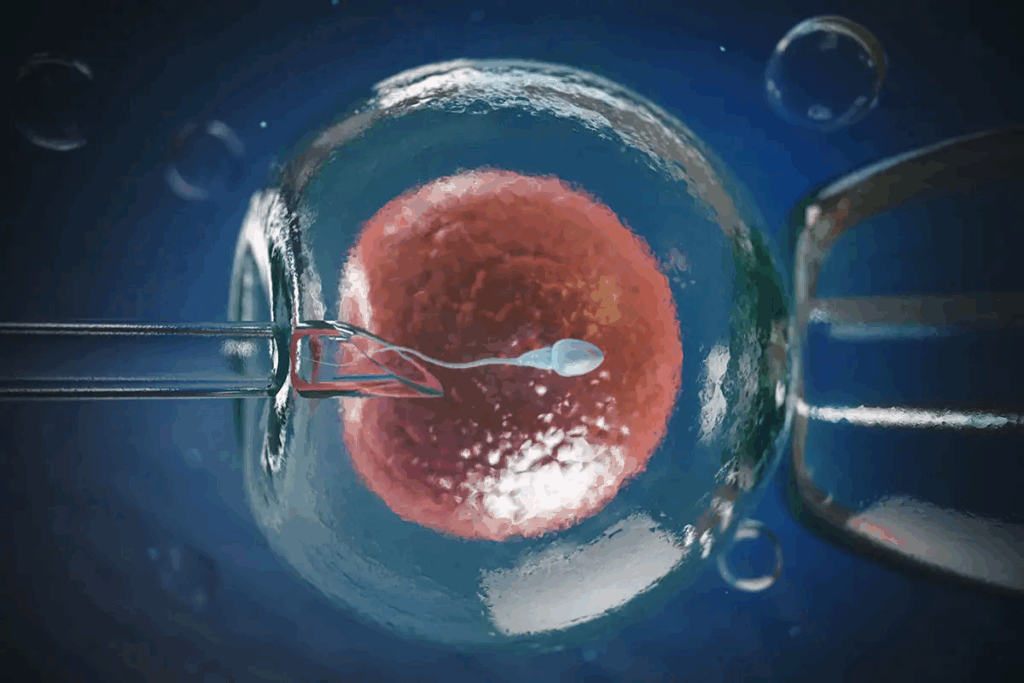
Knowing the average number of eggs retrieved during IVF is important. It helps set realistic hopes for success. The number of eggs is key to how well IVF works.
General Statistics Across All Age Groups
Over 400,000 IVF cycles were studied. The best number of eggs for a live birth is between 15 and 20. Most say 10 to 15 mature eggs is a good goal.
Some eggs won’t be ready to use. This means the number of eggs you get can vary a lot. It’s different for everyone.
What Research Shows About Optimal Egg Numbers
Getting too few eggs can lower IVF success. But, getting too many can lead to problems. The goal is to find the right number that balances success and safety.
The 8-14 Egg Average Range
Fertility clinics often aim for 8 to 14 eggs. This range is seen as the best. It balances the chance of getting healthy eggs with the risks of getting them.
Egg Retrieval Range | Success Rate | Risk Level |
1-7 Eggs | Lower | Low |
8-14 Eggs | Optimal | Moderate |
15-20 Eggs | High | Higher |
21+ Eggs | Plateauing | Highest |
Knowing these numbers helps both patients and doctors make better choices for IVF.
How Many Eggs Are Typically Retrieved During IVF: Age-Based Expectations
As women get older, the number and quality of eggs retrieved during IVF change a lot. This change is key to how well IVF works. We’ll look at how age affects egg retrieval, including research on age and egg quality.
The Significance of Age in Egg Retrieval Outcomes
Age is very important in IVF success. It affects how many eggs are retrieved and their quality. Women under 35 usually get more eggs than older women. As women age, both the number and quality of eggs go down.
Age-related changes in egg retrieval outcomes are well-documented. Research shows big differences in egg retrieval numbers by age. For example, women under 35 get an average of 16.2 eggs. Women aged 35-37 get about 13 eggs.
Research Findings on Age-Related Retrieval Numbers
Studies have found that egg retrieval numbers drop with age. Here are the average numbers:
Age Group | Average Number of Eggs Retrieved |
Under 35 | 16.2 |
35-37 | 13 |
38-40 | 10.9 |
41-42 | 9.2 |
Over 42 | 7.3 |
Why Egg Quality Declines with Age
Egg quality goes down with age because of biological changes. Older eggs are more likely to have genetic problems. These problems can make it hard to fertilize and grow embryos.
The decline in egg quality is a big reason why IVF success rates drop for older women. Knowing this helps set realistic expectations and make better choices about IVF.
Egg Retrieval for Women Under 35
Egg retrieval is a key part of IVF for women under 35. It’s a hopeful start to their fertility journey. At this age, women usually have a strong ovarian reserve. This helps a lot in the egg retrieval process.
Expected Egg Count Range
Women under 35 usually get between 5 and 14 eggs. This number can change based on things like ovarian reserve and how well they respond to medications. A higher number of eggs usually means better chances of successful IVF.
Studies show that for egg freezing, having more eggs means better chances of getting pregnant later. In IVF, the quality and how well eggs can be fertilized are key. Knowing the expected egg count range helps set realistic hopes.
Success Rates with Different Egg Numbers
The number of eggs retrieved greatly affects IVF success rates. Research shows that:
- Getting 1-4 eggs leads to lower success rates.
- Getting 5-9 eggs increases the chances of success.
- Getting 10-14 eggs or more usually leads to the highest success rates.
It’s important to remember that while the number of eggs matters, egg quality is even more critical for IVF success.
Typical Fertilization Rates in This Age Group
Women under 35 usually have higher fertilization rates because of better egg quality. About 70-80% of retrieved eggs can fertilize successfully. This success rate can change based on sperm quality and the IVF method used (conventional IVF vs. ICSI).
Knowing these details helps manage expectations and make informed choices during the IVF process.
Egg Retrieval for Women Aged 35-37
Women aged 35-37 considering IVF need to know about egg retrieval outcomes. At this age, women are considered advanced in reproductive years. Their egg retrieval results can differ a lot from younger women’s.
Average Retrieval Numbers
Women aged 35-37 with a normal ovarian reserve usually get about 13 eggs during IVF. This number can change based on several factors. These include ovarian reserve and how well they respond to stimulation medications.
Key Statistics:
- Average eggs retrieved: 13
- Range: 8-18 eggs (though this can vary)
- Factors influencing retrieval: ovarian reserve, age, response to medication
Changes in Egg Quality and Quantity
As women age from 35 to 37, egg quantity and quality decline. Even with an average of 13 eggs, the quality is key for IVF success.
Egg quality is very important. It affects fertilization, embryo development, and pregnancy success. With age, eggs are more likely to have chromosomal problems, affecting IVF results.
Success Rates Compared to Younger Women
IVF success rates for women aged 35-37 are generally lower than for younger women. Even with 13 eggs, the quality of these eggs is critical for success.
Success Rate Factors:
- Egg quality and quantity
- Response to ovarian stimulation
- Embryo quality
Every woman’s IVF journey is unique. Factors like health, ovarian reserve, and treatment response greatly affect outcomes. For women aged 35-37, it’s important to have realistic expectations. They should discuss their situation with a fertility specialist.
Egg Retrieval for Women Aged 38-40
Women aged 38-40 are considered to be in advanced reproductive age. It’s important for them to know what to expect from egg retrieval. As they get older, the quality and number of their eggs decrease. This makes IVF treatment more difficult.
Typical Egg Count Expectations
Women in this age group usually get fewer eggs than younger women. On average, they get about 10.9 eggs per cycle. But, they need more eggs to have a good chance of getting pregnant.
Research shows that women in this age group might need 25 or more eggs for an 80% chance of getting pregnant. This often means they need to go through multiple retrieval cycles.
Multiple Retrievals and Cumulative Success Rates
Because of the lower egg count and quality, women in this age group often need multiple retrievals. Studies show that success rates improve with more retrievals. For example, having 3-4 retrievals can greatly increase the chances of getting pregnant.
Here’s a table to show how multiple retrievals can improve success rates:
Number of Retrievals | Cumulative Number of Eggs | Cumulative Success Rate |
1 | 10.9 | 20% |
2 | 21.8 | 40% |
3 | 32.7 | 60% |
4 | 43.6 | 80% |
Strategies for Improving Outcomes
While age is a big factor in IVF success, there are ways to improve outcomes for women aged 38-40. These include:
- Optimizing Ovarian Stimulation: Tailoring the stimulation protocol to the individual’s response can help maximize egg retrieval.
- Pre-cycle Testing: Assessing ovarian reserve and other factors before starting treatment can help predict and improve outcomes.
- Lifestyle Modifications: Maintaining a healthy lifestyle, including diet and exercise, can positively impact egg quality and overall reproductive health.
Understanding egg count expectations and the need for multiple retrievals helps women aged 38-40 prepare for IVF. Working closely with a fertility specialist to create a personalized treatment plan can significantly improve success rates.
Egg Retrieval for Women Over 40
Women over 40 face unique challenges in IVF egg retrieval. As we age, our eggs decrease in number and quality. This makes IVF more complex.
Understanding Egg Numbers
Women over 40 usually get fewer eggs during IVF than younger women. Studies show that those over 42 get an average of 7.3 eggs. It’s key to know how many eggs you might get and how it affects IVF success.
Realistic Expectations: Egg numbers drop sharply after 40. This affects both the number and quality of eggs. It makes getting pregnant through IVF harder.
Optimizing Retrieval Results
To get the best results from egg retrieval, we use several strategies. These include:
- Personalized medication to help eggs grow.
- Regular checks with ultrasound and hormone tests.
- Timing the retrieval when eggs are at their best.
Working closely with your fertility specialist is key. They can tailor your treatment to fit your needs and health.
Considering Donor Eggs
For some women over 40, using donor eggs might be the best choice for pregnancy. This choice depends on several factors. These include your ovarian reserve, health, and past IVF results.
Age Group | Average Eggs Retrieved | Success Rate with IVF |
40-42 | 7-10 | 10-20% |
43-44 | 4-7 | 5-10% |
45 and above | 1-4 | <5% |
Knowing these stats helps set realistic goals. It guides decisions about IVF treatment.
The Relationship Between Follicles and Retrieved Eggs
It’s important to know how follicles and eggs are connected during IVF. Follicles are like tiny sacs in the ovaries that help eggs grow. The goal of IVF is to get many follicles to increase the chance of getting more eggs.
Egg Retrieval Per Follicle in IVF
In IVF, not every follicle has a mature egg. And not every mature egg is successfully retrieved. On average, we get about 70-80% of eggs from follicles. So, if we see 10 follicles, we might get 7-8 eggs.
This number can change based on many things. Like the egg’s quality, the treatment plan, and how well the ovaries respond.
Factors Affecting Follicle-to-Egg Ratio
Several things can affect how many eggs we get from follicles. These include:
- Age: Older women often have fewer eggs because of lower quality and quantity.
- Ovarian Reserve: Women with a lower reserve might get fewer eggs.
- Stimulation Protocol: The type and amount of medication used can affect how many eggs we get.
Understanding Follicle Measurements and Expectations
Follicle size is key to knowing if an egg is ready. Follicles that are 18-22 mm are usually ready for retrieval. We use ultrasound to check follicle growth and decide when to get the eggs.
Follicle Size (mm) | Expected Egg Maturity | Retrieval Expectation |
Immature | Low | |
18-22 | Mature | High |
>22 | Over-mature | Variable |
The number of eggs we get can vary a lot. It depends on age, ovarian reserve, and how well the ovaries respond. Knowing about follicles and eggs helps us plan better for IVF.
From Retrieval to Fertilization: What to Expect
The journey from egg retrieval to fertilization is key in IVF. After eggs are retrieved, they go to the lab for fertilization prep.
This time is filled with hope and questions. Egg quality and fertilization chance are key to IVF success.
Egg Fertilization Rates
Not all eggs fertilize. Egg and sperm quality, and fertilization method, affect this rate.
About 70-80% of eggs fertilize with conventional IVF. But, rates can vary.
Fertilization Methods
IVF uses two main fertilization methods: Conventional IVF and ICSI.
- Conventional IVF mixes eggs with sperm in a dish.
- ICSI injects a sperm into an egg.
Choosing a method depends on sperm quality, past results, and egg number.
Fertilization Method | Description | Typical Use Case |
Conventional IVF | Eggs mixed with sperm in a lab dish | Normal sperm parameters, good egg quality |
ICSI | Single sperm injected into an egg | Low sperm count, poor sperm motility, previous IVF failure |
The Drop-Off Rate from Retrieval to Viable Embryos
Not all fertilized eggs become viable embryos. Factors like genetic issues or culture conditions can stop development.
Our embryologists watch embryo growth. They pick the best for transfer or freezing.
Knowing the journey from retrieval to fertilization helps manage expectations. While results vary, understanding the process makes the journey less scary.
Factors Beyond Age That Affect Egg Retrieval
Many things can affect how well an egg retrieval goes, not just age. Knowing about these factors helps set realistic hopes and improve IVF results.
Ovarian Reserve and AMH Levels
Ovarian reserve is a big factor, checked through Anti-Mullerian hormone (AMH) levels. AMH is a protein hormone that shows how many eggs a woman might have. Women with higher AMH levels might get more eggs during IVF.
“AMH levels give us a peek into a woman’s reproductive future,” says Medical Expert, a fertility expert. “But we must look at AMH with other factors for a full picture.”
Studies link AMH levels to how many eggs are found during IVF. A study in the Journal of Clinical Endocrinology and Metabolism found a strong link. This helps doctors plan treatments better.
Medical Conditions Impacting Egg Production
Some medical issues can really mess with egg production and quality. For example, polycystic ovary syndrome (PCOS) can lead to more eggs. But, primary ovarian insufficiency (POI) can mean fewer eggs.
- Endometriosis
- Autoimmune disorders
- Thyroid disorders
These conditions can change how many eggs are found and their quality. Treating these conditions well is key to better IVF results.
Lifestyle and Environmental Factors
Our lifestyle and environment also matter for egg retrieval. Smoking, being overweight, and toxins can hurt egg quality. Eating right and exercising can help IVF success.
“A healthy lifestyle is key for reproductive health. We tell our patients to eat well, exercise, and avoid bad stuff for better IVF chances.”
By tackling these factors, people can get ready for IVF better and maybe get better results.
Conclusion: Setting Realistic Expectations for Your IVF Journey
Understanding the IVF egg retrieval process is key. Knowing what affects the outcome is important. Working with your fertility specialist can make your journey better.
We offer top-notch healthcare and support for patients from around the world. Recognizing the challenges of IVF helps us support you better.
Having realistic expectations is vital for a successful IVF journey. Knowing the average number of eggs, how age affects them, and the importance of personalized care helps you make smart choices.
FAQ
How many eggs are typically retrieved during IVF?
The number of eggs retrieved in IVF varies by age. On average, it’s between 8-14 eggs for all ages.
How does age affect the number of eggs retrieved during IVF?
Age greatly affects how many eggs are retrieved. Younger women usually get more eggs than older women.
What is the optimal number of eggs for IVF success?
Studies show that getting 8-14 eggs is best for IVF success.
How many eggs are usually retrieved per follicle in IVF?
Usually, one egg comes from each follicle. But, the number can change due to different factors.
What factors beyond age affect egg retrieval outcomes?
Many things can affect egg retrieval, like ovarian reserve, AMH levels, and lifestyle. Medical conditions and environment also play a role.
How many retrieved eggs typically fertilize during IVF?
About 70-80% of eggs can fertilize with conventional IVF or ICSI.
What are the expected egg count ranges for women under 35 undergoing IVF?
Women under 35 usually get 8-14 eggs. This age group has the highest success rates in IVF.
How does egg quality change with age, and what impact does it have on IVF success?
Egg quality drops with age. This makes it harder to succeed with IVF, more so after 40.
When should women consider donor eggs for IVF?
Women over 40 or with low ovarian reserve might consider donor eggs. It can boost their IVF success chances.
What strategies can improve egg retrieval outcomes for women aged 38-40?
Women 38-40 can try multiple retrievals and cumulative embryo transfer. These strategies can help improve success rates.
How do hormone medications stimulate the ovaries during IVF?
Hormone meds make the ovaries produce more eggs. This increases the chances of successful IVF.
What happens during the egg retrieval procedure?
The egg retrieval is a minor surgery. It uses ultrasound to get eggs from the ovaries.
References
Government Health Resource. IVF Egg Retrieval: Age and Expected Yield. Retrieved from
https://www.sart.org/patients/a-patients-guide-to-assisted-reproductive-technology/general-information/success-rates/>