
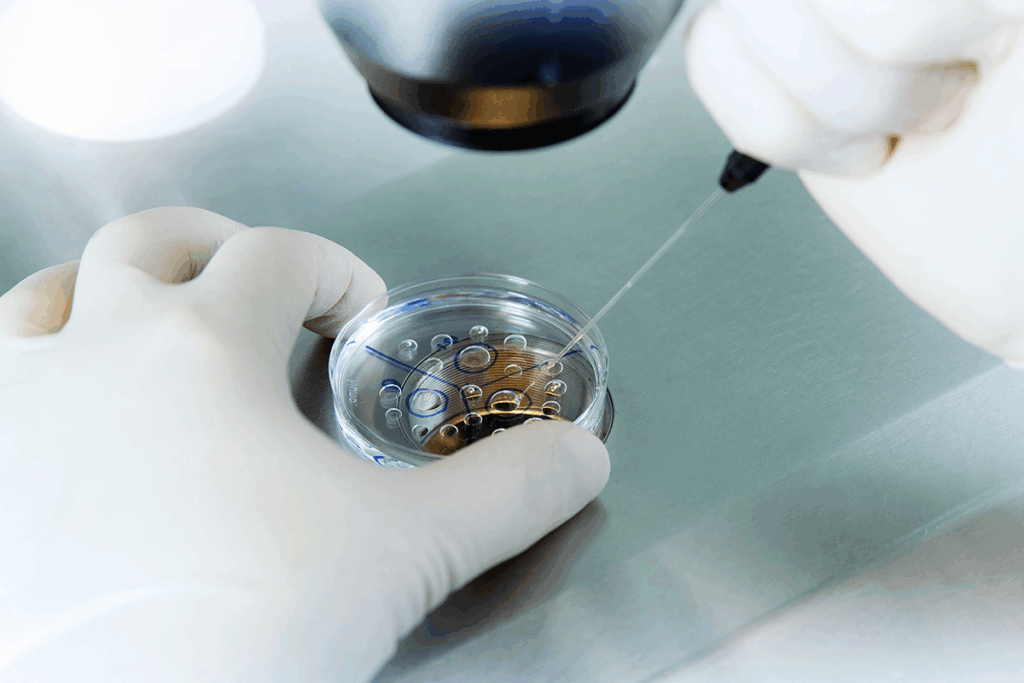
Every couple trying in vitro fertilization must make a big decision. They need to figure out how many embryos to transfer. This choice aims to increase the chances of a successful pregnancy. It also keeps the health of both the mother and the baby in mind.
We stick to well-established medical guidelines to improve success rates. At the same time, we aim to avoid complications. ASRM guidelines help us make this choice. They balance the chances of a live birth with the need to avoid too many pregnancies. Too many pregnancies can be risky for both the mother and the baby.
Places like Liv Hospital are committed to using the latest research for IVF. This ensures the best results for those going through IVF.
Key Takeaways
- The number of embryos implanted during IVF is determined by medical guidelines.
- ASRM guidelines balance cumulative live birth rates with reducing multiple pregnancies.
- Patient age, embryo quality, and other factors influence the number of embryos transferred.
- Modern fertility centers follow updated protocols for optimal IVF outcomes.
- IVF treatment prioritizes both success rates and maternal and fetal health.
Understanding the IVF Embryo Transfer Process

The IVF embryo transfer process is key in assisted reproduction. It involves putting embryos into the woman’s uterus to try for a successful pregnancy. This step needs careful thought to get the best results.
What Happens During Embryo Transfer
During the embryo transfer, the embryologist and clinician work together. They pick the best embryo(s) for the transfer. They look at the embryo’s quality, growth, and genetic health.
Embryo quality is very important for IVF success. The embryologist checks the embryos for cell number, even cell division, and no fragmentation.
The Role of Embryologists in Transfer Decisions
Embryologists are key in deciding how many embryos to transfer. They look at the patient’s age, medical history, and embryo quality. They aim for a successful pregnancy with low risks of multiple pregnancies.
We follow clinical guidelines and our experience to choose the right number of embryos. Younger patients with high-quality embryos might get one embryo transferred. Older patients or those with lower-quality embryos might need more.
By carefully checking the embryos and considering each patient’s needs, we make the best transfer decisions. This helps increase the chances of a successful IVF outcome.
Historical Perspective: Evolution of Embryo Transfer Practices

IVF techniques have grown a lot, and so have the ways we transfer embryos. This shows we’re learning more about what makes IVF successful. The history of IVF embryo transfer is filled with big steps forward and changes in how doctors do things.
Early IVF Approaches to Multiple Embryo Transfers
In the beginning, doctors often transferred more than one embryo at a time. This was because they didn’t know as much about how well embryos would grow. They thought putting in more embryos would help more women get pregnant.
But, this led to a lot of multiple pregnancies. These pregnancies are risky for both mom and baby. This made the IVF community rethink how they transfer embryos.
Shift Toward Fewer Embryos Over Time
As IVF got better, doctors started transferring fewer embryos. This change came from learning more about picking and keeping embryos alive. New ways to grow embryos and freeze them helped too.
Now, transferring fewer embryos means fewer multiple pregnancies. But, it doesn’t mean fewer babies are born. This is a big win in the world of IVF.
| Period | Typical Number of Embryos Transferred | Multiple Pregnancy Rate |
|---|---|---|
| Early IVF Era (1980s-1990s) | 3-4 or more | High (>30%) |
| Transition Period (2000s) | 2-3 | Moderate (10-30%) |
| Current Practice (2010s-present) | 1-2 | Low ( |
The way we transfer embryos in IVF has changed a lot. It shows we’re always trying to make things better and safer. As we learn more about embryos and IVF, we’ll keep making these practices even better.
ASRM Guidelines for Embryo Transfer: An Overview
ASRM has set guidelines for embryo transfer to balance IVF success with the risks of multiple pregnancies. These guidelines help fertility specialists decide how many embryos to transfer. This ensures the best outcomes for patients.
Purpose and Development of the Guidelines
The ASRM guidelines for embryo transfer aim to find the right number of embryos for IVF. The goal is to increase the chance of a successful pregnancy while lowering the risk of having twins or more.
Creating these guidelines involved a thorough review of IVF studies. The ASRM committee used this data to make recommendations. These recommendations aim to find a balance between high success rates and fewer multiple pregnancies.
Key Principles Behind ASRM Recommendations
ASRM’s embryo transfer guidelines focus on balancing success rates with the risk of multiple pregnancies. They consider factors like the patient’s age and embryo quality. This helps decide the best number of embryos to transfer.
We have summarized the key principles and recommendations in the table below:
| Patient Age | Recommended Number of Embryos | Rationale |
|---|---|---|
| <35 years | 1-2 | High success rates with minimal risk of multiples |
| 35-37 years | 1-2 | Balancing success rates and multiple pregnancy risks |
| 38-40 years | 2 | Considering declining egg quality and quantity |
| >40 years | 2-3 | Lower success rates; more embryos may be needed |
The ASRM guidelines for embryo transfer are updated regularly. This ensures fertility specialists can offer patients the best chance of a successful IVF outcome. It also helps reduce the risks of multiple pregnancies.
How Many Embryos Are Implanted During IVF? Current Standards
IVF standards are based on patient age and embryo quality. These rules aim to increase pregnancy chances while avoiding too many babies.
Standard Recommendations Based on Patient Age
The American Society for Reproductive Medicine (ASRM) sets embryo transfer numbers. For women under 35, they usually suggest one embryo to avoid too many babies.
Women 35 to 37 might get one or two embryos, depending on the embryo’s quality. Those 38 to 40 might get up to three, but it depends on the situation.
Other Factors Influencing Transfer Numbers
Age is key, but not the only thing. The embryo’s quality, any health issues, and past IVF results also matter.
Patients’ wishes and ethical views also shape the decision. We listen to our patients to find the best fit for them.
By looking at all these factors and following guidelines, we aim for a successful IVF outcome. We also try to keep risks low.
Elective Single Embryo Transfer (eSET): The Preferred Approach
Elective single embryo transfer (eSET) is now seen as the best choice in IVF, mainly for those with a good chance of success. It’s getting more attention because it can lead to high success rates. At the same time, it lowers the risks of having multiple babies.
Benefits of Single Embryo Transfer
Choosing single embryo transfer has many benefits. It cuts down on the risks of having multiple babies. This is good because it can lead to fewer complications for both mom and baby.
Key advantages of eSET include:
- Reduced risk of multiple pregnancies
- Lower incidence of pregnancy-related complications
- Decreased risk of preterm births and associated neonatal complications
- Improved maternal and fetal health outcomes
Candidates Most Suitable for eSET
Not everyone is a good fit for eSET. Usually, younger patients with high-quality embryos are considered ideal. The choice to use eSET depends on many factors, like the patient’s medical history, age, and embryo quality.
Success Rates with Single Embryo Transfer
Research shows eSET can have high success rates, mainly for those with good chances of success. The success of eSET depends on several things. These include the embryo’s quality, how well the uterus can receive it, and the patient’s overall health.
Success rates with eSET are influenced by:
- Patient age and ovarian reserve
- Embryo quality and genetic integrity
- Uterine receptivity and overall uterine health
Double Embryo Transfer (DET): When Is It Considered?
For some IVF patients, Double Embryo Transfer (DET) might be suggested. This depends on their health and what they hope to achieve. It means putting two embryos in during an IVF cycle. This could raise the chances of getting pregnant.
Medical Indications for Multiple Embryo Transfer
We suggest Double Embryo Transfer for those who might not get pregnant with one embryo. This includes older women, those with low-quality embryos, or those who’ve had IVF failures before.
The American Society for Reproductive Medicine (ASRM) has guidelines for when DET is a good idea. These guidelines look at the patient’s age, embryo quality, and medical history.
Risk Assessment for DET Candidates
While DET might increase pregnancy chances, it’s important to weigh the risks. The main worry is the higher chance of multiple pregnancies. These can be risky for the mother and the babies.
We talk with our patients about these risks to decide if DET is right for them. We discuss the benefits and risks and look at other options too.
By looking at the medical reasons and risks, we offer care that fits each patient’s needs. This is important for those going through IVF treatment.
The Risks of Multiple Embryo Transfer
IVF treatment with multiple embryo transfer comes with risks. The chance of a multiple pregnancy goes up, which can harm the mother and babies.
Multiple Pregnancy Complications
Having multiple pregnancies can lead to serious issues. These include miscarriage, preterm labor, and gestational diabetes. These problems can affect the health of both the mother and the babies.
The American Society for Reproductive Medicine (ASRM) says multiple pregnancies are a big problem in IVF. This shows why careful planning is key in IVF treatment.
Maternal Health Concerns
Carrying multiple babies can be risky for mothers. Risks include high blood pressure, preeclampsia, and a higher chance of cesarean delivery. Carrying multiple fetuses also means more discomfort and health problems during pregnancy.
Research shows mothers carrying multiple babies face more health issues than those carrying one. So, it’s important for doctors to keep a close eye on these mothers.
Neonatal Risks and Outcomes
Babies born in multiple pregnancies face more health risks. These include low birth weight, breathing problems, and a higher chance of being in the NICU. These issues can affect their health and development long-term.
| Complication | Singleton Pregnancy | Multiple Pregnancy |
|---|---|---|
| Preterm Labor | 5-10% | 50-60% |
| Low Birth Weight | 6-8% | 40-50% |
| NICU Admission | 5-10% | 30-40% |
The table shows the big difference in health risks for babies in singleton versus multiple pregnancies. Knowing these risks helps in making better choices for IVF treatment.
Balancing Success Rates and Safety Concerns
It’s key to find a balance between IVF success and safety. IVF is getting better, focusing on both success and safety. We’ll look at how sequential single transfers are making IVF safer and more effective.
Cumulative Success Rates with Sequential Single Transfers
Sequential single transfers are now a top choice in IVF. They offer high success rates with fewer risks. This method can match the success of transferring more embryos but with less danger.
Here are the main benefits:
- Less chance of having twins or more
- Fewer pregnancy problems
- Better health for newborns
- More safety for mom and baby
The Declining Need for Multiple Transfers
IVF has improved a lot, making single embryo transfers more common. New tech and better testing have raised success rates. Now, transferring more than one embryo is rare, except when needed.
Here’s a comparison of single and multiple embryo transfers:
| Treatment Approach | Cumulative Success Rate | Multiple Pregnancy Rate |
|---|---|---|
| Sequential Single Embryo Transfer | 60-70% | <5% |
| Double Embryo Transfer | 50-60% | 20-30% |
| Multiple Embryo Transfer | 50-60% | 40-50% |
As we keep improving IVF, we aim for both high success and safety. Using sequential single transfers helps us achieve great results while keeping risks low. This way, we give our patients the best care possible.
Special Considerations for Different Patient Populations
Patients with unique needs, like those who are older or have poor embryo quality, need special care in IVF. The American Society for Reproductive Medicine (ASRM) has guidelines. These help decide how many embryos to transfer based on different factors.
Advanced Maternal Age
Women over 35 face special challenges in IVF. As they get older, their eggs and embryos may not be as good. We carefully choose how many embryos to transfer. This balances the chance of success with the risks of having twins or more.
- Women 35-37 might get 1-2 embryos, says ASRM.
- Women 38-40 might get 2-3 embryos, depending on their situation.
- Women over 40 might get more embryos because success rates are lower.
Previous Failed IVF Cycles
Those who’ve tried IVF before need a new plan. We look at embryo quality, how well the uterus can receive an embryo, and if we need to change the treatment. Sometimes, we might transfer more embryos to increase the chance of success. But we do this carefully to avoid too many babies.
- We review past cycles to find ways to do better.
- We might try new protocols or techniques, like PGT.
- We talk to patients about the risks and benefits of more embryos.
Patients with Poor Embryo Quality
Poor embryo quality is a big challenge in IVF. We help patients understand how this affects their chances of success. We also talk about ways to improve their chances. This might include PGT or looking into egg donation.
- We discuss the pros and cons of transferring embryos with known issues.
- We explore treatments or therapies that might improve embryo quality.
- We support and counsel patients to help them make informed choices.
The Impact of Preimplantation Genetic Testing on Transfer Decisions
PGT is key in modern IVF, helping make better embryo transfer choices. It checks embryos’ genes to pick the best ones for implantation and pregnancy.
Many patients now include PGT in their IVF treatment. It spots chromosomal issues in embryos before they’re transferred. This lowers the risk of miscarriage and failed implantation.
How PGT Affects Embryo Selection
PGT changes how embryos are chosen for transfer by giving detailed genetic info. This lets experts pick embryos with the right number of chromosomes. This boosts the chance of a successful pregnancy.
It involves taking a few cells from the embryo at the blastocyst stage. Then, the genetic material is analyzed. This tells if the embryo has the right or wrong number of chromosomes.
Choosing embryos with the right number of chromosomes for transfer lowers miscarriage and implantation failure risks. This makes pregnancy more likely. It also lessens the emotional and financial stress of repeated IVF failures.
Transfer Recommendations for PGT-Tested Embryos
For embryos that passed PGT and have the right number of chromosomes, transfer plans are clearer. This means even older patients might choose to transfer just one embryo. This was once a choice for younger patients.
Research shows single embryo transfers can have high success rates. They’re as good as or better than transferring two embryos in some cases. This move to single embryo transfers, thanks to PGT, cuts down on multiple pregnancies. It keeps or even raises overall pregnancy success rates.
We understand each patient is different. The decision on how many embryos to transfer depends on PGT results, medical history, and other factors.
Patient Counseling and Informed Consent for Embryo Transfer
Informed consent and patient counseling are key parts of the IVF embryo transfer process. The American Society for Reproductive Medicine (ASRM) guidelines stress the need for these. They help ensure patients know the risks and benefits of different transfer options.
Discussing Transfer Options with Patients
Good patient counseling means talking about the available transfer options. This includes the risks of multiple embryo transfers and the benefits of single embryo transfer (eSET). It’s important to make sure patients understand how their choices might affect their IVF success and the chance of multiple pregnancies. Clear communication is key for making informed decisions.
We also talk about factors that might affect the number of embryos to transfer. These include the patient’s age, embryo quality, and past IVF results. By looking at these, we can give advice that fits the patient’s unique situation.
Documenting Exceptions to Guidelines
While ASRM guidelines help decide on the number of embryos, sometimes exceptions are needed. These exceptions are based on specific patient characteristics or clinical situations. It’s important to document these exceptions well, explaining why the decision was made.
Good documentation is not just about being transparent. It also helps keep a detailed patient record. This record is very useful for future reference and making informed decisions in future IVF cycles.
Shared Decision-Making Approach
Using a shared decision-making approach is key in counseling for embryo transfer. This means working together with the patient to make decisions that are best for them. By involving patients in this way, we help them make choices that match their preferences, values, and situation.
This approach also strengthens the patient-provider relationship. It’s based on trust and understanding. This kind of relationship leads to better outcomes because the chosen path is both medically sound and in line with the patient’s goals.
Conclusion: The Future of Embryo Transfer in IVF
Looking ahead, the focus on improving IVF success and reducing risks will grow. New tech and updated guidelines, like ASRM’s, will guide IVF practices.
The move towards single embryo transfers is expected to keep growing. This is thanks to better embryo selection and transfer methods. It aims to cut down on multiple pregnancies and their risks, improving patient results.
New IVF trends, like preimplantation genetic testing (PGT), will shape embryo transfer too. As these tests get better, the ASRM guidelines will keep up with the latest research and practices.
Fertility experts will keep leading in these advancements. This way, they can offer top care for IVF patients. They aim to increase success rates while keeping risks low. As the field evolves, we’re dedicated to providing world-class healthcare and support for patients from around the world.
FAQ
How many embryos are typically transferred during IVF?
The number of embryos transferred in IVF depends on several factors. These include the patient’s age, the quality of the embryos, and their medical history. The American Society for Reproductive Medicine (ASRM) offers guidelines to help decide the best number of embryos to transfer.
What are the ASRM guidelines for embryo transfer?
The ASRM guidelines suggest the number of embryos to transfer based on age and other factors. They aim to balance the chance of a successful pregnancy with the risk of having twins or more.
What is elective single embryo transfer (eSET)?
Elective single embryo transfer (eSET) means transferring just one embryo during IVF, even if more are available. It’s recommended for those with a good chance of success to lower the risk of twins or more.
Who is a good candidate for elective single embryo transfer?
Women under 35 with high-quality embryos and a good prognosis are often good candidates for eSET. It’s also a good choice for those who want to avoid the risks of multiple pregnancies.
What are the benefits of elective single embryo transfer?
eSET reduces the risk of complications from multiple pregnancies. It also lowers the risk of preterm birth and low birth weight.
What is double embryo transfer (DET), and when is it considered?
Double embryo transfer (DET) means transferring two embryos during IVF. It’s considered for those with a lower chance of success, like older women or those with poor embryo quality.
What are the risks associated with multiple embryo transfer?
Transferring more than one embryo increases the risk of complications. These include preterm birth, low birth weight, and gestational diabetes. It also raises the risk of health problems for the mother, like hypertension and preeclampsia.
How does preimplantation genetic testing (PGT) affect embryo transfer decisions?
PGT helps identify healthy embryos, improving pregnancy chances. It can also pinpoint the best embryos to transfer, reducing the risk of twins or more.
What is the role of patient counseling in embryo transfer decisions?
Counseling is key in deciding on embryo transfer. It helps patients understand their options and make informed choices. Talking with a healthcare provider is essential to find the best approach for each individual.
How do ASRM guidelines influence embryo transfer decisions?
The ASRM guidelines help determine the right number of embryos to transfer. Healthcare providers use these guidelines to advise patients and make informed decisions.
What are the current standards for embryo transfer?
Current standards for embryo transfer depend on age, embryo quality, and other factors. The ASRM guidelines suggest transferring one embryo for those with a good prognosis. For those with a poor prognosis, transferring two embryos might be considered.
How does the number of embryos transferred affect IVF success rates?
The number of embryos transferred can impact IVF success rates. Transferring more embryos can increase pregnancy chances. Yet, it also raises the risk of multiple pregnancies.
What is the impact of sequential single transfers on IVF success rates?
Sequential single transfers involve transferring one embryo at a time. This approach can boost cumulative success rates while minimizing the risk of multiple pregnancies. It allows for high success rates while avoiding the risks of multiple births.
References
World Health Organization. IVF: Number of Embryos Transferred and Maternal Health. Retrieved from https://www.who.int/reproductivehealth/topics/infertility/embryo-transfer/en/)
National Center for Biotechnology Information. Evidence-Based Medical Guidance. Retrieved from https://www.ncbi.nlm.nih.gov/pmc/articles/PMC8489809/



 Departments
 Related Videos
 Our Doctors
 News
News