
Understanding IVF is key for those going through fertility treatments. We see that about 80% of eggs fertilize successfully in IVF cycles. Yet, the path to Day 5 is full of challenges. Only around 40-50% of fertilized eggs make it to become viable blastocysts. Analyzing the extended culture period and how many embryos make it to day 7 (Blastocyst).
At Liv Hospital, we use the latest in reproductive science and care with a heart. It’s vital for patients to know what to expect. This knowledge helps them understand embryo development and survival chances.
Key Takeaways
- Approximately 80% of eggs fertilize successfully in IVF.
- 40-50% of fertilized eggs develop into viable blastocysts by Day 5.
- Understanding embryo survival rates helps manage patient expectations.
- Factors influencing embryo development are key for making informed choices.
- Liv Hospital offers advanced reproductive science and patient-centered care.
The IVF Process: From Egg Retrieval to Embryo Development
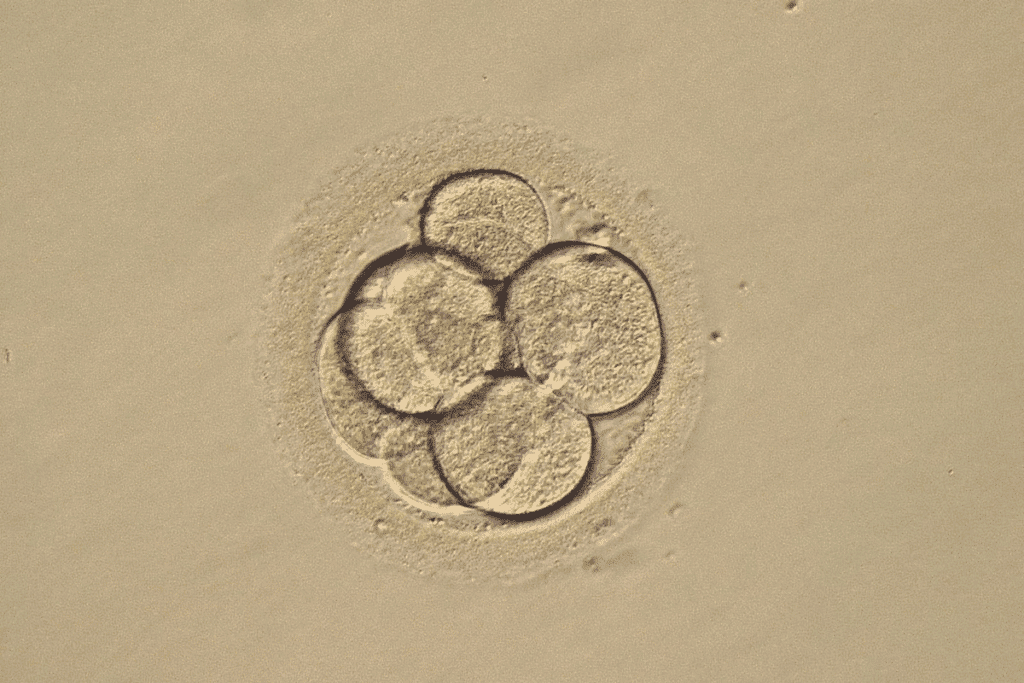
Knowing about the IVF process is key for patients. It includes many steps from egg retrieval to growing embryos. This journey can be complex, but knowing it helps manage hopes and worries.
Overview of the IVF Procedure
The IVF process starts with egg retrieval. This is when eggs are taken from the ovaries. Then, in the lab, eggs meet sperm for fertilization. The embryos grow for a few days.
Key Steps in IVF:
- Egg retrieval
- Fertilization
- Embryo culture
- Embryo transfer
The Importance of Embryo Development Monitoring
Watching how embryos grow is very important in IVF. It helps find the best embryos for transfer. This can increase the chance of a successful pregnancy.
Why Monitoring Matters:
- Identifies viable embryos
- Enhances pregnancy success rates
- Reduces the risk of multiple pregnancies
Why Day 5 Is a Critical Milestone
Day 5 is a big deal in the IVF process. It’s when embryos reach the blastocyst stage. At this point, they have a better chance of implanting, making it a good time for transfer.
| Day | Embryo Stage | Significance |
|---|---|---|
| 1 | Fertilization | Initial stage of embryo development |
| 3 | Cleavage stage | Embryo begins to divide |
| 5 | Blastocyst | Higher implantation potentials |
By understanding the IVF process and the importance of watching embryo growth, patients can better handle their treatment. Day 5 is very important because it’s when embryos are most likely to implant well.
Understanding Embryo Development Stages in IVF
[Add image here]
Embryo development is a complex process. It’s key for IVF success. We watch embryos closely as they go through different stages.
Day 1: Fertilization and Pronuclear Formation
The journey starts with fertilization. An egg meets a sperm, creating a zygote. On Day 1, we see the pronuclear formation, showing fertilization was successful.
Days 2-3: Cleavage Stage Development
The embryo grows, dividing into several cells by Days 2-3. We check its quality and how well it might develop.
Days 4-5: Morula to Blastocyst Transition
By Days 4-5, the embryo becomes more compact, forming a morula. Then, it turns into a blastocyst. This is a key moment for implantation.
The Structure and Significance of Day 5 Blastocysts
A Day 5 blastocyst has two main parts: the inner cell mass and the trophectoderm. The blastocyst’s quality and structure tell us a lot about its chances of implanting.
| Stage | Description | Significance |
|---|---|---|
| Day 1 | Fertilization and Pronuclear Formation | Initial stage of embryo development |
| Days 2-3 | Cleavage Stage Development | Evaluation of embryo quality |
| Days 4-5 | Morula to Blastocyst Transition | Critical for implantation |
IVF Fertilization Rates: What to Expect
Fertilization rates in IVF cycles give us clues about how well the treatment works. Knowing these rates helps patients set realistic goals and make smart choices about their fertility journey.
Average Percentage of Eggs That Fertilize
In a typical IVF cycle, about 80% of eggs fertilize successfully. This number can change based on egg and sperm quality, and lab conditions. A high fertilization rate is a good sign of treatment success.
Let’s explore some common scenarios based on egg numbers:
- Low egg retrieval (1-5 eggs): With fewer eggs, fertilization rates might be lower.
- Moderate egg retrieval (6-15 eggs): This range is typical, with fertilization rates around 80%.
- High egg retrieval (16+ eggs): More eggs are available, but fertilization rates might be slightly lower due to egg quality.
Factors Affecting Fertilization Success
Several things can affect how well eggs fertilize in IVF. These include:
- Egg Quality: The quality of the eggs greatly impacts fertilization rates. Eggs from younger women usually have better quality and higher fertilization chances.
- Sperm Quality: The quality of the sperm used is also key. Poor sperm quality can lower fertilization rates.
- Laboratory Conditions: The environment where eggs are fertilized and cultured matters a lot. Advanced lab techniques and culture media are important.
By knowing these factors and average fertilization rates, patients can better understand their IVF journey. It’s vital to talk to a fertility specialist to get personalized insights into expected fertilization rates and overall treatment success.
IVF Attrition Rate: Understanding the Embryo Drop-Off
The journey through IVF faces a big challenge: embryo attrition. Knowing how many embryos drop off is key for setting realistic goals and making smart choices.
The Day 1 to Day 5 Embryo Survival Rate
Embryo development is very selective. The biggest drop-off happens between Day 3 and Day 5. Only 30-50% of Day 3 embryos make it to the blastocyst stage. This shows how many embryos are actually viable.
Let’s look at the journey of embryos from Day 1 to Day 5:
- Day 1: Fertilization starts, and the embryo begins growing.
- Days 2-3: The embryo divides into more cells.
- Days 4-5: The embryo reaches the blastocyst stage, a key moment in its growth.
Why Many Embryos Stop Developing After Day 3
Several reasons cause embryos to stop growing after Day 3. These include:
- Genetic factors: Embryos with genetic problems are more likely to stop growing.
- Environmental factors: The culture media and lab conditions can affect growth.
- Maternal age: Older women face a higher risk of embryo arrest.
The Genetic Component of Embryo Arrest
Genetic health is vital for embryo development. Chromosomal abnormalities can cause growth to stop. Studies show many arrested embryos have genetic issues.
What Percentage of Fertilized Eggs Make It to Blastocyst
The percentage of fertilized eggs that become blastocysts varies. On average, 40-60% do. But, this can change based on age, egg quality, and lab conditions.
Knowing about embryo attrition in IVF helps patients understand their journey better. It lets them make informed choices and set realistic goals.
How Many Embryos Make It to Day 5: Statistical Breakdown
The journey to Day 5 is a big step in IVF treatment. Knowing the stats can help set realistic hopes. It’s key to understand what affects IVF success rates.
Average Blastocyst Formation Rates
About 40-50% of fertilized eggs turn into viable blastocysts by Day 5. This number is a general guide. Actual rates can change based on egg, sperm quality, and lab conditions.
Blastocyst formation rates are a key sign of IVF success. A blastocyst is a stage where a fluid-filled cavity and an inner cell mass form. This is a complex process, and not all fertilized eggs make it.
Real-World Examples: From Fertilization to Blastocyst
Let’s look at an example. A patient has IVF with 10 eggs, 8 of which fertilize. By Day 5, 4 of these might become blastocysts.
“The ability to develop into a blastocyst is a key indicator of an embryo’s viability. Understanding the factors that influence this development can help in making informed decisions during IVF treatment.”
How Many Fertilized Eggs Make It to Blastocyst Stage
About 40-50% of fertilized eggs become blastocysts. So, if 10 eggs fertilize, we might see 4 to 5 become blastocysts. But, this is just an estimate, and actual numbers can differ.
| Number of Eggs Fertilized | Expected Blastocysts | Percentage |
|---|---|---|
| 10 | 4-5 | 40-50% |
| 8 | 3-4 | 37.5-50% |
| 5 | 2-3 | 40-60% |
What Is Considered a Normal Number of Blastocysts
A normal number of blastocysts is usually 3 to 5. But, the quality of these blastocysts is just as important as the number.
In conclusion, knowing how many embryos make it to Day 5 in IVF is helpful. While averages are a starting point, individual results can vary a lot.
How Many Embryos Make It to Day 7 and Beyond
Day 5 is a big milestone in IVF, but some embryos keep growing. This means more chances for a successful transfer. Knowing about Day 6 and Day 7 embryos helps patients understand their IVF treatment better.
Day 6 Development: Late Bloomers
Some embryos grow slower, reaching the blastocyst stage on Day 6. These “late bloomers” can also be good for transfer. They have similar chances of implantation and pregnancy as Day 5 embryos.
Key points about Day 6 blastocysts:
- They may have similar viability to Day 5 blastocysts
- Can be used for transfer in subsequent cycles
- Require careful evaluation for quality and viability
Day 7 Blastocyst Formation Rates
Day 7 blastocysts form less often than Day 5 or 6 ones. But, new IVF tech and culture media help more embryos reach Day 7.
Studies have shown that Day 7 blastocysts can be as good as earlier ones. This makes them valuable for transfer.
Viability of Day 6 and Day 7 Blastocysts
The chance of Day 6 and 7 blastocysts working is key. Research says they might not work as well as Day 5 ones. But, they’re not a lost cause and can lead to pregnancy.
| Day of Blastocyst Formation | Implantation Rate | Pregnancy Rate |
|---|---|---|
| Day 5 | 50-60% | 40-50% |
| Day 6 | 40-50% | 30-40% |
| Day 7 | 30-40% | 20-30% |
Success Rates with Extended Culture Embryos
Keeping embryos in culture longer gives more chances for transfer. This can boost the success rate of a single egg retrieval cycle.
Benefits of extended culture:
- Increased number of embryos available for transfer
- Potential for higher cumulative pregnancy rates
- Better selection of viable embryos for transfer
Understanding embryos that grow beyond Day 5 gives patients a clearer view of their IVF journey. It shows the possibilities they have.
Factors That Influence Embryo Development to Blastocyst Stage
Understanding what affects embryo development to the blastocyst stage is key for better IVF results. Several factors can play a role in this important phase.
Maternal Age and Egg Quality
Maternal age is a big factor in embryo development. As women get older, their eggs quality and number go down. This can make it harder to get pregnant and reach the blastocyst stage.
Egg quality is very important. It affects how well the embryo can grow and implant in the uterus.
Younger women usually have better egg quality. This means they have a higher chance of reaching the blastocyst stage. Older women might have lower success rates because of egg quality and more chromosomal issues.
Sperm Quality Factors
Sperm quality is also very important for embryo development. Poor sperm quality can lower fertilization rates and harm embryo growth. Sperm motility, shape, and DNA health all matter for reaching the blastocyst stage.
Good sperm quality, with high motility and shape, is linked to better fertilization and blastocyst formation.
Laboratory Conditions and Culture Media
The lab environment and culture media used in IVF are key for embryo growth. The right culture media is essential for embryo development. Modern labs aim to mimic natural conditions closely.
Culture media gives embryos the nutrients and energy they need. Advances in media and lab techniques have helped improve IVF success.
Lifestyle and Environmental Influences
Lifestyle and environment can also affect embryo development. Toxins, stress, and certain conditions can impact IVF success. A healthy lifestyle, including a balanced diet and avoiding harmful substances, can help.
While research is ongoing, it’s advised that those trying IVF live healthily. This can increase their chances of success.
Blastocyst Quality Assessment and Grading
Understanding blastocyst quality is key for IVF patients. Assessing and grading blastocysts is vital. It helps determine if an embryo can implant and succeed.
Blastocyst Grading Systems Explained
Blastocyst grading systems check embryo quality. They look at the blastocyst’s growth, inner cell mass (ICM), and trophectoderm (TE). The Gardner grading system is common. It rates blastocysts based on growth and ICM and TE quality.
Gardner Grading System: This system rates blastocysts from 1 to 6. A 1 is an early blastocyst, and a 6 is fully hatched. It also grades ICM and TE separately for a full embryo assessment.
Inner Cell Mass vs. Trophectoderm Evaluation
The ICM and TE are key parts of a blastocyst. The ICM becomes the fetus, and the TE makes the placenta and other tissues. Checking both ICM and TE quality is important for blastocyst viability.
| Component | Grade | Description |
|---|---|---|
| Inner Cell Mass (ICM) | A | Many tightly packed cells |
| Inner Cell Mass (ICM) | B | Several cells, loosely grouped |
| Inner Cell Mass (ICM) | C | Few cells, sparse |
| Trophectoderm (TE) | A | Many cells, forming a cohesive epithelial layer |
| Trophectoderm (TE) | B | Fewer cells, forming a loose epithelial layer |
| Trophectoderm (TE) | C | Few cells, sparse |
How Blastocyst Quality Affects Implantation Rates
Blastocyst quality greatly affects implantation chances. High-quality blastocysts have better implantation rates. Factors like expansion, ICM quality, and TE quality all play a role.
High-quality blastocysts lead to more successful pregnancies. Choosing the best embryo for transfer is key to a successful IVF cycle.
Day 5 vs. Day 6 Transfer Success Rates
When to transfer a blastocyst, on Day 5 or Day 6, can impact success. Day 5 blastocysts often have better implantation chances. This is because they have gone through natural selection in the lab.
But, success also depends on the blastocyst’s quality and the uterus’s readiness. Both Day 5 and Day 6 blastocysts can lead to successful pregnancies if they are of high quality.
Conclusion: Managing Expectations in Your IVF Journey
IVF is a complex and emotionally challenging journey. Understanding the stages of IVF helps patients manage their expectations. This knowledge allows them to make informed decisions about their treatment.
Managing expectations is key in the IVF journey. It helps patients prepare for the outcomes and emotional challenges. By knowing what affects success, like embryo development rates, patients can have a realistic view of their chances.
We know that every patient’s IVF journey is unique. Many factors can impact success rates. By giving patients a full understanding of the IVF process, we help them make informed decisions and navigate their treatment with confidence.
Our goal is to support patients throughout their IVF journey. We provide them with the knowledge and care they need to achieve their reproductive goals. By managing expectations and understanding the IVF process, patients can approach their treatment with a clearer understanding of what to expect.
FAQ
What is the average percentage of eggs that fertilize during IVF?
About 80% of eggs fertilize during IVF. But, this can change based on egg and sperm quality.
How many embryos typically make it to Day 5 in IVF?
Around 30-50% of fertilized eggs become blastocysts by Day 5. This number can vary.
What percentage of fertilized eggs make it to the blastocyst stage?
Between 30% to 60% of fertilized eggs reach the blastocyst stage. This depends on egg and sperm quality, and lab conditions.
Why do many embryos stop developing after Day 3?
Embryos may stop growing after Day 3 due to genetic issues, poor quality, or lab conditions. This is part of IVF attrition.
What is considered a normal number of blastocysts for IVF?
A normal number of blastocysts varies. But, 2-5 good-quality ones are often seen as a success. It depends on individual cases and blastocyst quality.
How does maternal age affect embryo development to the blastocyst stage?
Maternal age greatly impacts embryo development. Older women often have lower egg quality, reduced fertilization, and higher embryo arrest rates.
Are Day 6 and Day 7 blastocysts viable for transfer?
Yes, Day 6 and Day 7 blastocysts can be transferred. While Day 5 is best, later-developing embryos can also lead to successful pregnancies.
How does sperm quality affect fertilization success in IVF?
Sperm quality is key for fertilization success. Poor quality can lower fertilization rates and embryo quality.
What factors influence the success rates of IVF?
Many factors affect IVF success, including maternal age, egg and sperm quality, lab conditions, and lifestyle.
How is blastocyst quality assessed?
Blastocyst quality is judged using grading systems. These evaluate the inner cell mass, trophectoderm, and overall morphology.
What is the difference between Day 5 and Day 6 transfer success rates?
Day 5 transfers usually have higher success rates than Day 6. But, success depends on many factors, including blastocyst quality.
References
National Center for Biotechnology Information. Evidence-Based Medical Guidance. Retrieved from https://pmc.ncbi.nlm.nih.gov/articles/PMC10279422/).