

Deciding how many embryos to freeze is a big step in fertility preservation. At Liv Hospital, we know every patient’s journey is different. Our approach combines evidence-based tools with caring for each patient. Guide on using ahow many embryos should i freeze calculator based on age and desired family size.
Modern tools like Spring Fertility’s Egg Freezing Calculator give personalized estimates. They use your age, egg count, and clinic data. This helps you make smart choices about your future family.
Looking at your age and egg count, we can figure out the best number of embryos to freeze. This boosts your chances of a successful pregnancy.
Key Takeaways
- Understanding the factors that influence embryo freezing success
- Using personalized egg freezing calculators for informed decisions
- The importance of age and egg quantity in determining freezing success
- Compassionate care and patient-centered approach at Liv Hospital
- Empowering prospective parents with knowledge for their reproductive future
The Science Behind Embryo Freezing

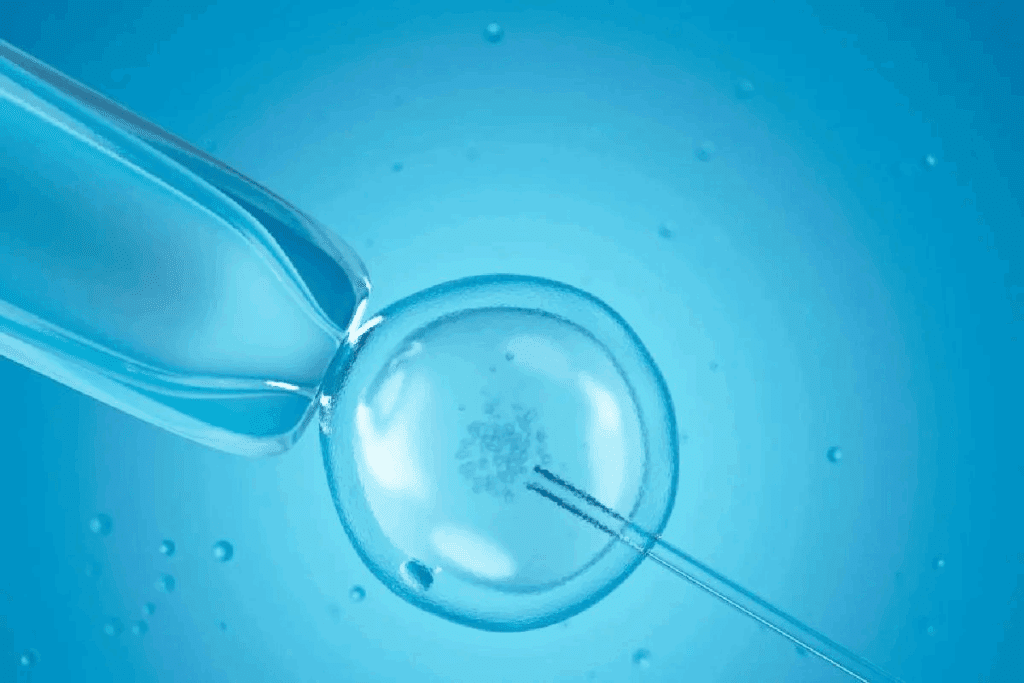
Cryopreservation, or embryo freezing, is a key part of assisted reproduction. It gives hope to those wanting to save their fertility. This method cools embryos to very low temperatures for future use.
Cryopreservation Technology Explained
Cryopreservation technology has grown a lot, making embryo freezing better. The steps include:
- Preparation: Embryos are put in a special solution to stop ice from forming.
- Cooling: They are then cooled slowly to a very low temperature, often with liquid nitrogen.
- Storage: Once frozen, they are kept in liquid nitrogen at -196°C.
Advanced techniques like vitrification have boosted embryo survival rates. Vitrification quickly freezes embryos, preventing ice damage.
Differences Between Egg and Embryo Freezing
Egg and embryo freezing are both options for saving fertility. But they differ:
- Egg Freezing: Freezes unfertilized eggs. It’s good for women not in a relationship or facing medical treatments.
- Embryo Freezing: Freezes fertilized embryos. Couples undergoing IVF often choose this for extra embryos.
Success rates depend on age and the number frozen. The Spring Fertility Egg Calculator helps estimate these rates.
Timeline of the Freezing Process
The time needed for embryo freezing varies. It depends on the reproductive cycle and the clinic’s protocols. Generally, it takes weeks from the first meeting to freezing.
- Initial Consultation: A fertility specialist discusses options and plans.
- Stimulation: The woman gets ovarian stimulation to produce eggs.
- Egg Retrieval: Eggs are taken out through a minor surgery.
- Fertilization and Culture: Eggs are fertilized, and embryos are cultured for 3-5 days.
- Freezing: Embryos are frozen on the day of or after culture.
How Many Embryos Should I Freeze Calculator: Understanding the Tools
Online calculators are key for those looking into fertility preservation. They help figure out how many embryos to freeze. This makes it easier for patients and doctors to plan fertility treatments.
Many fertility clinics and hospitals have created these calculators. They look at age, ovarian reserve, and egg quality. For example, Spring Fertility and Brigham and Women’s Hospital have tools for this.
Spring Fertility Egg Calculator Features
Spring Fertility’s Egg Calculator gives personalized estimates. It looks at your age, how many eggs you get, and egg quality.
- Age at the time of egg freezing
- Number of eggs retrieved
- Quality of eggs
Key benefits include its easy use and tailored advice. It’s great for getting advice based on your fertility situation.
Brigham and Women’s Hospital Egg Freezing Counseling Tool
Brigham and Women’s Hospital has an Egg Freezing Counseling Tool. It gives detailed guidance. It uses clinical research and looks at many factors, like ovarian reserve and past fertility treatment.
- Ovarian reserve
- Previous fertility treatment outcomes
- Specific fertility challenges
The Brigham and Women’s Hospital Egg Freezing Counseling Tool stands out. It uses the latest research to give users reliable information about their fertility options.
Benefits and Limitations of Online Calculators
Online calculators have many benefits:
- Personalized estimates based on individual factors
- Easy-to-use interfaces for patients
- Clinically-backed data for informed decision-making
But, it’s important to know their limits. They’re not perfect predictors of success. They’re more like guides to help manage expectations and plan treatments.
By using these calculators and getting advice from doctors, patients can make better choices about their fertility journey.
Key Factors Determining Embryo Viability
Understanding what affects embryo viability is key for making smart choices about fertility. It’s a complex issue with several important factors.
Age at Egg Retrieval
The age when eggs are taken out greatly affects embryo viability. Studies show that younger women usually get more eggs. Women under 35 often have better quality eggs, which boosts the chances of successful fertilization and healthy embryo growth.
Number of Mature Eggs Retrieved
The number of mature eggs taken out is also very important. Having more mature eggs means a better chance of getting viable embryos. Fertility experts usually try to get the right number of eggs to increase the chances of successful fertilization and embryo growth.
Fertilization Success Rates
Fertilization success rates are key to embryo viability. The quality of both eggs and sperm, and the fertilization method used, affect success. Using advanced techniques like ICSI (Intracytoplasmic Sperm Injection) can help improve fertilization rates in some cases.
Progression to Blastocyst Stage
How well embryos progress to the blastocyst stage is a big sign of their viability. Embryos that make it to this stage have a better chance of implanting and leading to a successful pregnancy. Things like egg quality, fertilization method, and culture conditions can help an embryo grow into a blastocyst.
Survival Rates After Thawing
When thinking about keeping your fertility alive, knowing how well frozen eggs and embryos thaw is key. This info helps you make smart choices about your reproductive future.
Frozen Egg Survival Statistics
Research shows that frozen egg survival rates are about 80-90%. This means egg freezing works well most of the time. How well eggs survive thawing is a big deal for keeping fertility alive.
Frozen Embryo Survival Rates
Frozen embryo survival rates are even better, at 85-90%. This is because embryos get extra care before freezing, like genetic tests. This makes them more likely to survive thawing.
Factors Affecting Post-Thaw Viability
Many things can affect how well eggs and embryos do after thawing. These include:
- The quality of the eggs or embryos at the time of freezing
- The freezing technique used
- The experience of the laboratory performing the freezing and thawing
- The age of the individual at the time of egg or embryo freezing
Knowing these factors helps increase your chances of successful fertility preservation.
By looking at these points, you can understand what to expect from egg or embryo freezing. This helps you make better choices about your fertility options.
Age-Related Success Rates in Fertility Preservation
Knowing how age affects egg freezing success is key for women thinking about it. Age plays a big role in how well egg freezing works. Understanding these changes can help women make smart choices about their reproductive health.
Success Rates for Women Under 35
Women who freeze their eggs before 35 usually see better results. Younger women often have more healthy eggs. This means they have a better chance of getting pregnant later on. Spring Fertility’s studies show women under 35 have higher success rates with egg freezing.
Success Rates for Women 35-37
Women aged 35 to 37 see a slight drop in success rates. Even so, the quality and number of eggs are good. Women in this age group should talk to fertility experts to know their chances.
The Critical Decline After Age 37
After 37, success rates drop sharply. Eggs quality goes down fast, and the risk of genetic problems goes up. Women over 37 need to talk to fertility specialists to boost their chances.
Success Rates for Women Over 40
Women over 40 face lower success rates due to egg quality and quantity. Though possible, getting pregnant through egg freezing is less likely. Women in this age group should have realistic hopes and talk to fertility experts.
Step-by-Step Calculation Method
Learning how to figure out the number of embryos to freeze is key for making smart choices about fertility. This process includes several important steps, which we’ll cover here.
Determining Your Starting Number of Eggs
The first step is to find out how many eggs you start with. This is done through tests and talks with a fertility expert. The number of eggs you get can change a lot, depending on your age, how many eggs you have left, and your health.
Key factors influencing egg retrieval:
- Age
- Ovarian reserve
- Overall health
Applying Age-Based Attrition Rates
After knowing your starting number of eggs, you apply age-based attrition rates. These rates show how many eggs might be good enough to freeze. As you get older, both the quality and number of eggs can go down, which can affect how well fertility treatments work.
Age-based attrition rates can greatly affect the number of viable eggs. For instance, women under 35 usually have better success rates with egg freezing than those over 40.
| Age Group | Egg Survival Rate | Average Number of Eggs Retrieved |
|---|---|---|
| Under 35 | 80-90% | 15-20 |
| 35-37 | 70-80% | 10-15 |
| 38-40 | 50-70% | 5-10 |
Calculating Chromosomally Normal Embryos
Next, you figure out how many chromosomally normal embryos you have. This means looking at how well eggs fertilize and how many of those embryos are healthy. Tools like the Brigham egg freezing calculator can help guess how many healthy embryos you might have, based on your age and other things.
Practical Calculation Examples
Let’s look at a real example. Say a 32-year-old woman has 15 eggs.
Step 1: Find out how many eggs will fertilize well (assuming an 80% rate).
Step 2: Figure out how many of those embryos will be healthy (assuming a 60% rate).
By following these steps, we can guess how many healthy embryos you might have to freeze.
By following these steps and using tools like the Brigham egg freezing calculator, you can make better choices about keeping your fertility options open.
Planning Your Family Size with Frozen Embryos
Building a family with frozen embryos needs careful planning. You must consider how many embryos are needed for one child. Also, think about planning for more children and dealing with failed attempts.
How Many Embryos Needed for One Child
The number of embryos needed varies with age and quality. Women under 35 might need fewer than those over 35. The Spring Fertility calculator helps estimate this number based on your factors.
For women under 35, 8-10 eggs could give 4-6 embryos. This means a 50-60% chance of a healthy embryo. Women between 35-37 might need 10-12 eggs for similar results.
Planning for Multiple Children
Planning for more than one child means doubling the number of embryos. You also need to think about the possibility of needing multiple attempts.
| Age Group | Eggs Needed for 1 Child | Eggs Needed for 2 Children |
|---|---|---|
| Under 35 | 8-10 | 16-20 |
| 35-37 | 10-12 | 20-24 |
| 38-40 | 15-18 | 30-36 |
Accounting for Failed Transfer Attempts
Not every embryo transfer works. It’s key to plan for failed attempts. Success rates for frozen embryo transfers vary, depending on age and quality.
Building in a Safety Margin
Freezing more embryos than you think you’ll need is wise. This helps cover any loss during thawing and transfer.
By thinking about these factors and using tools like the Spring Fertility calculator, you can plan your family journey with frozen embryos well.
Genetic Testing Considerations
Exploring embryo freezing shows how vital genetic testing is. It’s a key part of IVF, boosting success chances.
PGT-A Testing Explained
Preimplantation Genetic Testing for Aneuploidy (PGT-A) checks for healthy embryos. It looks at the genetic material of embryos. This helps pick the best embryos for transfer, raising IVF success.
PGT-A testing involves a few key steps:
- Biopsy of the embryo to obtain a sample
- Genetic analysis to determine chromosomal normalcy
- Selection of chromosomally normal embryos for transfer
How Genetic Testing Affects Embryo Numbers
Genetic testing can change how many embryos are available. It might lower the number but ensures the chosen embryos are healthy. This boosts the chance of a successful pregnancy.
The impact of genetic testing on embryo numbers can be broken down into several factors:
- The number of embryos that are chromosomally normal
- The age of the individual undergoing IVF
- The quality of the embryos
Cost-Benefit Analysis of Genetic Testing
Genetic testing increases IVF costs but offers big benefits. It raises success rates and lowers chromosomal abnormality risks. A detailed cost-benefit analysis is key to see the value of genetic testing in embryo freezing.
| Aspect | Cost | Benefit |
|---|---|---|
| PGT-A Testing | $1,000 – $2,000 | Improved IVF success rates |
| Embryo Selection | $500 – $1,000 | Reduced risk of chromosomal abnormalities |
Embryo Report says genetic testing boosts IVF success by ensuring healthy embryo transfers. Knowing about genetic testing helps make better choices in fertility preservation.
Financial Planning for Embryo Freezing
Understanding the costs of embryo freezing is key to making smart choices about fertility preservation. The costs include initial procedures, ongoing storage, and future uses. This knowledge helps individuals plan better.
Cost of Egg Retrieval and Fertilization
Egg retrieval is the first step in embryo freezing. It involves several costs. These include ovarian stimulation, egg retrieval surgery, and fertilization. The total cost can be between $10,000 and $20,000 per cycle, based on the clinic and location.
Breakdown of Costs:
| Procedure | Average Cost |
|---|---|
| Ovarian Stimulation | $3,000 – $5,000 |
| Egg Retrieval Surgery | $1,000 – $2,000 |
| Fertilization (ICSI) | $1,500 – $3,000 |
| Total | $10,000 – $20,000 |
Long-term Storage Expenses
After freezing embryos, there are ongoing storage costs. These costs depend on the storage facility and how long you store the embryos. On average, you can expect to pay between $500 and $1,000 per year.
Insurance Coverage Options
Insurance coverage for embryo freezing varies a lot. Some plans might cover parts of the procedure, like diagnostic testing or egg retrieval. It’s important to check your policy and talk to your provider about options.
- Check if your employer offers fertility benefits.
- Review your insurance policy for coverage details.
- Consider financing options or grants for fertility treatments.
Comparing Multiple Cycles vs. Single Cycle Approaches
Choosing between multiple cycles or a single cycle of embryo freezing depends on several factors. These include age, egg quality, and your financial situation. Multiple cycles might increase your chances of having viable embryos but also raise the upfront costs.
Considerations:
- Age and egg quality.
- Total cost over multiple cycles.
- Potential success rates.
- Financial planning for future transfers.
By carefully evaluating these factors and understanding the costs, individuals can make informed decisions about their embryo freezing journey.
Working with Fertility Specialists
Working with a reproductive endocrinologist is key for fertility preservation. They have the knowledge to guide you through embryo freezing. This ensures the best results for you.
Questions to Ask Your Reproductive Endocrinologist
It’s important to ask questions during your consultation. Some questions to consider are:
- What are my chances of success with embryo freezing based on my age and medical history?
- How many eggs should I aim to retrieve to achieve my desired number of embryos?
- What are the possible risks and complications of the egg retrieval process?
- How will we decide how many embryos to freeze, and what will influence this decision?
These questions help you understand your situation better. This way, you can make informed decisions about your fertility journey.
Interpreting Your Personal Fertility Assessment
After testing and evaluation, your specialist will give you a personalized fertility assessment. This considers your age, ovarian reserve, and health.
It’s important to understand your assessment. Your specialist will help you make sense of it. Together, you’ll create a fertility preservation plan that fits your needs.
Creating a Customized Freezing Plan
A customized freezing plan is vital for your fertility goals. Your specialist will work with you to create a plan. This plan considers your age, medical history, and family size goals.
This plan will outline how many embryos to freeze and when to do the egg retrieval. It will also include any extra steps needed for success.
When to Consider Additional Retrievals
At times, one egg retrieval may not give enough embryos. Your specialist will decide if you need more retrievals. They will also tell you when to do them.
Decisions on additional retrievals depend on your age, ovarian reserve, and initial cycle results. Working closely with your specialist helps create a plan that meets your needs.
Conclusion: Making an Informed Decision
Deciding how many embryos to freeze is a big choice. It depends on your age, egg quality, and how much you can spend. Tools like the Spring Fertility egg calculator help you make a smart choice about saving your eggs.
Calculators like the egg freezing success rate calculator give you a clue on how many embryos you might need. It’s important to think about this and plan ahead. Remember, you might need more than one try, and storage costs can add up.
Working with fertility experts and getting a plan that fits you is key. This way, you can feel sure about your decision. It helps you move forward with your family plans.
FAQ
How many frozen eggs are typically needed for one baby?
The number of eggs needed for a baby changes with age and egg quality. Women under 35 might need fewer eggs than those over 35. Tools like Spring Fertility’s Egg Calculator can give more specific estimates.
What is the difference between egg freezing and embryo freezing?
Egg freezing saves unfertilized eggs, while embryo freezing saves fertilized eggs. Each method suits different needs and situations.
How does age affect the success of embryo freezing?
Age greatly affects embryo freezing success. Women under 35 usually have better success rates. Success rates drop after 37. Knowing this is key for planning.
What factors influence the viability of frozen embryos?
Several things affect frozen embryo viability. These include age at egg retrieval, number of mature eggs, fertilization success, and reaching the blastocyst stage.
How many embryos should I freeze for a successful pregnancy?
The number of embryos to freeze varies. It depends on age, egg quality, and family size goals. Online calculators and fertility experts can help figure out the best number.
What is the survival rate of frozen eggs and embryos after thawing?
Frozen egg survival rates are 80-90%. Frozen embryo survival rates are 85-90%. Freezing method and storage conditions can affect survival rates.
How does genetic testing affect the number of embryos?
Genetic testing, like PGT-A, can identify healthy embryos. This might mean fewer embryos are needed for a successful pregnancy.
What are the costs associated with embryo freezing?
Costs include egg retrieval, fertilization, and storage. Insurance coverage varies. Comparing single vs. multiple cycle costs helps with planning.
How do I plan for multiple children using frozen embryos?
Planning for multiple children involves knowing how many embryos are needed for each child. You should also account for failed attempts and have a safety margin.
When should I consider additional egg retrievals?
Deciding on more egg retrievals depends on several factors. These include the number of eggs retrieved, age, and family size goals. Fertility experts can guide the best approach.
How many eggs should I freeze to have a baby?
The number of eggs to freeze depends on age and quality. Online tools and fertility specialists can offer personalized advice on the right number.
What is the egg retrieval calculator, and how does it work?
An egg retrieval calculator estimates the number of eggs based on age and ovarian reserve. It’s a helpful tool for planning.
How many eggs are typically retrieved at age 36 or 39?
Egg retrieval numbers vary by age and individual factors. Younger women usually have more eggs than older women.
What are the success rates for egg freezing by age?
Egg freezing success rates drop with age. Women under 35 have higher success rates than those over 35.
References
Government Health Resource. Embryo Freezing Decisions: Individualized Approach for Fertility Preservation. Retrieved from https://www.asrm.org/practice-guidance/committee-opinions/