For couples trying to get pregnant, knowing how many IUI cycles it might take is key. The number of cycles needed can change a lot. This depends on things like age, health issues, and the treatment plan. Data on the cumulative probability of success and howmany iui cycles before success is common.
Studies show most IUI pregnancies happen in the first 3 to 4 cycles. The chances of a live birth can be between 5 to 15 percent per cycle. We’ll look into what affects IUI success rates and what you might expect in terms of cycles before getting pregnant.
Key Takeaways
- Most IUI pregnancies occur within the first 3 to 4 cycles.
- Live birth rates per IUI cycle range from 5 to 15 percent.
- Individual factors such as age and diagnosis significantly impact IUI success.
- Understanding personal success probabilities is key for making good choices.
- After a few failed IUI cycles, other treatments might be considered.
Understanding IUI Treatment and Its Purpose
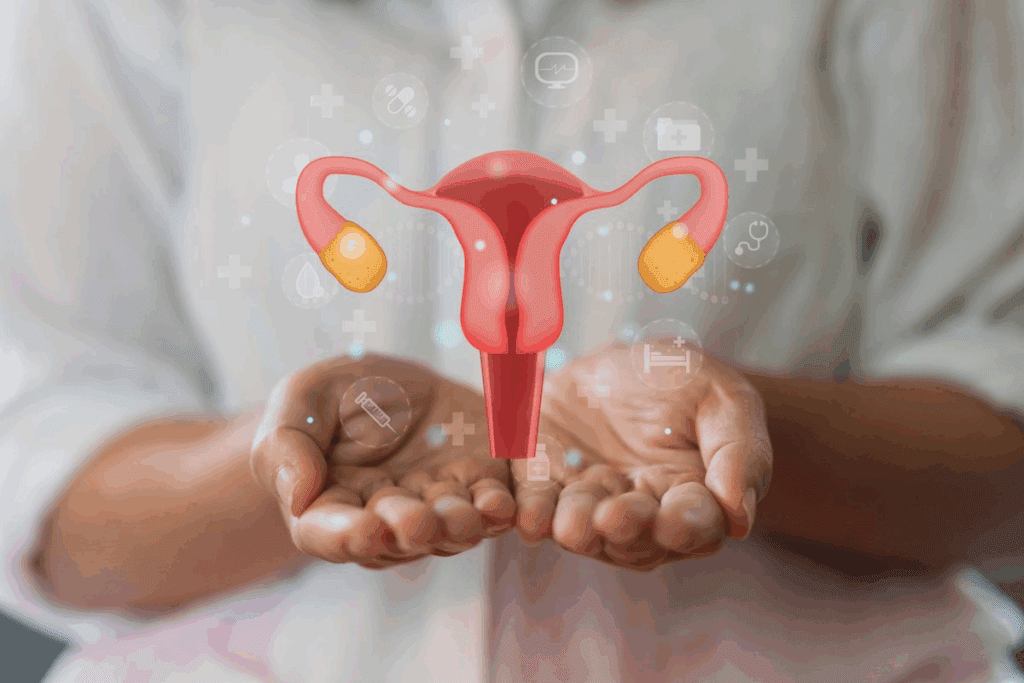
Intrauterine Insemination (IUI) is a hope for those facing infertility. It’s a fertility treatment that helps many people conceive. Knowing what IUI is and its purpose helps patients understand its benefits and limits.
What Is Intrauterine Insemination?
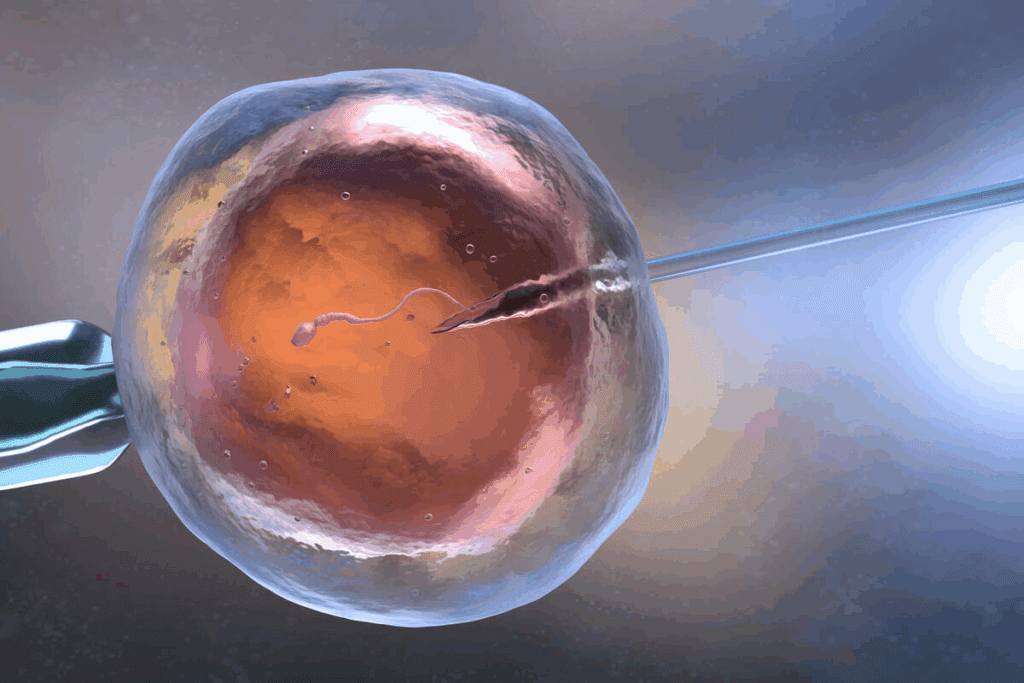
IUI puts specially prepared sperm into the uterus when ovulation happens. This method makes fertilization more likely by shortening the sperm’s journey to the egg. IUI is often suggested for those with unexplained infertility, mild male issues, or cervical problems. It’s less invasive and cheaper than IVF.
Common Reasons for Choosing IUI
Many choose IUI for several reasons. These include:
- Unexplained infertility
- Mild male factor infertility
- Cervical factor infertility
- Same-sex couples or single women seeking to conceive
IUI is chosen for its simplicity and cost-effectiveness. It’s also a gentler option for those not ready for more complex treatments.
The IUI Procedure Explained
The IUI process is simple and done in a fertility clinic. Here’s what happens:
- Monitoring: The cycle starts with tracking to find the best time for insemination.
- Sperm Preparation: A semen sample is prepared to focus on the healthiest sperm.
- Insemination: The sperm is then inserted into the uterus using a catheter.
The whole process is quick, and most women can go back to normal activities soon after.
| Step | Description |
|---|---|
| Monitoring | Determining the optimal time for insemination through ultrasound and hormonal monitoring. |
| Sperm Preparation | Preparing the semen sample to isolate healthy sperm. |
| Insemination | Inserting the prepared sperm into the uterus. |
Understanding IUI and its purpose helps in making informed fertility treatment choices. Knowing what to expect and the success rates aids in the journey to parenthood.
Average IUI Success Rates: The Big Picture

Learning about Intrauterine Insemination (IUI) success rates helps people make smart choices about fertility treatments. Success rates depend on age, fertility meds, and health issues. Even though results differ, stats give a general idea of what to expect.
Overall Success Rates Per Cycle
IUI success rates range from 5% to 15% per cycle. This means 5 to 15 out of 100 women might get pregnant in one cycle. Success can depend on age, sperm quality, and fertility issues.
Cumulative Success Rates Over Multiple Cycles
While single-cycle success rates are low, success over many cycles is higher. Studies show 90 to 95 percent of IUI pregnancies happen in 3 to 4 cycles. This shows that sticking with IUI can increase your chances of success.
Do IUIs Work? Understanding the Statistics
To grasp IUI’s effectiveness, let’s look at the numbers. The table below shows success rates over several IUI cycles.
| Cycle Number | Cumulative Success Rate |
|---|---|
| 1 | 5-15% |
| 2 | 10-25% |
| 3 | 20-40% |
| 4 | 30-50% |
“The cumulative effect of multiple IUI cycles can significantly improve the chances of pregnancy, making it a viable option for many individuals and couples.”
Fertility Specialist
In conclusion, while success rates vary per cycle, the overall success over many cycles is more promising. By knowing these stats and consulting with fertility experts, you can make better choices for your treatment.
How Many IUI Cycles Before Success: The Research Data
Studies have shown how many IUI cycles it takes to achieve success. They give us insights into IUI success rates. This helps patients know what to expect and when to look at other options.
The 90-95% Success Within 3-4 Cycles Pattern
Research shows most IUI successes happen in the first few cycles. About 88 percent of successful IUIs occur within three cycles. And around 95 percent within four cycles. This means the chances of success are highest in the first tries.
Why Most Successes Occur Within First Three Attempts
There are many reasons for the high success rate in the first three cycles. The quality of sperm, the timing of the procedure, and the health of those involved are key. Fertility medications also help increase success chances in early cycles.
Average IUI Attempts Before Pregnancy
While results vary, knowing the average number of IUI attempts is helpful. Most people succeed in three to four cycles, matching the research data.
It’s vital for patients to talk to their healthcare provider about their situation. Understanding the research and individual factors helps make informed decisions about IUI treatment.
First IUI Cycle: What Are Your Chances?
Knowing the chances of a successful first IUI cycle is key for those thinking about fertility treatments. The path to parenthood through IUI is filled with hope. Knowing what to expect can help prepare emotionally and mentally.
Chances of IUI Working First Time
The success rate of IUI on the first try varies a lot. This depends on age, sperm quality, and fertility issues. The chances are influenced by any fertility conditions and the health of both individuals.
Key factors that affect the success rate include:
- Age: Women’s age is a big factor, with younger women having higher success rates.
- Sperm Quality: The quality and movement of sperm are key to IUI success.
- Fertility Medications: These can help by improving ovulation and egg count.
What Is the Success Rate for IUI First Try?
Studies show the success rate per IUI cycle is 5% to 15%. But, the first cycle can be more promising for some. A study in the Journal of Assisted Reproduction and Genetics found a 10% to 12% success rate for women under 35 in their first cycle.
| Age Group | Success Rate for First IUI Cycle |
|---|---|
| Under 30 | 12% |
| 30-34 | 10% |
| 35-39 | 7% |
| 40 and above | 3% |
Factors That Improve First Cycle Success
To boost the chances of a successful first IUI cycle, several factors can be improved. These include:
“Timing is everything in IUI treatment. Ensuring that the insemination occurs at the optimal time in a woman’s cycle is critical for success.” – Medical Expert, Fertility Specialist
Also, a healthy lifestyle, stress management, and close monitoring under a fertility specialist’s guidance can help. These steps can lead to a successful outcome.
By understanding these factors and working with a healthcare provider, individuals can increase their chances of a successful first IUI cycle.
Second IUI Success Rate: Does It Improve?
After the first IUI cycle, many couples wonder if they have better chances the second time. The success rate of the second IUI cycle is key for those continuing their fertility journey.
Success Rate of 2nd IUI Compared to First
Research shows the second IUI cycle might have a slightly higher success rate than the first. But, this can change based on many factors. Studies suggest that the chances of success increase with more cycles, giving hope to those who didn’t succeed first time.
Cumulative Success Rates: The first cycle’s success rate is usually around 5-15%. But, later cycles can boost the overall chances. For example, a study found that after three IUI cycles, the success rate can go from 30% to 50%.
What Changes Between First and Second Cycles
Between the first and second IUI cycles, several changes can be made to boost success. These include:
- Medication adjustments: Changing the type or dosage of fertility medications to optimize ovulation.
- Timing optimization: Ensuring that the IUI procedure is precisely timed with ovulation.
- Sperm preparation: Improving the quality of the sperm sample through various preparation techniques.
2nd IUI Success Stories and Statistics
Many couples have found success in their second IUI cycle, sharing their stories of hope and perseverance. Statistics back up these success stories, showing the second cycle can offer better chances.
Success Stories: Couples who succeeded in their second cycle often point to the adjustments made after their first cycle. Their stories emphasize the value of persistence and tailored treatment plans.
Third IUI Success Rate and Beyond
When couples try Intrauterine Insemination (IUI), knowing the success rates beyond the first tries is key. They must decide if to keep trying with IUI or look into other treatments like IVF. This choice is based on how well the next cycles might work.
3rd IUI Success Rate Data
The success rate for the third IUI cycle is often lower than the first two. The first cycle usually has the best chance of success. But, each cycle after that sees a drop in success rates.
Studies show that after three cycles, the success rate can be between 40% to 60%. This depends on age, the fertility meds used, and any fertility problems.
Cumulative Success Rates: A study found that after three IUI cycles, women under 35 could have a 50% chance of getting pregnant.
Success Rate of 3rd IUI vs Previous Attempts
Looking at the success rates of the third IUI cycle compared to earlier ones shows a drop. The first cycle might have a 15-20% success rate. But, by the third cycle, this rate can fall to 5-10%.
Factors Influencing Success: Age, sperm quality, and any fertility issues are big factors in IUI success.
Fourth Cycle and Beyond: Diminishing Returns
Thinking about doing more IUI cycles beyond the third? It’s important to know that success rates keep going down. By the fourth or fifth cycle, success rates can be as low as 1-3% per cycle. At this point, it’s time to think about the emotional and financial costs versus the benefits.
- Reevaluation: Couples should talk to their fertility specialist about changing their treatment plan.
- Alternative Options: Looking into other fertility treatments like IVF might be a better choice.
Knowing these trends and factors helps couples make smart choices about their fertility treatment.
Age and IUI Success: The Critical Factor
Age plays a big role in IUI success rates. It’s a key factor to consider for those thinking about IUI. We’ll look at how age impacts success and what it means for those looking into this treatment.
Success Rates By Age Group
IUI success rates change with age. Let’s see how success rates vary for women in different age groups:
- 25-29 years: Women in this age group have the highest success rates, often between 15% to 20% per cycle.
- 30-34 years: Success rates start to drop slightly for women in their early thirties, usually between 10% to 15% per cycle.
- 35 years and above: For women aged 35 and older, success rates drop more, often below 10% per cycle. This decline is sharper after age 38.
Why Age Significantly Impacts Outcomes
Age impacts IUI success for several reasons. The quality and quantity of eggs decline with age, making it harder to conceive. Older age also increases the risk of chromosomal abnormalities, which can affect pregnancy viability.
Key factors influenced by age include:
- Egg quality and quantity: As women age, fewer eggs are available for fertilization, and the chance of chromosomal abnormalities increases.
- Hormonal changes: Age can affect hormone levels and balance, impacting ovulation and fertility.
- Overall health: Older individuals may have health concerns that can affect fertility and IUI success.
When Age Suggests Moving to Other Options
While IUI is an option for many, age is a big factor in its success. For women over 35, and even more so over 38, success rates drop a lot. At this point, we often suggest looking into more advanced treatments like IVF, which might have better success rates.
Prospective parents should talk to a fertility specialist about their age, health, and other fertility factors. This discussion can help decide the best treatment plan and timeline.
Medical Factors Affecting IUI Treatment Success Rate
Many medical factors can affect how well IUI treatment works. It’s important for both patients and doctors to understand these factors. This knowledge helps make better decisions and increases the chances of a successful pregnancy.
Impact of Fertility Medications
Fertility medications are key in IUI treatment. They help stimulate ovulation and boost pregnancy chances. Clomid and Gonadotropins are two common medications used.
Clomid is often the first choice because it’s affordable and easy to take. But, it might not work as well for everyone, mainly those with more complex fertility issues.
Gonadotropins are more powerful and can be more effective. They’re better for women who don’t respond to Clomid or have specific fertility problems. But, they’re pricier and need to be injected.
| Medication | Administration | Effectiveness | Cost |
|---|---|---|---|
| Clomid | Oral | Moderate | Lower |
| Gonadotropins | Injection | Higher | Higher |
Male Factor Infertility and IUI Outcomes
Male infertility is a big factor in IUI success. The quality and number of sperm greatly affect pregnancy chances through IUI.
Issues like low sperm count, poor motility, or abnormal shape can lower success rates. In these cases, treatments like sperm washing or other fertility options might be needed.
Female Fertility Conditions and Success Rates
Female fertility issues also impact IUI success. Conditions like endometriosis, PCOS, and tubal damage can affect ovulation and fertilization.
Managing these conditions with the right medical care can improve IUI success. For example, treating endometriosis or managing PCOS with medication can help.
By carefully looking at these medical factors, doctors can create personalized IUI plans. This approach can help increase success rates.
How Many IUIs Before IVF? Making the Transition Decision
Deciding when to switch from intrauterine insemination (IUI) to in vitro fertilization (IVF) is key. This choice depends on age, diagnosis, and past treatment results.
Evaluating Your Personal Success Trajectory
It’s important to look at your success with IUI before choosing IVF. Consider your age, sperm quality, and any fertility issues.
Key factors to consider:
- Age: Women over 35 might need to switch to IVF sooner because egg quality and quantity drop.
- Sperm quality: If sperm quality is low, IVF might be a better option.
- Fertility conditions: Issues like endometriosis or tubal damage can make IVF more likely to succeed.
Cost-Benefit Analysis of Multiple IUI Cycles vs. IVF
It’s important to weigh the costs of IUI cycles against IVF. IUI is cheaper per cycle, but multiple attempts can add up.
| Treatment | Cost per Cycle | Success Rate per Cycle | Cumulative Cost for Pregnancy |
|---|---|---|---|
| IUI | $500-$1,000 | 5-15% | $3,000-$10,000 |
| IVF | $15,000-$20,000 | 40-50% | $15,000-$40,000 |
The table shows the costs and success rates of IUI and IVF. It helps patients make a smart choice.
When Specialists Recommend Moving to IVF
Fertility experts suggest IVF in specific situations. These include:
- Not getting pregnant after 3-4 IUI cycles.
- Being over 38 years old.
- Having tubal damage or blockage.
- Severe male infertility.
Understanding these points and your own situation helps you decide when to move from IUI to IVF.
Maximizing Your IUI Procedure Success Rate
To boost your chances of success with IUI, you need a plan that includes lifestyle changes, medical advice, and emotional support. By using these strategies, you can greatly increase your chances of a successful outcome.
Lifestyle Modifications to Improve Outcomes
Some lifestyle modifications can really help your IUI success rate. Here are a few:
- Maintaining a healthy weight to boost fertility
- Quitting smoking and staying away from secondhand smoke
- Limiting alcohol and avoiding drugs
- Managing stress with meditation or yoga
- Eating well with lots of fruits, veggies, and whole grains
These changes not only help with fertility but also improve your overall health.
Working With Your Fertility Specialist
Working with your fertility specialist is key to success. This means:
- Following their advice on medication and treatment
- Going to all appointments and keeping up with monitoring
- Talking openly about your experiences and any side effects
- Understanding your treatment and asking questions
By working closely with your specialist, you can make your treatment fit your needs better, increasing your chances of success.
Timing and Monitoring Optimization
Getting the timing and monitoring right for your IUI is critical. This includes:
- Precise timing of the IUI procedure with ovulation
- Careful monitoring of follicle growth through ultrasound
- Adjusting treatment based on how you respond to meds
Getting the timing and monitoring right can greatly improve your IUI success rate.
Emotional Support During Multiple Cycles
The emotional side of going through multiple IUI cycles is important. It’s key to:
- Seeking emotional support from loved ones or support groups
- Using stress-reducing techniques to handle anxiety and frustration
- Keeping a positive outlook by focusing on the possibility of success
By focusing on the emotional side of IUI treatment, you can deal with the challenges better and stay focused on your goal of success.
Conclusion: Navigating Your IUI Journey With Realistic Expectations
As we wrap up our look at IUI success rates, it’s clear that a balanced approach is key. Having realistic expectations is vital. It helps patients make informed choices and prepare for what might happen.
IUI success rates change based on age, health, and how many cycles you try. Knowing these stats and the factors that influence them helps patients on their IUI path.
It’s important to stay positive but also know the possible outcomes. Working closely with a fertility specialist is recommended. This way, patients can increase their chances of success and enjoy their IUI journey more.
FAQ
What is the average number of IUI cycles before achieving pregnancy?
Most people get pregnant in the first three to four IUI cycles. The success rate is about 90-95% in this time.
What are the chances of IUI working on the first try?
The first try’s success rate for IUI varies. It’s usually between 5-15% per cycle. Age, fertility meds, and health can change this rate.
How does the success rate of the second IUI compare to the first?
The second IUI cycle’s success rate is often similar or a bit higher than the first. This depends on many factors, like changes made and individual health.
What is the success rate of a third IUI cycle?
The third cycle’s success rate is lower than the first two. But, the overall success over three cycles is higher. Results vary by person.
How many IUIs should I attempt before considering IVF?
Deciding to switch to IVF depends on many things. Age, health, and past IUI results are key. Usually, after three to four cycles, IVF is considered.
Does age affect IUI success rates?
Yes, age is very important for IUI success. Women under 35 have higher success rates. Rates drop sharply after 35.
Can lifestyle modifications improve IUI success rates?
Yes, healthy lifestyle choices can help. Keeping a healthy weight, reducing stress, and avoiding harmful substances can improve IUI success.
How do fertility medications impact IUI success rates?
Fertility meds like Clomid and gonadotropins can help. They stimulate ovulation and improve egg quality, boosting IUI success.
What role does male factor infertility play in IUI outcomes?
Male infertility can greatly affect IUI success. Sperm count, motility, and shape are key factors in IUI success.
How can I maximize my chances of success with IUI?
To increase IUI success, work closely with a fertility specialist. Optimize timing and monitoring. Stay healthy and consider fertility meds when needed.
References
- Zippl, A. L., et al. (2022). Predicting success of intrauterine insemination using a clinical scoring system: A prospective observational cohort study. PLoS One, 17(9), e0273725. https://pmc.ncbi.nlm.nih.gov/articles/PMC9519724/