
A Holter monitor is a portable device that records the heart’s electrical activity for 24 to 48 hours. It’s a non-invasive test used to diagnose heart conditions. This is important for patients who have had stent placement or angioplasty. How many leads does a holter monitor have? Get the accurate facts fast. Understand the placement for best signal quality and heart tracking.
We use Holter monitors to track the heart’s electrical activity over a long time. This gives us important insights into how well the heart is working. It helps us see if treatments are working and if there are any heart problems.
Key Takeaways
- A Holter monitor is used for prolonged heart monitoring.
- It records the heart’s electrical activity over 24 to 48 hours.
- This device plays a crucial role in diagnosing heart conditions following procedures such as stent placement.
- Electrocardiogram (ECG) data from Holter monitors aid in assessing cardiac health.
- Holter monitoring is a non-invasive and valuable tool in cardiac monitoring.
Understanding Holter Monitors
For people with heart issues, Holter monitors are a key tool. They help us watch the heart’s activity for a long time. This gives us important info about heart health.
What is a Holter Monitor?
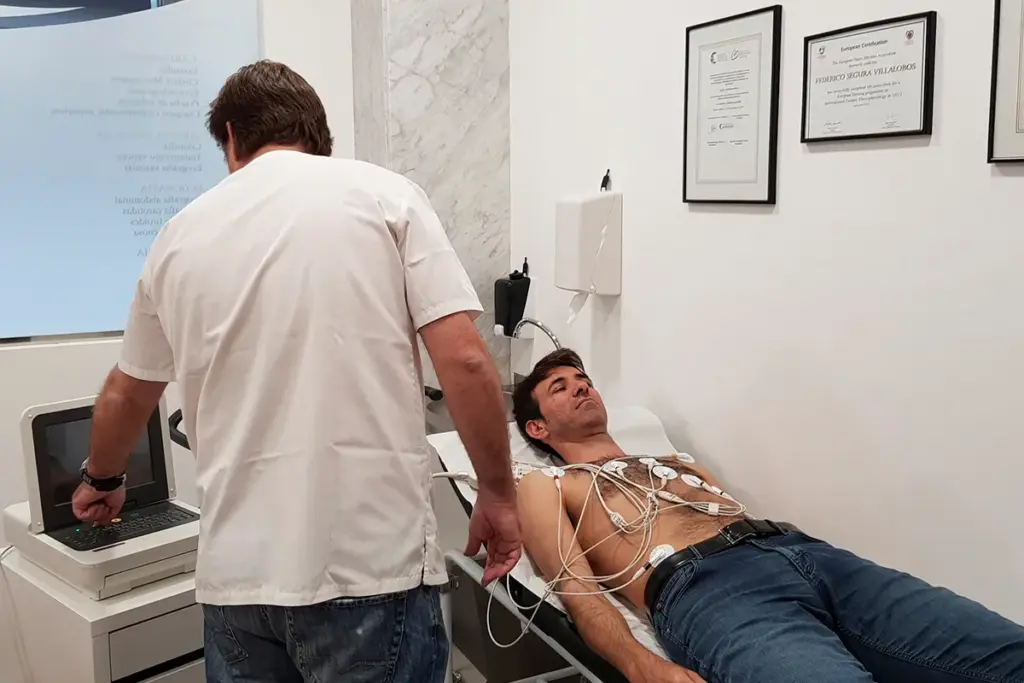
A Holter monitor is a small, wearable device. It records the heart’s electrical activity for 24 to 48 hours or more. It’s an electrocardiogram (ECG) monitoring device that checks the heart’s rhythm and finds any problems.
The device has electrodes on the chest that connect to a small recorder. This recorder saves the data for doctors to look at later. Holter monitors are great for finding issues like arrhythmias and palpitations that a regular ECG might miss.
Purpose of Holter Monitoring
The main goal of Holter monitoring is to find and watch heart problems. It’s very helpful for those who have had stent placement or coronary angioplasty. It helps keep an eye on their heart health after these procedures.
- Diagnose arrhythmias and other heart rhythm disorders
- Monitor the effectiveness of treatments for heart conditions
- Detect episodes of ischemia or reduced blood flow to the heart
- Assess the risk of heart-related complications
Knowing how Holter monitors work and their benefits helps patients see their value. They play a big role in managing heart health.
The Number of Leads in a Holter Monitor
The number of leads in a Holter monitor is key to its work. Holter monitors are used for continuous cardiac monitoring. They give important data on heart activity over a long time.
Standard Lead Placement
A Holter monitor usually has 3 to 12 leads. The most common are 3 or 5 leads. These leads are placed to get a full view of the heart’s electrical activity. The placement of these leads is very important for accurate monitoring.
Variations in Lead Count
The number of leads can change based on the monitoring needs and the patient’s health. For example, patients who have had stent placement or angioplasty might need more leads for detailed monitoring.
A medical expert said, “The choice of lead configuration can greatly affect the results of Holter monitoring.”
“The best lead configuration is one that gets detailed cardiac data without hurting the patient’s comfort or mobility.”
In summary, the number of leads in a Holter monitor varies. It’s adjusted for each patient, considering their medical history and the heart condition being monitored.
Benefits of Using Holter Monitors
Holter monitors have changed cardiology by watching the heart all the time. They are key for finding and treating heart problems. We’ll look at how Holter monitors help by watching the heart always and spotting heart issues early.
Continuous Monitoring
Holter monitors watch the heart for 24 to 48 hours. This long watch catches heart rhythm problems that short tests miss. Continuous cardiac monitoring helps those with heart symptoms like palpitations or dizziness.
While wearing the Holter monitor, patients can live their day. It records their heart in real-time. This helps doctors link symptoms to heart activity for better diagnosis.
Early Detection of Heart Issues
Holter monitors find heart problems early, which is key for stent patients or those who had angioplasty. Finding problems early means doctors can act fast, avoiding big problems. For example, they can spot arrhythmias or ischemic episodes in heart disease patients.
“Continuous monitoring with Holter monitors has been shown to improve outcomes in patients with cardiovascular disease by enabling early detection and treatment of arrhythmias and other heart issues.”
The data from Holter monitors is very useful for heart patients. Doctors can see patterns and problems that short tests miss.
|
Benefit |
Description |
|---|---|
|
Continuous Monitoring |
Records heart activity over 24 to 48 hours, capturing intermittent disturbances. |
|
Early Detection |
Enables timely intervention for heart issues, improving patient outcomes. |
|
Correlating Symptoms |
Allows cardiologists to link symptoms with heart activity for accurate diagnoses. |
In summary, Holter monitors are very helpful. They watch the heart all the time and find heart problems early. This is very important for stent patients or those who had angioplasty, as it helps doctors act quickly.
How Holter Monitors Work
Holter monitors record and analyze the heart’s electrical activity. They capture the heart’s signals for 24 to 48 hours. This gives doctors valuable data.
Data Collection Process
First, electrodes are placed on the patient’s chest. These are connected to the Holter monitor. The device then records the heart’s electrical activity non-stop.
The electrodes are placed carefully to get accurate signals. The data is stored digitally in the monitor. This makes it easy to analyze later.
- Electrodes are attached to the chest to capture the heart’s electrical signals.
- The Holter monitor records the data continuously over the monitoring period.
- The recorded data is stored digitally for later analysis.
Analyzing the Collected Data
After the monitoring ends, doctors analyze the data. They look at the ECG data for any heart rhythm or electrical activity issues.
This analysis is key for diagnosing heart problems linked to coronary stents and angioplasty. Doctors can see how well the heart is working and spot any issues early.
Key aspects of data analysis include:
- Identifying arrhythmias and other rhythm disturbances.
- Assessing the heart’s response to various activities and stressors.
- Evaluating the effectiveness of treatments, such as those related to coronary stents and angioplasty with stenting.
Preparing for a Holter Monitor Test
To get the most out of your Holter monitor test, it’s key to know how to prepare. We’ll walk you through the steps to make sure you’re ready for the test.
Steps Before the Procedure
Before the Holter monitor test, there are important steps to take. First, you’ll visit our facility for setup. A technician will attach electrodes to your chest and connect them to the device. Wear loose, comfy clothes to help with the electrode attachment.
Pre-Test Preparations:
- Shower or bathe before the test, as you won’t be able to get the electrodes wet.
- Avoid applying lotions, oils, or creams on your chest area, as they can interfere with electrode adhesion.
- Tell your doctor about any medications you’re taking.
What to Expect During Monitoring
During the monitoring period, which is usually 24 to 48 hours, you’ll need to keep a diary. This diary is key for linking your activities and symptoms with the Holter monitor’s data.
Tips for Effective Monitoring:
- Keep the Holter monitor device dry; avoid swimming or bathing.
- Continue with your normal daily activities unless your healthcare provider tells you not to.
- Write down any unusual heart rhythms or symptoms in your diary.
By following these tips and knowing what to expect, you can help make the Holter monitor test a success. This will aid in accurate diagnosis and treatment planning.
Who Should Get a Holter Monitor?
We suggest Holter monitoring for those with heart symptoms. Holter monitors help find heart issues that a regular ECG might miss.
Recommended Patients
People with palpitations, dizziness, or chest pain should get a Holter monitor. These signs can point to serious heart problems that need watching.
Conditions That May Require Monitoring
Some heart conditions need a Holter monitor. This includes arrhythmias, atrial fibrillation, and other heart issues. These can be caused by or worsened by stent placement or angioplasty.
After angioplasty or stent placement, a Holter monitor is helpful. It checks if the heart is okay. Also, people with heart disease or symptoms that disrupt their life might need one.
- Patients with unexplained palpitations or dizziness
- Individuals with a history of heart disease
- Those who have undergone cardiac procedures like stent placement or angioplasty
- Patients experiencing chest pain or other heart-related symptoms
Interpreting Holter Monitor Results
Understanding Holter monitor data is key. We look at heart rhythms and patterns over 24 to 48 hours. This helps spot any heart rhythm problems.
Understanding the Data
The Holter monitor data is rich. It shows heart rate changes, arrhythmias, and other heart events. Our healthcare experts carefully check this data to find issues like atrial fibrillation and bradycardia.
We review ECG recordings to see the heart’s electrical activity. This helps us find patterns or events that might not show up in shorter tests.
Common Outcomes of the Test
Results from a Holter monitor test can differ a lot. Here are some common findings:
- Arrhythmias, such as irregular heartbeats or palpitations
- Ischemia or evidence of reduced blood flow to the heart
- Heart rate variability, which can indicate overall heart health
For those who’ve had coronary angioplasty or have a stent, the results are very important. They show how well these treatments worked and if there are any problems.
|
Common Findings |
Clinical Significance |
|---|---|
|
Arrhythmias |
May indicate underlying heart conditions or the need for further evaluation |
|
Ischemia |
Can signal reduced blood flow to the heart, potentially requiring intervention |
|
Heart Rate Variability |
Provides insights into the autonomic nervous system’s control over heart rate |
Knowing these results helps doctors create better treatment plans. This improves patient care and outcomes.
Risks and Limitations of Holter Monitoring
Holter monitoring has many benefits but also some risks and limitations. Healthcare providers need to know about these to take good care of patients. We will look at what patients might face during and after the monitoring.
Potential Discomfort
One big worry is the discomfort or skin irritation from the electrodes. Some might get mild skin irritation or an allergic reaction to the adhesive. Keeping the skin clean and dry before applying the electrodes can help.
The Holter monitor itself can also be uncomfortable. It’s big and needs to be worn for 24 to 48 hours. Patients should avoid tight clothing to keep the device comfortable.
Limitations of Continuous Monitoring
Even though Holter monitors give valuable data, they have limits. The data might not show a patient’s true condition if symptoms don’t happen during monitoring. We suggest patients keep a symptom diary to log any unusual feelings or symptoms.
Patients who have had angioplasty or stents need extra care. The main risks are skin irritation from the electrodes, not the monitoring itself. We watch these patients closely and quickly address any concerns.
In summary, Holter monitoring is a useful tool but comes with risks and limits. Knowing these helps healthcare providers take better care of patients, even those with complex heart histories.
Maintenance and Care of Holter Monitors
Keeping your Holter monitor in good shape is key to getting accurate heart data. As a patient, knowing how to care for your device is very important. This ensures your Holter monitor works right during the monitoring time.
How to Properly Use a Holter Monitor
To get the best from your Holter monitor, follow some easy steps. First, make sure to keep it dry. Don’t put it in water, as it can harm the electronics and mess up the data. You can do your usual things, but be careful when doing things that might get it wet, like bathing or swimming.
Key tips for using your Holter monitor:
- Keep the monitor dry and avoid water exposure.
- Continue with your normal daily activities, with caution.
- Ensure the electrodes are securely attached to your skin.
- Keep a diary of your activities and any symptoms you experience.
Troubleshooting Common Issues
Even though Holter monitors are made to be reliable, problems can happen. If you run into issues, like loose electrodes or the monitor not recording, call your healthcare provider for help. Issues like skin irritation from the electrodes or the monitor coming loose are common.
Troubleshooting steps:
- Check that the electrodes are firmly attached.
- Ensure the monitor is turned on and functioning.
- If you experience skin irritation, consult your healthcare provider for advice on how to alleviate it.
By following these tips and being careful with your Holter monitor, you can make sure the data is accurate and helpful for your healthcare provider. If you have any worries or questions, don’t hesitate to contact your healthcare team.
Alternatives to Holter Monitoring
For patients needing extended heart monitoring, there are options other than Holter monitors. These choices meet different needs and give doctors a variety of tools for diagnosis.
Event Monitors
Event monitors are a good alternative. They record the heart’s activity for longer than Holter monitors. They’re great for catching symptoms that don’t show up during short Holter monitoring periods.
Event monitors offer long-term data, helping find conditions that aren’t obvious right away. They’re also patient-friendly, letting people keep up with their daily lives while being watched.
Other Heart Monitoring Devices
There are more heart monitoring tools, like implantable loop recorders and mobile cardiac telemetry systems. These devices keep an eye on the heart all the time. They’re really helpful for people who’ve had angioplasty or stent placement.
Implantable loop recorders can watch heart activity for years, giving deep insights into heart health. Mobile cardiac telemetry systems monitor in real-time, helping doctors act fast if something goes wrong.
These options give doctors more ways to help patients. They make sure patients get the best care for their health needs.
The Future of Holter Monitoring Technology
The world of cardiac monitoring is changing fast, thanks to new tech. Holter monitoring will be key in the future of heart care.
Advances in Monitoring Technology
New tech in Holter monitoring has made it more accurate and efficient. Digital signal processing has improved data quality, helping doctors make better diagnoses. Also, miniaturization has made devices smaller and more comfortable for patients.
Artificial intelligence (AI) and machine learning (ML) are now part of Holter monitoring. These tools quickly analyze lots of data, spotting patterns doctors might miss. This leads to quicker detection of problems and more tailored treatments.
Wearable Devices and Remote Monitoring
Wearable devices have changed how we monitor hearts. These devices are comfy and let patients be monitored all the time, without needing to stay in the hospital. This move towards wearable tech is part of a bigger trend towards remote monitoring.
Remote monitoring with wearable Holter devices means doctors can watch patients’ health in real-time, no matter where they are. This is great for patients with stents or those who’ve had angioplasty, as it lets doctors keep a close eye and act fast if needed.
Looking ahead, the mix of tech and healthcare will keep changing cardiac monitoring. With new wearable tech, AI, and remote monitoring, we’re set to see big improvements in patient care.
Frequently Asked Questions
Exploring Holter monitors raises many questions about their use and importance for heart health. We aim to clear up some common concerns and offer reassurance.
Common Queries About Holter Monitors
Many patients wonder about the purpose and benefits of Holter monitoring. This test is key for diagnosing and managing heart issues. It gives insights into heart rhythm and function over time.
For those with stents or who have had angioplasty, Holter monitoring is very important. It helps spot any problems linked to these procedures.
Understanding ECG and Heart Health
ECG readings from a Holter monitor show detailed heart activity. This lets doctors check heart health and find any issues. If you’re thinking about a Holter monitor test, you might have questions.
We’re here to help you understand what to expect and how results are interpreted. We’ll answer your questions and support you every step of the way.
FAQ
What is a Holter monitor and how is it used in cardiac monitoring?
A Holter monitor is a portable device that tracks the heart’s electrical activity for 24 to 48 hours. It helps diagnose and monitor heart conditions like arrhythmias. It also checks if treatments, like stent placement, are working well.
How many leads does a Holter monitor typically have?
A Holter monitor usually has 3 to 12 leads. The most common setup is 3 or 5 leads. The number of leads depends on the monitoring needs and the device type.
What is the purpose of Holter monitoring in patients with stents or those who have undergone angioplasty?
Holter monitoring checks the heart’s function after stent placement or angioplasty. It looks for arrhythmias, ischemia, or other complications during recovery.
How do I prepare for a Holter monitor test?
To get ready for a Holter monitor test, avoid getting it wet. Wear loose clothing that won’t rub against the electrodes. Keep a diary of your activities and symptoms during the test.
What are the benefits of using a Holter monitor?
Using a Holter monitor offers continuous heart monitoring. It can detect heart issues early. It also helps diagnose conditions that might not show up in shorter tests.
How are Holter monitor results interpreted?
A healthcare professional analyzes the data from a Holter monitor. They look for any heart condition signs or patterns in the recorded data.
Are there any risks or limitations associated with Holter monitoring?
Holter monitoring is usually safe, but there are risks. These include skin irritation, discomfort, and missing some heart activity types.
How do I care for my Holter monitor during the monitoring period?
To take care of your Holter monitor, keep it dry. Avoid water and follow the manufacturer’s use and maintenance instructions.
What are the alternatives to Holter monitoring?
Alternatives include event monitors, implantable loop recorders, and other heart monitoring devices. They depend on the specific monitoring needs.
How has Holter monitoring technology evolved in recent years?
Holter monitoring technology has improved. It now has wireless connectivity, better data analysis, and more storage. This makes monitoring and diagnosing heart conditions easier.
Can I shower or bathe while wearing a Holter monitor?
It’s best to avoid getting your Holter monitor wet. Showering or bathing might not be allowed. But, some devices are waterproof, so always check the manufacturer’s instructions.
How long does it take to receive the results of a Holter monitor test?
The time to get Holter monitor test results varies. It depends on the data complexity and the healthcare provider’s workload. But, it’s usually within a few days to a week.
National Center for Biotechnology Information. Evidence-Based Medical Insight. Retrieved from https://www.ncbi.nlm.nih.gov/pmc/articles/PMC4458870/https://www.ncbi.nlm.nih.gov/pmc/articles/PMC4458870/



 Departments
 Related Videos
 Our Doctors
 News
News