

Over 2 million PET scans are done yearly in the United States. This has raised worries about the long-term effects of radiation from these tests. With new medical imaging tech, we’re doing more PET scans than ever. This makes us wonder about safety guidelines and if there’s a lifetime limit.
PET scans and PET/CT scans provide invaluable insights into the functioning of our bodies. They’re great for finding and treating diseases. But we need to consider what happens when we get scanned many times.
This article will look into the worries about how often we do PET scans. We’ll also talk about the differences between diagnostic imaging techniques. And we’ll look at the rules for using these scans. Our goal is to shed light on the safety of PET scans.
Key Takeaways
- PET scans are widely used in the United States, with over 2 million procedures annually.
- Concerns exist about the cumulative radiation exposure from repeated PET scans.
- Safety guidelines and lifetime limits for PET scans are essential for patient safety.
- Understanding the differences between PET scans and other diagnostic imaging techniques is critical.
- Current guidelines governing PET scan usage will be examined.
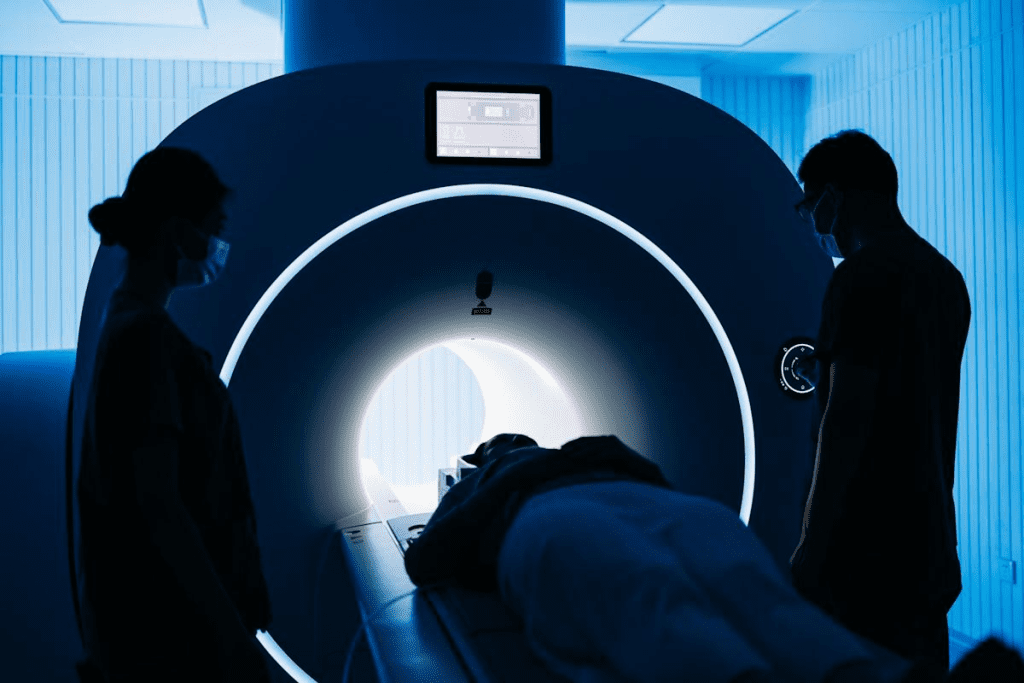
Understanding PET Scans: Basic Principles and Technology
Positron Emission Tomography (PET) scans give us a peek into how our bodies work. They are a special tool that uses a radioactive tracer to see how cells work. This helps doctors find and treat many health problems.
What is a PET scan?
A PET scan is a way to see inside the body using a tiny bit of radioactive material. This material, called a tracer, is injected into the body. It goes to areas where cells are growing fast, like in cancer.
The PET scanner picks up signals from the tracer. It makes detailed pictures of what’s happening inside the body.
How PET imaging works
PET imaging finds the radiation when a positron meets an electron. This creates gamma rays that the scanner catches. The scanner turns this data into images that show where the tracer is most active.
The main steps in PET imaging are:
- Injecting a radioactive tracer into the body
- Letting the tracer build up in the target area
- Scanning the body with a PET scanner to find the radiation
- Turning the data into detailed images of metabolic activity
Common applications of PET scans
PET scans are used in many ways in medicine. They are key in:
- Cancer diagnosis and staging: They help fdeterminehow far cancer has spread and if treatment iworks
- Neurological disorders: They help diagnose and study diseases like Alzheimer’s, Parkinson’s, and epilepsy.
- Cardiovascular disease: They check how well the heart iworksand help decide treatment.
Knowing how PET scans work helps doctors use them better. This leads to more accurate diagnoses and better treatments.
Radiation Exposure from PET Scans
PET scans are used in medicine but raise questions about radiation exposure. They use small amounts of radioactive tracers to diagnose and monitor health conditions. This includes cancer and neurological disorders.
Types of Radiation in PET Scanning
PET scans use positron-emitting radionuclides that release positron radiation. When a positron meets an electron, it creates gamma rays. These rays are what the PET scanner detects to make detailed images of the body.
- Positron emission: The process by which a radionuclide emits a positron.
- Gamma radiation: The type of radiation detected by PET scanners.
- Annihilation radiation: The result of a positron-electron collision.
Measuring Radiation Dose: mSv Explained
.The dose from a PET scan is measured in millisieverts (mSv). The mSv measures the biological effects of radiation. The average annual background radiation is about three mSv. A PET scan’s dose is usually 5 to 7 mSv,but ian vary.
Cumulative Radiation Exposure Concerns
Cumulative radiation exposure is a concern because it increases the risk of harm, including cancer. The risk is low for one PET scan, but repeated scans can raise it. Healthcare providers must consider the benefits and risks, even for patients needing multiple scans.
- Assessing the necessity of each PET scan.
- Optimising scan protocols to minimize radiation dose.
- Monitoring cumulative radiation exposure for patients.
Understanding PET scanning’s radiation types, dose measurement, and cumulative exposure helps. Patients and healthcare providers can make better decisions about PET scans.
Safety Guidelines for PET Scan Frequency
PET scan frequency guidelines are key to balancing benefits and risks. The medical world keeps checking how safe PET scans are. They want to make sure patients get the info they need without too much radiation.
Medical Consensus on PET Scan Limits
The rules for PET scans are changing as new studies come out. There’s no one rule for how many scans a patient can have. Doctors look at each case differently, based on the patient’s health and current situation.
Key factors influencing these decisions include:
- The type of PET scan being performed
- The patient’s overall health and medical history
- The specific information needed for diagnosis or treatment monitoring
Risk vs. Benefit Assessment
Doctors weigh the good and bad of PET scans before deciding how often to use them. They look at how helpful the scan will be and the risk of radiation.
The benefits of PET scans include:
- Accurate diagnosis and staging of diseases
- Monitoring of treatment response
- Guidance for surgical or radiation therapy interventions
Factors that Influence Safe Frequency
Many things affect how often PET scans can be safely done. These include the patient’s age, any ongoing health issues, and past radiation exposure. Kids are extra careful with because they’re more sensitive to radiation.
Healthcare providers follow these guidelines to make sure PET scans are used wisely and safely.
The Difference Between CT Scan and PET CT Scan
It’s important to know the difference between CT scans and PET/CT scans. Both are used in medical diagnosis but in different ways. They offer different kinds of information.
Basic Principles of Each Technology
A CT scan uses X-rays to show detailed images of the body’s inside. It focuses on the body’s structures like organs and bones.
A PET/CT scan combines PET’s functional info with CT’s detailed images. PET scans use a radioactive tracer to show active areas, like cancer.
What Each Scan Detects
CT scans are great for finding structural problems like injuries and tumors. They give clear images of the body’s parts.
PET/CT scans, though, show both the body’s structure and its metabolic activity. This is why they’re key in finding and tracking cancer, and in checking how treatments work.
Combined Benefits of PET/CT Fusion
PET/CT scans offer a deeper look into the body’s inner workings. They combine anatomy and metabolic activity. This helps doctors make better treatment plans.
Using PET/CT scans can lead to better cancer detection and treatment tracking. They also help guide biopsies and other medical procedures more accurately.
CT Scan vs PET CT Scan: Radiation Exposure Comparison
It’s important to know how much radiation CT scans and PET/CT scans give off. Both use radiation, but the amount and type differ.
Radiation Levels in Standard CT Scans
CT scans use X-rays to show the body’s inside. The dose depends on the scan type, body part, and scanner. Usually, it’s between 2 to 10 millisieverts (mSv).
What affects CT scan radiation dose includes:
- Scan protocol and settings
- Patient size and body composition
- Scanner technology and efficiency
Radiation Levels in PET CT Scans
PET/CT scans mix PET and CT to show function and structure. The PET part uses radioactive tracers, like FDG, which emit positrons. The dose comes from both the CT and PET parts.
The PET dose depends on the tracer amount, usually in millicuries (mCi). A typical PET/CT scan’s total dose is 5 to 25 mSv or more. This depends on the tracer and CT scan details.
“The combination of PET and CT provides both detailed diagnostic info and a risk of radiation exposure. It’s key to weigh the benefits against the risks.” – Medical Imaging Expert
Cumulative Exposure Considerations
Getting many scans over time raises concerns about radiation exposure. The risk of cancer increases with more radiation. The total dose from all scans is what matters.
Things to think about for total exposure include:
- How often and what type of scans you’ve had
- The dose from each scan
- How long ago you had the scans
Doctors must think about the benefits and risks of scans, even more for those who’ve had many. Using the right scan settings and choosing other imaging methods can lower radiation exposure.
When Doctors Recommend PET Scans vs. CT Scans
Doctors choose between PET scans and CT scans based on the patient’s situation. This choice is key for making the right diagnosis and treatment plan.
Clinical Indications for CT Scans
CT scans are best for checking internal organs, bones, or blood vessels. They’re great in emergencies when quick results are needed. CT scans show detailed anatomy, helping spot problems like bleeding, fractures, or tumors.
They’re also used for guiding biopsies and other procedures. CT scans quickly show how severe injuries or diseases are. This makes them useful in many situations.
Clinical Indications for PET CT Scans
PET/CT scans are for patients with cancer or other metabolic issues. PET/CT scans combine function and anatomy, giving a full picture of the disease.
In cancer care, they help stage cancer, check treatment success, and find cancer return. They spot high metabolic activity, which means cancer cells.
Decision-Making Process for Scan Selection
Choosing between PET scans and CT scans depends on the patient’s history and symptoms. Doctors look at each scan’s strengths and weaknesses to pick the best one.
They consider the need for detailed anatomy, metabolic activity, and the patient’s health.
The aim is to pick the scan that gives the most useful information for patient care. Knowing when to use CT scans and PET/CT scans helps doctors make better choices for their patients.
Benefits of PET CT Over CT Scan
PET/CT scans have changed how we diagnose diseases. They combine two types of images to improve diagnosis and treatment plans. This makes them better than CT scans alone.
Functional vs. Anatomical Imaging Advantages
PET/CT scans give us both functional and anatomical images. CT scans show detailed body structures. PET scans show how tissues work. Together, they help doctors understand diseases better.
Key advantages include:
- Enhanced detection of cancerous tissues and metastases
- Improved assessment of treatment response
- Better differentiation between malignant and benign lesions
Improved Diagnostic Accuracy
Combining PET and CT scans makes diagnosis more accurate. Doctors can see how tissues work and their structure. This helps avoid mistakes and improves care.
A study in a medical journal showed PET/CT scans are more accurate than CT scans alone. They are best for cancer staging.
Impact on Treatment Planning
PET/CT scans help plan treatments better. They show how big tumors are and how active they are. This lets doctors create plans that fit each patient’s needs.
The benefits of PET/CT scans in treatment planning include:
- More accurate staging of cancer, guiding appropriate treatment choices
- Enhanced monitoring of treatment response, allowing for timely adjustments
- Improved patient stratification for clinical trials
In conclusion, PET/CT scans are better than CT scans for many reasons. They help with diagnosis, treatment planning, and more. As technology gets better, PET/CT scans will play an even bigger role in healthcare.
CT Scan and PET CT Scan Contrast: What You Need to Know
Knowing about contrast agents in CT and PET/CT scans is key for patients. These agents help make body structures or fluids clearer in medical images.
Types of Contrast Agents Used
Different contrast agents are used in CT and PET/CT scans. For CT scans, iodine-based contrast agents are often used. They absorb x-rays, making blood vessels and other structures visible.
In PET/CT scans, gadololinium-based or barium-based contrast agents might be used. But the main contrast comes from the radioactive tracer in PET scans.
Safety Considerations for Contrast Materials
The safety of contrast agents is a big concern. Most people do well with them, but there are risks. Contrast-induced nephropathy (CIN) is a risk, mainly for those with kidney disease. Drinking plenty of water before and after the scan can help lower this risk.
Allergic Reactions and Contraindications
Allergic reactions to contrast agents can happen, from mild to severe. If you have allergies or have reacted to contrast agents before, tell your doctor. Some conditions, like kidney disease or thyroid disorders, might mean you can’t use certain agents.
Talking to your healthcare provider about your medical history and any worries is vital before a CT or PET/CT scan with contrast.
Long-term Health Considerations of Multiple PET Scans
Multiple PET scans can lead to concerns about long-term health. As PET scans become more common, it’s important to know the risks. Both patients and healthcare providers need to understand these risks.
Cancer Risk Assessment
One big worry is the chance of getting cancer from many PET scans. Radiation exposure is linked to cancer, and getting more scans could raise this risk. But, the real risk is something researchers are debating.
A study in the Journal of the National Cancer Institute found a small link between imaging scans and cancer. But the actual risk is very low. The benefits of PET scans in serious conditions often outweigh the risks.
Genetic and Cellular Effects
Radiation from PET scans can also harm genes and cells. Ionizing radiation can damage DNA, which might lead to genetic mutations. While our bodies can fix some damage, too much radiation could be a problem.
“The risk of genetic damage from low doses of ionizing radiation is complex. We need more research to understand it fully.”
Special Considerations for Different Age Groups
The effects of PET scans vary by age. Children and adolescents are more vulnerable because their bodies are growing and they have more years ahead. On the other hand, older adults might face less risk because they have less time left.
Pregnant women also need special care. PET scans are usually avoided during pregnancy because of the risks to the baby. But, sometimes the benefits might outweigh the risks. Healthcare providers must carefully consider these factors for pregnant patients.
In summary, while multiple PET scans have risks, it’s important to weigh these against the scans’ benefits. This helps make informed decisions in healthcare.
CT and PET CT Scan Similarities and Differences in Patient Experience
The experience of getting a CT scan or a PET/CT scan can be different. This affects how you prepare, how comfortable you are, and what happens after the scan. Knowing these differences helps patients get ready better.
Preparation Requirements
Getting ready for a CT scan and a PET/CT scan has its own rules. For a CT scan, you might not eat or drink for a few hours before. This is because of the contrast material used.
PET/CT scans need more prep. You’ll need to fast for hours and avoid exercise for a day or two before. This helps the scan work better.
Contrast materials in CT scans are iodine-based or barium. They make certain areas show up better. PET/CT scans use a radioactive tracer, like FDG, to see how active your body is.
Duration and Comfort Factors
How long a scan takes can vary. But PET/CT scans usually take longer. This is because of the time needed for the tracer and extra imaging steps.
CT scans are quick, lasting just a few minutes. PET/CT scans can take 30 minutes to hours, including getting ready and the scan itself.
Both scans are usually comfortable, but some people might feel claustrophobic. PET/CT scans might make you stay very quiet for longer, which can be uncomfortable.
Post-Scan Considerations
After a CT scan, you can usually go back to normal right away. But if you had sedation, you might need to rest. For PET/CT scans, drinking lots of water helps get rid of the tracer.
Some people might need to stay away from pregnant women and young kids for a bit. This is because of the small amount of radiation left in your body.
Knowing these differences helps patients feel more ready for their scans. It can make them less anxious and improve their experience.
Cost Comparison: CT Scan versus PET CT Scan
The cost difference between CT scans and PET/CT scans is a big deal for patients and healthcare providers. Prices can change a lot based on where you are, the facility, and the technology used.
Average Costs in the United States
In the United States, a CT scan can cost between $200 and $1,000. This depends on how complex the scan is and if contrast material is used. PET/CT scans, being more advanced, can cost between $1,000 and $3,000 or more.
These prices are just estimates. They can really change based on who you see, where you are, and other things. It’s a good idea to ask your healthcare provider or insurance company for exact costs.
Insurance Coverage Considerations
Insurance coverage for CT scans and PET/CT scans can differ a lot. Most plans cover CT scans for diagnosis. But, how much they cover depends on if the doctor thinks it’s needed.
For PET/CT scans, insurance might be stricter. You might need to get approval or show it’s really needed. Always check your insurance before getting a scan to know what you’ll have to pay.
Value Assessment in Diagnostic Accuracy
CT scans show great detail of the body’s structure. But, PET/CT scans also show how well different parts of the body are working. This is really important for diagnosing and treating some diseases, like cancer.
Choosing between a CT scan and a PET/CT scan should be based on what you need to know about your health. Think about the costs and benefits of each option carefully.
Special Populations: Considerations for PET Scan Frequency
When it comes to PET scans, special groups like kids and pregnant women need extra care. Their health is different, and we must think about their safety and how well the scan works.
Pediatric Patients
Kids are special because their bodies are growing and they might be at risk from too much radiation. The Image Gently campaign says we should only use PET scans on kids when it’s really needed and try to keep the radiation low.
Deciding if a kid needs a PET scan is tough. We look at the scan type, how much radiation it uses, and the kid’s age and size. These things help us make a fair choice.
Pregnant and Nursing Women
Pregnant women are a special case because of the risk to the baby. We have to think hard about the benefits of a PET scan against the risks of radiation.
Guidelines for Pregnant Women: The American College of Radiology (ACR) says we should use PET scans on pregnant women carefully. We should think about the risks and benefits and look for other ways to get the same info.
“The decision to perform a PET scan during pregnancy should be made on a case-by-case basis, taking into account the clinical context and the possibility of alternative diagnostic methods.” – ACR Guidelines
Patients with Chronic Conditions
People with long-term illnesses, like cancer or brain disorders, might need PET scans often. How often depends on their health, the need for the scan, and the risk of too much radiation.
- Keeping an eye on how the disease is changing or how treatment is working.
- Changing treatment plans based on what the scan shows.
- Using less radiation by choosing other imaging options when we can.
By thinking about the special needs of these groups, doctors can use PET scans wisely. This makes sure these tools are safe and helpful for everyone.
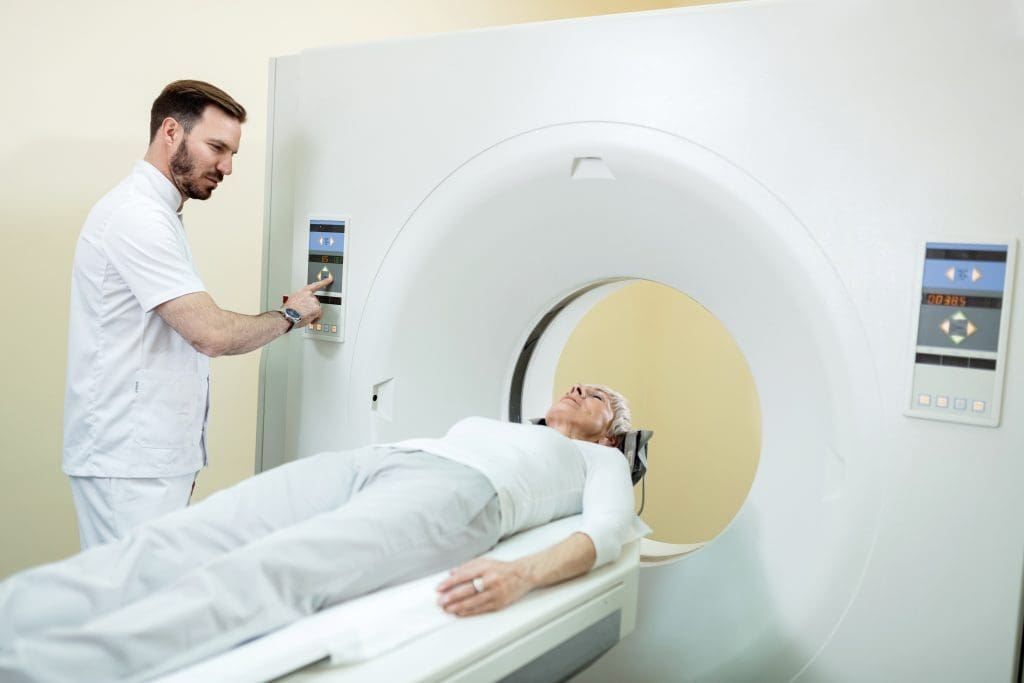
Conclusion: Making Informed Decisions About Imaging Studies
Choosing the right imaging study is key for accurate diagnosis and treatment. We’ve looked at PET scans and CT scans, their uses, advantages, and downsides.
It’s important to know how PET scans and CT scans differ. This includes their use of radiation and how well they diagnose problems. Patients and doctors should think about these factors when deciding on imaging tests.
Knowing what to expect from PET scans and CT scans helps patients feel more in control. As medical technology gets better, staying up-to-date on imaging studies is more important than ever.
https://www.ncbi.nlm.nih.gov/books/NBK559089
FAQ
What is the difference between a CT scan and a PET/CT scan?
A CT scan uses X-rays to show internal structures. A PET/CT scan adds PET technology to show metabolic activity. This gives both functional and anatomical information.
How often can you safely have a PET scan?
The safe frequency of PET scans varies by individual health needs. Guidelines suggest limiting exposure based on radiation dose. Healthcare providers decide on a case-by-case basis.
What are the benefits of PET/CT scans over CT scans alone?
PET/CT scans improve diagnostic accuracy by combining imaging types. This leads to better treatment planning and outcomes, mainly in cancer and neurological disorders.
How does radiation exposure from PET/CT scans compare to CT scans?
PET/CT scans have higher radiation exposure than CT scans due to PET technology. The total dose varies by specific protocols.
What are the clinical indications for choosing PET/CT scans over CT scans?
PET/CT scans are used for assessing metabolic activity, like in cancer staging or neurological disorders. CT scans are for anatomical imaging and structural abnormalities.
Are there any special considerations for PET scan frequency in pediatric patients?
Yes, pediatric patients need special consideration due to radiation sensitivity. The decision to perform PET scans is cautious, weighing benefits against risks.
What are the safety considerations for contrast agents used in CT and PET/CT scans?
Contrast agents in both scans have risks, like allergic reactions and kidney damage. Patients are checked for contraindications. Alternative methods are considered when needed.
How do the costs of CT scans and PET/CT scans compare?
PET/CT scans are more expensive than CT scans due to technology complexity and tracer cost. Insurance coverage and diagnostic value are also factors.
Can pregnant or nursing women undergo PET scans?
Pregnant or nursing women are usually advised against PET scans due to radiation risks. Alternative imaging methods are recommended.
What are the long-term health implications of having multiple PET scans?
Multiple PET scans may increase cancer and genetic risks due to radiation. The actual risk varies by individual, considering scan benefits.

























