
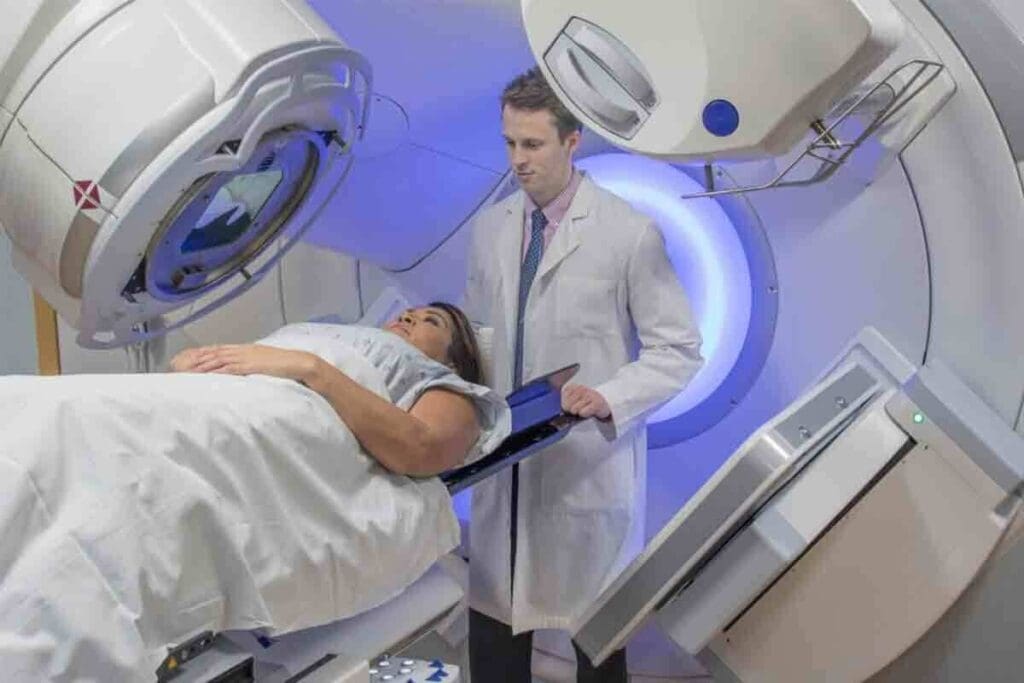
Knowing how many radiation therapy sessions are typical is key for those fighting cancer.
At LivHospital, we understand that the number of external radiation therapy sessions can change. This depends on the cancer type, treatment goals, and what each patient needs.Get the best answer to how many rounds of radiation is normal. Our ultimate guide gives powerful insights into treatment frequency and schedules.
Most patients get external radiation every day for five days a week. This goes on for three to seven weeks. So, they usually have 15 to 35 sessions.
Key Takeaways
- The number of radiation therapy sessions depends on cancer type and treatment goals.
- External radiation therapy is typically given once a day, five days a week.
- A typical course of external radiation therapy lasts between three and seven weeks.
- The total dose of radiation therapy is divided into smaller doses called fractions.
- Personalized factors influence the total number of radiation therapy sessions.
Understanding External Radiation Therapy Fundamentals
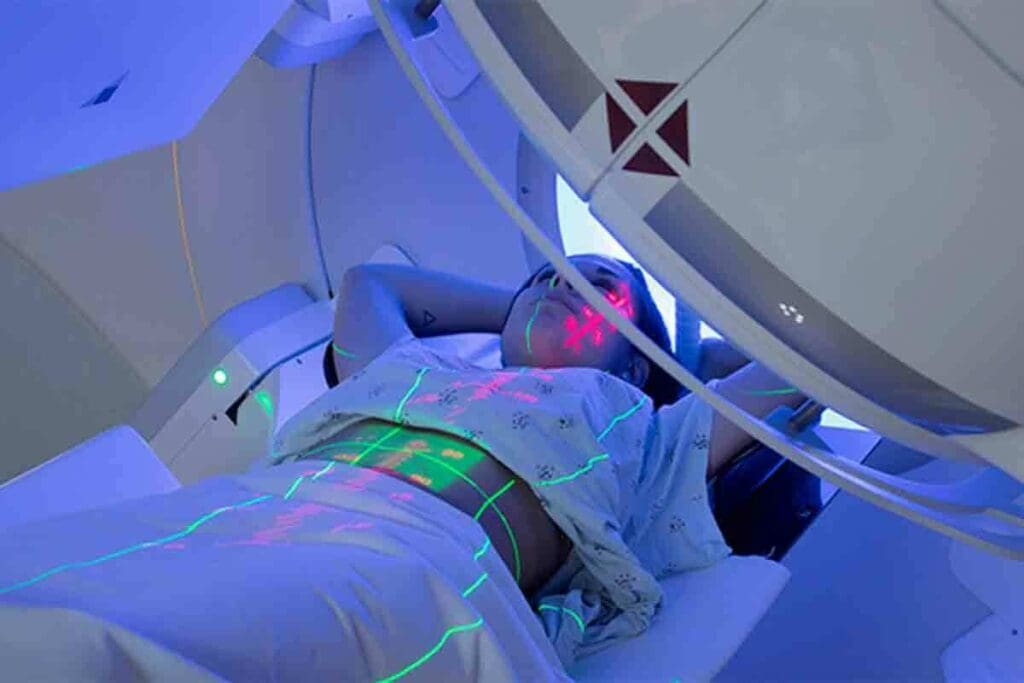
External-beam radiation therapy (EBRT) is a common treatment for cancer. It targets cancer cells with great precision. This method is effective because it treats a specific area of the body where the cancer is found.
What Is External-Beam Radiation (EBRT)?
EBRT sends radiation beams from a machine outside the body to kill cancer cells. It’s precise, delivering radiation directly to the tumor. This helps avoid harming healthy tissues nearby.
How Radiation Beams Target and Destroy Cancer Cells
Radiation beams from EBRT machines aim at cancerous tumors. These beams damage the DNA of cancer cells, stopping them from growing. The goal is to kill the tumor while keeping healthy tissues safe.
The Role of Radiation in Cancer Treatment
Radiation therapy, like EBRT, is key in fighting cancer. It can be used alone or with surgery and chemotherapy. The choice depends on the cancer type, stage, and location, and the patient’s health.
| Treatment Modality | Description | Use in Cancer Treatment |
| External-Beam Radiation Therapy (EBRT) | Delivers radiation beams from outside the body to target cancer cells | Used to treat various types of cancer, it can be used alone or in combination with other treatments |
| Surgery | Involves the physical removal of tumors or cancerous tissues | Often used in early-stage cancers or in combination with other treatments |
| Chemotherapy | Uses drugs to kill cancer cells or stop their growth | Can be used for systemic treatment, especially for cancers that have spread |
How Many Rounds of Radiation Is Normal for Cancer Treatment
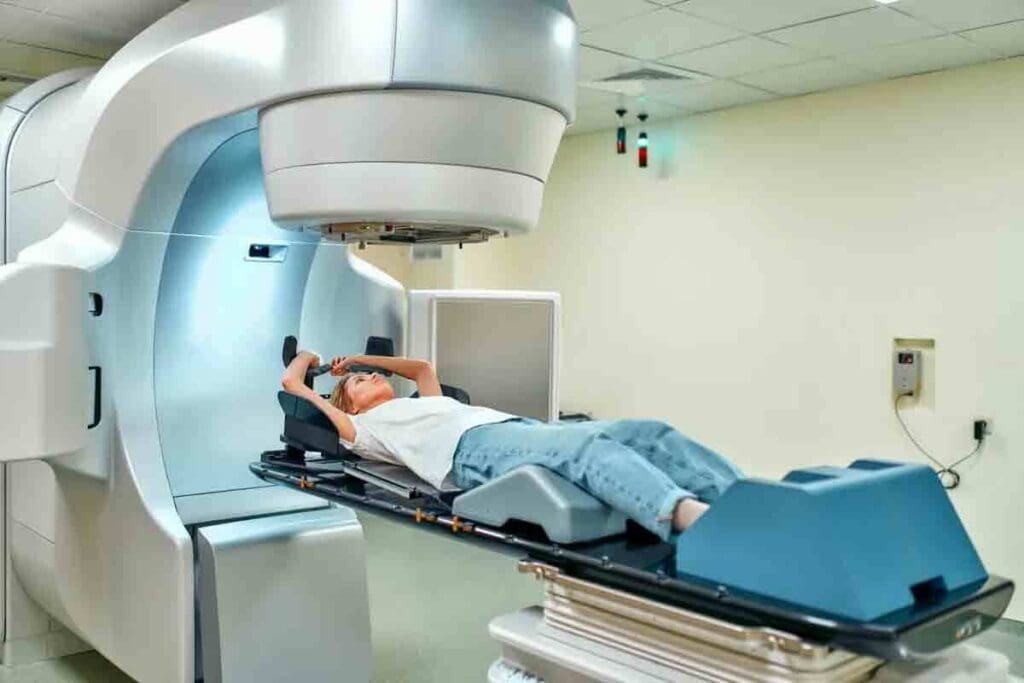
The number of radiation therapy sessions can change a lot. This depends on many things. We often talk about external radiation therapy. It’s a common way to treat different cancers.
Standard Range of 15-35 Treatment Sessions
Most people get between 15 and 35 radiation sessions. These sessions happen over weeks, giving the body time to heal. The exact number depends on the cancer and the patient’s health.
Key Factors That Determine Your Treatment Course
Several things decide how many radiation sessions you’ll have. These include:
- The size and location of the tumor
- The type of cancer being treated
- The reason for the treatment (curative or palliative)
- The patient’s general health and medical history
Knowing these factors helps us make a treatment plan just for you.
Why Treatment Plans Vary Between Patients
Every patient’s treatment plan is different. This is because each cancer and health situation is unique. For example, someone with a small tumor might need fewer sessions than someone with a bigger one.
Let’s look at some examples in a table:
| Cancer Type | Typical Number of Sessions | Factors Influencing Treatment |
| Breast Cancer | 15-25 | Tumor size, location, and patient health |
| Prostate Cancer | 20-35 | Cancer stage, patient’s overall health |
| Lung Cancer | 15-30 | Tumor size, location, and cancer stage |
As the table shows, the number of sessions can change based on the cancer and other factors. Our healthcare team works with each patient to find the best treatment plan.
Treatment Frequency: How Often Are Radiation Treatments Given?
Many patients ask how often they’ll need radiation treatments during cancer therapy. The treatment frequency is key to the plan’s success. It ensures the therapy works well without harming normal cells too much.
The Typical Five-Day Weekly Schedule
Most patients get external radiation once a day, five days a week. This routine lasts for weeks, based on the cancer type and stage. Keeping to this schedule helps balance the radiation dose to cancer cells and protects healthy ones.
Duration of Each Radiotherapy Beam Session
Each radiotherapy session is short, lasting 10 to 20 minutes. Though the radiation time is brief, the whole visit might take longer. This extra time is for getting ready and positioning correctly to target the radiation.
Weekend Breaks and Their Importance for Recovery
Treatments are given Monday to Friday, with weekends off. This break is vital for normal cells to recover from radiation. It lets the body fix and rebuild healthy tissues, lowering side effect risks.
| Day | Treatment Frequency | Purpose |
| Monday to Friday | Once a day | Deliver radiation to cancer cells |
| Saturday and Sunday | No treatment | Recovery time for normal cells |
Knowing the treatment schedule helps patients prepare for radiation therapy. It lets them plan their time better and feel less anxious about their treatment.
Cancer Specific Radiation Treatment Protocols
Understanding radiation therapy for different cancers is key to good treatment planning. Each cancer type has its own radiation treatment plan. We will look at these plans in detail.
Breast Cancer: Traditional vs. Hypofractionated Schedules (15-25 Sessions)
Breast cancer treatment can be traditional or hypofractionated. Traditional plans use daily treatments for weeks. Hypofractionated plans give higher doses in 15-16 fractions.
Prostate Cancer Radiation Approaches
Prostate cancer treatment plans vary based on the patient’s risk. Options include external beam radiation or brachytherapy. The number of fractions is adjusted for the best results.
Lung Cancer Treatment Timelines
Lung cancer treatment times depend on the cancer’s stage and type. Early-stage disease might need just a few fractions. Advanced cases require more complex plans.
Head and Neck Cancer Radiation Courses
Head and neck cancer treatment plans are complex. They aim to protect sensitive areas. The treatment length and fractionation vary based on the tumor’s location and stage.
To show the differences in radiation treatment plans, let’s look at a table:
| Cancer Type | Typical Treatment Sessions | Treatment Duration |
| Breast Cancer | 15-25 | 3-5 weeks |
| Prostate Cancer | 20-40 | 4-8 weeks |
| Lung Cancer | 5-30 | 1-6 weeks |
| Head and Neck Cancer | 30-35 | 6-7 weeks |
Modern Beam Radiation Therapy Techniques
Advances in radiation therapy have led to new techniques for targeting tumors. These modern methods have made cancer treatment more effective and safer.
Conventional External Beam Radiation Delivery
Conventional external beam radiation therapy uses beams from outside the body to target tumors. It’s a long-standing method in cancer treatment. Beams are directed at the tumor, often from multiple angles.
Intensity-Modulated Radiation Therapy (IMRT)
Intensity-Modulated Radiation Therapy (IMRT) changes the intensity of radiation beams. This allows for higher doses to the tumor while protecting healthy tissues. It’s great for complex tumors.
3D Conformal Radiation Therapy
3D Conformal Radiation Therapy uses advanced imaging to create a 3D model of the tumor. It shapes radiation beams to fit the tumor, reducing harm to healthy tissues. This method is a big step up from traditional radiation therapy.
Pinpoint Radiation Treatment: Precision Targeting
Pinpoint radiation treatment, like Stereotactic Body Radiation Therapy (SBRT), is at the forefront of radiation oncology. It delivers focused, high-dose radiation in a few sessions. This is ideal for small, well-defined tumors and shortens treatment time.
These modern techniques have changed cancer treatment for the better. They offer better results and fewer side effects. Thanks to advanced technology and precise targeting, tumors can be treated more effectively than ever.
Hypofractionated Radiation: Fewer Treatments with Higher Doses
Recent advances in radiation therapy have led to the development of hypofractionated treatment. This method delivers higher doses in fewer fractions. It’s becoming key in treating various cancers.
How Shorter Treatment Courses Work
Hypofractionated radiation therapy gives higher doses in fewer sessions than traditional therapy. It’s great for tumors that respond well to high doses. This means patients get treatment faster, improving their quality of life.
This new approach is changing how we treat cancer with radiation. It’s more efficient for patients and better uses resources.
Ideal Candidates for Hypofractionation
Not all cancer patients are right for hypofractionated radiation therapy. It depends on the cancer type, stage, size, and location, and the patient’s health. For example, early-stage breast or prostate cancer patients might benefit.
Key factors that determine suitability include:
- Tumor biology and sensitivity to radiation
- Cancer stage and progression
- Patient’s health status and tolerance to radiation
Comparing Effectiveness to Traditional Schedules
Studies show hypofractionated radiation can be as effective as traditional therapy for some cancers. It’s best for aggressive or fast-growing cancers.
We keep watching how patients do with hypofractionated radiation. We want to make sure it’s the best care possible.
Recent Advances in High-Dose Treatment Delivery
New radiation therapy techniques have made high-dose, few-fraction treatments safer. Intensity-Modulated Radiation Therapy (IMRT) and Stereotactic Body Radiation Therapy (SBRT) improve precision and safety.
These advances help treat tumors better while protecting healthy tissues. So, more patients can now get hypofractionated radiation therapy.
The Radiation Treatment Planning Process
Creating a good radiation treatment plan starts with a first meeting. This step is key to making sure the treatment hits the cancer cells right. It also helps keep healthy tissues safe.
Initial Consultation and Treatment Goals Assessment
The first step is a meeting between the patient and the radiation oncologist. The oncologist checks the patient’s health, reviews images, and discusses what the patient wants. This helps figure out the best way and amount of radiation to use.
Simulation and Treatment Mapping Procedures
After the first meeting, the patient goes through simulation and treatment mapping. This uses CT scans to find the tumor and plan the treatment area. Then, it maps the radiation beams to hit the cancer effectively while avoiding healthy tissues.
How Radiation Oncologists Calculate Your Specific Dosage
Figuring out the right dose of radiation is complex. It depends on the cancer type, size, location, and the patient’s health. Doctors use special software to find the best dose that works well and causes fewer side effects.
Customizing Your Treatment Schedule
After deciding on the dose, the treatment plan is made just for you. It decides how often and for how long you’ll get radiation. The goal is to make the treatment as effective and easy to handle as possible.
| Step | Description | Purpose |
| Initial Consultation | Assessment of the patient’s condition and discussion of treatment goals | Determine the most appropriate radiation therapy technique and dosage |
| Simulation and Treatment Mapping | Imaging studies to locate the tumor and plan radiation delivery | Ensure precise targeting of the tumor while sparing healthy tissues |
| Dosage Calculation | Complex algorithms to determine the optimal radiation dosage | Maximize efficacy while minimizing side effects |
| Treatment Schedule Customization | Deciding on the frequency and duration of radiation sessions | Maximize treatment efficacy and patient tolerability |
What to Expect During External Radiotherapy Sessions
Getting ready for your external radiotherapy sessions can help reduce anxiety. We’ll walk you through what happens during your daily visits, the radiation delivery, and post-treatment care.
Preparing for Your Daily Treatment Appointment
First, you’ll have a simulation session to map out the treatment area. This is key for accurate radiation delivery. On treatment days, arrive early to make any necessary preparations.
Follow your team’s instructions on what to wear and eat. You might need to wear loose clothes and avoid creams on the treatment area.
The Step by Step Process During Beam Radiation Delivery
During treatment, you’ll lie on a table while the therapist aligns the machine. The radiation is painless and quick, lasting just a few minutes.
Here’s what happens in a typical session:
- You’ll lie on the treatment table.
- The therapist will leave and control the machine from another room.
- The machine will move around you to hit the area from different angles.
- You’ll be watched through cameras and can talk to the therapist via intercom.
Post-Treatment Monitoring and Care
After treatment, you’ll be checked for side effects. Follow your team’s care instructions to manage any issues.
Side effects like fatigue, skin issues, and nausea might occur. Your team will help you manage these and stay comfortable.
| Side Effect | Management Tips |
| Fatigue | Rest as needed, maintain a balanced diet, and stay hydrated |
| Skin Irritation | Avoid harsh soaps, keep the area clean and dry, and apply recommended creams. |
| Nausea | Eat small, frequent meals, avoid strong odors, and consider anti-nausea medication. |
Weekly Check-ins with Your Radiation Oncology Team
You’ll have regular meetings with your team during treatment. These are important for tracking your progress and managing side effects.
Share any concerns or side effects during these meetings. Your team is there to support you.
Can You Get Radiation Treatment More Than Once?
Getting radiation treatment more than once is a complex issue. It depends on several important factors. Patients often worry about getting radiation therapy again. It’s key to address these worries fully.
Factors That Determine Eligibility for Repeat Radiation
Several factors determine whether a patient can receive radiation treatment again. The area treated before, the dose, and how long ago it was treated are key. We look at these to see if repeat radiation is possible.
The type of cancer, its stage, and the patient’s health also matter. Our radiation oncologists review each case carefully. They consider the previous treatment and the patient’s current health.
Tissue Tolerance and Cumulative Radiation Exposure
Tissue tolerance is vital in radiation therapy. Different body tissues can handle different amounts of radiation. After previous treatment, we check how much radiation the tissues can tolerate.
How much radiation a patient has had before is also important. We use new technology to reduce risks. This helps make the treatment safer and more effective.
Alternative Approaches When Retreatment Isn’t Possible
If radiation treatment can’t be repeated, we look at alternative approaches. This might include surgery, chemotherapy, or immunotherapy. It depends on the patient’s situation.
We work with patients to find the best treatment plan. Our goal is to provide care that meets their unique needs. We support them every step of the way.
Navigating Your Radiation Therapy Journey
Navigating radiation therapy means knowing the treatment process, managing side effects, and staying in touch with your radiation oncology team. We’ve covered the basics of radiation therapy, including external radiation and treatment plans for different cancers.
Understanding what to expect during treatment helps patients deal with their journey. The planning process, modern radiation techniques, and the chance for shorter treatments are key. They all play a part in how well the treatment works.
It’s important for patients to stick to their treatment plan and keep up with check-ups. Knowing about the possibility of needing more treatment helps too. This way, patients can get the best results and handle side effects well.
We aim to offer top-notch healthcare and support to patients worldwide. Our goal is to give patients the knowledge and care they need to successfully go through radiation therapy.
For more professional discussions, visit our Linkdin page.
FAQ
How many rounds of radiation therapy are considered normal?
The usual number of radiation sessions is between 15 and 35. They are spread over several weeks.
How often are radiation treatments given?
Patients usually get radiation therapy once a day. They do this five days a week, with weekends off.
What is external-beam radiation therapy (EBRT)?
External-beam radiation therapy (EBRT) is a common cancer treatment. It uses beams from a machine outside the body to kill cancer cells.
How long does each radiation treatment session last?
Each session is short, lasting 10 to 20 minutes. But, the whole appointment might take longer because of getting ready and positioning.
Why are weekend breaks important during radiation therapy?
Weekend breaks help normal cells recover from radiation. This is key to reducing side effects and making the treatment more effective.
Can radiation treatment be repeated?
Whether radiation treatment can be repeated depends on several factors. These include the previous dose, the area treated, and how long it’s been.
What factors determine the number of radiation treatment sessions?
The size and location of the tumor, the cancer type, and the patient’s health are important. They help decide how many sessions are needed.
What is hypofractionated radiation therapy?
Hypofractionated radiation therapy gives higher doses in fewer sessions. It’s different from traditional radiation therapy.
How is the radiation treatment plan customized?
Customizing the treatment plan involves several steps. These include an initial consultation, simulation, and treatment mapping. This ensures the therapy is accurate and effective.
What are the benefits of modern beam radiation therapy techniques?
Modern techniques like IMRT and 3D conformal radiation therapy improve treatment. They allow for precise targeting of tumors while protecting healthy tissues.
Can you receive radiation treatment more than once for the same area?
Whether you can get radiation treatment more than once depends on several factors. These include tissue tolerance and cumulative radiation exposure.
What happens during external radiotherapy sessions?
During external radiotherapy, patients go through a detailed process. This includes preparation, positioning, and the delivery of radiation. Afterward, they are monitored and cared for.