Last Updated on November 25, 2025 by Ugurkan Demir

Many people with ongoing heart rhythm issues wonder: is there a limit to the number of times heart ablation can be performed? Heart ablation, or catheter ablation, is a small procedure. It aims to fix irregular heartbeats by blocking bad electrical paths in the heart.
At Liv Hospital, we focus on you with care that meets global standards. While there’s no fixed limit on heart ablation, whether to do it again depends on several things. These include your health and how well past treatments worked.
Key Takeaways
- Heart ablation is a minimally invasive procedure used to treat arrhythmias.
- The number of times heart ablation can be performed is not strictly limited.
- The decision to undergo multiple procedures depends on individual patient factors.
- Liv Hospital provides patient-centered care with global standards.
- Evidence-based treatments guide each step of the treatment journey.
Understanding Heart Ablation: A Minimally Invasive Procedure
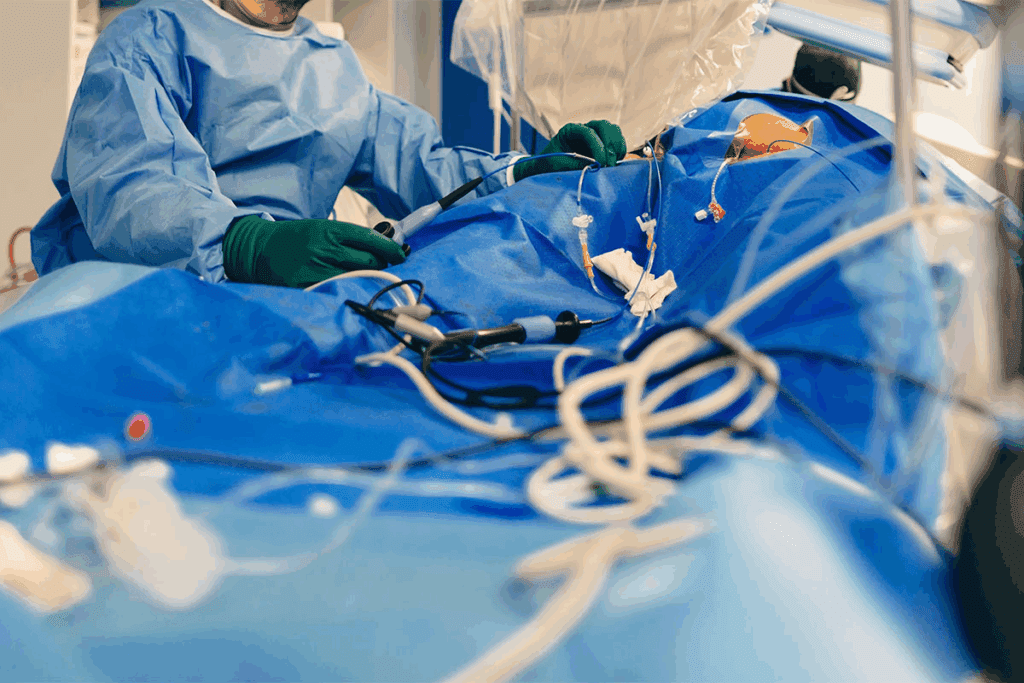
Catheter ablation is a new way to treat heart rhythm problems without open-heart surgery. It’s a safe and effective method for many heart issues. This technique is a big step forward in heart care.
What Is Catheter Ablation?
Catheter ablation uses energy to fix heart rhythm problems. It involves thin tubes called catheters that go into the heart through a leg vein. These tubes are guided by X-rays to find the problem area.
The goal is to stop bad electrical signals in the heart. This is done by using heat or cold to create scar tissue. This scar tissue blocks the bad signals.
How the Procedure Works
The patient gets sedation to relax during the procedure. The doctor makes a small cut in the groin to put in the catheters. Then, they use the catheters to map the heart’s electrical activity.
Once they find the problem, they use energy to destroy the tissue. This can be heat or cold. The choice depends on the doctor’s plan.
Types of Arrhythmias Treated with Ablation
Catheter ablation helps with several heart rhythm problems:
- Atrial Fibrillation (AFib): This is a serious arrhythmia with fast and irregular heartbeats.
- Atrial Flutter: The heart’s upper chambers beat too quickly.
- Supraventricular Tachycardia (SVT): A fast heartbeat that starts above the ventricles.
- Ventricular Tachycardia: A serious condition where the ventricles beat too fast.
Knowing about catheter ablation helps patients understand its benefits. It also helps them know what to expect from the treatment.
Why Patients May Need Multiple Ablation Procedures
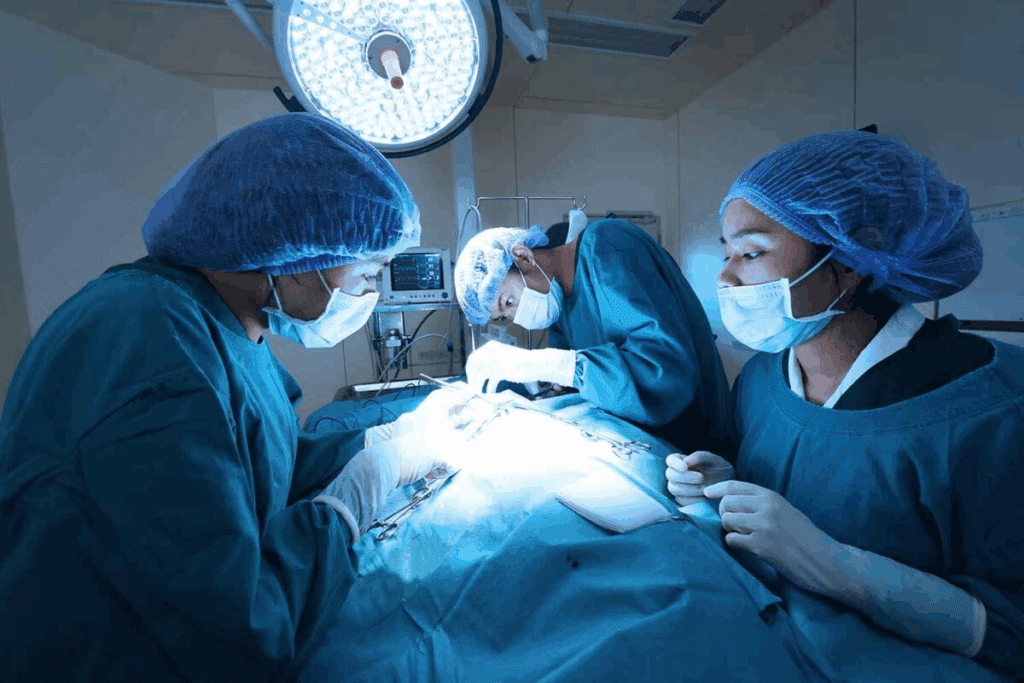
Many patients worry about needing more than one heart ablation procedure. This worry often comes from arrhythmias coming back or the first treatment not working fully. We’ll look into why this happens and the challenges of treating heart rhythm problems.
Recurrence of Arrhythmias
One big reason for needing more ablation procedures is arrhythmias coming back. Even if the first ablation works, some patients might see their symptoms return. This can be because of the heart condition itself or how complex the first procedure was.
Research shows that a single ablation for atrial fibrillation works for 60 to 80 percent of people. But, a second ablation can boost success rates to 70 to 85 percent. This shows that sometimes, a second try can really help.
Incomplete Initial Treatment
Another reason for needing more ablations is if the first treatment didn’t fully work. This can happen if the arrhythmia’s source is tricky or if the first procedure missed the mark. In these cases, a second procedure is often needed to finish the job.
Development of New Electrical Pathways
As time goes on, new electrical paths in the heart can form, causing arrhythmias to come back. This is a natural part of heart disease that might mean more ablation procedures are needed. These procedures help fix these new paths and keep the heart beating right.
The table below breaks down the main reasons for needing more ablation procedures and what they mean:
| Reason for Multiple Ablations | Description | Implication |
| Recurrence of Arrhythmias | Return of arrhythmia symptoms after initial success | Potential need for repeat procedures to maintain normal heart rhythm |
| Incomplete Initial Treatment | Initial procedure not fully successful | Need for additional treatment to complete the ablation |
| Development of New Electrical Pathways | New pathways develop over time | Potential for future arrhythmias, requiring further procedures |
Success Rates of First-Time Heart Ablations
Knowing how well first-time heart ablation works is key for patients. The success rate for treating atrial fibrillation (AFib) with catheter ablation varies. It can happen again in 20% to 40% of patients.
Statistics for Different Types of Arrhythmias
Success rates for heart ablation vary by the arrhythmia type. For example, treating supraventricular tachycardia (SVT) works better than AFib.
Here are some study results:
- SVT ablation works for about 90% to 95% of patients.
- Atrioventricular nodal reentrant tachycardia (AVNRT) ablation succeeds in 95% to 98% of cases.
- AFib ablation success rates range from 50% to 80%, depending on the patient and method.
Factors Affecting Initial Success
Several things can affect how well a heart ablation works at first. These include:
- Type of Arrhythmia: Different arrhythmias have different success rates.
- Patient Selection: Patients with fewer health issues and simpler heart problems do better.
- Operator Experience: The skill and experience of the doctor doing the procedure matter a lot.
- Technique and Technology: Newer catheter technology and ablation methods can lead to better results.
Long-Term Outcomes After a Single Procedure
How well a heart ablation works over time can vary. Some patients stay symptom-free, while others may see arrhythmias come back.
Important factors for long-term success include:
- The underlying heart disease.
- The presence of other medical conditions.
- The quality of care after the procedure and follow-up.
We stress the need for ongoing monitoring and care to manage any future issues and improve long-term results.
How Many Times Can You Have Heart Ablation?
Many patients wonder if there’s a limit to heart ablation. The answer depends on several things. These include the type of arrhythmia, the patient’s health, and how well past ablations worked.
Heart ablation is a procedure to treat irregular heartbeats. It destroys the bad electrical pathways in the heart. Sometimes, patients need more than one procedure because their arrhythmia comes back or wasn’t fully treated the first time.
Is There a Limit to Repeat Procedures?
There’s no strict limit on how many times heart ablation can be done. Each case is different. Doctors look at how well past ablations worked, any complications, and the heart’s condition.
Doctors weigh the risks and benefits of each procedure. They consider how it might help against the chance of more problems.
Typical Number of Ablations Most Patients Undergo
Most patients have one or two ablation procedures. The success of the first procedure varies by arrhythmia type. Sometimes, one procedure is enough, but others need more.
Studies show that the chances of big improvements drop after the second or third procedure. This means each additional ablation might not help as much.
Medical Considerations for Multiple Procedures
Several medical factors are important when thinking about multiple ablations. These include how the heart tissue changes, the risk of scarring, and the chance of complications like bleeding or infection.
The time between procedures is also key. Enough time to recover between ablations helps reduce risks and improve results.
In summary, while there’s no single answer to how many times heart ablation can be done, looking at each patient’s unique situation helps make the right choice.
Success Rates of Second and Third Ablations
Success rates for second and third ablations give us important insights. When a patient has a second ablation, the success rate often goes up. This is compared to the first procedure.
A study in the Journal of the American College of Cardiology shows a second ablation can boost success rates. For atrial fibrillation, it can reach 70 to 85 percent. This boost comes from targeting more electrical pathways.
Improvement in Success Rates After Second Procedure
Several reasons explain why success rates go up after a second procedure. The first procedure might not have fully fixed the problem. The second one can tackle any remaining issues. Also, new pathways might have formed, which the second ablation can address.
Key factors contributing to improved success rates include:
- More precise targeting of arrhythmia sources
- Advancements in technology and technique
- Better patient selection and preparation
Diminishing Returns After Multiple Procedures
While a second ablation can greatly improve success rates, later procedures might not be as effective. This is because each procedure becomes riskier. It also gets harder to target the heart’s complex electrical pathways.
A study in the European Heart Journal notes, “The success rate of repeat ablation procedures tends to decrease with each subsequent attempt.” This shows the importance of careful planning and patient selection.
Statistical Evidence from Clinical Studies
Clinical studies offer valuable data on the success rates of multiple ablations. For example, a meta-analysis in Circulation found a 60 percent overall success rate for repeat ablations. But, this rate can change based on the type of arrhythmia.
| Number of Ablations | Success Rate |
| First Ablation | 50-60% |
| Second Ablation | 70-85% |
| Third Ablation | 50-70% |
In conclusion, while repeat ablation procedures can be effective, their success rates vary. This depends on several factors, including the type of arrhythmia and the patient’s condition. Understanding these factors is key to making informed decisions about multiple ablations.
Time Between Multiple Heart Ablation Procedures
Many patients ask how soon they can have a second heart ablation. The time between these procedures is key to managing heart rhythm disorders well.
How Soon Can You Have a Second Heart Ablation?
The timing for a second ablation depends on several things. These include how well the first procedure worked, if symptoms come back, and the patient’s health. If symptoms return after a successful first procedure, a second one might be needed.
Usually, a 3 to 6 month wait is advised before a second ablation. This time lets the heart heal and lowers the risk of problems with the second procedure.
Optimal Timing for Repeat Procedures
The best time for a second ablation varies by patient. Things like the type of arrhythmia, how well the first procedure worked, and any complications play a role.
Studies show that doing a second ablation within a year of the first one works better. This is true for those with symptoms that keep coming back.
Monitoring Period After Initial Treatment
After the first ablation, patients are watched closely. This is to see if the treatment worked and if symptoms come back. This watch time is key to deciding if a second procedure is needed.
| Monitoring Period | Typical Actions |
| 0-3 months | Regular follow-up appointments, ECG monitoring |
| 3-6 months | Assessment of symptom recurrence, consideration for repeat ablation if necessary |
| 6-12 months | Long-term assessment of procedure success, adjustment of treatment plan as needed |
By watching patients closely after the first treatment and finding the right time for a second one, doctors can help more people. This approach improves the results of multiple heart ablation procedures.
Risks and Complications of Repeat Ablations
When thinking about having multiple heart ablations, it’s key to look at the risks. Ablations are usually safe, but doing them again can bring extra risks. These need to be thought about carefully.
Comparing Risks of First vs. Subsequent Procedures
The risks of heart ablation can change from the first time to later times. Research shows that while the risk is low, some complications might get worse with more ablations.
Key differences in risks between first and subsequent ablations include:
- Increased risk of vascular complications
- Potential for higher radiation exposure
- Greater risk of cardiac tamponade
- Possible increased difficulty in accessing the heart
We will discuss these risks in more detail below.
Cumulative Effects on Heart Tissue
One big worry with repeat ablations is how they affect the heart over time. Each time, the heart gets scars to fix electrical problems. But these scars can change the heart in ways we don’t always know.
| Potential Cumulative Effects | Description | Clinical Implication |
| Increased Scarring | Repeated procedures can lead to more extensive scarring | Potential for reduced heart function |
| Tissue Damage | Ablation can cause damage to heart tissue | Risk of long-term cardiac complications |
| Electrical Changes | Alterations in heart’s electrical pathways | Potential for new arrhythmias |
Potential for Increased Scarring
Scarring is a big worry with repeat ablations. More scarring can hurt the heart’s function and make future treatments harder.
Factors influencing scarring include:
- The number of procedures performed
- The extent of ablation performed during each procedure
- Individual patient factors, such as age and overall heart health
Knowing these risks helps patients and doctors make smart choices about repeat ablation procedures.
Recovery and Preparation for Multiple Ablation Procedures
Getting ready for multiple heart ablations means knowing what to expect. You need to understand the procedure, how long it takes to recover, and how to live a healthy lifestyle long-term. It’s important to know the differences in recovery and how to prepare for each procedure.
What to Expect Before Each Procedure
Before each ablation, you’ll get a detailed check-up to see how your heart is doing. This might include electrocardiograms (ECGs), echocardiograms, or other tests. You’ll be told to fast, adjust your meds, and make plans for getting home after the procedure.
Talking to your doctor about any worries or questions is key. Knowing what the procedure will be like and what to expect can help you feel more at ease.
Recovery Time Differences Between First and Subsequent Ablations
Recovery times can change a lot from the first to the next ablation. The first one might have a clear recovery time, but the next ones can be different. This depends on many things, like how complex the procedure is and your own health.
After the procedure, you might feel tired, sore, or have some discomfort. Having someone to support you for a few days is helpful. Most people can get back to normal in a week or so, but always follow your doctor’s advice on recovery.
Remember, everyone’s recovery is different.
Long-Term Lifestyle Considerations
Living a healthy lifestyle is key after multiple ablations. This means eating well, staying active, managing stress, and taking your meds as directed. Regular check-ups with your cardiologist are also important to keep an eye on your heart health.
Long-term, you might need to make some lifestyle changes to avoid arrhythmias coming back. This could mean cutting down on caffeine or alcohol, quitting smoking, and keeping a healthy weight.
Knowing what to expect before and after multiple ablations helps you prepare better. Our team is here to give you the care and support you need every step of the way.
Patient Experiences with Multiple Heart Ablations
Patients going through multiple heart ablations face many emotional and physical challenges. Their stories show that while the procedure can change lives, it also has its own hurdles.
Common Concerns and Questions
Patients often worry about the success and risks of repeat ablations. Will the procedure work this time? and Are there more risks with more procedures? These questions keep them up at night. We aim to answer these concerns by understanding the procedure and its results.
Some worry about how multiple ablations affect their heart. It’s normal to have these worries. Talking to doctors can help clear things up and give peace of mind.
Psychological Aspects of Undergoing Repeat Procedures
The mental impact of multiple heart ablations is big. The fear of not knowing the outcome can be overwhelming. Patients need support not just physically but also emotionally to get through this.
Doctors are key in helping with the mental side. They offer counseling and support. By recognizing the emotional burden of repeat procedures, patients can better prepare for what’s ahead.
Quality of Life After Multiple Ablations
The main goal of multiple heart ablations is to improve life quality. The procedure can greatly reduce arrhythmia symptoms. But, the real impact on life depends on many things, like how well the procedure works and if there are any complications.
Many patients see a big improvement in their life after successful ablations. They feel better and have more energy. But, it’s also important to think about the risks and how the heart might be affected.
Learning from patients who have had multiple heart ablations helps us support others. Every patient’s journey is different. Personalized care is key to meeting their unique needs and concerns.
How Cardiologists Determine Candidacy for Repeat Ablations
To decide on repeat ablation, cardiologists do a detailed check. They look at the benefits and risks for each patient. They use several key factors to see if a patient is right for more procedures.
Assessment Criteria for Additional Procedures
When checking if a patient needs more ablation, we look at several things. These include:
- The severity and how often the patient’s arrhythmia happens
- The results of any previous ablation procedures
- The patient’s overall health and any other health issues
- Any new or changed electrical pathways in the heart
These factors help us guess how well more procedures might work. They also help us spot any risks.
Risk-Benefit Analysis for Each Patient
For each patient, we do a deep dive into the risks and benefits. This means:
- Looking at the good things the procedure could do, like better symptoms and quality of life
- Checking the possible bad things, like complications and how it might affect the heart
- Thinking about other treatments and how they might work
This helps us decide if more ablation procedures are a good idea.
When Doctors Recommend Against Further Ablations
There are times when we don’t suggest more ablations. This includes:
- When the risks of the procedure are too high compared to the benefits
- Patients who have seen big improvements from previous treatments
- Those with other health issues that make the procedure too risky
In these cases, we help the patient find other ways to manage their condition.
Alternative Treatments When Multiple Ablations Aren’t Recommended
When repeated catheter ablations are not recommended, healthcare providers turn to other effective treatment strategies. For patients dealing with heart rhythm disorders, this can be a critical juncture in their treatment journey.
Alternative treatments become critical when further ablations are not advisable. This is due to various factors, including the complexity of the arrhythmia, patient health, or previous unsuccessful procedures. We explore these alternatives to provide complete care.
Medication Management Options
Medication management is often the first line of alternative treatment. This approach involves using anti-arrhythmic drugs to control heart rhythm. The goal is to reduce symptoms and improve quality of life.
There are several classes of anti-arrhythmic medications, each working differently. The choice of medication depends on the type of arrhythmia, patient health, and other factors.
| Medication Class | Mechanism of Action | Examples |
| Class I | Block sodium channels | Lidocaine, Flecainide |
| Class III | Block potassium channels | Amiodarone, Sotalol |
Surgical Alternatives to Catheter Ablation
For some patients, surgical alternatives may offer a more definitive solution. The surgical Maze procedure is one such option. It involves creating a specific pattern of scar tissue in the heart to direct electrical impulses properly.
“The surgical Maze procedure has been shown to be effective in treating atrial fibrillation, providing a more permanent solution for some patients.”
Medical Expert, Developer of the Maze Procedure
Emerging Technologies and Approaches
Emerging technologies are continually expanding treatment options for heart rhythm disorders. Hybrid ablation is one such approach. It combines surgical and catheter-based techniques to treat complex arrhythmias.
Other emerging technologies include advanced mapping systems and new energy sources for ablation. These innovations aim to improve success rates and reduce recovery times.
As we continue to advance in the field of cardiac electrophysiology, it’s essential to stay informed about the latest treatment options. Patients should discuss these alternatives with their healthcare providers to determine the best course of action for their specific condition.
Conclusion: Making Informed Decisions About Repeat Heart Ablations
The choice to have repeat heart ablations is complex. It depends on many things like the type of arrhythmia and how well past procedures worked. It also depends on your personal situation.
It’s important to know the good and bad sides of having another ablation. Talk to your doctor to figure out what’s best for you.
This article aims to help you understand your options. Your doctor will look at your situation and medical history. They will help you decide if another ablation is right for you.
Deciding on repeat heart ablations is a team effort. Don’t hesitate to ask questions. This way, you can get the best care for your condition.
FAQ
How many times can you have heart ablation?
Heart ablation can be done more than once. It depends on the patient’s health and how well the first procedure worked.
Can you have an ablation more than once?
Yes, you can have heart ablation more than once. This might happen if arrhythmias come back, the first treatment didn’t work fully, or new electrical pathways form.
How soon can you have a second heart ablation?
When you can have a second ablation depends on your health and how well the first one worked. Usually, a second procedure is considered after a period of monitoring after the first treatment.
Is catheter ablation a serious surgery?
Catheter ablation is a minimally invasive procedure. But, like any medical treatment, it has some risks and complications. The seriousness of the procedure varies based on individual patient factors.
What is the success rate of cardiac catheter ablation?
The success rate of cardiac catheter ablation varies. It depends on the type of arrhythmia, the patient’s health, and the doctor’s skill. Success rates are generally higher for certain arrhythmias.
How long does catheter ablation last?
The effect of catheter ablation can last differently for each patient. Some get long-term relief, while others might need more procedures.
Are you awake during a heart ablation?
Patients are usually sedated during heart ablation. The level of sedation can vary. Some patients might be fully awake, while others are under general anesthesia.
What are the risks and complications of repeat ablations?
Repeat ablations have similar risks to the first procedure. These include possible harm to heart tissue and increased scarring. The risks are evaluated for each patient individually.
How do cardiologists determine candidacy for repeat ablations?
Cardiologists decide on repeat ablations based on several factors. These include the success of previous procedures, the patient’s health, and the severity of their arrhythmia. A careful risk-benefit analysis is done for each patient.
What are the alternatives to catheter ablation?
Alternatives to catheter ablation include medication, surgical options, and new technologies. These are considered for patients not suitable for multiple ablations.
How long is the recovery time from ablation surgery?
Recovery time from ablation surgery varies. It depends on the patient and the specifics of the procedure. Some recover quickly, while others need more time.
What should I expect before each ablation procedure?
Before an ablation procedure, patients go through preparation. This includes diagnostic tests, adjusting medications, and other steps. The specifics depend on the patient’s condition and the doctor’s instructions.
References
National Center for Biotechnology Information. (2025). Can You Have Heart Ablation More Than Once. Retrieved from https://www.ncbi.nlm.nih.gov/pmc/articles/PMC5627570/