how many years does chemo age you
Chemotherapy plays a crucial role in the treatment of cancer.
As we get older, our bodies change in ways that affect how we react to treatments like chemotherapy. The choice to keep or stop chemotherapy depends on many things. These include the patient’s health, the cancer type and stage, and the treatment’s benefits and risks.
Dealing with cancer treatment can be tough, and knowing when to stop chemotherapy is key. We aim to make this complex issue clearer for everyone.
Key Takeaways
- Chemotherapy is a common treatment for many types of cancer.
- The decision to stop chemotherapy depends on various factors, including the patient’s health and cancer type.
- Age is a significant factor in determining the suitability of chemotherapy.
- Patients and their families should discuss treatment options thoroughly with their healthcare providers.
- The goal of chemotherapy can shift from curative to palliative as the disease progresses.
Understanding Chemotherapy and Its Purpose

Chemotherapy plays a crucial role in the treatment of cancer. Chemotherapy stops cancer cells from growing and dividing. Cancer cells grow fast, so the treatment targets them. But, it can also harm normal cells that grow quickly, like hair and digestive tract lining.
How Chemotherapy Works in the Body
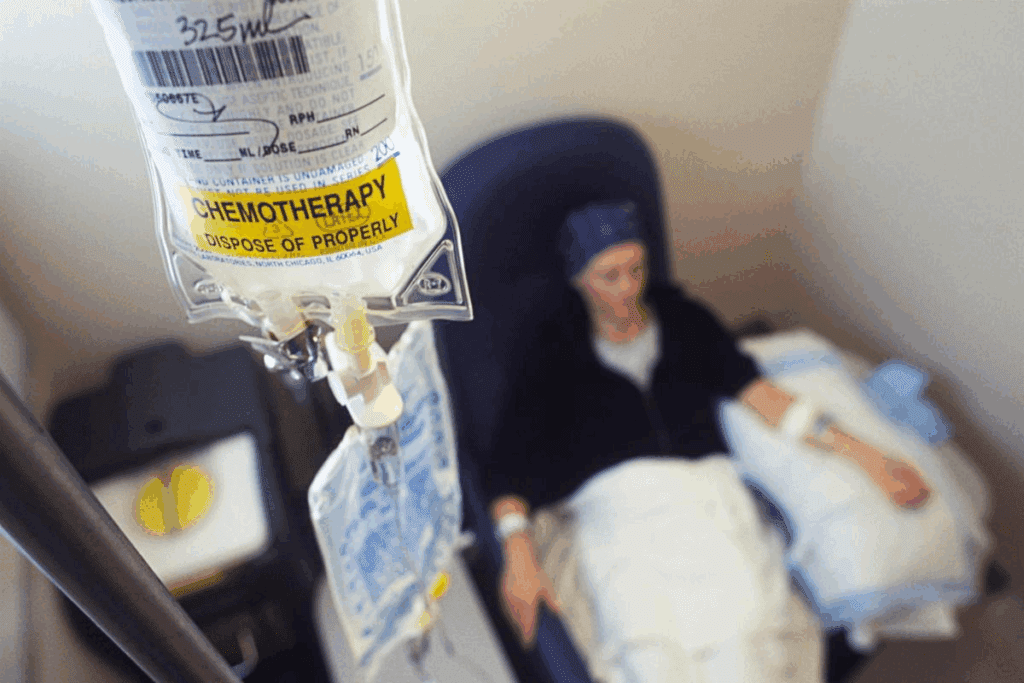
Chemotherapy uses drugs to kill cancer cells. These drugs can be taken by mouth or given through an IV. They travel through the blood to reach cancer cells everywhere in the body.
Chemotherapy plays a crucial role in the treatment of cancer.
Common Types of Chemotherapy Treatments
There are many chemotherapy treatments, each with its own way of working and side effects. Some common ones include:
- Alkylating agents, which damage cancer cells’ DNA to stop them from growing.
- Antimetabolites, which block DNA and RNA production, stopping cancer cell growth.
- Anthracyclines, which insert into DNA strands, stopping cancer cells from copying themselves.
Knowing about different chemotherapy treatments helps patients make better choices. By working with their healthcare team, patients can find a treatment plan that fits their needs and goals.
When Did Chemotherapy Become a Thing?
Chemotherapy plays a crucial role in the treatment of cancer.
The Evolution of Chemotherapy From the 1940s
The first chemotherapy came from World War II research. It was about how nitrogen mustard gas affected soldiers. This early work helped start modern chemotherapy. The first clinical trials began in the 1940s.
Chemotherapy has grown a lot over the years. In the 1960s and 1970s, doctors started using more than one chemotherapy at a time. This made treatments better for many cancers. The 1980s and 1990s saw even more progress with new drugs and ways to help with side effects.
Modern Advancements in Cancer Treatment
Today, chemotherapy keeps getting better. Scientists are working on targeted treatments, immunotherapies, and treatments made just for you. These new methods are more accurate and have fewer side effects.
The table below shows important moments in chemotherapy’s history:
| Decade | Advancements |
| 1940s | First chemotherapy agents developed; initial clinical trials |
| 1960s-1970s | Combination chemotherapy regimens introduced |
| 1980s-1990s | New chemotherapy agents and supportive care measures developed |
| 2000s-present | Targeted therapies, immunotherapies, and personalized medicine emerge |
As we keep exploring new ways to fight cancer, chemotherapy’s future looks bright. We might see treatments that are even more effective and less harsh.
How Many Years Does Chemo Age You?
Chemotherapy plays a crucial role in the treatment of cancer. But, it also worries patients and doctors about aging. We need to know how it changes our bodies and what signs show during treatment.
The Biological Impact of Chemotherapy on Cellular Aging
Chemotherapy fights cancer cells but also harms other fast-growing cells. This includes cells in the bone marrow, hair, and gut. It can make our cells age faster.
Telomere shortening is a natural aging process. Chemotherapy makes it worse. Telomeres protect our chromosomes, and their length shows how old we are biologically.
“Chemotherapy can make us age faster by damaging DNA and causing stress,” a study says. This can lead to early signs of aging.
Physical Signs of Accelerated Aging During Treatment
People getting chemotherapy often look older than they are. They might feel tired, lose their hair, and have different skin. Hair loss is because chemotherapy harms hair follicles.
- Premature menopause or ovarian failure in women
- Osteoporosis due to decreased bone density
- Cognitive changes, sometimes referred to as “chemo brain”
These signs change how patients look and feel. They affect their life quality. It’s important for doctors to know about these side effects.
As we improve cancer treatment, we see chemotherapy’s aging impact is complex. Doctors can give better care by understanding and dealing with these effects.
Does Chemotherapy Reduce Life Expectancy?
The link between chemotherapy and life expectancy is complex. Chemotherapy is key in fighting cancer by killing cancer cells. But, it can also harm the body, leading to worries about its impact on life span.
Short-term vs. Long-term Effects on Longevity
Chemotherapy’s effects on life expectancy fall into two categories: short-term and long-term. Short-term effects include fatigue, nausea, and a weakened immune system. These usually go away after treatment ends.
Long-term effects, though, can be serious. Some patients may face secondary cancers, heart issues, or brain problems. These can affect life expectancy. Studies show that some chemotherapy can damage organs, impacting health and life span.
Balancing Cancer Treatment with Quality of Life
It’s vital to balance cancer treatment with keeping a good quality of life. Chemotherapy can save lives but must be managed to avoid harming quality of life. Healthcare teams work to tailor treatments to meet each patient’s needs.
This might mean adjusting chemotherapy doses or using medications to reduce side effects. Complementary therapies can also help improve well-being. The goal is to support patients fully, caring for their physical and emotional health.
Chemotherapy plays a crucial role in the treatment of cancer.
Age as a Factor in Chemotherapy Decisions
Age is key when doctors talk about chemotherapy. As we get older, our bodies change. These changes can affect how we react to cancer treatments.
Doctors look at more than just how old a patient is. They also check their health and the type of cancer they have.
How Doctors Evaluate Patient Suitability for Chemo
Doctors take a detailed look at who can get chemotherapy. They check the patient’s health, medical history, and cancer type.
Important things they consider include:
- How well a patient can do daily tasks
- Other health issues that might impact treatment
- The health of the liver and kidneys, which help process drugs
- How well a patient can handle treatment side effects
The Concept of Physiological Age vs. Chronological Age
There’s a big difference between how old we are in years and how well our bodies work. Physiological age shows how well our body functions compared to others of the same age.
Physiological age is a better guide for how a patient will do with chemotherapy. For example, a 75-year-old who is very healthy might be seen as younger than a 65-year-old with health problems.
This understanding helps doctors decide if chemotherapy is right for older adults.
Chemotherapy in Elderly Patients: Special Considerations
Elderly patients face special challenges when they get chemotherapy. As more older adults get cancer, it’s key to know how chemotherapy affects them.
Unique Challenges for Patients Over 65
Older patients often have health issues like diabetes or heart disease. These can make it harder for their bodies to handle chemotherapy. This might lead to more side effects.
A study in the Journal of Clinical Oncology found that older adults with health problems face more risks from chemotherapy. It’s important to carefully choose who gets chemotherapy and to watch them closely.
Modified Treatment Protocols for Older Adults
For older adults, treatment plans might include smaller doses or different types of chemotherapy. For example, a study on non-Hodgkin lymphoma in the elderly found that smaller doses could work well without too many side effects.
| Treatment Approach | Standard Chemotherapy | Modified Chemotherapy for Elderly |
| Dose Intensity | Full dose as per protocol | Reduced dose or attenuated schedule |
| Regimen Selection | Standard regimen based on cancer type | Regimen adjusted for comorbidities and tolerance |
| Supportive Care | Standard supportive care measures | Enhanced supportive care, including growth factors |
As shown in the table, treatments can be adjusted for older patients. This can help improve their quality of life and outcomes.
Every patient is different, and treatment plans should be made with their unique needs in mind. By understanding and addressing the special challenges of elderly patients, healthcare providers can offer better care.
At What Age Is Chemo Not Worth It?
Chemotherapy plays a crucial role in the treatment of cancer.
Medical Perspectives on Age Limitations
Doctors look at each elderly patient’s case individually. They consider health, age, and any other health issues. Age is important but not the only thing they look at.
Chemotherapy plays a crucial role in the treatment of cancer.
| Age Group | Chemo Suitability | Considerations |
| 65-74 | Generally suitable | Assess overall health and comorbidities |
| 75-84 | May require adjusted treatment | Consider physiological age and functional status |
| 85+ | Often requires careful consideration | Evaluate possible benefits against risks and quality of life |
Quality of Life Considerations
Chemotherapy’s effect on quality of life is key for older adults. They might face more side effects like tiredness and memory problems. It’s important to think about how treatment might affect their daily life.
We understand each patient is different. What’s right for one might not be for another. We work with patients to understand their needs and goals, making sure care is personal.
In conclusion, age is important but not the only factor in chemotherapy decisions. By looking at each patient’s unique situation and considering health and quality of life, we make informed choices about chemotherapy.
When Chemotherapy Is Not Recommended
Deciding on chemotherapy isn’t just about age. It depends on many factors. Sometimes, chemotherapy isn’t the best choice or needs changes.
Medical Contraindications Beyond Age
Chemotherapy plays a crucial role in the treatment of cancer.
Also, those with advanced cancer or poor health might not get chemotherapy. Instead, they might get care that focuses on improving their life quality, not curing the cancer.
Alternative Treatment Options for Elderly Patients
For elderly patients not suited for chemotherapy, there are other ways to treat cancer. Hormone therapy works well for some cancers, like hormone-positive breast cancer. Targeted therapy targets specific cancer growth factors.
Other options include:
- Immunotherapy, which uses the body’s immune system to fight cancer
- Palliative care, focusing on symptom management and quality of life
- Radiation therapy, which can control localized disease
- Surgery, for cancers that can be removed
These options can be used alone or together, based on the patient’s situation and cancer type.
Cancer Treatment for Patients in Their 70s
For those in their 70s, cancer treatment is more than just fighting the disease. It’s also about keeping their quality of life good. As people get older, their health and other medical issues can change what treatments they can have and how well they work.
Treatment Approaches for 77-Year-Olds and Similar Age Groups
Doctors look at many things when treating cancer in those around 77. They consider the cancer type and stage, the patient’s health, and what the patient wants. They make treatment plans that fit each person, using surgery, chemotherapy, and radiation therapy together.
Key considerations for treatment approaches include:
- Checking the patient’s physical health and any other health problems
- Looking at the good and bad sides of different treatments
- Thinking about what the patient wants and values
- Discussing how treatment might affect their life quality
Success Rates and Considerations
The success of cancer treatment in the 70s can change a lot. It depends on the cancer type and the patient’s health. Research shows that with the right care, many older adults can do well.
Some key statistics to consider:
- A study in the Journal of Clinical Oncology found older adults with tailored treatment did as well as younger ones.
- Studies show that older patients who are healthy and have fewer health problems do better with treatment.
Choosing to have cancer treatment in the 70s is a big decision. It should be made after talking it over with doctors. Knowing the options and what might happen helps patients and their families make choices that fit their values and goals.
Cancer Treatment for Patients in Their 80s
Cancer treatment for those in their 80s is tailored to each person. It balances how well it works with how good the patient feels. Age, health, and what the patient wants are key in choosing the right treatment.
Adjusting Treatment Goals for Advanced Age
For older patients, treatment goals change. It’s about improving life quality, not just living longer. Their health, other health issues, and what they want are considered.
Key considerations include:
- Looking at the patient’s health and how well they can function
- Thinking about the good and bad of treatment
- Talking about options and chances of success with the patient and their family
- Looking into palliative care to help with symptoms and life quality
85-Year-Old with Lung Cancer: Life Expectancy and Treatment Options
An 85-year-old with lung cancer faces unique challenges. Life expectancy and treatment choices depend on cancer stage, health, and what the patient wants. Surgery, chemo, and radiation might be options, but they depend on the patient’s health.
Life expectancy considerations:
- The cancer’s stage at diagnosis greatly affects life expectancy
- Other health issues, like heart disease or COPD, can impact treatment and life expectancy
- Being able to do daily activities is a big factor in how well someone does
Treatment choices might include:
- Targeted therapy for certain genetic changes
- Immunotherapy to help the immune system fight cancer
- Palliative care to manage symptoms and improve life quality
Treatment for Cancer in 90-Year-Old Patients
Cancer treatment for 90-year-olds is different from younger patients. As more people live longer, more seniors are getting cancer. Doctors must balance treatment with the patient’s quality of life and health.
Breast Cancer Treatment in Nonagenarians
Breast cancer in 90-year-olds is becoming more common. Doctors consider the patient’s health, how well they function, and how long they might live. Surgery might be an option for those in good health. Hormone therapy could be better for those with hormone-positive tumors and health issues.
Older adults with breast cancer often get less treatment than younger ones. But, research shows that with the right choice, older adults can do well with treatment.
Prostate and Skin Cancer Approaches for the Very Elderly
For prostate cancer, the focus is on managing symptoms and improving quality of life. Active surveillance or watchful waiting might be best for low-risk cases. For more advanced disease, hormone therapy or palliative care could be considered.
Skin cancer in the elderly can often be treated with local treatments like surgery or creams. For advanced cases, systemic therapies might be an option. But, the benefits must be weighed against the risks and how it affects quality of life.
Chemotherapy plays a crucial role in the treatment of cancer.
Will Medicare Cover Cancer Treatment After Age 76?
Many elderly patients wonder if Medicare covers cancer treatment after 76. As people get older, the chance of getting cancer goes up. It’s key to know how much Medicare helps with cancer treatments.
Medicare Coverage Policies for Elderly Cancer Patients
Medicare helps a lot with cancer treatments like chemo, radiation, and surgery. For those over 76, Medicare pays for a big part of these costs. But, it’s important to know the details of Medicare plans and what they cover.
Original Medicare (Part A and Part B) covers many cancer treatments. Medicare Part B pays for chemo, doctor-administered treatments, and some tests.
Navigating Insurance Challenges for Late-Life Treatment
Dealing with insurance issues is a big challenge for elderly cancer patients. Knowing what Medicare covers and what you’ll pay out of pocket helps. This knowledge lets patients make better choices about their care.
- Review your Medicare plan to understand what is covered and what is not.
- Consult with your healthcare provider to determine the most appropriate treatment plan.
- Consider consulting a Medicare counselor to help navigate coverage and costs.
By understanding Medicare’s policies and tackling insurance issues, elderly cancer patients can get the care they need, even after 76.
Is Chemotherapy Worth It? Evaluating Benefits vs. Risks
Chemotherapy’s success and impact on patients change with age. It’s important to weigh its benefits and risks carefully. We must look at the cancer type, the patient’s health, and their age.
Measuring Treatment Success in Different Age Groups
Success in chemotherapy is measured in survival rates, quality of life, and symptom management. These outcomes differ in various age groups. Factors like health conditions, age, and other health issues play a role.
| Age Group | Success Metrics | Considerations |
| Under 65 | Survival rate, quality of life | Fewer comorbidities, better tolerance to treatment |
| 65-75 | Symptom management, survival | Presence of some comorbidities, adjusted treatment protocols |
| Over 75 | Quality of life, symptom control | Higher likelihood of comorbidities, focus on palliative care |
The table shows how success metrics change with age. It stresses the need for personalized treatment plans.
Patient Perspectives on Treatment Value
Patients’ views on chemotherapy’s value depend on their experiences and the treatment’s benefits. It’s key for doctors to understand these views. This helps in making decisions that match patients’ values and goals.
For many, chemotherapy is about more than just living longer. It’s about keeping life quality. They weigh treatment benefits against its risks and side effects.
By looking at medical results and patient opinions, we can judge chemotherapy’s worth. This is true for patients of all ages.
How Long Can You Be On Chemotherapy?
The time you can be on chemotherapy depends on many things. These include the type of treatment and how well you respond to it. Chemotherapy uses drugs to kill cancer cells or stop them from growing. The length of treatment varies a lot, based on the cancer type, treatment goals, and your health.
Duration Limits Based on Treatment Type
Chemotherapy types have different time limits. For example, adjuvant chemotherapy is given to prevent cancer from coming back. It’s usually given for 3 to 6 months. On the other hand, palliative chemotherapy aims to control symptoms and improve life quality. It can go on as long as it works and is safe.
Factors influencing chemotherapy duration include:
- The type and stage of cancer
- Treatment goals (curative vs. palliative)
- Patient’s overall health and response to treatment
Monitoring for Cumulative Toxicity
Chemotherapy drugs can cause harm that gets worse over time. It’s important to watch for this to keep treatment safe and effective. Doctors check organ function, blood counts, and other health signs regularly.
Common toxicities associated with chemotherapy include:
- Cardiotoxicity (heart damage)
- Nephrotoxicity (kidney damage)
- Neurotoxicity (nerve damage)
- Myelosuppression (bone marrow suppression)
By watching patients closely and adjusting treatment, doctors can lower the risk of harm. This helps make chemotherapy more effective and safer.
Can a Person Die From Chemotherapy Itself?
Chemotherapy is a lifesaving treatment for many cancers. But, it also carries risks that can sometimes be fatal. Understanding these risks and how they affect different patients is key.
Understanding Treatment-Related Mortality
Treatment-related mortality means deaths caused by chemotherapy, not the cancer itself. These deaths can happen for many reasons, like:
- Severe myelosuppression: leading to infections or bleeding due to low blood cell counts.
- Organ toxicity: harming vital organs like the heart, lungs, or kidneys.
- Allergic reactions: severe reactions to chemotherapy drugs.
- Secondary malignancies: new cancers caused by chemotherapy.
Research shows that the risk of dying from treatment varies. It depends on the cancer type, the chemotherapy, and the patient. For example, a study in the Journal of Clinical Oncology found rates between 1% and 5% in different cancers.
Risk Assessment for Vulnerable Populations
Some patients face higher risks from treatment. These include:
- Elderly patients: Older adults may have weaker organs and health issues, making them more vulnerable.
- Patients with comorbidities: Those with heart, lung, or kidney disease are at higher risk of organ damage.
- Patients with poor performance status: People already weakened by cancer or other conditions may struggle with strong chemotherapy.
To lower these risks, doctors use detailed risk assessment tools. They look at the patient’s health, how well they function, and the treatment’s benefits. This way, they create treatment plans that are safe and effective for each patient.
Conclusion
Chemotherapy plays a crucial role in the treatment of cancer.
FAQ
Will Medicare cover cancer treatment after age 76?
Medicare often covers treatments like chemotherapy for cancer in the elderly. But, how much it covers can change based on the treatment and the patient’s plan.
Does chemotherapy age you?
Chemotherapy can make someone look older by causing hair loss and fatigue. It also affects cellular aging. But, how much it ages someone varies from person to person.
At what point is chemo not worth it?
Stopping chemotherapy is a personal choice. It depends on the patient’s health, cancer type, and the treatment’s benefits and risks.
Is chemotherapy worth it for elderly patients?
Whether chemotherapy is worth it for the elderly depends on their health, treatment goals, and quality of life. For some, it’s beneficial. For others, the risks might be too high.
How long can you be on chemotherapy?
Chemotherapy’s length varies by cancer type, treatment plan, and patient response. Some treatments are short, while others can last months or years.
Can a person die from chemotherapy itself?
Chemotherapy is usually safe, but there’s a risk of death from treatment, mainly in older adults or those with health issues.
What is the life expectancy for an 85-year-old with lung cancer?
Life expectancy for an 85-year-old with lung cancer depends on cancer stage, health, and treatment. Older adults with lung cancer generally have shorter life expectancies, but outcomes vary.
How is treatment for breast cancer, prostate cancer, or skin cancer approached in 90-year-old patients?
Treatment for these cancers in 90-year-olds focuses on the patient’s health, function, and quality of life. It may include modified treatments or alternative therapies.
Does chemotherapy reduce life expectancy?
Chemotherapy can affect life expectancy in the short and long term. Its impact varies by cancer type, treatment, and individual factors.
How do doctors evaluate patient suitability for chemotherapy?
Doctors consider health, function, and treatment benefits and risks when deciding if chemotherapy is right. They look at physiological age, not just chronological age.
References
- Ahmed, Z., & colleagues. (2021). The role for chemotherapy in patients aged 80 years and older: evaluation of treatment patterns and outcomes. European Journal of Cancer Care, 30(1), e13491. https://www.sciencedirect.com/science/article/abs/pii/S0169500221000714