Starting a career as a physical therapist is a fulfilling choice. It’s for those who want to help patients move better and live better lives. Becoming a licensed physical therapist takes a big investment in education. It usually means seven years of study and training after high school.
We’ll guide you through the steps to become a physical therapist. This includes picking the right undergraduate major and finishing a Doctor of Physical Therapy (DPT) program. You’ll also need to get licensed. The path to becoming a physical therapist is filled with hard academic and clinical work. It’s designed to prepare you to give top-notch care to your patients.
Key Takeaways
- Becoming a licensed physical therapist requires completing a CAPTE-accredited DPT program.
- The typical educational pathway involves four years of undergraduate studies and three years of DPT program.
- Passing the state licensure exam is necessary to practice as a physical therapist.
- Physical therapists must commit to ongoing education to stay updated with the latest practices.
- A career as a physical therapist offers the opportunity to make a significant impact on patients’ lives.
The Role and Responsibilities of a Physical Therapist

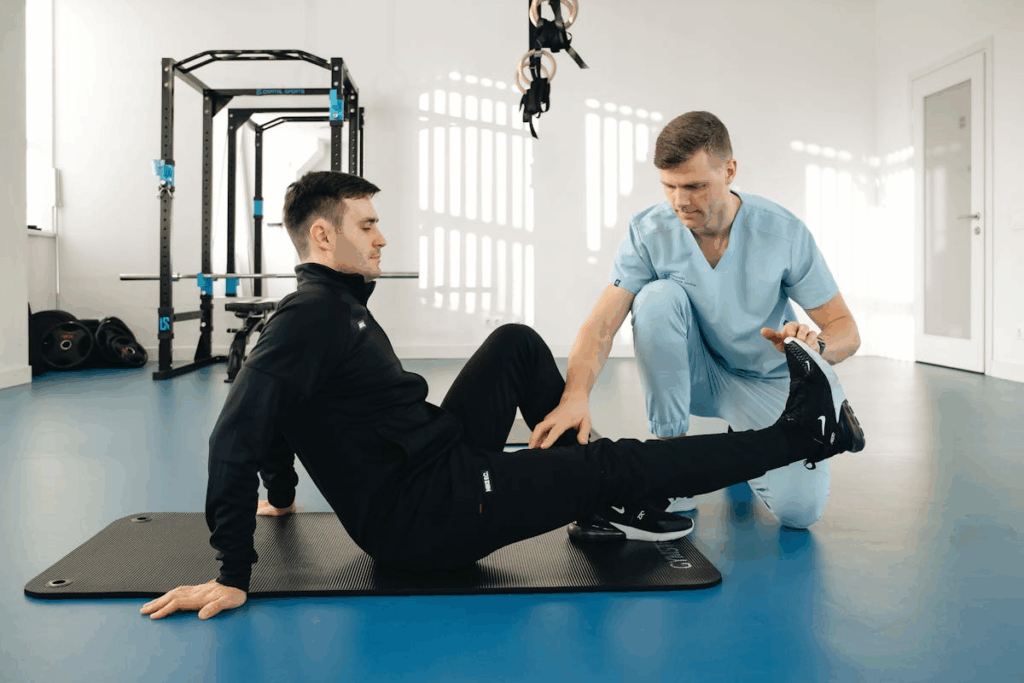
Physical therapists do a lot of things. They check, diagnose, and treat patients with physical problems. They are like doctors who help people move better. This makes life better for their patients.
What Physical Therapists Do Daily
Every day, physical therapists do many tasks. They:
- Check and assess patients to find movement problems
- Make special plans for each patient
- Use exercises and hands-on therapy to help
- Use heat, cold, or electrical treatments to help heal
- Teach patients and their families how to care for them
Patient Populations Served
Physical therapists help many kinds of patients. They work with:
Patient Population | Common Conditions | Typical Interventions |
Pediatric | Developmental delays, cerebral palsy | Exercise programs, developmental therapy |
Geriatric | Arthritis, osteoporosis, balance disorders | Fall prevention programs, strength training |
Sports | Sports injuries (e.g., sprains, strains) | Rehabilitation exercises, injury prevention strategies |
Neurological | Stroke, spinal cord injuries, Parkinson’s disease | Neuromuscular reeducation, mobility training |
Work Settings and Environments
Physical therapists work in many places. They can be in offices, hospitals, homes, or nursing homes. They can even travel or work online. This lets them pick where they want to work.
Some common places include:
- Private practices
- Hospitals and rehabilitation centers
- Outpatient clinics
- Home healthcare
- Sports teams and fitness centers
How Many Years of College to Be a Physical Therapist: The Complete Timeline

To become a physical therapist, you need to invest in education and training for seven years. This path is made to give future therapists the knowledge, skills, and experience needed to succeed.
Overview of the 7-Year Educational Pathway
The journey to becoming a physical therapist has two main parts: undergraduate studies and a Doctor of Physical Therapy (DPT) program. The American Physical Therapy Association (APTA) says, “Typically, you need a bachelor’s degree and then a three-year DPT program.” This education prepares students for the challenges of physical therapy practice.
Undergraduate Education (4 Years)
The first step is getting a bachelor’s degree in a science field like biology or psychology. During these four years, students must also take specific courses needed for DPT programs, such as anatomy and biomechanics. A strong academic record is key for getting into DPT programs.
Doctor of Physical Therapy Program (3 Years)
After getting their undergraduate degree, aspiring physical therapists need to apply to and get into a DPT program. The DPT program is a three-year professional degree that includes classroom learning and clinical training. Students learn about different areas of physical therapy, like musculoskeletal and neuromuscular rehabilitation.
“The DPT program is designed to provide students with a complete education in physical therapy, preparing them for the National Physical Therapy Examination (NPTE) and a successful career in the field.”
Optional Residency and Fellowship Training
After finishing their DPT, some physical therapists may want to do additional training through residency or fellowship programs. These programs last from one to two years and offer advanced training in specific areas of physical therapy, like orthopedics. While not required, these programs can improve a physical therapist’s skills and job prospects.
In conclusion, becoming a physical therapist requires a big commitment to education and training, usually seven years of college. By knowing the full timeline and requirements, future students can prepare well for this rewarding career.
Undergraduate Education Requirements
Getting a degree is the first step to becoming a physical therapist. You don’t have to major in physical therapy. But, picking a related field helps meet DPT program needs.
Recommended Bachelor’s Degrees
Pre-physical therapy students often choose exercise science, biology, and health sciences. These majors give a strong science base. They also include courses that fit well with DPT programs.
- Exercise Science: Deals with exercise and its health benefits.
- Biology: Teaches about life and biological processes.
- Health Sciences: Explores health, disease, and healthcare systems.
Essential Prerequisite Courses
Every DPT program needs certain prerequisite courses. These include:
- Anatomy and Physiology: Knows the human body’s structure and how it works.
- Biomechanics: Uses mechanical principles on living things.
- Exercise Physiology: Studies how exercise affects the body.
- Physics: Understands the laws that control the human body.
It’s key for future physical therapists to finish these prerequisites in college. This makes them strong candidates for DPT programs.
Building a Competitive Application
To stand out in DPT applications, students need to do well in their courses. They should also get experiences that matter. This includes:
- Volunteering or interning at physical therapy clinics.
- Being part of research in physical therapy or rehab.
- Joining activities that show leadership and dedication to the field.
By choosing the right major, finishing key courses, and getting valuable experiences, students can make their DPT applications stronger.
Doctor of Physical Therapy (DPT) Program Structure
A DPT program combines classroom learning and practical experience. It’s designed to give students a solid base in physical therapy. This includes both the theory and the hands-on skills needed in the field.
Curriculum Overview
The DPT curriculum covers key physical therapy topics. Core subjects include anatomy, biomechanics, and pharmacology. These subjects are the foundation for clinical work.
Students also learn about evidence-based practice, patient management, and health promotion. This wide range of topics prepares them for the challenges of modern healthcare.
Clinical Education Components
Clinical education is a key part of DPT programs. It gives students practical experience in various clinical settings. We believe that practical training is vital for becoming a skilled physical therapist.
During clinical rotations, students work with licensed physical therapists. They apply what they’ve learned to real patients. This experience boosts their skills and confidence.
Specialized Tracks and Concentrations
Many DPT programs have specialized tracks or concentrations. These focus on areas like orthopedics, neurology, or pediatrics. We see the importance of specialization in preparing students for their careers.
These tracks include extra coursework and clinical experiences. They help students dive deep into their chosen field. This way, they can aim for their career goals more clearly.
Accreditation and Program Selection
Getting a DPT degree from a CAPTE-accredited program is key for those wanting to be physical therapists. “Accreditation is a critical factor in ensuring that a DPT program provides the necessary education and training,” says the American Physical Therapy Association (APTA).
The Importance of CAPTE Accreditation
CAPTE accreditation means a DPT program meets high standards for physical therapy education. It’s important because it shows the program gives students the right knowledge, skills, and clinical experiences to do well in the field.
Key benefits of CAPTE accreditation include:
- Ensures program quality and accountability
- Provides eligibility to sit for the National Physical Therapy Examination (NPTE)
- Enhances job prospects for graduates
Evaluating Physical Therapy Programs
When looking at DPT programs, consider a few key things to find the right one for you. These include:
- Curriculum and Coursework: Find a program with a wide range of courses that cover both theory and practice.
- Clinical Opportunities: Look for programs that offer a variety of clinical experiences, so you can work with different patients.
- Faculty Expertise: Check if the faculty’s qualifications and research interests match your career goals.
Application Process and Timeline
The application for DPT programs usually starts a year or more before you want to start. Here’s a general timeline:
Timeline | Application Milestones |
Summer/Fall (2 years before start) | Research programs, take prerequisite courses, and prepare for the Graduate Record Examination (GRE) |
Fall/Winter (1 year before start) | Submit applications through the Physical Therapist Centralized Application Service (PTCAS) |
Winter/Spring (1 year before start) | Participate in interviews, receive admission decisions |
Understanding CAPTE accreditation, evaluating DPT programs well, and knowing the application process can help you succeed in becoming a physical therapist.
Clinical Experience Requirements
Gaining practical experience through clinical rotations is key for DPT students. It helps them develop the skills needed to become licensed physical therapists. Clinical experience is a vital part of DPT programs, giving students hands-on experience in various settings.
Types of Clinical Rotations
DPT programs offer a variety of clinical rotations. These expose students to different areas of physical therapy. Some examples include:
- Orthopedics: Focusing on musculoskeletal conditions and injuries.
- Neurology: Dealing with neurological disorders such as stroke, spinal cord injuries, and Parkinson’s disease.
- Pediatrics: Working with children and adolescents with various physical disabilities or conditions.
- Cardiopulmonary: Concentrating on patients with heart and lung conditions.
- Geriatrics: Focusing on the care of older adults with age-related conditions.
Hours Required for Graduation
The hours needed for graduation from a DPT program vary. Most programs require at least 30 weeks of full-time clinical education. This extensive training prepares graduates to enter the workforce as competent physical therapists.
Making the Most of Clinical Placements
To get the most out of clinical rotations, students should:
- Be proactive: Take initiative to learn and participate in patient care.
- Seek feedback: Regularly ask for constructive feedback from clinical instructors.
- Reflect on experiences: Keep a reflective journal to document experiences and insights gained during rotations.
- Network: Build professional relationships with colleagues and mentors during clinical placements.
By actively engaging in clinical rotations, DPT students can develop the skills needed for their future careers as physical therapists.
Licensing and Certification Process
To become a licensed physical therapist, you must go through several steps. These include the National Physical Therapy Examination (NPTE) and state licensure. You need to finish your education, get clinical training, and get the right license to legally practice.
National Physical Therapy Examination (NPTE)
The NPTE is a test that checks your knowledge and skills in physical therapy. It’s a key part of getting licensed. The Federation of State Boards of Physical Therapy (FSBPT) gives the exam. All states use it to see if you’re ready to be licensed.
State Licensure Requirements
Even though the NPTE is a national test, each state has its own rules for licensure. Your state’s physical therapy licensing board sets these rules. They might ask for more exams, background checks, or jurisprudence exams. It’s important to know what your state requires.
State licensure requirements usually include:
- Finishing a CAPTE-accredited DPT program
- Passing the NPTE
- Background checks
- Jurisprudence exams or other state-specific requirements
Maintaining Licensure and Continuing Education
Getting licensed is not just a one-time thing. Physical therapists also need to keep their license by doing continuing education. This keeps them updated with new things in their field. It also helps them give the best care to their patients. The rules for continuing education vary by state, so it’s key to know what your state requires.
Continuing education helps physical therapists keep their license. It also helps them grow professionally and give care based on the latest research.
Career Outlook and Salary Expectations
The career outlook for physical therapists is very promising. There is a strong demand for skilled professionals in this field. As healthcare evolves, the need for physical therapists is expected to grow a lot.
The Bureau of Labor Statistics says employment in physical therapy will grow 11 percent from 2024 to 2034. This is much faster than the average for all jobs. The growth is because more people need rehabilitation services, mainly because of an aging population.
11 Percent Job Growth Projections
The job growth for physical therapists is strong, with an 11 percent increase expected between 2024 and 2034. This growth comes from several factors, including:
- More people having chronic conditions that need physical therapy
- An aging population needing more healthcare
- New medical technology and treatment options
Geographic Variations in Compensation
Physical therapists’ salaries vary a lot based on where they work. Factors that affect salary include:
- The cost of living in different places
- The demand for physical therapy services
- State-specific licensing requirements
The median annual salary for physical therapists is about $101,020. But, salaries can go from around $80,000 to over $120,000. This depends on location, experience, and where they work.
Advancement Opportunities
Physical therapists have many chances to advance in their careers, including:
- Specializing in a certain area of physical therapy
- Becoming leaders in healthcare settings
- Starting their own private practices
- Getting more education and certifications
With experience and more certifications, physical therapists can improve their career and salary. The field offers a rewarding career path with chances for growth and development.
Specialization Options for Physical Therapists
Physical therapy offers many paths for specialization. This is because the healthcare world is always changing. Physical therapists are looking for specialized training to help different patients and work in various settings.
Choosing a specialty in physical therapy boosts a therapist’s skills. It also opens up new career paths. Therapists can learn more about certain conditions and treatments. This leads to better care for patients.
Board-Certified Clinical Specialties
The American Board of Physical Therapy Specialties (ABPTS) certifies several areas. These include:
- Orthopedics
- Neurology
- Pediatrics
- Sports Physical Therapy
- Cardiovascular and Pulmonary
- Geriatrics
- Women’s Health
- Electrophysiology
Getting certified in these areas shows a therapist’s expertise. It means passing a tough exam and keeping up with ongoing education.
Emerging Practice Areas
New areas are also becoming important in physical therapy. Some of these include:
- Pelvic Health
- Vestibular Rehabilitation
- Lymphedema Management
- Oncology Rehabilitation
These new areas show the changing needs of patients and healthcare. They give physical therapists chances to grow their careers and make a big difference.
Requirements for Specialization
To specialize, physical therapists usually need to:
- Get relevant clinical experience
- Take more education and training
- Get certified by bodies like the ABPTS
- Keep up with professional growth
Specializing helps therapists advance their careers. It also helps the whole field of physical therapy grow.
Exploring physical therapy careers shows how important specialization is. It shapes the future of the field.
Conclusion: Is a Physical Therapy Career Right for You?
Becoming a physical therapist needs a big educational effort and a strong desire to help others. The path includes finishing a Doctor of Physical Therapy program and getting a license. It’s a fulfilling job for those who love working with different people and are ready to keep learning.
Think about your love for helping others and your readiness to learn and train. We’ve covered the education, clinical experience, and licensing steps to help you decide. This will guide you in choosing if this career is for you.
If you’re passionate about top-notch healthcare and want to improve patients’ lives, physical therapy might be perfect. We suggest you consider your interests, skills, and goals. Then, see if they match the challenges and benefits of this career.
FAQ
What is the role of a physical therapist?
Physical therapists help patients get back to normal movement. They work with people who have injuries, disabilities, or movement disorders.
How long does it take to become a physical therapist?
It takes seven years to become a physical therapist. This includes four years of college and three years of a Doctor of Physical Therapy program.
What education is required to become a physical therapist?
You need a bachelor’s degree in a science field first. Then, you must complete a three-year Doctor of Physical Therapy (DPT) program.
What are the prerequisites for a DPT program?
You need to take science-related courses for DPT programs. The exact courses vary by program.
How do I choose the right DPT program?
Look for DPT programs that are CAPTE accredited. Also, consider the curriculum, clinical education, and any special tracks.
What is the importance of CAPTE accreditation?
CAPTE accreditation ensures a program meets education standards. It’s often needed for licensure.
What is the National Physical Therapy Examination (NPTE)?
The NPTE is a test physical therapists must pass to get licensed. Requirements for licensure differ by state.
What are the job growth projections for physical therapists?
Physical therapy jobs are growing, with good salaries. Salaries can change based on location and experience.
Can physical therapists specialize in a particular area?
Yes, physical therapists can get certified in specialties. This can advance their career and expertise.
What are the continuing education requirements for physical therapists?
Physical therapists must keep their licenses by completing continuing education. Requirements vary by state.
How long does it take to get a DPT degree?
Getting a DPT degree takes three years after a bachelor’s degree.
What is the physical therapy degree salary?
Physical therapist salaries vary by location, work setting, and experience. But, they are generally good.
Do physical therapists have to have a doctorate degree?
Yes, a Doctor of Physical Therapy (DPT) degree is required for licensure. It must come from a CAPTE-accredited program.
References
Government Health Resource. Evidence-Based Medical Guidance. Retrieved from https://www.apta.org/your-career/careers-in-physical-therapy/becoming-a-pt



 Departments
 Related Videos
 Our Doctors
 News
News