
The human body is amazing at healing itself. It can even recover from losing blood. Did you know an adult has about 5 liters of blood? This blood is key for bringing oxygen and nutrients to our body’s parts.
Knowing how much blood we have is important. It shows how well our body can heal from blood loss. We’ll look into how blood is made again and what affects it. This info is crucial for those getting medical help, especially after surgeries or blood issues.
Key Takeaways
- The average adult human body contains approximately 5 liters of blood.
- Blood volume is crucial for maintaining health and recovering from injuries.
- The body has a natural ability to regenerate blood.
- Several factors can influence blood regeneration.
- Understanding blood volume is essential for medical care and recovery.
Blood Basics: The Vital Fluid That Keeps Us Alive

Blood is more than just a fluid; it’s a complex system that keeps us alive. It delivers oxygen and nutrients to our cells and organs. It’s a key part of our circulatory system, working hard to keep us healthy.
The Composition of Blood
Blood is made up of several key parts, each with its own role. The main parts are red blood cells, white blood cells, platelets, and plasma.
- Red Blood Cells: These cells carry oxygen from the lungs to our body’s tissues. They have hemoglobin, a protein that holds onto oxygen.
- White Blood Cells: These cells are vital for our immune system. They help fight infections and diseases.
- Platelets: Platelets are small cell fragments that help with blood clotting. They stop bleeding when a blood vessel is injured.
- Plasma: Plasma is the liquid part of blood, making up about 55% of it. It carries cells, proteins, and nutrients throughout our body.
|
Blood Component |
Function |
|---|---|
|
Red Blood Cells |
Oxygen Transport |
|
White Blood Cells |
Immune Defense |
|
Platelets |
Blood Clotting |
|
Plasma |
Nutrient and Protein Transport |
The Importance of Blood in Human Survival
Blood is crucial for our health by delivering oxygen and nutrients to our cells and organs. Without blood, our bodies can’t survive.
The role of blood circulation is vital. It brings essential nutrients and oxygen and takes away waste. This helps keep our body balanced.
Learning about blood and its functions helps us understand how we stay alive. By knowing how important blood is, we can work to keep our circulatory system healthy.
How Much Blood Is in the Human Body?
Knowing how much blood is in the human body is key to understanding many health processes. The amount of blood in a person is linked to their health and body type.
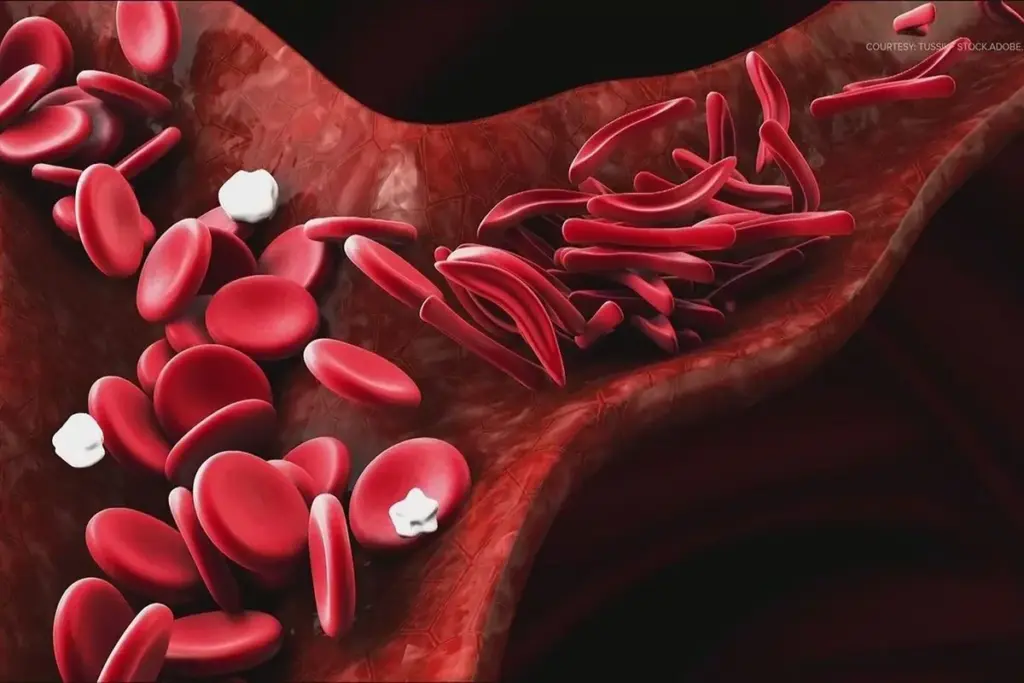
The average blood volume is about 7% of a person’s body weight. This means for every kilogram of weight, there’s about 70 milliliters of blood. For someone weighing 70 to 80 kilograms (154 to 176 pounds), they have around 5 to 5.6 liters of blood.
Average Blood Volume by Body Weight
To figure out blood volume based on weight, we use a simple formula. For adults, it’s about 70 milliliters per kilogram of weight. Here are a few examples:
|
Body Weight (kg) |
Blood Volume (liters) |
Blood Volume (pints) |
|---|---|---|
|
50 |
3.5 |
7.4 |
|
70 |
4.9 |
10.4 |
|
90 |
6.3 |
13.3 |
This table shows how blood volume goes up with weight. Remember, this is just an average. Actual blood volume can differ from person to person.
Variations in Blood Volume Among Different Demographics
Blood volume can change a lot among different groups because of age, sex, and health. For example:
- Children and Infants: They have more blood per kilogram of body weight than adults.
- Pregnant Women: They have more blood to support the growing baby and for delivery.
- Athletes: They might have more blood because of more muscle and oxygen needs.
These differences show how tricky it is to guess blood volume. In some medical cases, we need to measure it more precisely.
Blood Components and Their Functions
blood components
Blood is made up of different parts, each important for our health. Knowing about these parts helps us see how our bodies heal from blood loss and stay balanced.
Red Blood Cells: Oxygen Carriers
Red blood cells carry oxygen from the lungs to our body’s tissues. They have a protein called hemoglobin that holds onto oxygen. A healthy adult has about 25 trillion red blood cells, which is key for delivering oxygen to our tissues.
White Blood Cells: The Immune Defense
White blood cells are key to our immune system. They fight infections by attacking and destroying harmful invaders. There are many types of white blood cells, each with its own role in protecting us.
Platelets and Plasma: Clotting and Transport
Platelets help our blood to clot when a vessel is injured. They form a clot that stops bleeding. Plasma, the liquid part of blood, carries proteins, nutrients, and hormones. It makes up about 55% of our blood.
|
Component |
Function |
Approximate Percentage of Blood Volume |
|---|---|---|
|
Red Blood Cells |
Oxygen Transport |
45% |
|
White Blood Cells |
Immune Defense |
1% |
|
Platelets |
Blood Clotting |
1% |
|
Plasma |
Transport of Proteins, Nutrients, Hormones |
55% |
Knowing about blood’s parts and what they do shows how amazing our bodies are at healing from blood loss. An adult human has about 5 liters (or 10.5 pints) of blood, which is about 7% of our body weight.
The Blood Production Process
blood production process
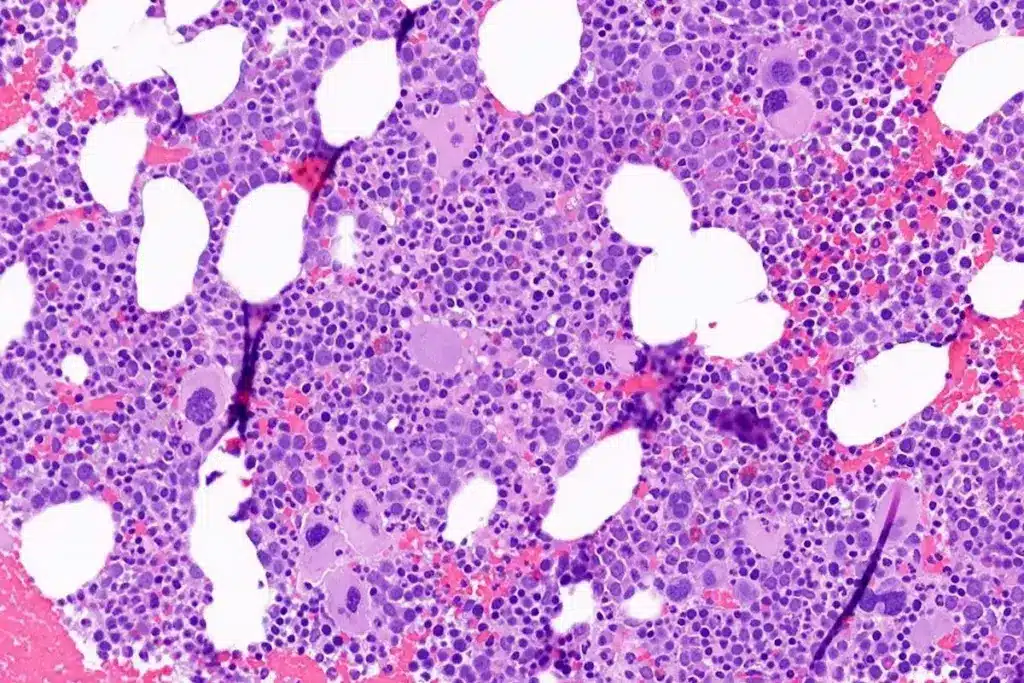
Blood production, or hematopoiesis, happens mainly in the bone marrow. It’s a complex process. It creates the different parts of blood, like red and white blood cells, and platelets.
Hematopoiesis: How Your Body Makes Blood
Hematopoiesis is how the body makes blood cells. It starts with hematopoietic stem cells. These cells can turn into any blood cell type.
Many growth factors and cytokines control this process. They make sure the body makes the right blood cells at the right time.
This process never stops. The body must replace old or damaged blood cells all the time. For example, red blood cells last about 120 days. New ones are needed to keep tissues oxygenated.
The Role of Bone Marrow in Blood Production
The bone marrow is inside some bones, like the hips and thighbones. It’s where blood cells are made. It has a lot of blood vessels and hematopoietic stem cells.
The bone marrow’s environment helps blood cells grow and mature. Then, they go into the blood stream.
A healthy bone marrow is key for normal blood cell counts. Things like some medicines, radiation, or diseases can harm it. This can affect blood production and health.
How Your Body Recovers Blood After Loss
blood regeneration process
Blood loss sets off a series of body responses to get blood volume back to normal. When we lose blood, whether from injury, surgery, or donation, our body starts a complex recovery.
The Timeline of Blood Regeneration
The time it takes to replace lost blood varies. It depends on how much blood was lost and our health. Usually, the body can replace lost blood in 24 to 48 hours. But, some blood parts take longer to get back.
Red blood cells, key for oxygen transport, take 3 to 6 weeks to fully replace. This depends on iron, vitamin B12, and folate levels.
- The plasma volume is restored within a few days.
- Platelet count typically returns to normal within 3 to 5 days.
- Red blood cell mass takes several weeks to fully recover.
Factors That Affect Recovery Speed
Many things can affect how fast we recover from blood loss. These include:
- Overall Health: People with health issues may recover slower.
- Nutritional Status: Eating enough iron, vitamins, and minerals helps blood regeneration.
- Age: Older people might have a harder time regenerating blood compared to the young.
Knowing these factors helps us support our body’s recovery after blood loss.
Blood Loss: When to Be Concerned
blood volume in human body
It’s important to know the signs of blood loss to get medical help fast. Blood loss, or hemorrhage, can happen for many reasons like injuries or surgery. Knowing about the different types of blood loss and their health effects is key.
Different Types of Blood Loss
Blood loss can be divided into types based on where and how much it happens. The main types are:
- External Blood Loss: This is when you see blood outside the body, usually from injuries or cuts.
- Internal Blood Loss: This bleeding is inside the body and can be harder to find. It might come from injuries, ulcers, or other internal issues.
Symptoms of Significant Blood Loss
Significant blood loss can cause many symptoms, including:
- Dizziness or fainting
- Rapid heartbeat
- Low blood pressure
- Cold, clammy skin
- Shortness of breath
These signs mean the body isn’t getting enough blood. If not treated quickly, it can lead to shock.
An adult human body has about 10 pints of blood, which can vary by weight and size. Knowing how many pints of blood are in the human body helps understand how serious blood loss is.
|
Type of Blood Loss |
Common Causes |
Symptoms |
|---|---|---|
|
External |
Injuries, wounds |
Visible bleeding, swelling |
|
Internal |
Trauma, ulcers, internal injuries |
Dizziness, low blood pressure, rapid heartbeat |
When to Seek Medical Attention
If you or someone else is losing a lot of blood, get medical help right away. Red blood cells are crucial for carrying oxygen. Losing a lot of them can cause oxygen deprivation. Knowing what do red blood cells do shows why quick medical help is so important.
Doctors can figure out how bad the blood loss is and treat it. They might give blood transfusions or other treatments to help the patient.
Blood Donation: What Happens to Your Body
blood donation process
Blood donation is safe and helps your body recover. When you donate, you help others and also help your body. It’s a way to give back and take care of yourself.
Amount of Blood Donated
At a blood donation session, you give about one pint of blood. This is a small part of the 5 liters of blood in an average adult’s body.
Think of it this way: an adult’s body has 4.5 to 6 liters of blood. Donating one pint is about 10% of that.
The Recovery Process After Donation
After donating, your body starts to make more blood. It can replace plasma in 24 hours. But, it takes a few weeks to make more red blood cells.
How fast you recover depends on your health, diet, and how much water you drink. Eating foods rich in iron can also help.
How Often Can You Safely Donate?
How often you can donate blood safely depends on several things. For whole blood, it’s usually every 8 weeks (56 days). This lets your body recover and make more blood.
Always follow the rules set by health groups and donation centers. This ensures you’re donating safely and not risking your health.
Calculating Blood Volume in Body
Knowing the total blood volume in the human body is key for medical care. It helps doctors diagnose and treat patients. Blood volume affects how well a treatment works.
Doctors use different ways to guess blood volume. They look at body weight and height. These guesses help them figure out blood loss, plan transfusions, and manage fluids.
Standard Formulas for Blood Volume Estimation
There are formulas to guess blood volume. One simple way is to use body weight. Adults usually have about 7% of their body weight in blood.
- Average Blood Volume Calculation: For a 70 kg adult, blood volume is about 4900 mL (7% of 70 kg).
- Nadler Formula: This formula considers gender, height, and weight for a more accurate guess.
These formulas are a good start. But, blood volume can change due to age, fitness, and health issues.
How Medical Professionals Measure Blood Volume
Directly measuring blood volume is hard in hospitals. So, doctors use indirect ways and math.
- Dye Dilution Technique: This method injects dye into the blood and measures its spread.
- Radioisotope Dilution: It uses radioactive tags to count red blood cells or plasma for precise volume.
These precise methods are used in research or special cases. They need special tools and are complex.
Getting blood volume right is crucial for doctors. It helps them care for patients better, especially in emergencies.
Blood Circulation in Human Body
The circulatory system is key for delivering oxygen and nutrients. It’s a complex network that keeps our tissues and organs working right.
The Path of Blood Through Your Body
Blood circulation starts with the heart, pumping blood all over. The blood’s journey is as follows: deoxygenated blood goes back to the heart via veins. Then, it’s pumped to the lungs to get oxygen.
After getting oxygen, the blood heads back to the heart. From there, it’s sent out to the body through arteries.
How Circulation Affects Blood Health
Good blood circulation is vital for health. Bad circulation can cause heart disease and harm organs. Lifestyle, health, and some medical conditions can affect it.
Let’s look at how much blood an adult has. Adults usually have 4.5 to 5.5 liters of blood. That’s about 7% of their body weight.
|
Body Weight (kg) |
Average Blood Volume (liters) |
|---|---|
|
50 |
3.5 |
|
70 |
4.9 |
|
90 |
6.3 |
Keeping blood circulation healthy is key for well-being. Regular exercise, a balanced diet, and not smoking help a lot.
Nutritional Support for Blood Recovery
Eating well is key to keeping blood cells healthy and helping the body recover after losing blood. When we lose blood, our body needs the right nutrients to make and replace blood cells.
Iron-Rich Foods for Red Blood Cell Production
Iron is vital for making red blood cells, which carry oxygen. Eating foods high in iron helps replace red blood cells after losing blood.
- Red meat: Beef, lamb, and pork are great sources of iron.
- Poultry: Chicken and turkey have iron, but less than red meat.
- Fish and seafood: Some fish and shellfish, like clams and sardines, are iron-rich.
- Legumes: Beans, lentils, and chickpeas are iron-rich, even for vegetarians.
- Leafy greens: Spinach, kale, and collard greens have iron, but it’s harder for the body to absorb.
Vitamins and Minerals That Support Blood Health
Other nutrients are also important for blood health. Vitamin B12 helps make red blood cells, and folate is needed for DNA in new cells. Vitamin C helps the body absorb iron, and vitamin K is key for blood to clot.
|
Nutrient |
Role in Blood Health |
Food Sources |
|---|---|---|
|
Iron |
Red blood cell production |
Red meat, poultry, fish, legumes, leafy greens |
|
Vitamin B12 |
Red blood cell production |
Meat, fish, poultry, eggs, dairy products |
|
Folate |
DNA synthesis for new cells |
Leafy greens, legumes, citrus fruits, fortified cereals |
|
Vitamin C |
Iron absorption |
Citrus fruits, strawberries, bell peppers, broccoli |
|
Vitamin K |
Blood clotting |
Leafy greens, fermented foods, fatty fish |
Hydration and Blood Volume
Drinking enough water is vital for blood volume. Water keeps blood thin and flowing well through blood vessels. Not drinking enough can lower blood volume, causing problems like low blood pressure and less oxygen and nutrient transport.
Eating a diet full of important nutrients and staying hydrated helps the body recover from blood loss.
Medical Conditions That Affect Blood Volume and Recovery
Some medical conditions can really mess with our body’s blood volume and recovery. It’s key to know about these to keep our health in check and ensure our blood stays healthy.
Anemia and Its Impact on Blood Health
Anemia means not enough red blood cells or hemoglobin, making it hard for tissues to get oxygen. This can really hurt our blood volume and how well we recover. There are many types of anemia, like iron-deficiency, vitamin deficiency, and anemia of chronic disease.
Iron-deficiency anemia happens when we don’t have enough iron for hemoglobin. This can be due to not eating enough iron, losing blood too much, or needing more iron. Vitamin deficiency anemia is caused by not having enough B12 or folate, which are key for making red blood cells.
Blood Disorders That Impair Recovery
Blood disorders can also mess with our body’s ability to recover blood volume. Leukemia, lymphoma, and myelodysplastic syndromes can mess with blood cell production, causing anemia, infections, and bleeding problems.
Leukemia is a blood and bone marrow cancer that makes too many bad white blood cells. This can push out the good cells, making it hard to fight off infections, carry oxygen, and stop bleeding.
Chronic Diseases and Blood Production
Chronic diseases can really affect how our body makes blood and recovers. Diseases like chronic kidney disease, rheumatoid arthritis, and cancer can cause anemia and other blood issues.
For example, chronic kidney disease can lower erythropoietin, a hormone that helps make red blood cells, leading to anemia. Rheumatoid arthritis can cause anemia of chronic disease, where inflammation lowers red blood cell production and increases destruction.
|
Medical Condition |
Effect on Blood Volume/Recovery |
Common Causes |
|---|---|---|
|
Anemia |
Reduces red blood cells or hemoglobin, affecting oxygen delivery |
Iron deficiency, vitamin deficiency, chronic disease |
|
Leukemia |
Impairs normal blood cell production, leading to anemia, infections, and bleeding |
Genetic mutations, radiation exposure, certain chemicals |
|
Chronic Kidney Disease |
Decreases erythropoietin production, leading to anemia |
Diabetes, hypertension, kidney damage |
It’s vital to understand these medical conditions and how they affect our blood volume and recovery. By tackling the root causes, we can help keep our blood healthy and ensure we recover well.
Blood Transfusions: When Natural Recovery Isn’t Enough
Severe blood loss can be life-threatening. A blood transfusion is often the only way to save someone. It’s a key part of medical care when the body can’t recover on its own.
Understanding the Blood Transfusion Process
A blood transfusion moves blood from a donor to a patient. It’s used when someone loses a lot of blood due to injury, surgery, or illness. The transfusion goes through an IV in the arm, watched closely by doctors.
First, doctors check if the patient’s blood type matches the donor’s. This is key to avoid bad reactions.
Risks and Benefits of Blood Transfusions
Blood transfusions have good and bad sides. They can quickly fix blood loss and help tissues get oxygen. But, there are risks like reactions, infections, and changes to the immune system.
To lower these risks, blood banks and hospitals have strict rules. Patients are watched closely during and after the transfusion for any bad reactions.
The Importance of Blood Types and Compatibility
Blood type is very important in transfusions. There are A, B, AB, and O types, each with Rh positive or negative. Making sure the blood matches the patient’s type is crucial to avoid dangerous reactions.
Knowing someone’s blood type and matching it during transfusions is vital. It keeps the patient safe and healthy.
Exercise and Blood Health: The Connection
Exercise is vital for better blood circulation and heart health. It helps our body get the oxygen and nutrients it needs. This is key for our tissues to function well.
Impact of Physical Activity on Blood Volume
Exercise changes blood volume in several ways. Our body makes more blood when we exercise to meet muscle needs. This is good for our heart health.
Studies show that regular exercise can increase blood volume. This is good for both athletes and non-athletes. Endurance training, for example, can expand plasma volume. This helps with blood flow and prevents dehydration during exercise.
Also, exercise boosts red blood cell production. This helps our body carry more oxygen.
Exercise Recommendations for Optimal Blood Health
To keep blood healthy through exercise, mix different types of physical activity. Include aerobic exercises, strength training, and flexibility exercises. Aerobic activities like walking, cycling, or swimming are great for heart health and blood flow.
- Aim for at least 150 minutes of moderate-intensity aerobic exercise per week.
- Incorporate strength training exercises at least twice a week to improve muscle mass and overall metabolic health.
- Include flexibility exercises, such as yoga or stretching, to enhance flexibility and reduce muscle soreness.
Remember, the right exercise intensity and duration depend on your fitness level and health. Always talk to a healthcare professional before starting a new exercise routine, especially if you have health issues.
Modern Research on Blood Regeneration
Medical science has made big strides in understanding blood regeneration. New discoveries are helping us learn how our bodies recover lost blood. This knowledge is leading to new treatments for blood problems.
Scientific Advances in Understanding Blood Recovery
Studies reveal that the average human body has about 5 liters of blood. This amount can change based on weight and other factors. Knowing how much blood we have helps us understand how it’s made and replaced.
The process of making blood is complex. It involves many cell types and growth factors working together. By studying this, scientists are finding new ways to help our bodies make more blood.
Emerging Treatments for Blood Disorders
New treatments are being developed as we learn more about blood regeneration. For example, there are therapies to boost red blood cell production for anemia. Also, research shows that diet and hydration play a big role in blood health.
Knowing how much blood we have and how it changes is key to making effective treatments. New research points to personalized blood health plans. These plans consider each person’s unique blood volume.
We’re on the verge of a new era in blood regeneration research. Breakthroughs could soon change how we treat blood-related diseases.
Conclusion: Understanding Your Body’s Remarkable Blood Recovery System
We’ve looked into how our bodies recover from blood loss. This involves many organs and processes working together. An adult’s blood volume is about 4.5 to 5.5 liters, depending on their weight and other factors.
Knowing how much blood we have and how it regenerates is key. It shows how amazing our bodies are at healing from blood loss. The amount of blood in our bodies is carefully controlled. Its recovery is affected by our diet, health, and any medical conditions we might have.
By living a healthy life, knowing the dangers of blood loss, and caring for our blood health, we help our bodies heal. This knowledge helps us take care of ourselves better. It ensures our bodies work at their best.
FAQ
How much blood is in the human body?
On average, an adult has about 5 liters of blood. This is roughly 10.5 pints. It makes up about 7% of our total body weight.
What is the role of red blood cells in the body?
Red blood cells carry oxygen to our body’s tissues and carbon dioxide back to the lungs. They have a protein called hemoglobin. This protein helps carry oxygen throughout our body.
How does the body recover lost blood?
Our body can replace lost blood through hematopoiesis. This is when the bone marrow makes new blood cells. How fast we recover depends on how much blood we lost, our health, and what we eat.
What factors influence blood volume?
Several things affect our blood volume. These include our body weight, age, sex, and overall health. For example, blood volume changes with age and sex.
How often can you safely donate blood?
How often you can donate blood depends on your health and how much blood you’ve donated. Usually, you can donate whole blood every 56 days. Platelet donors can donate more often.
What are the nutritional elements that support blood recovery?
Eating iron-rich foods and staying hydrated is key for blood recovery. Iron helps make red blood cells. Vitamins like B12 and folate also help make blood cells.
How does exercise affect blood health?
Exercise can improve blood health by boosting circulation and making more red blood cells. But, too much exercise can cause blood loss and dehydration.
What medical conditions can affect blood volume and recovery?
Some health issues, like anemia and blood disorders, can impact blood volume and recovery. These conditions can make it hard for the body to make blood cells.
How is blood volume calculated?
Blood volume is estimated using formulas based on body weight and demographics. Doctors can also measure it through dilution methods and imaging studies.
What is the process of blood transfusion?
Blood transfusion moves blood or blood parts from a donor to a recipient. It’s important to match blood types to avoid bad reactions.
References
https://my.clevelandclinic.org/health/diagnostics/17683-hematocrit



 Departments
 Related Videos
 Our Doctors
 News
News