
The human body has about 5 liters of blood. This vital fluid carries oxygen and nutrients to our cells and organs. Losing a lot of blood can cause serious health problems. So, it’s key to recover blood for our health.
Blood recovery is a complex process. It involves many physiological mechanisms. Knowing these mechanisms helps us understand the importance of healthy blood circulation and overall well-being.
Key Takeaways
- Blood is crucial for human health, bringing oxygen and nutrients.
- The body has natural ways to recover blood after loss.
- Nutrition and hydration are important for blood recovery.
- Certain medical conditions can impact blood recovery.
- Understanding blood recovery helps keep us healthy.
The Vital Role of Blood in Human Health

Blood is essential to health, transporting oxygen, nutrients, and waste throughout the body. It keeps us well by doing many important jobs.
Functions of Blood in the Body
Blood does many important things. It moves oxygen to our cells and carbon dioxide to the lungs. It also carries nutrients and waste to where they need to go.
It helps keep our body temperature right and keeps the acid-base balance. It can also clot to stop too much bleeding when we get hurt.
Why Blood Recovery Matters
Getting blood back after losing it is very important. Losing blood means we lose the stuff our body needs to work right. Getting blood back helps our body keep working well.
It stops problems like anemia and helps our immune system stay strong. This is why blood recovery is so important.
How Much Blood Is in the Human Body
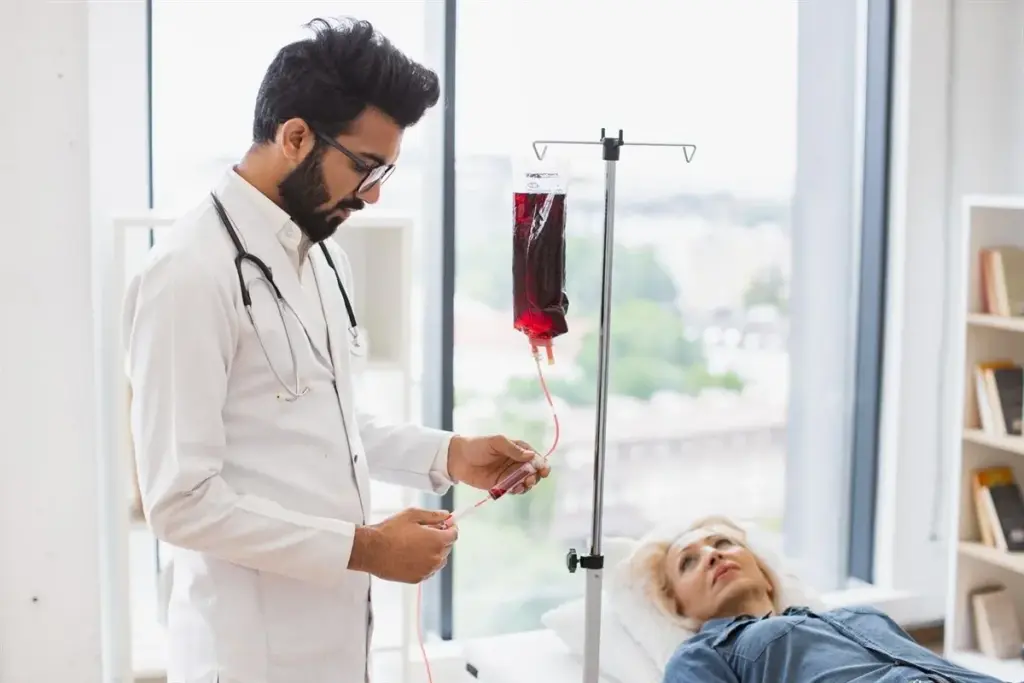
The human body has a certain amount of blood, which changes based on weight and gender. Blood is key for our body’s health, carrying oxygen, nutrients, and hormones. Knowing how much blood we have helps us understand its role.
Average Blood Volume by Weight and Gender
On average, people have about 70 milliliters of blood for every kilogram of body weight. For someone weighing 70 kilograms (154 pounds), this means they have about 4.9 liters of blood. But, this amount can differ from person to person, influenced by gender and health.
Men usually have more blood than women because of their larger size and muscle mass. This is why men’s blood volume is often 5-6 liters, while women’s is about 4-5 liters.
- Men: Average blood volume is about 5-6 liters.
- Women: Average blood volume is typically around 4-5 liters.
Normal Blood Volume Ranges
Having the right amount of blood is crucial for our body’s functions. If blood volume is off, it could mean health problems. For adults, a normal blood volume is between 4 and 6 liters, depending on size, gender, and health.
Things like how hydrated we are, our altitude, and some health conditions can affect blood volume. Keeping our blood volume in the normal range is key for staying healthy.
Blood Composition and Formation
Blood is a complex fluid made up of different parts, each crucial for our health. Knowing about these parts helps us see how our bodies heal after losing blood.
Red Blood Cells: Production and Function
Red blood cells carry oxygen to all parts of our body. They have hemoglobin, a protein that holds onto oxygen. This lets oxygen reach our tissues. These cells are made in the bone marrow, thanks to a hormone called erythropoietin.
White Blood Cells and Platelets
White blood cells are key to our immune system, fighting off infections. There are many types, like neutrophils and lymphocytes. Platelets help blood clot, stopping too much bleeding when a vessel is hurt.
Plasma and Its Components
Plasma is the liquid part of blood, making up 55% of it. It’s mostly water, with proteins, nutrients, and waste. Plasma proteins help keep blood volume up and support clotting.
Knowing about blood’s makeup and how it’s made is key to understanding how our bodies recover from blood loss.
The Blood Circulation System
It’s important to know how blood moves through our body. This helps us understand how we stay alive. The blood circulation system, or cardiovascular system, is a complex network. It carries blood all over our body.
How Blood Circulates Through Your Body
Blood circulation is key for delivering oxygen and nutrients to our cells. It also removes waste. The journey starts with the heart, pumping blood into arteries.
As blood moves through arteries, it gets smaller and smaller. It finally reaches capillaries. This is where oxygen, nutrients, and waste are exchanged.
The Heart’s Role in Blood Distribution
The heart is a muscular organ at the center of blood circulation. It has four chambers: the right and left atria, and the right and left ventricles. The heart pumps blood all over our body.
The ventricles are key in pumping blood out of the heart. This is how blood moves through our body.
|
Chamber |
Function |
|---|---|
|
Right Atrium |
Receives deoxygenated blood from the body |
|
Left Atrium |
Receives oxygenated blood from the lungs |
|
Right Ventricle |
Pumps deoxygenated blood to the lungs |
|
Left Ventricle |
Pumps oxygenated blood to the body |
Understanding Blood Loss
Blood loss is a serious medical issue. It can happen from injuries, surgeries, or health problems. Knowing about blood loss helps in giving the right care.
Common Causes of Blood Loss
Blood loss can come from injuries like cuts or broken bones. It can also happen during surgeries. Health issues, like stomach ulcers or heavy periods, can cause blood loss too. Finding out why it happens is key to treating it right.
Symptoms of Acute and Chronic Blood Loss
Acute blood loss shows up quickly with signs like dizziness and fast heart rate. Chronic blood loss might show up as tiredness and short breath over time. Spotting these signs early is important for getting help fast.
How the Body Initially Responds to Blood Loss
When blood loss happens, the body tries to keep important organs working. It does this by tightening blood vessels, beating the heart faster, and directing blood to essential areas. Knowing how the body reacts helps doctors manage blood loss better.
The Body’s Natural Blood Recovery Process
The human body can recover from blood loss in a complex way. It uses cells and hormones to do this. This process is key to staying healthy and responding to injuries or blood donations.
Hematopoiesis: How Your Body Creates New Blood Cells
Hematopoiesis is how the body makes new blood cells. It happens mainly in the bone marrow. There, stem cells turn into red blood cells, white blood cells, and platelets.
This process is vital for replacing lost blood cells. It’s important for injuries, diseases, or when we donate blood.
Many growth factors and hormones control this process. For example, erythropoietin helps make red blood cells. Thrombopoietin helps make platelets. Knowing about hematopoiesis helps us understand how the body deals with blood loss.
Timeline for Natural Blood Regeneration
The time it takes for the body to make new blood varies. It depends on how much blood was lost, your health, and what you eat. Usually, the body can replace lost blood in 24 to 48 hours.
But, making new red blood cells and other parts takes longer. It can take 3 to 6 weeks.
|
Blood Component |
Regeneration Timeline |
|---|---|
|
Plasma Volume |
24-48 hours |
|
Red Blood Cells |
3-6 weeks |
|
Platelets |
3-7 days |
To help your body recover, eat well, drink plenty of water, and rest. Knowing how blood regeneration works helps us support our health better.
Essential Nutrients for Blood Recovery
Good nutrition is key for blood recovery. Certain nutrients help make new blood cells. When we lose blood, our body needs these nutrients to heal and stay healthy.
Iron: The Building Block of Hemoglobin
Iron is vital for blood recovery. It’s a main part of hemoglobin, which carries oxygen in red blood cells. Without enough iron, we can’t make enough healthy red blood cells, causing anemia.
Foods high in iron include red meat, poultry, fish, beans, lentils, and fortified cereals. Vitamin C helps our body absorb iron better. So, eating foods rich in vitamin C, like citrus fruits or bell peppers, with iron-rich foods is good.
B Vitamins and Folate for Blood Formation
B vitamins, especially folate (B9) and vitamin B12, are crucial for making red blood cells. Folate helps with DNA creation, and vitamin B12 is important for red blood cell production and the nervous system. Not having enough of these vitamins can cause anemia.
Foods high in folate are leafy greens, legumes, and fortified cereals. Vitamin B12 is found in animal products like meat, fish, and dairy.
Protein, Copper, and Other Supporting Nutrients
Other nutrients are also important for blood recovery. Protein helps build and fix tissues, including blood cells. Copper aids in making red blood cells by helping iron release from the liver.
Other nutrients like vitamin B6 and vitamin E also help. Vitamin B6 is involved in making hemoglobin, and vitamin E protects red blood cells from damage. Eating a variety of whole foods can give us these essential nutrients.
Hydration and Blood Volume Maintenance
Hydration is key for blood health. Drinking enough water helps keep blood volume right. This is vital for delivering oxygen and nutrients to our bodies.
How Water Intake Affects Blood Consistency
Drinking water affects how thick our blood is. When we drink enough, our blood flows well. But, not drinking enough can make blood thicker, which is bad for our heart.
Proper hydration keeps blood plasma balanced. This is important for blood flow and heart health.
Optimal Hydration Strategies for Blood Health
To keep blood healthy, drink lots of water. Aim for eight glasses a day, but it can vary. Check your urine color to see if you’re drinking enough; pale yellow is good.
Eating hydrating foods like fruits and veggies also helps. They add to our water intake and support blood health.
By focusing on hydration, we help our bodies work better. Drinking enough water is a simple way to keep our blood flowing well.
Blood Donation: Recovery After Giving Blood
Donating blood is a kind act that can save lives. It’s important to know how your body recovers after. When you donate blood, you lose a lot of fluid and cells. This can make you feel different for a while.
How Much Blood Is Collected During Donation
A blood donation usually takes about one pint (450-500 ml) of blood. This is safe for most adults. It’s about 10% of the total blood volume in an average adult.
Post-Donation Recovery Timeline
The body recovers quickly after blood donation. Here’s what happens:
- Immediately after donation: Your body starts to replace the lost fluids.
- Within 24-48 hours: Your body replaces the lost blood cells and plasma.
- Within a few weeks: Your iron stores are back to normal, and your blood volume is fully restored.
Nutritional Support After Blood Donation
Eating a balanced diet is key to recovery. Iron-rich foods like red meat, spinach, and fortified cereals help replace iron. Also, vitamin C foods like citrus fruits or bell peppers help iron absorption.
Drinking lots of water is also important. It helps keep your blood volume and health up.
Medical Interventions for Severe Blood Loss
Medical interventions are key in managing severe blood loss. When a lot of blood is lost, the body can’t keep blood flowing well. This can lead to shock, organ failure, and even death if not treated quickly.
Severe blood loss can happen from trauma, surgery, or internal bleeding. In these cases, quick medical help is needed to replace lost blood and keep organs getting enough oxygen.
Blood Transfusions: Process and Recovery
Blood transfusions are vital for severe blood loss. They involve putting blood or blood parts into the patient’s blood to increase blood volume and oxygen delivery. Compatibility testing is key to avoid bad reactions.
- Pre-transfusion testing: Checks if the donor blood matches the patient’s blood.
- Transfusion process: Monitors the patient’s vital signs and looks for bad reactions.
- Post-transfusion care: Watches for late reactions and checks if the transfusion worked.
Blood Products and Alternatives
There are many blood products and alternatives for blood loss. These include red blood cells, platelets, and plasma. They can be given separately based on what the patient needs.
- Red blood cells: Helps with oxygen delivery in big blood loss.
- Platelets: Prevents or treats bleeding when platelet counts are low.
- Plasma: Fixes coagulopathy and replaces clotting factors.
New options like synthetic oxygen carriers and volume expanders are being made. They aim to solve the problems with blood transfusions.
Calculating and Monitoring Blood Volume
It’s key to figure out and keep an eye on blood volume to spot and handle blood loss issues. Blood volume shows how well someone is doing health-wise. By accurately measuring and watching blood volume, doctors can tell how bad the blood loss is and what treatment is needed.
Clinical Methods to Measure Blood Volume
There are several ways to measure blood volume in a clinical setting. Each method has its own strengths and weaknesses. Here are a few common ones:
- Dilution methods, which involve injecting a known quantity of a tracer substance into the bloodstream and measuring its concentration after it has mixed.
- Radioisotope dilution, where a radioactive tracer is used to measure blood volume.
- Biochemical assays that measure specific components of the blood to estimate total blood volume.
These methods give doctors important info about blood volume. This helps them make better choices for their patients.
At-Home Signs of Healthy Blood Volume
While lab tests give exact numbers, there are home signs that show if blood volume is okay. These include:
|
Signs |
Description |
|---|---|
|
Normal urine output |
Adequate urine production indicates proper blood circulation and volume. |
|
Good skin turgor |
Skin that snaps back quickly when pinched suggests good hydration and blood volume. |
|
Normal heart rate |
A heart rate within the normal range can indicate sufficient blood volume. |
Watching these signs can help people spot blood volume problems early. If they notice any issues, they should see a doctor right away.
Blood Disorders Affecting Recovery
Blood disorders can really slow down the body’s healing from blood loss. They make it hard for the body to make new blood cells and get blood volume back.
Anemia: Types and Impact on Blood Recovery
Anemia means not enough red blood cells or hemoglobin. This makes it tough for the body to carry oxygen. There are many types, like iron-deficiency anemia and anemia of chronic disease.
These types can make it hard for the body to make new red blood cells or hemoglobin. Knowing the type of anemia helps manage its effects on blood recovery.
Other Conditions That Impair Blood Regeneration
Other blood disorders can also mess with blood regeneration. Leukemia, lymphoma, and myelodysplastic syndromes can stop the bone marrow from making healthy blood cells. Disorders like thrombocytopenia or hemophilia can also make it hard to stop bleeding or form clots.
Handling these conditions needs a full plan. This includes medical care and changes in lifestyle to help blood health.
Exercise and Blood Health Optimization
Regular exercise boosts our body’s ability to make healthy blood cells. It triggers important processes that help our blood stay healthy. Adding exercise to our daily life helps our body recover and keep blood functioning well.
How Physical Activity Enhances Blood Production
Exercise makes our body produce more erythropoietin (EPO), a hormone that helps make red blood cells. It also improves our heart’s health, making it better at moving oxygen and nutrients. This leads to better blood production and health overall.
Exercise Recommendations During Blood Recovery
When recovering from blood loss, it’s key to find the right balance between exercise and rest. Gentle activities like yoga or short walks help without overdoing it. As you get healthier, you can start doing more intense exercises. Always listen to your body and talk to healthcare professionals before changing your workout routine.
|
Exercise Type |
Intensity |
Benefits for Blood Health |
|---|---|---|
|
Aerobic Exercises |
Moderate to High |
Improves cardiovascular health and EPO production |
|
Yoga |
Low |
Aids in recovery and reduces stress |
|
Resistance Training |
Moderate to High |
Enhances muscle strength and overall health |
Medications and Supplements for Blood Recovery
Recovering from blood loss is not just about the body’s natural healing. It also involves medications and supplements. When we lose blood, our body needs to make new blood cells and increase blood volume. Sometimes, we need medical help to support this process.
Prescription Treatments for Blood Disorders
People with blood disorders often need prescription medicines. For example, those with anemia might take iron supplements or medicines that help make more red blood cells. This helps our body get more oxygen. Others with bleeding disorders might need special treatments to stop too much bleeding.
- Erythropoietin for stimulating red blood cell production
- Iron supplements for treating iron-deficiency anemia
- Clotting factor concentrates for managing bleeding disorders
Over-the-Counter Supplements for Blood Health
OTC supplements can also help with blood health. Iron, vitamin B12, and folate supplements help make more red blood cells. Vitamin C helps our body use iron better, and omega-3 fatty acids are good for our heart. Always talk to a doctor before taking any supplements.
- Consult with a healthcare provider before starting supplements
- Choose high-quality supplements from reputable manufacturers
- Follow the recommended dosage to avoid adverse effects
Lifestyle Factors That Accelerate Blood Recovery
Lifestyle greatly affects how fast we recover blood. Sleep and managing stress are key. Our daily habits and choices play a big role in how well our bodies can make new blood cells and get healthy again.
Sleep Quality and Blood Cell Production
Good sleep is crucial for making blood cells. Our body fixes and makes new cells, including blood cells, when we sleep. Good sleep quality helps with blood recovery. Research shows that not sleeping enough can weaken the immune system and slow down blood cell production.
Stress Management for Optimal Blood Health
Too much stress can harm blood health by weakening the immune system and affecting blood cell production. Doing stress-reducing activities like meditation, yoga, or deep breathing can help. By reducing stress, we support our body’s natural blood recovery.
Conclusion: Maintaining Optimal Blood Health
Keeping our blood healthy is key to feeling good. We’ve looked at how blood works and how it helps our bodies. We’ve also talked about how to help our blood recover, like with good food, water, and exercise.
Knowing how our bodies make and move blood helps us stay healthy. This knowledge lets us choose better foods and activities. It helps our bodies recover and stay strong.
We’re committed to sharing top health tips. We want everyone to use blood recovery strategies every day. This way, we all stay healthy and ready for life’s challenges.
FAQ
How much blood is in the human body?
On average, an adult has about 5 liters of blood. This amount can change based on weight and gender.
What is the average blood volume by weight and gender?
Blood volume is about 7% of body weight. For adults, this means males have around 5-6 liters and females have 4-5 liters on average.
What are the normal blood volume ranges?
For adults, normal blood volume is between 4 to 6 liters. It can vary based on size, sex, and other factors.
How does the body recover blood after loss?
The body makes new blood cells through a process called hematopoiesis. Good nutrition, like iron and B vitamins, helps this process.
What are the essential nutrients for blood recovery?
Key nutrients for blood recovery are iron, B vitamins (like B12), folate, protein, and copper. They help make red blood cells and other blood parts.
How does hydration affect blood volume?
Drinking enough water is key for blood volume. It keeps blood the right consistency, ensuring it circulates well and delivers oxygen.
How much blood is collected during a donation?
About 450-500 milliliters (1 pint) of blood is taken during a donation.
How long does it take to recover after blood donation?
It takes 24-48 hours for the body to replace lost blood after donation. It takes a few weeks for red blood cells to get back to normal.
What is the role of the heart in blood circulation?
The heart pumps blood all over the body. It supplies oxygen and nutrients to tissues and organs. It’s vital for blood circulation and health.
What are the common causes of blood loss?
Blood loss can come from injuries, surgeries, menstrual bleeding, and some medical conditions like ulcers or cancer.
How does the body initially respond to blood loss?
At first, the body tries to keep vital organs working by increasing heart rate and narrowing blood vessels.
What are the symptoms of acute and chronic blood loss?
Acute blood loss symptoms include dizziness, fast heartbeat, and low blood pressure. Chronic blood loss can cause fatigue, weakness, and shortness of breath.
How can physical activity enhance blood production?
Regular exercise boosts red blood cell production. It improves blood health by better circulation and oxygen demand.
What lifestyle factors accelerate blood recovery?
Good sleep, managing stress, and a balanced diet rich in nutrients help speed up blood recovery.
What is anemia, and how does it affect blood recovery?
Anemia is when there’s not enough red blood cells or hemoglobin. It makes it hard to carry oxygen. It impacts blood recovery and health.
How are blood transfusions used in medical interventions?
Blood transfusions replace lost blood due to surgery, injury, or disease. They help restore blood volume and improve oxygen delivery.
Reference
National Center for Biotechnology Information. Evidence-Based Medical Insight. Retrieved from https://pmc.ncbi.nlm.nih.gov/articles/PMC5825862/[1



 Departments
 Related Videos
 Our Doctors
 News
News