Traumatic brain injuries (TBI) affect millions worldwide. The severity of the injury determines the treatment approach. TBI can range from mild, like a brief change in mental status, to severe, causing extended unconsciousness or memory loss.
At our institution, we know that effective treatment starts with accurate diagnosis and injury assessment. Our approach includes a detailed overview of diagnosis, treatment options, and rehabilitation strategies. These are tailored to meet each individual’s needs.
Key Takeaways
- Traumatic brain injury treatment varies based on the severity of the injury.
- Accurate diagnosis is key for finding the best treatment.
- Rehabilitation is vital in recovering from TBI.
- Our institution offers complete care for TBI patients.
- Effective treatment needs a personalized approach.
Understanding Traumatic Brain Injury (TBI)
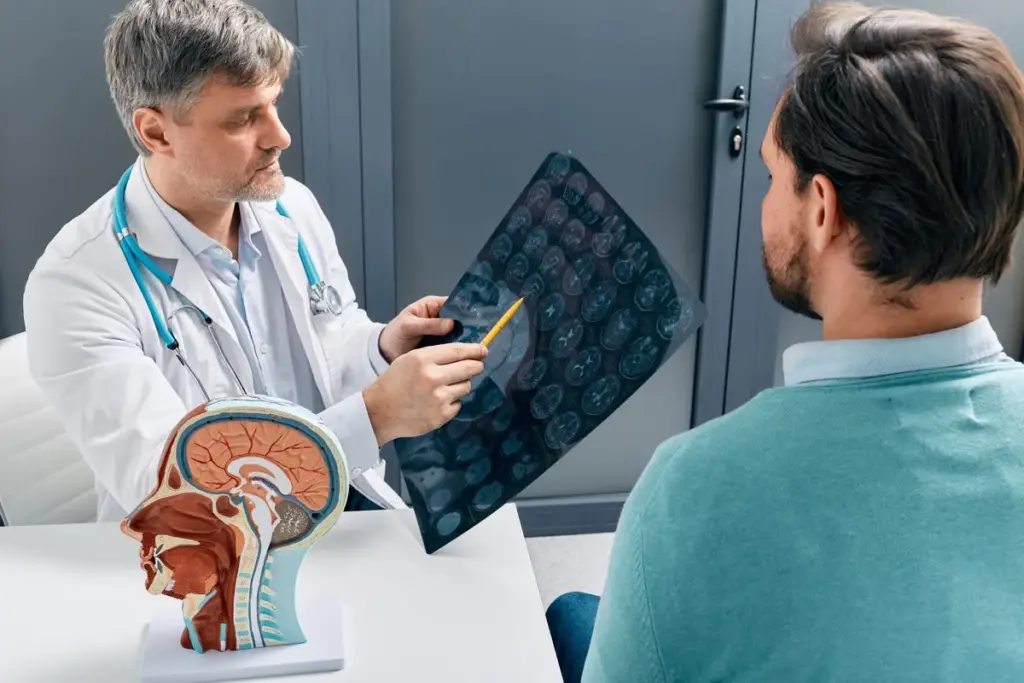
Traumatic Brain Injury, or TBI, happens when something outside the body hurts the brain. This can cause problems with thinking and moving. It’s a big health issue that needs careful attention and treatment.
Definition and Classification
TBI is caused by outside forces that damage the brain. Doctors use the Glasgow Coma Scale (GCS) to check how well someone is doing. The GCS score goes from 3 to 15, with higher numbers meaning better brain function.
TBI is split into three levels: mild, moderate, and severe. Mild TBI, or concussion, usually has short-term effects. Moderate to severe TBI can cause lasting problems with thinking, feeling, and moving.
Common Causes of Traumatic Brain Injury
TBI can come from many things, like falls, car crashes, sports injuries, and fights. Sometimes, it’s a direct hit to the head, and sometimes it’s from a force that moves the brain inside the skull. Knowing why TBI happens helps us prevent and treat it.
Learning about TBI’s definition, types, and causes helps us deal with it better. TBI is complex, so we need a detailed plan for care, from first check-ups to helping people get better.
Concussion Symptoms and Warning Signs
Knowing the signs of a concussion is key to better patient care. Concussions are a type of brain injury that can show symptoms right away or later. Spotting these signs early helps in managing and recovering from the injury.
Immediate Physical Symptoms
Right after a concussion, you might feel a headache, dizziness, or nausea. Some people get blurred vision, are sensitive to light or noise, or feel very tired. In serious cases, seizures or feeling confused and disoriented can happen.
Cognitive and Emotional Symptoms
After a concussion, you might find it hard to focus or remember things. You could also feel irritable, anxious, depressed, or have mood swings. These feelings can make everyday tasks and relationships tough.
Red Flags Requiring Emergency Care
Some symptoms need you to go to the hospital right away. Look out for severe headaches, repeated vomiting, getting more confused or upset, losing consciousness, or if your pupils are not the same size. If you see any of these, get emergency help fast.
It’s vital to watch for these symptoms and get medical help when needed. Quick action and the right care can greatly improve recovery chances.
Diagnosis of Traumatic Brain Injury
Diagnosing traumatic brain injury (TBI) is a detailed process. It includes an initial check, a neurological exam, and advanced imaging. Accurate diagnosis is key for treating TBI effectively.
Initial Assessment and Neurological Examination
The first step in diagnosing TBI is a detailed medical history and physical check. We look at the patient’s consciousness, thinking skills, and any signs of brain damage. This helps us understand how severe the injury is.
A neurological exam is also important. It checks the brain’s functions, like nerve function and reflexes. We use tools like the Glasgow Coma Scale (GCS) to measure the injury’s severity.
Advanced Diagnostic Imaging
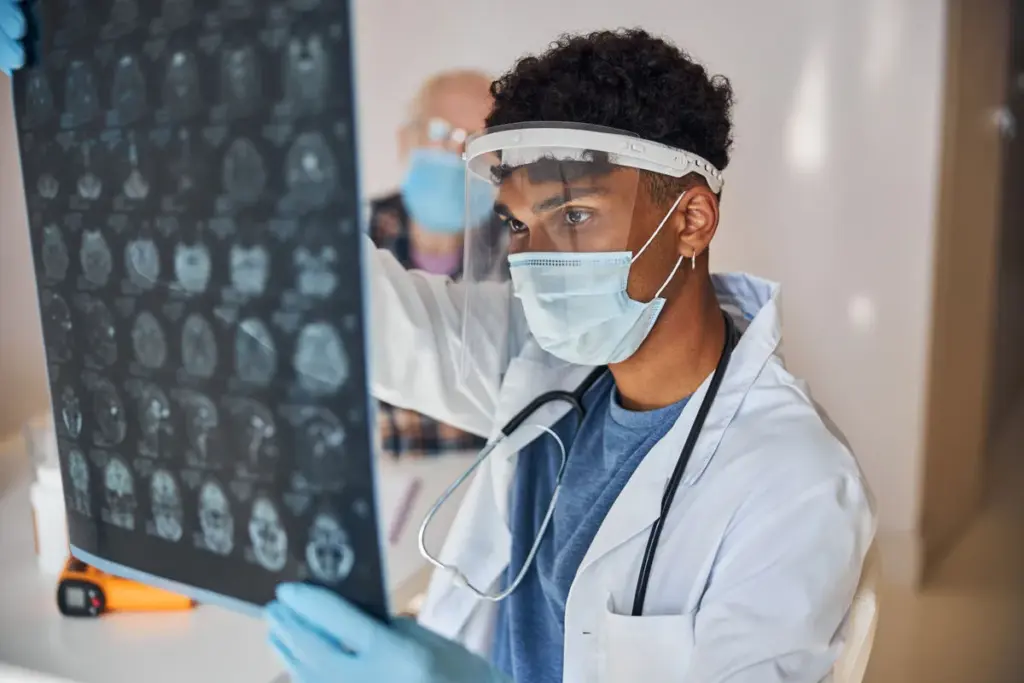
Advanced imaging is a big part of diagnosing TBI. We use CT scans and MRI to see the brain and find damage. CT scans are quick and spot serious injuries like bleeding.
MRI gives us detailed brain images. It’s good for finding small injuries and damage to brain tissue. We might also use diffusion tensor imaging (DTI) to see brain tracts and injury extent.
In summary, diagnosing TBI needs a mix of clinical checks and advanced imaging. Knowing how we diagnose TBI helps us manage it better and improve patient care.
Emergency Treatment for Severe TBI
Emergency care for severe traumatic brain injury aims to save lives and prevent more harm. When someone with severe TBI arrives, the medical team acts fast. They work to save the patient’s life and prevent further damage.
Stabilization and Critical Care Protocols
The first steps in treating severe TBI include stabilization and critical care protocols. These steps ensure the patient’s airway, breathing, and circulation (ABCs) are okay. This means:
- Ensuring enough oxygen to avoid hypoxia
- Keeping blood pressure stable to avoid high or low blood pressure
- Watching the intracranial pressure (ICP) for any increases
Surgical Interventions for Brain Trauma
In some cases, surgical interventions are needed. These surgeries help relieve brain pressure, fix damaged blood vessels, or remove blood clots. The choice to operate depends on the injury’s severity, the patient’s condition, and what the scans show.
Some common surgeries for TBI include:
- Decompressive craniectomy to ease pressure
- Removing subdural or epidural hematomas
- Fixing skull fractures
Medical Management of Moderate to Severe TBI
Managing moderate to severe TBI needs a detailed plan. We must tackle the injury’s immediate effects and long-term impacts.
Medications for Brain Injury Treatment
Medicines are key in treating TBI symptoms and preventing complications. We use drugs to stop seizures, reduce swelling, and manage symptoms. For example, anticonvulsants help prevent seizures right after the injury.
Key medications include:
- Anticonvulsants to prevent seizures
- Diuretics to reduce intracranial pressure
- Sedatives to manage agitation
Managing Intracranial Pressure
Keeping intracranial pressure (ICP) in check is vital for TBI treatment. High ICP can cause more brain damage. So, we use ICP monitoring devices to watch and control it.
Here are ways to manage ICP:
- Draining cerebrospinal fluid to reduce pressure
- Administering medications to reduce swelling
- Implementing hyperventilation to temporarily reduce ICP
By managing ICP well, we can stop more brain damage and help patients recover better.
Treatment Approaches for Mild TBI and Concussion
Treating mild TBI and concussion involves rest, managing symptoms, and watching for complications. Each person’s recovery is different. It’s key to understand this.
Rest and Gradual Return to Activities
Rest is vital for treating mild TBI and concussion. First, patients should avoid hard work and exercise. This lets the brain heal.
Slowly getting back to normal activities is also important. It helps avoid making symptoms worse.
“Going back to normal too fast can slow down recovery,” studies show. We suggest slowly increasing activity levels. Watch for any signs of getting worse.
Symptom Management Strategies
Managing symptoms well is key in treating mild TBI and concussion. This might include medicine or other methods. For headaches, over-the-counter pain relievers might be suggested. For dizziness and balance, vestibular rehabilitation therapy is helpful.
- Over-the-counter pain relievers for headache management
- Vestibular rehabilitation therapy for dizziness and balance issues
- Cognitive rest and relaxation techniques for cognitive symptoms
Monitoring for Delayed Complications
Watching for complications later on is a big part of treatment. Some people might have symptoms that last or get worse. This might mean they need more help or a different plan.
Comprehensive Rehabilitation Therapies
Rehabilitation is key in treating and helping patients with TBI get better. It includes many different therapies. These therapies help people regain their skills, improve their life quality, and become independent.
Each patient gets therapies that fit their needs. They work on physical, cognitive, and emotional challenges. Our team includes physical therapists, occupational therapists, speech-language pathologists, and more.
Physical Therapy Interventions
Physical therapy is very important for TBI patients. It helps them get stronger, more flexible, and mobile. Physical therapists help improve balance, coordination, and physical function. Some of the things they do include:
- Exercise programs to enhance strength and endurance
- Balance and coordination training
- Gait training to improve walking ability
Occupational Therapy Approaches
Occupational therapy helps patients do daily tasks that matter to them. Occupational therapists teach skills for living on your own, like:
- Personal care and hygiene
- Cooking and meal preparation
- Household management
They also make homes safer and more accessible for patients.
Speech and Language Therapy
Speech and language therapy is vital for TBI patients with communication problems. Speech-language pathologists help improve:
- Speech articulation and clarity
- Language comprehension and expression
- Cognitive-communication skills
The goal is to make communication easier for patients.
|
Therapy Type |
Focus Areas |
Goals |
|---|---|---|
|
Physical Therapy |
Strength, flexibility, balance, coordination |
Improve physical function and mobility |
|
Occupational Therapy |
Daily living skills, independence |
Enable performance of meaningful activities |
|
Speech and Language Therapy |
Communication skills, cognitive-communication |
Enhance effective communication |
Cognitive Rehabilitation Strategies
Cognitive rehabilitation is key for those recovering from brain injuries. We know everyone faces different challenges. So, we tailor our strategies to meet each person’s needs.
Our goal is to boost functions like attention, memory, and executive function. We aim to help people regain their independence and improve their life quality.
Attention and Memory Training
Improving attention and memory is vital in cognitive rehab. We use various methods and exercises to enhance focus and memory. These might include:
- Attention training exercises to boost focus and concentration
- Memory strategies to improve recall and recognition
- Compensatory techniques to aid daily tasks
Executive Function Improvement
Executive function includes planning, problem-solving, and decision-making. Our programs focus on improving these skills. This includes:
- Cognitive training to enhance planning and organization
- Problem-solving exercises to sharpen critical thinking
- Decision-making strategies to support independence
By using these strategies, we help people with brain injuries. They see big improvements in their cognitive abilities and life quality.
Psychological Support and Mental Health Treatment
Psychological support is key for those dealing with a traumatic brain injury. It helps them handle the emotional and mental health effects. TBI can cause depression, anxiety, and mood swings, making mental health support vital for recovery.
Counseling and Psychotherapy Options
Counseling and psychotherapy are important for TBI patients. These therapies help them deal with their feelings and find ways to cope. Cognitive-behavioral therapy (CBT) is effective because it helps patients change negative thoughts that cause distress.
Family therapy is also helpful. It involves family members in the recovery process. This improves communication and understanding within the family, helping everyone cope with TBI’s effects.
Managing Depression and Anxiety After TBI
Depression and anxiety are common after a TBI. Managing these conditions requires a mix of treatments, including medication, therapy, and lifestyle changes. Antidepressants and anxiolytics can help manage symptoms.
Changing your lifestyle is also important. Regular exercise, a healthy diet, and enough sleep can improve mental health. Doing things that bring joy and fulfillment can help regain a sense of purpose.
With the right psychological support and mental health treatment, people with TBI can better navigate their recovery. This improves their overall quality of life.
Emerging and Experimental Treatments
New treatments for traumatic brain injury (TBI) are being developed. These new options offer hope for better patient outcomes and quality of life. We are looking into various new therapies that show promise in treating TBI.
Hyperbaric Oxygen Therapy Research
Hyperbaric oxygen therapy (HBOT) is being studied as a TBI treatment. It involves breathing pure oxygen in a pressurized room or chamber. Research suggests HBOT may reduce inflammation and help the brain heal.
A study in the Journal of Neurotrauma found HBOT improved cognitive function in chronic TBI patients. But, more research is needed to fully understand its benefits and how to use it best.
Stem Cell and Gene Therapy Advances
Stem cell therapy and gene therapy are new treatments for TBI. Stem cells can turn into different cell types, which could repair brain damage. Gene therapy aims to change or replace genes to improve cell function.
Animal studies have shown promising results for stem cell therapy, which may reduce brain damage and improve function. Gene therapy has also shown promise in early studies, but human trials are just starting.
|
Therapy Type |
Potential Benefits |
Current Status |
|---|---|---|
|
Hyperbaric Oxygen Therapy |
Reduced inflammation, improved cognitive function |
Clinical trials ongoing |
|
Stem Cell Therapy |
Repair of damaged brain tissue |
Preclinical and early clinical trials |
|
Gene Therapy |
Modification or replacement of genes to improve cellular function |
Preclinical and early clinical trials |
Neurostimulation Techniques
Neurostimulation techniques like transcranial magnetic stimulation (TMS) and transcranial direct current stimulation (tDCS) are being studied. They aim to improve cognitive and motor function in TBI patients. These methods are non-invasive and aim to boost brain activity and recovery.
Studies have shown TMS and tDCS can improve cognitive function and reduce depression symptoms in TBI patients. More research is needed to find the best protocols and who should use them.
As we learn more about TBI and explore new treatments, it’s important to be cautious and evidence-based. Ongoing research and clinical trials will help us understand the safety and effectiveness of these new therapies.
Long-term Management and Post-Concussion Syndrome
Post-concussion syndrome needs careful long-term management. It’s not just about immediate care. It’s about a full approach to handle long-term effects.
Recognizing Post-Concussion Syndrome
Post-concussion syndrome is when symptoms like headaches and dizziness last more than 10 to 14 days after a concussion. These symptoms can really affect someone’s daily life. It makes it hard to get back to normal activities.
Symptoms of post-concussion syndrome can differ a lot from person to person. Common issues include:
- Headaches and migraines
- Dizziness and balance problems
- Fatigue and sleep disturbances
- Cognitive issues, such as memory problems and difficulty concentrating
- Emotional changes, including irritability and anxiety
Treatment Strategies for Chronic Symptoms
Managing chronic symptoms from post-concussion syndrome needs a mix of strategies. We use different methods to help reduce symptoms and improve life quality.
Treatment may include:
- Physical therapy to address balance and vestibular issues
- Cognitive rehabilitation to improve memory and concentration
- Medications to manage headaches, sleep disturbances, and other symptoms
- Lifestyle modifications, such as establishing a regular sleep schedule and avoiding activities that exacerbate symptoms
It’s key to work with healthcare professionals to create a treatment plan that fits you. Regular check-ups are also important. They help track progress and adjust the treatment if needed.
With a detailed and personalized approach, we can help people recover better. They can then get back to enjoying their life.
Prevention of Traumatic Brain Injury
We can lower the risk of traumatic brain injury by being proactive. Prevention means using protective gear, following safety rules, and having concussion plans. This is key in sports and fun activities.
Protective Equipment and Safety Measures
Using the right protective gear is a big step in preventing head injuries. Helmets for biking, football, or hockey are essential. Wearing a helmet that fits right can greatly lower injury risk. Also, wearing seatbelts and obeying traffic laws help prevent TBI.
Keeping homes and public areas safe is also important. This is true for older adults and young kids. Remove tripping hazards, install handrails, and make sure there’s enough light.
Concussion Protocols in Sports and Recreation
Having concussion plans in sports and fun activities is vital. Coaches, athletes, and parents need to know concussion signs and symptoms. This way, if a concussion is thought of, the person can be taken out of play right away.
A good concussion plan includes:
- Pre-season baseline tests
- Removing someone from play if a concussion is thought of
- Checking with a doctor
- A slow return to play plan
Following these steps helps avoid more injuries. It also makes sure athletes can safely get back to their activities.
Conclusion
Traumatic brain injury is a complex condition that needs thorough care. We’ve looked at the different parts of TBI, like what causes it and its symptoms. We’ve also talked about how to diagnose, treat, and help people recover.
Getting a proper diagnosis is key to good treatment. Advanced imaging helps a lot in this area. The treatment depends on how bad the TBI is. For severe cases, there’s emergency care and surgery. For mild concussions, rest and slowly getting back to normal activities are recommended.
Rehabilitation is a big part of getting better. It includes physical, occupational, and speech therapies. These help people get back to doing things they can do. New treatments like hyperbaric oxygen therapy and neurostimulation are being researched.
Preventing TBI is also important. Wearing protective gear and following safety rules can help. By understanding TBI and concussions, we can support people better in their recovery.
FAQ
What is the difference between a concussion and a traumatic brain injury (TBI)?
A concussion is a type of TBI. It happens when a blow to the head or body makes the brain move inside the skull. TBI is a broader term that includes many types of brain injuries, including concussions.
What are the common symptoms of a concussion?
Common symptoms of a concussion include headaches and dizziness. You might also feel confused, have memory problems, and experience emotional changes. Some symptoms appear right away, while others may show up later.
How is the severity of a TBI assessed?
The Glasgow Coma Scale is used to assess TBI severity. It checks a person’s consciousness and brain function. Other tests, like imaging and neurological exams, are also used.
What is post-concussion syndrome?
Post-concussion syndrome is when symptoms last for weeks, months, or years after a concussion. These can include headaches, dizziness, and cognitive problems. It can really affect daily life.
What are the treatment options for TBI?
Treatment for TBI depends on the injury’s severity. It might include emergency care, medical management, and rehabilitation. For mild TBI, rest and gradual activity return are common. Severe cases might need surgery and intensive rehab.
Can TBI be prevented?
While not all TBIs can be prevented, there are ways to lower the risk. Wear protective gear, follow safety rules, and use concussion protocols in sports and recreation.
What is the role of physical therapy in TBI rehabilitation?
Physical therapy is key in TBI rehab. It helps patients regain strength, balance, and mobility. Physical therapists also manage symptoms like pain and dizziness.
How long does it take to recover from a TBI?
Recovery time for TBI varies. It depends on the injury’s severity and treatment success. Some people recover in weeks, while others face ongoing symptoms.
What are the emerging treatments for TBI?
New treatments for TBI include hyperbaric oxygen therapy and stem cell therapy. Neurostimulation techniques are also being researched. These could improve outcomes and reduce symptoms.
How can I manage depression and anxiety after TBI?
Managing depression and anxiety after TBI needs a full approach. This includes counseling, psychotherapy, and medication. Working with a healthcare professional to create a personalized plan is essential.
Reference
National Center for Biotechnology Information. Evidence-Based Medical Insight. Retrieved from https://pubmed.ncbi.nlm.nih.gov/28403141/