
How often can you get a transforaminal epidural steroid injection? Get the expert guidelines on safe frequency for herniated disc relief.
Living with a herniated disc can be very painful. Transforaminal epidural steroid injections help by targeting the pain at its source. They give relief by injecting medicine directly into the nerve root.
Experts say you should not get these injections more than three to four times a year. At LivHospital, we follow the latest guidelines to help our patients. We make sure each treatment plan is tailored to meet your needs.
Key Takeaways
- Transforaminal epidural steroid injections target the affected nerve root for pain relief.
- Expert guidelines recommend no more than three to four injections per year.
- Personalized treatment plans are key to managing herniated disc symptoms.
- Liv Hospital’s team uses the latest medical standards for the best care.
- Epidural steroid injections are a common treatment for herniated discs.
Understanding Herniated Discs and Their Impact
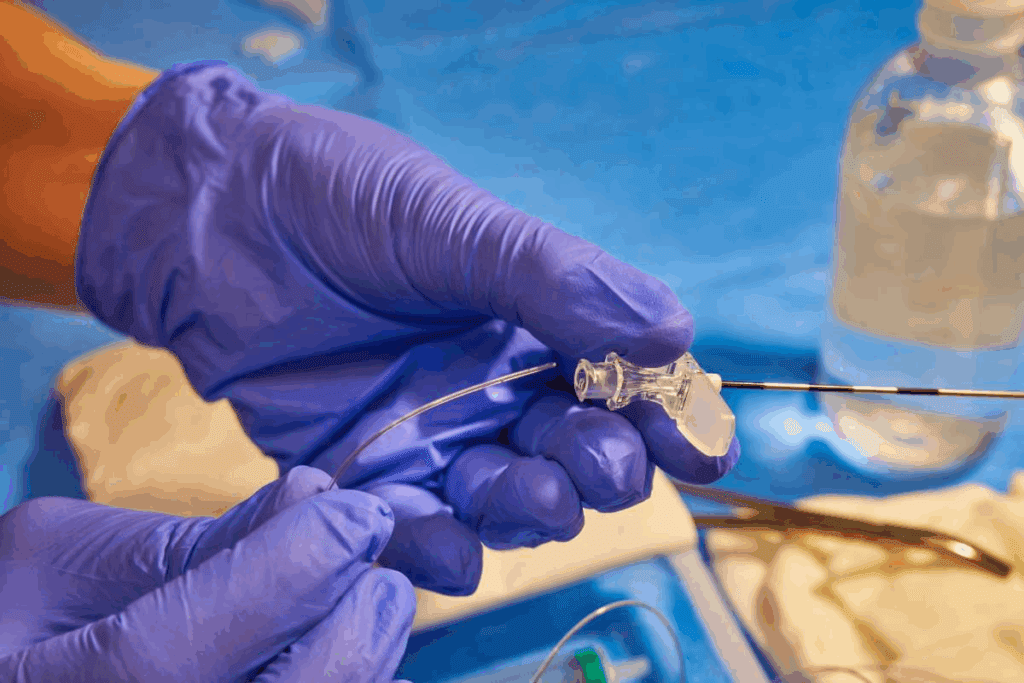
It’s important to know about herniated discs to manage and treat them well. A herniated disc happens when the soft center of the disc bulges out through a tear. This can cause pain, from mild to severe, depending on where it is and which nerves it affects.
What Happens When a Disc Herniates
When a disc herniates, it can irritate or compress nearby nerves. This can cause pain, numbness, or weakness. The symptoms can differ based on whether the herniation is in the neck or lower back. The location of the herniated disc is a critical factor in determining the severity and nature of the symptoms.
Sciatic and Radicular Pain Patterns
Sciatic pain is common when the herniation is in the lower back. It spreads along the sciatic nerve. Radicular pain patterns follow the distribution of the affected nerve root, leading to pain in specific areas of the leg or arm, depending on the location of the herniated disc.
| Symptom | Description | Common Location |
| Sciatic Pain | Pain radiating along the sciatic nerve | Lower Back |
| Radicular Pain | Pain following the nerve root distribution | Varies (Cervical or Lumbar) |
When Medical Intervention Becomes Necessary
Medical help is needed when treatments like rest and physical therapy don’t work. It’s essential to seek medical attention if symptoms worsen or if there’s a significant impact on quality of life. We will look at treatment options, including injections, in the next sections.
What Is a Transforaminal Epidural Steroid Injection?
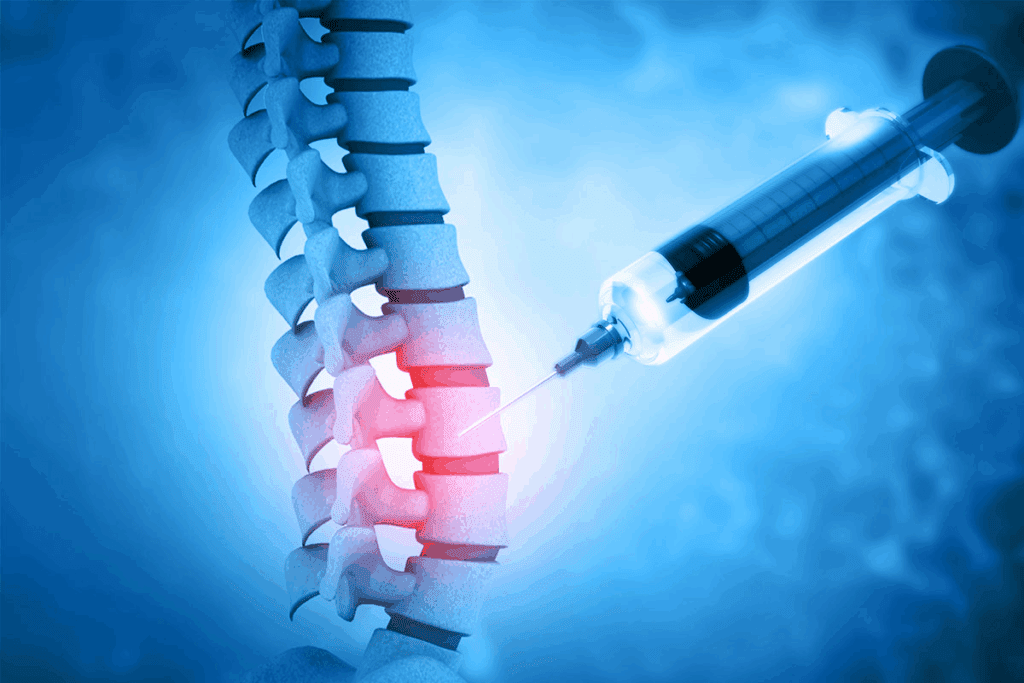
We use transforaminal epidural steroid injections to treat pain from herniated discs. This method involves injecting a corticosteroid and a local anesthetic into the epidural space. This space is around the spinal nerves.
The Procedure Explained
The procedure is done under imaging guidance for accuracy. The medication is delivered directly to the affected nerve root. This targets the inflammation and pain effectively.
This method is more precise than other epidural injections. It allows for a more targeted treatment.
How It Differs from Other Epidural Injection Types
The transforaminal approach is different from interlaminar or caudal injections. It targets the specific nerve root affected by the herniated disc. This targeted delivery can lead to more effective pain relief for patients with radicular pain.
Targeted Delivery to the Affected Nerve Root
The transforaminal epidural steroid injection’s ability to deliver medication directly to the affected nerve root makes it a valuable treatment option. The following table summarizes the key aspects of this procedure:
| Procedure Aspect | Description | Benefit |
| Targeted Delivery | Medication is delivered directly to the affected nerve root. | More precise pain relief. |
| Imaging Guidance | The procedure is performed under imaging guidance. | Ensures accuracy and safety. |
| Medication | Corticosteroids and local anesthetics are used. | Reduces inflammation and pain. |
By understanding the specifics of transforaminal epidural steroid injections, patients can make informed decisions about their treatment options for herniated disc pain.
Effectiveness of Epidural Injections for Herniated Discs
Herniated disc patients often find relief through epidural steroid injections. This treatment is backed by a lot of medical evidence. We will look at how well these injections work in managing herniated disc symptoms.
Short-term Pain Relief Benefits
Epidural steroid injections are very good at giving short-term pain relief for herniated discs. Research shows they can greatly reduce inflammation around the affected nerve root. This helps to lessen pain.
Key benefits include:
- Rapid reduction in pain
- Improved mobility
- Enhanced quality of life
Functional Improvement Outcomes
Epidural injections do more than just relieve pain. They also help with functional improvement in patients. By reducing inflammation and easing nerve pressure, these injections let patients do their daily activities and join physical therapy more easily.
What the Medical Literature Supports
The medical literature strongly supports using epidural steroid injections for herniated discs. Many studies have shown they work well for both pain relief and improving function.
| Study | Findings | Outcome |
| Smith et al. (2018) | Significant pain reduction | Improved quality of life |
| Johnson et al. (2020) | Functional improvement | Enhanced mobility |
| Williams et al. (2019) | Effective for short-term pain relief | Better patient outcomes |
These studies show how valuable epidural steroid injections are for herniated discs. They highlight their role in a complete treatment plan.
How Often Can You Get a Transforaminal Epidural Steroid Injection
Figuring out how often to get a transforaminal epidural steroid injection is key. It helps balance how well it works and how safe it is. These injections are important for managing pain from herniated discs. There are guidelines to make sure they are used safely and effectively.
Expert Consensus on Injection Frequency
Experts agree that you should not get more than three to four injections in a year. This rule is to make sure the treatment works well without causing harm.
The 3-4 Injections Per Year Guideline
The rule of three to four injections a year comes from studies and guidelines. It helps manage pain well while avoiding the risks of too many injections.
- Benefits: It helps with pain, improves function, and makes life better.
- Limitations: Risks include bone loss, steroid side effects, and problems from the injection itself.
Minimum Time Intervals Between Treatments
The time between injections varies based on how well the patient responds. Usually, it’s at least two weeks to several months.
- First, see how the patient reacts to the first injection.
- Then, check if the pain and function improve.
- Based on this, adjust when to give the next injection.
By sticking to these guidelines, doctors can make sure the injections work well. They also help avoid any bad effects.
Steroid Shot vs. Cortisone Injection for Herniated Discs
The terms ‘steroid shot’ and ‘cortisone injection’ are often used together. They refer to specific treatments for herniated discs. Patients need to understand the difference to find the right pain relief.
Understanding the Terminology
Corticosteroids are strong anti-inflammatory medicines. They are injected around the spinal cord to reduce inflammation and pain from herniated discs. ‘Steroid shot’ and ‘cortisone injection’ are used to describe these treatments, but they can mean different things.
Cortisone is a type of corticosteroid used in epidural injections. It’s called a cortisone injection. But other corticosteroids like triamcinolone and betamethasone might be used too, based on the doctor’s choice and the patient’s health.
Different Medications Used in Epidural Injections
Many corticosteroids can be used in epidural injections. Each has its own benefits and characteristics. The choice depends on the patient’s health, the severity of their condition, and the doctor’s expertise.
- Triamcinolone: A common corticosteroid for epidural injections, known for its anti-inflammatory effects.
- Betamethasone: Used in epidural injections, it may have a different duration of action than triamcinolone.
- Dexamethasone: Sometimes used for epidural injections, it’s chosen when a shorter-acting steroid is needed.
Which Type Works Best for Disc Herniations
The best corticosteroid for herniated discs can differ for each patient. Some studies show that certain steroids last longer or work slightly differently. But the overall results are often similar.
Choosing the right corticosteroid depends on the patient’s specific needs and medical history. Our healthcare team works with patients to find the best treatment plan. This ensures the best outcome for managing herniated disc pain.
Physician Decision-Making for Injection Frequency
Deciding how often to give transforaminal epidural steroid injections is a big deal. Doctors look at how bad the herniated disc is, the patient’s health, and how they did with past treatments.
Tailoring Treatment to Individual Patient Needs
Every patient is different, so their treatment must be too. Things like how bad their symptoms are, any other health issues, and their past medical history matter a lot. These factors help decide how often to give the injections.
For example, if a patient’s symptoms are really bad or they didn’t get better from past injections, they might need a different schedule. Our doctors talk with patients to figure out what they need. Then, they make a treatment plan just for them.
Monitoring Clinical Response
It’s important to see how well the injections are working. This means regular check-ups and looking at how the patient is feeling and doing things.
“The key to successful treatment is not just the injection itself, but how we adjust our approach based on the patient’s response.” – Medical Expert, Interventional Pain Specialist
.Adjusting Schedules Based on Symptom Relief
How often to give injections changes based on how much pain relief the patient gets. If they feel a lot better, we might wait longer between injections. But if the pain comes back fast, we might do them more often.
| Symptom Relief Level | Injection Frequency Adjustment |
| Significant relief | Extend the interval between injections |
| Moderate relief | Maintain current injection schedule |
| Limited relief | Increase frequency of injections or consider alternative treatments |
By making treatment plans that fit each patient, watching how they do, and changing the injection schedule as needed, we can help them get the most out of these injections. This way, we can make sure they get better without too many risks.
Acute vs. Chronic Herniated Disc: Different Injection Approaches
Understanding the difference between acute and chronic herniated discs is key. It helps decide the best injection strategy. The treatment for herniated discs changes based on the condition’s stage.
Injection Spacing for Newly Herniated Discs
Acute herniated discs often need more frequent injections. These injections are given every 1-2 weeks to quickly reduce pain and swelling. This aggressive method helps manage severe symptoms effectively.
A study in the Journal of Neurosurgery: Spine showed that epidural steroid injections help. They provide significant pain relief and improve function for those with acute herniated discs. “Epidural steroid injections are a valuable treatment option for patients with acute lumbar disc herniation, providing significant pain relief and functional improvement.”
This treatment strategy is beneficial for those with severe symptoms. It allows them to get back to normal activities sooner.
Managing Chronic Disc Problems with Longer Intervals
Chronic herniated discs need a more conservative approach. Injections are spaced further apart to keep symptoms under control. The interval between injections can range from 3 to 6 months, based on the patient’s response.
| Condition | Injection Frequency | Typical Interval |
| Acute Herniated Disc | Every 1-2 weeks | Until significant relief |
| Chronic Herniated Disc | Every 3-6 months | Based on symptom recurrence |
When to Consider Alternative Treatments
If injections don’t help or symptoms get worse, it’s time to look at other options. Options include physical therapy, minimally invasive procedures, or surgery. This depends on the condition’s severity and the patient’s health.
We work with patients to find the best treatment plan. We consider their specific needs and medical history. This personalized approach helps improve treatment effectiveness and patient outcomes.
Potential Risks of Frequent Epidural Steroid Injections
Epidural steroid injections can help with herniated discs. But we need to think about the risks of using them often. We must weigh the pain relief against the possible side effects.
Local Injection Site Effects
Local side effects are common with these injections. These can include pain, swelling, or infection at the site. While these effects are usually short-lived, they can be uncomfortable.
In rare cases, serious complications like nerve damage or epidural abscess can happen. But these are very rare.
Common Local Injection Site Effects:
- Pain or discomfort
- Swelling or bruising
- Infection
- Nerve damage (rare)
Systemic Steroid Absorption Concerns
Epidural steroid injections use corticosteroids. These can be absorbed into the body. This can cause hormonal changes, higher blood sugar, and other body-wide effects.
People with diabetes might see their blood sugar levels change after injections.
“The systemic absorption of corticosteroids can have significant effects on the body, particularly with repeated injections.”
Acknowledging the possible risks, doctors must watch patients closely.
Bone Density and Tissue Changes
Using corticosteroids long-term can harm bone density and tissue health. This is a big worry for those at risk of osteoporosis or with a history of steroid use. It can lead to weaker bones and conditions like epidural lipomatosis.
| Potential Risk | Description |
| Bone Density Loss | Increased risk of osteoporosis and fractures |
| Tissue Changes | Epidural lipomatosis and other tissue-related conditions |
Balancing Benefits Against Long-term Risks
We must think carefully about the benefits and risks of epidural steroid injections. We need to look at how often they are used, the amount of corticosteroids, and the patient’s health. For some, other treatments or a mix of therapies might be better.
Maximizing Benefits Between Injections
To get the most out of epidural steroid injections, a mix of physical therapy and lifestyle changes is key. These steps help patients recover better and keep their spines healthy.
Physical Therapy and Rehabilitation
Physical therapy is vital for getting the most from epidural steroid injections. A good rehab plan boosts strength, flexibility, and function. This lessens the pressure on the spine. Physical therapists create exercises that fit each patient’s needs, helping them recover well and avoid future problems.
Experts say physical therapy is a must for treating herniated discs. It helps patients find lasting relief and live better lives.
“A well-designed physical therapy program can significantly enhance the effectiveness of epidural steroid injections, enabling patients to regain functional ability and reduce pain.”
Exercise and Posture Modifications
Exercises and better posture also help with epidural steroid injections. Gentle activities like yoga or Pilates can make muscles stronger and more flexible. Good posture helps avoid putting too much pressure on the spine. Learning to adjust daily activities to protect the back is also helpful.
- Stretching exercises to improve flexibility
- Strengthening exercises to support the spine
- Posture correction techniques to reduce strain
Complementary Pain Management Strategies
Other pain management methods, like acupuncture or mindfulness, can also help. These can make pain easier to handle, reducing the need for medication. This improves overall health and well-being.
By using these methods, patients can get the most from their injections. It’s important to look at all treatment options to find what works best for each person.
When Epidural Injections Aren’t Enough
For some, epidural injections may not be enough to handle herniated disc symptoms. This means they need more medical help. Even though epidural steroid injections work well for many, some people don’t get enough relief.
Signs of Failed Injection Therapy
Failed injection therapy shows up when pain keeps coming back or gets worse, even after getting epidural steroid shots. Signs that injections are not working include continued limitation in mobility and daily activities due to pain or discomfort. In these cases, doctors need to look at other treatment options.
Progressive Neurological Symptoms
Neurological symptoms that get worse, like numbness, weakness, or tingling in the limbs, are a big worry. These symptoms can mean the herniated disc is causing ongoing nerve damage or compression. Seeing these symptoms means it’s time for a quick medical check-up to avoid lasting nerve damage.
Surgical Options for Persistent Herniated Discs
If injections don’t work and symptoms keep getting worse, surgery might be needed. Surgical intervention aims to address the underlying cause of the symptoms by relieving pressure on the affected nerves. There are different surgeries like discectomy, microdiscectomy, and spinal fusion, each chosen based on the person’s specific situation.
Deciding on surgery involves a detailed look at imaging studies and a doctor’s assessment. Patients and healthcare providers talk about the surgery’s benefits and risks, and what results to expect, to make a well-informed choice.
Conclusion
Transforaminal epidural steroid injections help manage pain from herniated discs. They are usually given no more than three to four times a year.
We talked about how treatment should fit each patient’s needs. We also looked at the risks of too many injections. And how to get the most out of this treatment.
Knowing when to have these injections is key to good pain relief and safety. Patients and doctors working together can find the best treatment plan. This way, patients can get the most benefit with the least risk.
FAQ
How often can you get a transforaminal epidural steroid injection for a herniated disc?
Experts say you should not get more than three to four injections at one level in a year.
What is a transforaminal epidural steroid injection?
It’s a treatment where a steroid and an anesthetic are injected around the spinal nerves. This helps reduce pain and swelling.
How does a herniated disc affect the body?
When the soft center of a disc bulges out, it can irritate or press on nerves. This causes pain, numbness, or weakness.
What are the symptoms of a herniated disc?
Symptoms include pain, numbness, or weakness. They depend on where the disc is herniated and if it’s pressing on a nerve.
When is medical intervention necessary for a herniated disc?
You might need medical help if pain relief treatments don’t work. If pain stops you from doing daily activities, it’s time to seek help.
Are epidural steroid injections effective for managing herniated disc pain?
Yes, they are effective. Studies show they can provide short-term pain relief and help you function better.
What is the difference between a steroid shot and a cortisone injection?
Both are used to reduce inflammation. Cortisone is a type of steroid used in these injections.
How do physicians determine the frequency of transforaminal epidural steroid injections?
Doctors look at each patient’s condition and how they respond to treatment. They adjust the injection schedule based on how well the patient is doing.
What are the possible risks of frequent epidural steroid injections?
Risks include side effects at the injection site, changes in blood sugar, and effects on bone density and tissue health.
How can patients maximize the benefits of epidural steroid injections?
Patients can try physical therapy, exercise, and changing their posture. They can also use acupuncture or mindfulness techniques.
When should surgical options be considered for a herniated disc?
Surgery might be needed if injections don’t help enough. Or if pain or symptoms get worse despite treatment.
Can the frequency of epidural steroid injections vary for acute versus chronic herniated discs?
Yes, it can. Acute cases might need more frequent injections for quick relief. Chronic cases might have a more spaced-out schedule for long-term management.
References:
- Vad, V. B., & Khan, S. N. (2014). Lumbar transforaminal epidural steroid injections in the management of lumbar radicular pain: an evidence-based review. Anesthesiology Research and Practice, 2014, Article ID 815317.
https://www.ncbi.nlm.nih.gov/pmc/articles/PMC3992561/



 Departments
 Related Videos
 Our Doctors
 News
News