Endometriosis is a complex condition that affects many women worldwide, causing significant discomfort and impairing quality of life. Liv Hospital is dedicated to providing advanced surgical care and individualized treatment pathways to empower patients throughout their endometriosis journey.
Laparoscopic excision is a minimally invasive surgical procedure that allows for direct visualization and precise removal of endometrial lesions. This approach is crucial in managing endometriosis, as it helps alleviate symptoms and improve fertility.
Understanding how often laparoscopic surgery can be performed is vital for patients and healthcare providers. We will explore the factors that influence the frequency of this procedure, ensuring a safe and effective treatment plan.
Key Takeaways
- Laparoscopic excision is a common treatment for endometriosis.
- The procedure involves removing endometrial lesions.
- Frequency of surgery depends on individual patient needs.
- Liv Hospital offers advanced surgical care for endometriosis.
- Personalized treatment plans are crucial for effective management.
Understanding Endometriosis and Its Impact
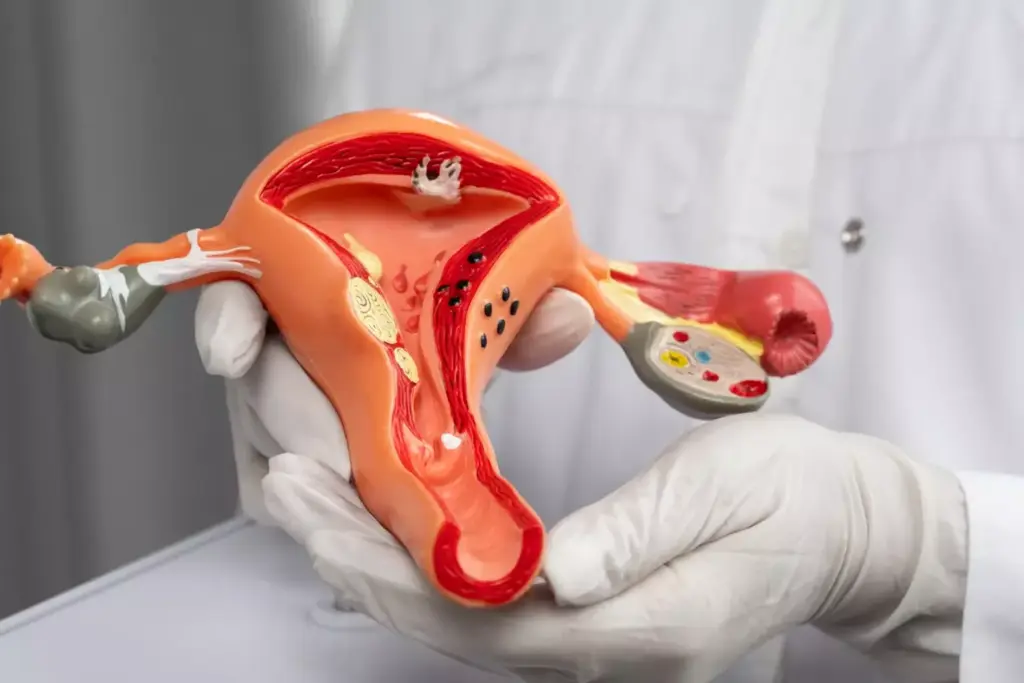
Understanding endometriosis is crucial for appreciating the treatment options available for this chronic and often debilitating condition. Endometriosis affects millions of women worldwide, causing significant discomfort and health issues that can profoundly impact their quality of life.
What Is Endometriosis?
Endometriosis is characterized by the growth of endometrial tissue outside the uterus, leading to inflammation, scarring, and adhesions. This misplaced tissue, still under the influence of hormonal fluctuations, can cause pain, discomfort, and various complications.
We recognize that endometriosis is not just a localized condition but can have far-reaching effects on a woman’s overall health and well-being. The condition is estrogen-dependent, and its symptoms can vary widely among affected individuals.
Common Symptoms and Complications
The symptoms of endometriosis can include pelvic pain, heavy or irregular menstrual bleeding, and infertility. If left untreated, endometriosis can lead to complications such as ovarian endometriomas, adhesions, and bowel or urinary tract involvement.
Common symptoms include:
- Pelvic pain or cramping during menstruation
- Heavy or prolonged menstrual bleeding
- Infertility or difficulty conceiving
- Digestive issues during menstruation
The Need for Surgical Intervention
Surgical intervention, particularly laparoscopic excision, is often necessary to manage endometriosis effectively. This approach allows for the removal of endometrial lesions and adhesions, potentially reducing pain and improving fertility outcomes.
We emphasize that surgical treatment should be considered as part of a comprehensive management plan, tailored to the individual needs and health status of each patient. Laparoscopic surgery offers a minimally invasive option with the potential for quicker recovery times compared to traditional open surgery.
Laparoscopic Excision of Endometriosis: The Procedure Explained
Understanding the laparoscopic excision procedure is crucial for patients considering surgical intervention for endometriosis. This technique has revolutionized the treatment of endometriosis by offering a minimally invasive approach with significant benefits.
Minimally Invasive Surgical Approach
Laparoscopic excision involves making small incisions in the abdomen to insert a laparoscope and specialized surgical instruments. This minimally invasive approach reduces tissue damage and trauma compared to traditional open surgery, leading to less post-operative pain and quicker recovery times.
We utilize advanced laparoscopic equipment to visualize the pelvic cavity and identify endometriotic lesions. The use of high-definition cameras and specialized instruments enables precise removal of these lesions.
Specialized Instruments and Techniques
The success of laparoscopic excision depends on the use of specialized instruments designed for delicate dissection and removal of endometriotic tissue. Surgeons may employ various techniques, including electrosurgery or laser surgery, to effectively excise the affected areas.
- Precision in removing endometriotic lesions
- Reduced risk of damage to surrounding healthy tissue
- Enhanced visualization through advanced laparoscopic technology
Excision vs. Ablation Methods
A critical aspect of laparoscopic treatment is the choice between excision and ablation methods. While ablation involves destroying the endometrial tissue, excision involves surgically removing the affected tissue. Studies have shown that excision is often more effective in providing long-term relief from symptoms.
“Excision of endometriosis is considered the gold standard for surgical treatment, offering better outcomes in terms of pain relief and reduced recurrence rates.”
Our surgeons prefer the excision method due to its precision and effectiveness. The decision between excision and ablation is made based on the individual patient’s condition and the extent of the disease.
By choosing laparoscopic excision, patients can benefit from a reduced risk of complications and a faster return to normal activities. It’s essential for patients to discuss their options with a qualified healthcare provider to determine the best course of treatment.
Diagnostic Laparoscopy for Endometriosis
When it comes to diagnosing endometriosis, diagnostic laparoscopy is considered the gold standard due to its high accuracy. This minimally invasive surgical procedure allows for a direct visual examination of the pelvic organs, enabling healthcare providers to identify endometrial lesions and assess the extent of the disease.
Gold Standard for Diagnosis
Diagnostic laparoscopy is revered for its ability to provide a definitive diagnosis of endometriosis. Unlike imaging techniques such as ultrasound or MRI, laparoscopy allows surgeons to directly visualize the pelvic cavity, identify lesions, and assess adhesions. This direct visualization is crucial for diagnosing endometriosis, as it enables the identification of lesions that may not be visible through other diagnostic methods.
Key benefits of diagnostic laparoscopy include:
- High sensitivity and specificity in diagnosing endometriosis
- Ability to identify lesions and adhesions directly
- Opportunity for surgical staging during the procedure
Sensitivity and Specificity Compared to Other Methods
Compared to other diagnostic methods, diagnostic laparoscopy offers superior sensitivity and specificity. While imaging techniques can provide valuable information, they often fall short in detecting smaller lesions or adhesions. Diagnostic laparoscopy, on the other hand, allows for a thorough examination of the pelvic cavity, reducing the likelihood of missed diagnoses.
| Diagnostic Method | Sensitivity | Specificity |
|---|---|---|
| Diagnostic Laparoscopy | High | High |
| Ultrasound | Moderate | Moderate |
| MRI | Moderate | High |
Surgical Staging During Diagnosis
One of the significant advantages of diagnostic laparoscopy is its ability to facilitate surgical staging during the procedure. By directly visualizing the extent of endometriosis, surgeons can stage the disease according to established classification systems, such as the rASRM (revised American Society for Reproductive Medicine) staging system. This staging is critical for determining the appropriate treatment plan and predicting outcomes.
By combining diagnosis and staging in a single procedure, diagnostic laparoscopy streamlines the diagnostic process, reducing the need for additional surgeries and enabling timely intervention.
Laparoscopic Treatment of Endometriosis
The laparoscopic approach to treating endometriosis has revolutionized the field of gynecological surgery. By utilizing minimally invasive techniques, we can significantly reduce recovery time and improve patient outcomes.
Excision Techniques for Different Lesions
Excision techniques are crucial in the laparoscopic treatment of endometriosis. Complete removal of endometriotic lesions is often the goal, as it can lead to better symptom management and improved quality of life.
Different types of lesions may require specialized excision techniques. For instance, superficial lesions can often be removed with relative ease, while deeper lesions may require more precision and care.
“The key to successful laparoscopic treatment of endometriosis lies in the thorough removal of all endometrial implants, which can significantly improve patient outcomes.”
Diathermy and Other Destruction Methods
Diathermy is another method used in the laparoscopic treatment of endometriosis. This technique involves using electrical currents to destroy endometrial tissue. While effective, it’s essential to weigh the benefits and potential risks.
- Diathermy can be effective for certain types of endometriotic lesions.
- It’s crucial to consider the patient’s overall health and the extent of the disease.
- Combining diathermy with excision techniques may offer the best outcomes in some cases.
Immediate Benefits and Outcomes
The immediate benefits of laparoscopic treatment for endometriosis can be significant. Patients often experience reduced pain and improved symptoms shortly after the procedure.
| Benefit | Description |
|---|---|
| Reduced Recovery Time | Laparoscopic surgery typically allows for quicker recovery compared to open surgery. |
| Less Post-Operative Pain | Minimally invasive techniques often result in less tissue trauma and, consequently, less pain. |
| Improved Symptom Management | Effective removal or destruction of endometriotic lesions can lead to better symptom control. |
According to recent data, laparoscopic treatment offers significant symptom relief and can improve fertility outcomes for many patients. By choosing the right treatment approach, we can tailor our care to meet the individual needs of each patient.
Complex Cases: Bowel and Deep Infiltrating Endometriosis
When endometriosis involves the bowel or deeply infiltrates surrounding tissues, a multidisciplinary approach becomes essential. Complex cases of endometriosis present unique challenges that require specialized surgical strategies and a comprehensive treatment plan.
Specialized Approaches for Bowel Involvement
Bowel endometriosis, where endometrial tissue grows on or infiltrates the bowel wall, necessitates a tailored surgical approach. Laparoscopic excision is often the preferred method, as it allows for precise removal of the affected tissue while minimizing damage to surrounding structures. We utilize advanced laparoscopic techniques to ensure thorough excision and reduce the risk of recurrence.
“The surgical management of bowel endometriosis requires a delicate balance between removing all diseased tissue and preserving bowel function,” notes a leading expert in the field.
Managing Deep Infiltrating Endometriosis
Deep infiltrating endometriosis (DIE) is characterized by endometrial tissue deeply infiltrating the surrounding organs and tissues. Managing DIE requires a nuanced understanding of the extent of the disease and a strategic surgical plan. We employ advanced imaging techniques to accurately assess the extent of DIE and plan the most effective surgical approach.
The use of multidisciplinary surgical teams is crucial in managing complex cases like DIE. Our team collaborates closely with specialists from various disciplines to ensure comprehensive care.
Multidisciplinary Surgical Teams
The complexity of cases involving bowel or deep infiltrating endometriosis demands a collaborative approach. Our multidisciplinary team includes surgeons, radiologists, and other specialists who work together to develop a personalized treatment plan. This teamwork ensures that all aspects of the disease are addressed, improving outcomes and patient satisfaction.
By integrating the expertise of various specialists, we can offer comprehensive care that not only addresses the immediate surgical needs but also considers the long-term health and well-being of our patients.
“A multidisciplinary approach is not just beneficial; it’s essential for managing complex endometriosis cases effectively.”
Factors Determining Frequency of Laparoscopic Procedures
Understanding the factors that affect the frequency of laparoscopic surgeries is crucial for managing endometriosis. The decision on how often to undergo these procedures depends on several critical elements.
Symptom Recurrence Patterns
One of the primary factors influencing the frequency of laparoscopic procedures is the pattern of symptom recurrence. Symptom recurrence can vary significantly among individuals, with some experiencing a rapid return of symptoms while others may have a longer symptom-free period.
We observe that the rate of symptom recurrence is a key determinant in planning subsequent laparoscopic surgeries. For instance, if symptoms recur quickly after a procedure, it may indicate a more aggressive form of endometriosis, necessitating more frequent interventions.
Disease Progression Considerations
The progression of endometriosis is another crucial factor that affects how often laparoscopic procedures are performed. Disease progression can lead to more severe symptoms and complications, such as adhesions, ovarian endometriomas, or deep infiltrating endometriosis.
We consider the stage and severity of endometriosis when determining the frequency of laparoscopic surgeries. Advanced stages may require more frequent interventions to manage symptoms and prevent further complications.
Patient-Specific Health Factors
Individual patient health factors also play a significant role in determining the frequency of laparoscopic procedures. Factors such as overall health, age, and reproductive plans are taken into account when planning treatment.
For example, younger patients or those planning to conceive may require a different treatment schedule compared to older patients or those who are not planning pregnancy. We tailor our approach to each patient’s unique needs and health status.
By considering these factors, we can develop a personalized treatment plan that addresses the specific needs of each patient, optimizing the frequency of laparoscopic procedures for effective endometriosis management.
Recovery Between Laparoscopic Surgeries
For patients undergoing repeated laparoscopic procedures for endometriosis, understanding the recovery dynamics is essential. The recovery process between surgeries can significantly impact overall health outcomes and the success of subsequent procedures.
Typical Recovery Timeline
The typical recovery timeline after laparoscopic surgery for endometriosis can vary depending on the individual’s overall health and the complexity of the procedure. Generally, most patients can expect to return to their normal activities within a few weeks.
We recommend that patients follow a structured recovery plan, which includes:
- Adequate rest and relaxation
- Gradual return to physical activities
- Follow-up appointments with their healthcare provider
Healing Considerations for Repeat Procedures
When it comes to repeat laparoscopic procedures, several healing considerations come into play. The body’s ability to heal from subsequent surgeries can be influenced by factors such as the presence of adhesions, overall tissue health, and the patient’s adherence to post-operative instructions.
Key factors that influence healing include:
| Factor | Description | Impact on Healing |
|---|---|---|
| Adhesion Presence | Adhesions from previous surgeries | Can complicate subsequent surgeries |
| Tissue Health | Overall condition of the tissue | Affects recovery speed and effectiveness |
| Post-Operative Care | Adherence to post-surgery instructions | Directly impacts healing and complication risk |
Minimizing Surgical Adhesions
Minimizing surgical adhesions is a critical aspect of laparoscopic surgery, especially for patients undergoing repeat procedures. Adhesions can lead to complications and prolong recovery times.
We employ several strategies to minimize adhesions, including:
- Using advanced surgical techniques
- Applying adhesion barriers
- Ensuring meticulous hemostasis during surgery
By understanding the recovery process and taking proactive steps to minimize complications, patients can achieve better outcomes from their laparoscopic surgeries.
Fertility Considerations and Repeat Surgeries
The relationship between endometriosis and fertility is complex and multifaceted. Endometriosis can significantly impact a woman’s reproductive health, and laparoscopic treatments can improve fertility outcomes. In this section, we will explore how laparoscopic surgeries for endometriosis affect fertility, the importance of timing these surgeries in relation to fertility plans, and strategies for preserving ovarian reserve.
Impact on Reproductive Health
Endometriosis is known to affect fertility in several ways. It can cause inflammation, adhesions, and anatomical distortions that may impair ovulation and fertilization. Laparoscopic excision of endometriosis can help improve fertility by removing endometrial lesions and reducing inflammation. Studies have shown that surgical intervention can enhance pregnancy rates in women with endometriosis.
We recognize that each patient’s situation is unique, and the decision to undergo surgery should be made after careful consideration of individual fertility goals.
Timing Surgeries Around Fertility Plans
Timing is crucial when it comes to laparoscopic surgeries for endometriosis and fertility planning. For women who are trying to conceive, the timing of surgery can impact their chances of success. Pre-operative counseling is essential to discuss the potential benefits and risks of surgery in relation to fertility.
- Assessing the extent of endometriosis and its impact on reproductive organs
- Discussing the patient’s fertility goals and timeline
- Planning the surgery to optimize fertility outcomes
Preserving Ovarian Reserve
Preserving ovarian reserve is a critical consideration during laparoscopic surgeries for endometriosis, especially for women of reproductive age. Techniques such as laparoscopic excision can help minimize damage to the ovaries. We also employ strategies to reduce the risk of ovarian damage during surgery.
By carefully planning and executing laparoscopic surgeries, we can help women with endometriosis achieve their fertility goals while minimizing risks to their reproductive health.
Success Rates and Outcomes of Repeated Procedures
Multiple laparoscopic procedures for endometriosis can result in substantial symptom relief and improved quality of life for many patients. We recognize that the journey with endometriosis is highly individualized, and the need for repeated surgeries can vary significantly from one patient to another.
Effectiveness of Second and Third Surgeries
Studies have shown that the effectiveness of second and third laparoscopic surgeries can be significant, offering patients relief from symptoms such as pelvic pain and heavy menstrual bleeding. The success rates of these procedures are influenced by factors such as the skill of the surgeon, the extent of the disease, and the patient’s overall health.
We have observed that patients who undergo repeated laparoscopic excisions often experience a reduction in symptom severity and improved quality of life. This is particularly important for those with severe or recurrent endometriosis.
Long-term Symptom Management
Long-term symptom management is a critical aspect of treating endometriosis. Repeated laparoscopic procedures can be an effective strategy for managing symptoms over time, especially when combined with other treatments such as hormonal therapy.
Our experience indicates that a multidisciplinary approach, involving gynecologists, pain management specialists, and other healthcare professionals, can significantly enhance long-term outcomes for patients.
Quality of Life Improvements
Quality of life improvements are a key consideration for patients undergoing repeated laparoscopic surgeries. By reducing symptoms and improving physical function, these procedures can enable patients to lead more active and fulfilling lives.
We emphasize the importance of personalized care in achieving these outcomes, as each patient’s response to treatment can vary. By tailoring treatment plans to individual needs, we can maximize the benefits of repeated laparoscopic procedures.
Conclusion: Making Informed Decisions About Endometriosis Treatment
Understanding the complexities of endometriosis and its treatment is crucial for patients to make informed decisions about their care. Laparoscopic excision of endometriosis is a highly effective treatment option, offering significant relief from symptoms and improving quality of life.
We have explored the various aspects of laparoscopic excision, including its benefits, potential complications, and the factors that determine the frequency of procedures. Patient education and informed decision-making are key to managing endometriosis effectively, as supported by recent studies.
By considering endometriosis treatment options and understanding the role of laparoscopic excision, patients can work closely with their healthcare providers to develop a personalized treatment plan. This collaborative approach enables individuals to take control of their condition, making informed decisions that align with their unique needs and health goals.
How often can you have laparoscopic surgery for endometriosis?
The frequency of laparoscopic surgery for endometriosis depends on several factors, including the severity of symptoms, disease progression, and individual patient health. We assess each case individually to determine the best approach.
What is the difference between excision and ablation methods in laparoscopic endometriosis treatment?
Excision involves surgically removing endometriotic lesions, while ablation destroys the lesions using heat or laser. Excision is often preferred for its potentially higher success rate in managing symptoms long-term.
How effective is diagnostic laparoscopy for diagnosing endometriosis?
Diagnostic laparoscopy is considered the gold standard for diagnosing endometriosis due to its high sensitivity and specificity. It allows for direct visualization and, if necessary, surgical staging during the procedure.
What are the benefits of laparoscopic treatment for endometriosis?
Laparoscopic treatment offers several benefits, including smaller incisions, less postoperative pain, shorter recovery times, and reduced risk of complications compared to open surgery.
Can laparoscopic surgery be used to treat bowel endometriosis?
Yes, laparoscopic surgery can be used to treat bowel endometriosis. Specialized surgical approaches and multidisciplinary teams are often involved in managing these complex cases.
How does laparoscopic surgery impact reproductive health in patients with endometriosis?
Laparoscopic surgery can impact reproductive health, and we consider fertility plans when timing surgeries. Strategies to preserve ovarian reserve are also employed when possible.
What factors determine the success of repeated laparoscopic procedures for endometriosis?
The success of repeated laparoscopic procedures depends on factors such as the skill of the surgeon, the extent of disease, and individual patient factors. We analyze these factors to predict outcomes and make informed decisions.
How can surgical adhesions be minimized after laparoscopic surgery for endometriosis?
Minimizing surgical adhesions involves using meticulous surgical techniques, minimizing tissue trauma, and employing adhesion barriers when necessary. We take these steps to reduce the risk of adhesions and related complications.
What is the typical recovery timeline after laparoscopic surgery for endometriosis?
The typical recovery timeline varies, but most patients can resume normal activities within a few weeks. We provide personalized guidance on recovery based on individual factors.
How do we manage deep infiltrating endometriosis using laparoscopic techniques?
Managing deep infiltrating endometriosis requires specialized laparoscopic techniques and often involves a multidisciplinary approach. We tailor our treatment strategies to the extent and location of the disease.