Vision loss from diabetic complications can be stopped with early screening. Getting regular eye exams is key to spotting and handling diabetic retinopathy. The need for these tests varies based on several things. These include the type of diabetes, how bad the retinopathy is, and how well blood sugar is controlled.
At Liv Hospital, we use the latest diabetic eye screening methods. Our goal is to catch and stop eye problems early. Knowing how often you need a screening helps keep your eyes healthy.
Wondering how often is diabetic eye screening needed? Our guide gives the best answers on frequency based on your health.
Key Takeaways
- Regular eye exams are key to catching diabetic retinopathy early.
- The need for diabetic eye screenings changes based on diabetes type and retinopathy.
- How well blood sugar is managed affects the risk of diabetic retinopathy.
- Early screening can stop vision loss from diabetes.
- Liv Hospital offers top-notch diabetic eye screening with detailed care plans.
Understanding Diabetic Eye Disease
It’s key for people with diabetes to know about diabetic eye disease to keep their eyes healthy. This disease includes many eye problems linked to diabetes, with diabetic retinopathy being a big worry.
Diabetes can harm blood vessels all over the body, including in the retina. When these vessels get damaged, they can leak blood and fluid. This makes the retina swell and can cause vision issues.
What is Diabetic Retinopathy?
Diabetic retinopathy happens when diabetes damages the blood vessels in the retina. It’s a top reason for blindness in adults. It starts with mild damage and can get worse, leading to serious vision problems.
As it gets worse, it can turn into more serious forms. This includes when new, weak blood vessels grow in the retina. These can cause serious vision issues.
How Diabetes Affects Your Vision
Diabetes mainly affects vision through diabetic retinopathy. But it can also cause other eye problems like cataracts and glaucoma. High blood sugar can make the lens in the eye swell, causing blurry vision.
| Condition | Effect on Vision | Relation to Diabetes |
|---|---|---|
| Diabetic Retinopathy | Vision loss, blindness | Damage to retinal blood vessels |
| Cataracts | Blurred vision, vision loss | High blood sugar causes lens opacity |
| Glaucoma | Vision loss, blindness | Increased eye pressure |
Getting regular diabetes eye tests or diabetic retina scans is vital. They help catch problems early and stop serious vision loss.
The Importance of Regular Eye Screenings for Diabetics
Diabetes is more than just managing blood sugar levels. Regular eye screenings are also vital. People with diabetes face a high risk of diabetic retinopathy, which can cause blindness if not treated. Regular eye checks help manage this risk.
Early detection is key to stopping vision loss from diabetic retinopathy. Regular retinopathy screening lets doctors catch the condition early, even before symptoms show up.
Early Detection Benefits
Early detection of diabetic retinopathy brings many benefits. First, it allows for timely treatment to slow the disease’s progress. Treatments like laser therapy or anti-VEGF injections can stop further damage. Regular eye tests for diabetes catch any retina changes early, leading to quick treatment.
Also, early detection gives patients the knowledge to manage their diabetes better. It encourages a proactive eye care approach. This means sticking to screening and treatment plans.
Preventing Vision Loss
The main goal of regular diabetic eye tests is to stop vision loss. By catching diabetic retinopathy early, doctors can start treatments that stop the disease from getting worse. This helps keep vision sharp.
Preventing vision loss through eye screenings also improves life quality for diabetics. Good vision lets people do their daily tasks easily. This supports their independence and happiness.
Recommended Screening Guidelines for Type 1 Diabetes
If you have type 1 diabetes, knowing about screening for diabetic retinopathy is key. Diabetic retinopathy can cause vision loss if caught late. So, regular eye checks are essential for eye health.
Initial Screening Within 5 Years of Diagnosis
The American Diabetes Association says get an eye exam within 5 years of being diagnosed with type 1 diabetes. This first check is important to see how healthy your retina is.
Early detection through screening can significantly impact the management of diabetic retinopathy. The American Academy of Ophthalmology says, “Regular eye exams are key to catching diabetic retinopathy early, when it’s easiest to treat.”
Ongoing Monitoring Recommendations
After the first exam, most people with type 1 diabetes need an eye check every year. These regular checks spot any retina changes early, helping to act fast.
- Annual screenings for most patients with type 1 diabetes
- More frequent screenings if abnormalities are detected
- Adjustments to screening frequency based on individual risk factors
The Diabetes Control and Complications Trial shows, “Managing diabetes well can lower the risk of diabetic retinopathy.” Regular eye exams are a big part of this.
By sticking to these guidelines, people with type 1 diabetes can greatly lower their risk of losing vision to diabetic retinopathy.
Recommended Screening Guidelines for Type 2 Diabetes
Type 2 diabetes needs quick attention to eye health. Start with a detailed diabetic eye screening when diagnosed. This first check is key because type 2 diabetes often has no symptoms for years. By then, serious damage might have already happened.
Screening at Time of Diagnosis
When you get diagnosed with type 2 diabetes, get a comprehensive dilated eye exam right away. This exam helps doctors see the retina’s health and spot diabetic retinopathy early. Catching it early helps avoid losing your vision due to diabetes.
- A complete eye exam includes checking your medical history and a visual acuity test.
- Dilation of the pupils lets doctors see the retina well.
- Tools like Optical Coherence Tomography (OCT) take detailed retina pictures.
Follow-up Schedule Based on Results
The schedule for future diabetic eye screenings depends on the first exam’s results. If there’s no or mild retinopathy, you’ll need regular checks.
- If there’s no retinopathy, you’ll likely need screenings every 1-2 years.
- If retinopathy is mild, you might need to go back more often, every 6-12 months.
For those with type 2 diabetes, sticking to these screening guidelines is essential. It helps keep your eyes healthy and prevents diabetic eye disease’s complications. Regular checks and good diabetes care can greatly lower vision loss risks.
How Often is Diabetic Eye Screening Needed Based on Retinopathy Status
How often you need diabetic eye screenings depends on your retinopathy status. The severity of your retinopathy affects how often you should get your eyes checked.
No Retinopathy Present
If you don’t have retinopathy, you might only need screenings every 2 years. This is if your blood sugar levels are well-controlled. The risk of serious eye problems is low.
Mild Retinopathy
If you have mild retinopathy, you should get your eyes checked every year. But, if you have other health risks, it might be every 3 years.
Moderate Retinopathy
With moderate retinopathy, you need to see an eye doctor more often. They recommend screenings every 6 months.
Severe Retinopathy
Severe retinopathy means a higher risk of losing your vision. So, you need to see an eye doctor every 3 months. This helps catch any problems early.
The table below shows how often you should get your eyes checked based on your retinopathy:
| Retinopathy Status | Recommended Screening Interval |
|---|---|
| No Retinopathy | 2 years |
| Mild Retinopathy | 1-3 years |
| Moderate Retinopathy | 6 months |
| Severe Retinopathy | 3 months |
Getting regular retinopathy tests and diabetic retinal screening tests is key. These tests help catch problems early. Adjust your screening schedule based on your eye screening results and diabetes status.
The Role of Glycemic Control in Screening Frequency
Glycemic control is key in deciding how often to check diabetic eyes. It’s not just about blood sugar levels. It also affects the risk of eye problems like diabetic retinopathy.
Good glycemic control can slow down diabetic retinopathy. So, it makes sense that it affects how often to check eyes.
Well-Managed Diabetes and Extended Screening Intervals
People with well-managed diabetes face less risk of eye problems. Research shows they might not need eye checks as often. This saves money and hassle for everyone.
A study in a medical journal showed a link. Those with HbA1c under 7% had less eye risk. This means better diabetes control means less need for eye checks.
Poorly Controlled Diabetes and More Frequent Monitoring
But, those with diabetes that’s hard to control face more risks. They need to see doctors more often for early treatment.
| Glycemic Control Level | HbA1c Level | Recommended Screening Interval |
|---|---|---|
| Well-Controlled | <7% | 2-3 years |
| Moderately Controlled | 7-9% | 1-2 years |
| Poorly Controlled | >9% | 6-12 months |
In short, how well diabetes is managed affects eye check-ups. Keeping blood sugar in check can mean fewer visits. But, those with harder-to-manage diabetes need more checks.
Types of Diabetic Eye Screening Tests
Diabetic eye screenings are key for spotting and managing diabetic retinopathy. There are many tests used for this. These tests help doctors see if diabetic retinopathy is present and how it’s changing. This lets them act quickly.
Comprehensive Dilated Eye Exam
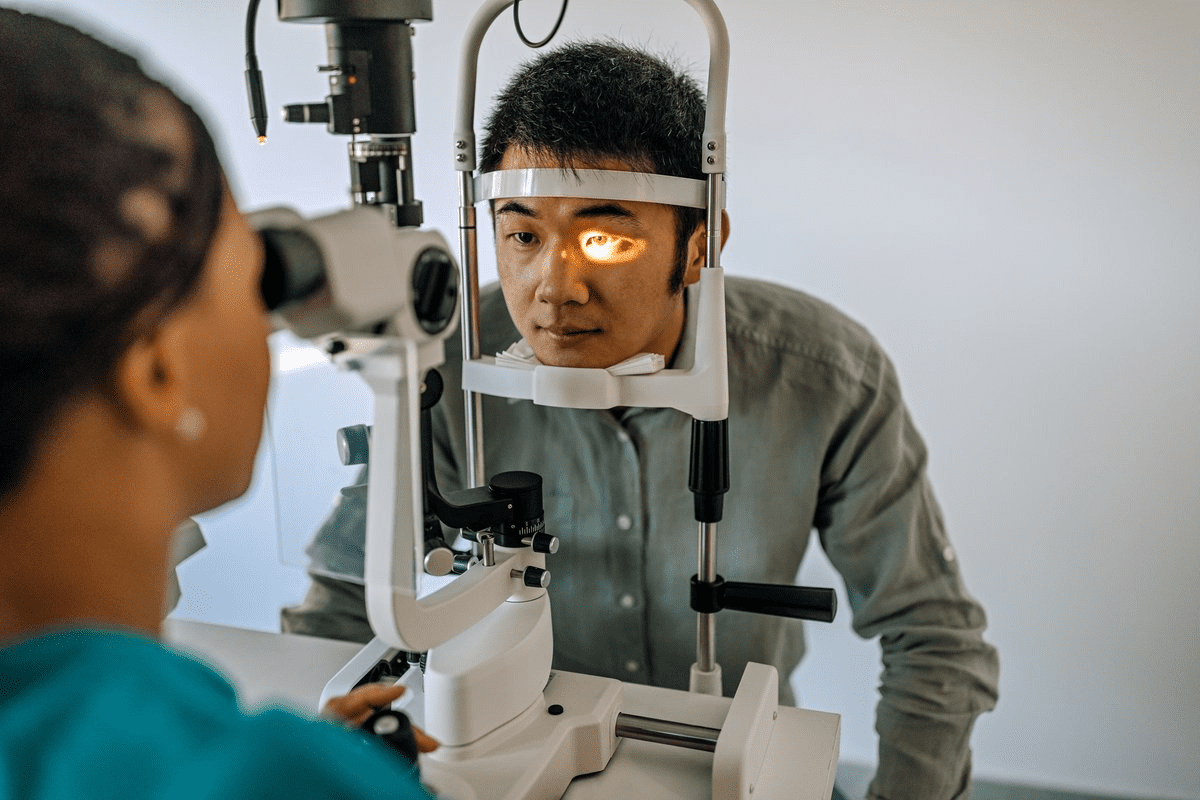
A detailed eye exam is a deep look at the eye’s health, focusing on the retina. Eye care professionals use special drops to make the pupil bigger. This lets them see the retina better. It’s vital for catching diabetic retinopathy early.
This exam checks:
- How sharp your vision is
- The retina for signs of diabetic retinopathy
- The blood vessels in the retina
Optical Coherence Tomography (OCT)
Optical Coherence Tomography (OCT) is a test that takes detailed pictures of the retina. It’s non-invasive and uses special technology. OCT is great for spotting and tracking diabetic macular edema, a serious problem.
OCT shows:
- The thickness of the retina
- If there’s fluid or swelling
- If the retinal layers are okay
Both the detailed eye exams and OCT are important for managing diabetic retinopathy. By using these tests together, doctors can give better care. This helps prevent vision loss and keeps eyes healthy.
Research Findings on Optimal Screening Intervals
Recent studies have greatly improved our knowledge of the best times for diabetic retinopathy screenings. It’s vital to follow evidence-based guidelines to better care for patients. We’ll look at key research that has shaped our current views on screening.
The Diabetes Control and Complications Trial Results
The Diabetes Control and Complications Trial (DCCT) was a groundbreaking study. It showed that tight blood sugar control can lower the risk of retinopathy. It also slows down the disease in those already affected.
The study found that people with no retinopathy have a low chance of developing serious eye disease. This is important for setting screening guidelines, mainly for those with well-controlled diabetes.
Progression Risk Assessment Models
Research has also led to the development of risk models for diabetic retinopathy. These models consider factors like blood sugar levels, diabetes duration, and other health issues.
Healthcare providers use these models to identify patients at higher risk. This allows for more personalized screening schedules. It helps ensure timely care for those at greatest risk.
| Risk Category | Recommended Screening Interval | Basis for Recommendation |
|---|---|---|
| No Retinopathy | 2 years | DCCT findings and risk assessment models |
| Mild Retinopathy | 1 year | Progression risk assessment models |
| Moderate to Severe Retinopathy | 6 months | Clinical guidelines and expert consensus |
These studies and models are big steps forward in managing diabetic retinopathy. By using this knowledge, we can improve patient care and make the most of healthcare resources.
Special Considerations for High-Risk Patients
Managing diabetes gets harder for some groups, like pregnant women. They need special eye care. We must consider these needs for full care.
Pregnancy and Diabetic Eye Screening Requirements
Pregnancy changes the body, affecting diabetes and eye health. Pregnant women with diabetes should have a detailed eye exam in the first trimester. They need close eye care all through pregnancy.
Pregnancy can make diabetic eye problems worse. So, we suggest:
- Regular eye exams during pregnancy
- Keep an eye on blood sugar levels
- Change treatment plans if needed
Additional Risk Factors Requiring More Frequent Screening
Other things can also raise the risk of eye problems. These include:
- Poor blood sugar control
- Hypertension
- High cholesterol
- Kidney disease
For those with these risks, more frequent eye checks are key. We often suggest checks every 6 to 12 months. This depends on the risk and eye health.
Spotting high-risk patients and adjusting their screening helps. This way, we can stop vision loss before it starts.
When to Seek Immediate Eye Care Outside Regular Screenings
For people with diabetes, knowing when to seek urgent eye care is key. Regular eye screenings are important. But, some situations need immediate attention.
Warning Signs and Symptoms
Diabetic patients need to keep an eye on their eye health. Look out for signs of serious problems. Some warning signs include:
- Sudden vision changes, such as blurred vision or double vision
- Eye pain or discomfort that doesn’t subside
- Flashes of light or new floaters in your vision
- Bleeding in the eye
- Loss of peripheral vision
If you notice any of these symptoms, get immediate eye care. Early treatment can greatly improve outcomes for diabetic eye diseases.
Emergency Situations
Diabetic eye disease can sometimes lead to emergencies. These need quick medical help. Examples include:
| Condition | Symptoms | Action Required |
|---|---|---|
| Vitrectomy Emergency | Sudden vision loss, severe eye pain | Immediate hospital visit |
| Retinal Detachment | Flashes of light, floaters, vision loss | Urgent eye care visit |
| Diabetic Macular Edema | Blurred vision, vision distortion | Prompt eye care visit |
If you face any of these emergencies, seek immediate eye care. It’s wise to have a plan and know where to go in emergencies.
Knowing the warning signs and how to act in emergencies is critical. It can help protect your vision and eye health.
Coordinating Eye Screenings with Overall Diabetes Management
Managing diabetes well means getting regular eye screenings. This helps prevent vision loss and keeps your life quality high. It’s all about a complete plan for your health.
Working with Your Healthcare Team
Working with your healthcare team is key to managing diabetes. This team might include doctors, eye specialists, and more. They work together to keep an eye on your diabetes and eye health.
When you schedule an eye check, talk to your healthcare providers. This way, they can share important information. You might:
- Share your medical history and treatment plans with your eye specialist.
- Tell your primary care doctor about any vision or eye changes.
- Make sure your eye doctor knows about your blood sugar and diabetes issues.
Tracking and Managing Screening Results
It’s important to keep track of your eye screening results. This means keeping records, understanding what they say, and following up as needed. It’s all about managing diabetic retinopathy well.
| Screening Date | Results | Recommendations | Follow-up Date |
|---|---|---|---|
| 2023-01-15 | Mild Non-Proliferative Diabetic Retinopathy | Monitor and control blood sugar levels; follow-up in 12 months | 2024-01-15 |
| 2024-01-15 | Stable; No progression | Continue monitoring; next follow-up in 12 months | 2025-01-15 |
The American Diabetes Association says eye exams are key. They help catch diabetic retinopathy early. By working with your team and keeping up with screenings, you can lower your risk of vision loss.
“The key to managing diabetic retinopathy is early detection and timely treatment, which can significantly reduce the risk of vision loss.”
— Medical Expert, Ophthalmologist
By linking eye screenings with diabetes care, you take charge of your health. This ensures you get the best care for your diabetes.
Conclusion: Creating Your Personalized Eye Screening Schedule
Creating a personalized eye screening schedule is key for managing diabetic retinopathy. We’ve talked about how different things affect how often you need eye checks. These include your type of diabetes, how bad your retinopathy is, and how well you control your blood sugar.
Knowing these details helps you and your doctor make a plan just for you. This way, you get the care you need when you need it. It helps prevent losing your sight.
Having a good eye screening plan is a big part of taking care of diabetes. We suggest talking to your healthcare team about what’s best for you. They can help figure out how often you should get eye exams.
Being proactive about your eye health is important for people with diabetes. It helps keep your vision sharp and your life full. Managing diabetic retinopathy well takes teamwork. It involves you, your doctor, and eye specialists working together.
FAQ
What is diabetic retinopathy and how does it affect vision?
Diabetic retinopathy is a diabetes complication that harms the retina’s blood vessels. It can lead to vision loss. Symptoms include blurred vision, floaters, and even blindness if not treated.
How often should individuals with type 1 diabetes undergo eye screenings?
People with type 1 diabetes need an eye check within 5 years of diagnosis. Then, they should get an eye check every year to catch any retina changes.
What are the recommended screening guidelines for individuals with type 2 diabetes?
Those with type 2 diabetes should get an eye check at diagnosis. Follow-up checks are based on the results, usually every year if there’s no retinopathy.
How does the presence and severity of retinopathy affect the frequency of diabetic eye screenings?
Screening frequency changes based on retinopathy levels. No retinopathy means screenings every 2 years. But, those with moderate to severe retinopathy need checks every 3-6 months.
What role does glycemic control play in determining the frequency of diabetic eye screenings?
Good blood sugar management can lower retinopathy risk. This might mean longer screening intervals for well-managed diabetes.
What types of diabetic eye screening tests are available?
Common tests include detailed eye exams and Optical Coherence Tomography (OCT). These help spot diabetic retinopathy and track its growth.
Are there any special considerations for high-risk patients, such as pregnant women with diabetes?
Pregnant women with diabetes and others at high risk need more frequent eye checks. This is because they face a higher risk of retinopathy or its worsening.
What are the warning signs and symptoms that necessitate seeking immediate eye care outside of regular screenings?
Sudden vision changes, like blurred vision, floaters, or flashes, need quick attention. They could signal severe retinopathy or other serious issues.
How can patients work with their healthcare team to develop a personalized eye screening schedule?
Patients can tailor their screening schedule with their healthcare team. They consider their diabetes type, duration, retinopathy status, and blood sugar control.
Why is it essential to coordinate eye screenings with overall diabetes management?
Coordinating eye screenings with diabetes care is key. It ensures effective management of diabetic retinopathy through complete care and timely actions.
What is the importance of tracking and managing screening results?
Keeping track of screening results is vital. It helps spot changes in retinopathy, allowing for adjustments in treatment and screening schedules.
How can progression risk assessment models inform guidelines for screening frequency?
Risk models help identify those at higher risk of retinopathy worsening. This leads to more targeted and frequent screening recommendations.