
Having a hysterectomy can be intimidating, and many women wonder, “how painful is a hysterectomy?” Pain is one of the biggest concerns, as about 600,000 women in the United States undergo this surgery every year. Knowing what to expect can help you feel more prepared.
The question, “how painful is a hysterectomy?”, depends on several factors. The type of surgery (robotic, laparoscopic, or open), the surgical technique used, and individual pain tolerance all play a role in the level of discomfort experienced.
Understanding how painful is a hysterectomy helps patients plan for post-operative care, pain management, and recovery. Doctors can recommend strategies to reduce pain and support a smoother healing process.
By learning how painful is a hysterectomy and preparing mentally and physically, women can approach surgery with more confidence and manage recovery more effectively.
Key Takeaways
- Understanding the types of hysterectomy and their implications on pain levels.
- Exploring pain management strategies to minimize discomfort.
- Insights into patient experiences to help you prepare.
- The role of surgical approach in determining post-operative pain.
- Factors influencing individual pain perception.
Understanding Hysterectomy: What the Procedure Entails
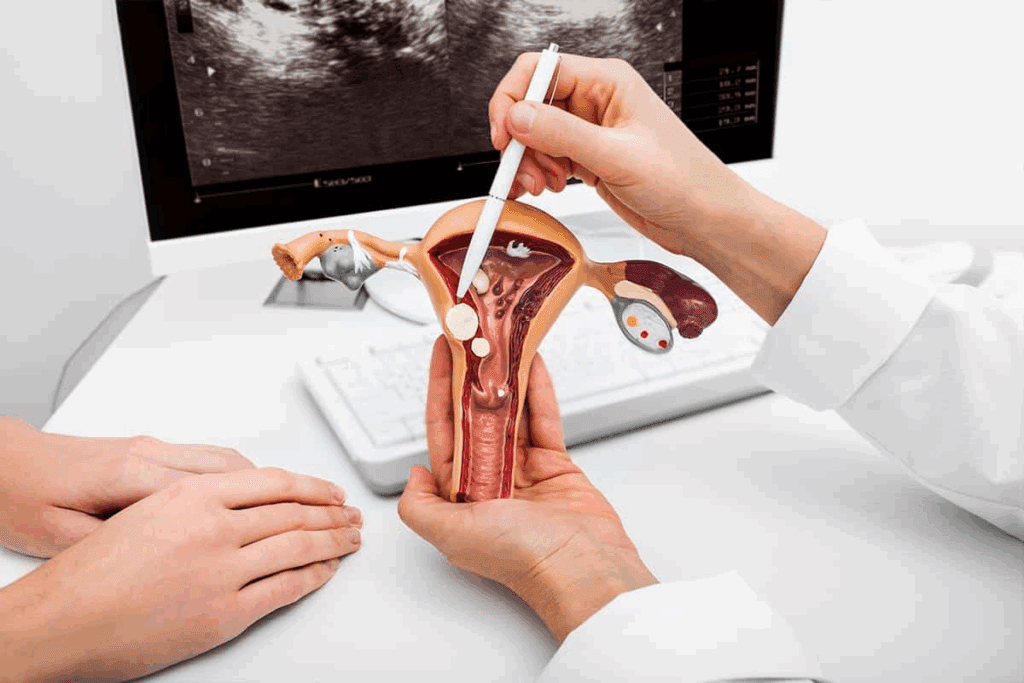
Choosing to have a hysterectomy is a big decision. Knowing what it involves can ease worries and prepare you for what’s to come. A hysterectomy means removing the uterus, and sometimes other organs too. This depends on the reason for the surgery and the type of hysterectomy.
Definition and Basic Concepts
A hysterectomy is a surgery to remove a woman’s uterus. It makes it impossible to get pregnant and stops menstrual cycles. There are different kinds of hysterectomies, like total, partial, and radical. Each has its own reasons and effects.
Why Hysterectomies Are Performed
Hysterectomies are done for many reasons, like uterine cancer or heavy bleeding. Doctors usually try other treatments first. If those don’t work, a hysterectomy might be the next step.
Statistics on Hysterectomy Procedures in the US
In the US, hysterectomies are very common. The CDC says hundreds of thousands happen every year. Here’s a look at some US hysterectomy stats:
| Year | Number of Hysterectomies | Primary Reasons |
| 2018 | 422,000 | Fibroids, Prolapse, Cancer |
| 2019 | 414,000 | Fibroids, Endometriosis, Cancer |
| 2020 | 401,000 | Cancer, Fibroids, Prolapse |
Knowing these numbers and reasons can help clear up what hysterectomies are about. It gives context for those thinking about or going through this surgery.
Types of Hysterectomy Procedures and Their Impact on Pain
There are many types of hysterectomy procedures, each with its own pain profile. Knowing these differences helps patients prepare for and manage their pain after surgery.
Total vs. Partial Hysterectomy
A total hysterectomy removes the whole uterus, including the cervix. A partial hysterectomy only takes out the top part of the uterus, leaving the cervix. The type of surgery can affect how much pain a patient feels during recovery.
Total Hysterectomy is a bigger surgery, which might mean longer recovery times and more pain. On the other hand, Partial Hysterectomy is less invasive and could lead to less pain after surgery.
Abdominal Hysterectomy
Abdominal hysterectomy requires an incision in the abdomen to reach the uterus. This traditional method often means a longer recovery and more pain compared to newer techniques.
Vaginal Hysterectomy
Vaginal hysterectomy removes the uterus through the vagina. It’s less invasive than abdominal hysterectomy. This usually means less pain and shorter hospital stays.
Laparoscopic Hysterectomy
Laparoscopic hysterectomy uses small incisions in the abdomen for instruments. It’s a minimally invasive method. This approach is linked to less pain and faster recovery times than open abdominal hysterectomy.
| Procedure Type | Typical Recovery Time | Average Pain Level |
| Total Hysterectomy | 6-8 weeks | 6/10 |
| Partial Hysterectomy | 4-6 weeks | 5/10 |
| Abdominal Hysterectomy | 6-8 weeks | 7/10 |
| Vaginal Hysterectomy | 4-6 weeks | 5/10 |
| Laparoscopic Hysterectomy | 2-4 weeks | 4/10 |
Each hysterectomy type has its own effects on post-operative pain. Knowing these differences helps manage expectations and recovery better.
The Pain Scale Explained: How Medical Professionals Measure Pain
Doctors use pain scales to measure and manage pain. Knowing how these scales work helps patients talk about their pain better. This leads to better care for them.
The 1-10 Numeric Pain Scale
The 1-10 numeric pain scale is widely used. Patients rate their pain from 1 (no pain) to 10 (worst possible pain). It’s simple and fast, making it great for quick checks in clinics.
But, it has its downsides. It depends on how the patient feels their pain. Yet, it gives a quick look at how severe the pain is. This helps doctors decide how to manage it.
Visual Analog Scales
Visual Analog Scales (VAS) are another way to measure pain. They have a line from “no pain” to “worst imaginable pain.” Patients mark where they feel their pain, and the distance is measured.
VAS is good for those who find numeric scales hard, like kids or people with brain issues. It catches small changes in pain that numeric scales might not.
How Doctors Assess Post-Surgical Pain
Doctors use pain scales and their own judgment to check post-surgical pain. They look at the surgery type, patient history, and overall health. This helps them choose the right pain management.
It’s key to manage pain well after surgery. Knowing the pain level helps doctors adjust treatments and improve recovery. Regular checks ensure pain is kept under control, making patients more comfortable and happy.
How Painful is a Hysterectomy? Breaking Down the Experience
Looking at patient surveys, procedure types, and comparisons with other surgeries helps us understand hysterectomy pain. This knowledge prepares patients for their recovery.
Average Pain Ratings from Patient Surveys
Patient surveys give us insights into the pain after a hysterectomy. Studies show the average pain rating falls within a certain range.
Average pain ratings range from 4 to 6 on a 1 to 10 scale. This means patients experience moderate pain, which can be managed with the right pain relief.
Pain Variation by Procedure Type
The pain after a hysterectomy can change based on the type of procedure. Different surgeries lead to different recovery experiences.
- Total hysterectomy: Often has a longer recovery and more pain.
- Partial hysterectomy: May have less post-operative pain due to less tissue disruption.
- Laparoscopic hysterectomy: Usually has less pain and a quicker recovery than open surgery.
Comparing Hysterectomy Pain to Other Common Surgeries
Comparing hysterectomy pain to other surgeries helps put it into perspective. Some patients say the pain is similar to or less than after a cesarean section.
Knowing these comparisons can help manage expectations and reduce anxiety for those facing hysterectomy surgery.
Pre-Surgery Pain: What to Expect Before the Procedure
Knowing what happens before a hysterectomy is key to handling pain and anxiety. The time before surgery is filled with physical and emotional experiences. Patients need to be ready for these.
Preparation Discomfort
Getting ready for a hysterectomy involves steps that can be uncomfortable. You might have to take medical tests, follow a diet, and change your meds. It’s vital to listen to your doctor to lessen discomfort. Some might feel bloated or crampy because of bowel prep for certain surgeries.
Anxiety and Its Effect on Pain Perception
Many patients feel anxious before surgery. Uncertainty and fear can make anxiety worse, affecting how we feel pain. Research shows anxious people might feel pain more. So, using relaxation methods like deep breathing can help.
Pre-Surgical Medications
Medications before surgery are important for pain and anxiety control. They might include sedatives to relax you and meds to calm your nerves. Talk to your doctor about any worries or questions about these meds. They can explain what to expect and how to handle side effects.
In summary, knowing about discomfort and anxiety before a hysterectomy helps patients manage better. Understanding what’s ahead and how to ease discomfort can make patients feel more confident and less anxious.
Immediate Post-Op Pain: The First 24-48 Hours
Knowing what to expect with pain after surgery helps patients get ready for recovery. The first 24 to 48 hours after a hysterectomy are key for managing pain.
Hospital Pain Management
In the hospital, managing pain is a top priority. Doctors use medicines and other methods to help with pain. Patient-controlled analgesia (PCA) lets patients give themselves pain medicine when they need it.
We also use other pain management techniques, including:
- Administration of epidural anesthesia
- Oral pain medications
- Non-pharmacological interventions like deep breathing exercises and relaxation techniques
Common Pain Locations and Sensations
Pain after a hysterectomy can feel different for everyone. Many feel pain in their belly, where the surgery was done. Some might also feel pain in their shoulder or back, if gas was used during the surgery.
Common pain sensations include:
- Sharp, stabbing pains
- Dull aches
- Soreness around the incision site
Pain Scale Ratings During This Period
Patients rate their pain on a scale from 0 to 10. Zero means no pain, and 10 is the worst. In the first 24-48 hours, pain levels can change a lot.
On average, people rate their pain around 6 or 7 out of 10. But, pain is different for everyone. Ratings can be anywhere from 4 to 9, based on how much pain someone can handle and the type of surgery.
Recovery Pain Timeline: Days to Weeks After Surgery
Knowing what to expect after a hysterectomy is key to a smooth recovery. The healing process has different stages, each with its own challenges.
Days 3-7: What to Expect
In the first days after surgery, managing pain is top priority. By days 3-7, pain starts to lessen. But, some discomfort, like when moving or coughing, is common.
Common symptoms during this period include:
- Mild to moderate pain at the incision site
- Fatigue and general weakness
- Bloating and discomfort due to gas
Weeks 1-2: The Healing Process
In the second week, healing continues, and pain lessens. Sharp pains or twinges may occur, mainly when changing positions or doing physical activities.
Following your doctor’s advice on activity and pain management is vital during this time.
| Week | Typical Pain Level | Common Activities |
| 1 | Moderate to High | Rest, light stretching |
| 2 | Mild to Moderate | Gradual increase in activity |
Weeks 3-6: Returning to Normal Activities
By weeks 3-6, you can start to do more normal things, slowly. Pain keeps getting lower, but some sharp pains might happen, mainly after hard activities.
Key milestones during this period include:
- Increased mobility and reduced fatigue
- Gradual return to driving and light exercise
- Improvement in overall well-being
Beyond 6 Weeks: Residual Discomfort
After six weeks, most people feel much better, with only occasional pain. Some lingering sensations or mild pain might occur, mainly after heavy lifting or hard activity.
Knowing the recovery pain timeline helps you prepare and make better care choices. Always talk to your healthcare provider for specific advice and guidance.
Factors That Influence Hysterectomy Pain Levels
Many things can change how much pain a woman feels after a hysterectomy. These factors are complex and can affect each other in different ways.
Age and Overall Health
A woman’s age and overall health are big factors in her pain after a hysterectomy. Younger women and those in better health usually have an easier time recovering with less pain.
For example, women under 40 often heal faster than older women. Also, those with fewer health problems tend to handle pain better.
Reason for Hysterectomy
The reason for undergoing a hysterectomy also affects pain levels. Women having it for cancer might feel different pain levels than those with fibroids or endometriosis.
- Cancer patients may have more pain because of the surgery needed.
- Women with endometriosis might have unique pain due to their condition.
Surgical Approach and Technique
The surgical approach—abdominal, vaginal, or laparoscopic—greatly impacts pain. Less invasive methods, like laparoscopic surgery, usually mean less pain and a quicker recovery.
- Laparoscopic hysterectomy often leads to less pain and faster healing.
- Abdominal hysterectomy can cause more pain because of the bigger cut.
Previous Abdominal Surgeries
Previous abdominal surgeries can make a hysterectomy more complicated, leading to more pain. Surgeons have to deal with adhesions or scar tissue, which can affect pain levels.
Knowing these factors can help manage pain and expectations after a hysterectomy.
Hysterectomy Pain Management Strategies
Knowing about different pain management options can make recovery after a hysterectomy easier. It’s important to manage pain well to feel better and recover faster.
Over-the-Counter Options
For mild to moderate pain, over-the-counter (OTC) meds like acetaminophen and ibuprofen can work well. You can use these with prescription meds or by themselves once the pain gets better.
Following the instructions on OTC meds can help avoid side effects. Always tell your doctor about any OTC meds you’re taking to prevent bad interactions with other drugs.
Non-Pharmaceutical Approaches
Non-medical ways to manage pain can be very effective and have fewer side effects. Deep breathing, meditation, and guided imagery can help lessen pain and relax you.
Using heat or cold on your belly can also help with pain. Gentle exercises, like walking, can boost circulation and cut down on pain.
Physical Therapy for Pain Relief
Physical therapy is a big help in managing pain after a hysterectomy. A physical therapist can give you exercises to strengthen your belly, improve your posture, and boost your physical function.
Physical therapy might also include manual therapy, which gently works on soft tissues to reduce pain and improve movement. Adding physical therapy to your recovery plan can help you use less pain meds and feel better overall.
Emotional Aspects of Hysterectomy Pain and Recovery
Having a hysterectomy is more than just a physical challenge. It also has big emotional effects. The surgery’s psychological impact can change how patients feel pain and recover.
Psychological Impact on Pain Perception
A patient’s emotional state can greatly affect their pain. Feeling anxious, scared, or depressed can make pain worse. But, having a positive outlook and good emotional support can help manage pain better.
Emotional preparation is key. It means understanding the surgery, having realistic recovery hopes, and knowing about emotional ups and downs during this time.
Coping with Emotional Challenges
Dealing with the emotional side of a hysterectomy needs a variety of strategies. Patients can benefit from:
- Mindfulness and relaxation techniques: Like meditation and deep breathing, these can lower anxiety and help with pain.
- Counseling or therapy: Getting professional help can help process emotions and find ways to cope.
- Support groups: Sharing experiences with others who have gone through the same can offer comfort and advice.
Support Systems and Their Importance
A strong support system is key for emotional health during recovery. Family, friends, and healthcare providers are all important. They offer emotional support, practical help, and reassurance.
| Support System | Role | Benefits |
| Family and Friends | Emotional support, practical help | Less feeling lonely, help with daily tasks |
| Healthcare Providers | Medical guidance, reassurance | Feeling confident in recovery, quick help for problems |
| Support Groups | Shared experiences, advice | Comfort, useful tips |
By understanding the emotional side of hysterectomy and using support systems, patients can handle recovery better. This improves their overall well-being.
Real Patient Experiences: Pain Testimonials
Real patient stories show the different ways pain can affect women after a hysterectomy. These stories give insights into what women might face during their recovery.
Abdominal Hysterectomy Experiences
Women who had an abdominal hysterectomy talk about different levels of pain. Some say the pain was manageable with medicine. Others say it took weeks to feel normal again.
For example, one patient said, “The first few days were the worst. I was on pain medication, which helped, but it wasn’t until the second week that I started feeling more like myself.”
Vaginal Hysterectomy Experiences
Women who had a vaginal hysterectomy often feel less pain than those who had an abdominal one. But, everyone’s recovery is different.
A patient shared, “I was back on my feet within a week, and while there was discomfort, it was not as severe as I had anticipated.”
Laparoscopic and Robotic Experiences
Laparoscopic and robotic hysterectomies are less invasive. This usually means less pain and a quicker recovery.
One patient noted, “I was surprised by how quickly I recovered. I had some shoulder pain due to the gas used during the procedure, but overall, the pain was minimal.”
Unexpected Pain Situations
Some women face unexpected pain, like pain in other areas or more discomfort than expected.
A patient recalled, “I experienced some unexpected pain in my lower back, which was not addressed until my follow-up appointment. Adjusting my pain management plan helped alleviate this.”
| Type of Hysterectomy | Average Recovery Time | Common Pain Experiences |
| Abdominal Hysterectomy | 6-8 weeks | Significant post-operative pain, manageable with medication |
| Vaginal Hysterectomy | 4-6 weeks | Less post-operative pain, quicker recovery |
| Laparoscopic/Robotic Hysterectomy | 2-4 weeks | Minimal post-operative pain, some may experience shoulder pain |
These stories show how different recovery can be after a hysterectomy. Knowing this can help women prepare for their own recovery.
When to Seek Help: Abnormal Pain After Hysterectomy
After a hysterectomy, knowing the difference between normal and abnormal pain is key. Some pain is expected, but other signs might mean you need to see a doctor right away.
Warning Signs of Complications
Knowing the warning signs of complications after a hysterectomy is important. Look out for:
- Severe or worsening pain that doesn’t get better with medicine
- Heavy bleeding or big clots
- Fever over 100.4°F (38°C)
- Redness, swelling, or discharge from the surgery area
- Difficulty urinating or painful urination
- Leg pain or swelling that might mean a blood clot
Distinguishing Between Normal and Abnormal Pain
It’s important to know the difference between normal pain and pain that might be a problem. Normal pain usually gets better with time and medicine. But, if your pain is severe, lasts a long time, or comes with other bad symptoms, it might be a sign of a problem.
Always listen to your body and don’t ignore pain that seems off or gets worse. If your pain is stopping you from doing daily things or your medicine isn’t helping, call your doctor.
When to Contact Your Doctor
If you see any warning signs or have pain worries, call your doctor right away. Here’s what to do:
- If you have really bad pain or can’t control it with medicine, call your doctor.
- If you see signs of infection like fever, redness, or discharge, get medical help.
- If you’re bleeding a lot or passing big clots, call your healthcare provider fast.
- If you can’t pee or it hurts when you pee, tell your doctor.
Your healthcare team is there to help you get better. Don’t be afraid to reach out if you’re worried about your pain or recovery. Being informed and proactive helps you get the best results after your surgery.
Conclusion: Preparing Yourself for Hysterectomy Pain
Understanding hysterectomy pain and its management is essential for a smoother and more confident recovery.We’ve looked at different parts of hysterectomy pain, like the procedure and how to manage it. Being informed helps patients manage their recovery better.
Getting ready for hysterectomy pain is more than just knowing about the procedure. It’s about understanding pain management too. This means knowing the types of pain, the options for managing it, and the need for support during recovery.
By setting the right expectations and being prepared, patients can feel less anxious. They can also feel more in charge of their recovery. We suggest talking to your healthcare provider to make a plan for managing pain.
FAQ
How painful is a hysterectomy on a scale of 1 to 10?
The pain from a hysterectomy varies. It can be from 4 to 8 out of 10. This depends on the procedure and how well you handle pain.
What are the most common pain management strategies after a hysterectomy?
To manage pain, doctors often use medicines. You can also try over-the-counter drugs. Non-medical methods like breathing exercises and meditation help too. Physical therapy is another way to ease pain and speed up recovery.
How long does pain last after a hysterectomy?
Pain after a hysterectomy can last different lengths of time. Usually, it gets better in 3-6 weeks. But, some women might feel some pain or discomfort longer than that.
Can the type of hysterectomy procedure affect the level of pain experienced?
Yes, the type of surgery can change how much pain you feel. Laparoscopic and robotic surgeries tend to hurt less than abdominal ones.
Are there any non-pharmaceutical methods to manage pain after a hysterectomy?
Yes, there are ways to manage pain without medicine. Heat therapy, acupuncture, and relaxation techniques can help.
How does age and overall health impact hysterectomy pain?
Age and health can affect how much pain you feel. Younger, healthier women often recover faster and feel less pain.
What are the warning signs of complications after a hysterectomy?
Look out for severe pain that doesn’t go away, heavy bleeding, fever, and signs of infection. These include redness, swelling, or discharge at the surgical site.
Can previous abdominal surgeries affect the pain level after a hysterectomy?
Yes, having had surgery before can make a hysterectomy more complicated. It might also make the pain worse because of adhesions or scar tissue.
Is it normal to experience emotional challenges after a hysterectomy?
Yes, emotional challenges are common after a hysterectomy. Hormonal changes, stress from recovery, and the surgery’s psychological impact can all cause mood swings.
How can support systems help during the recovery from a hysterectomy?
Support from family, friends, and groups can be a big help. They offer emotional support, practical help, and make managing recovery easier. This can reduce stress and help with pain.
Reference:
Gauta J, et al. Outpatient Laparoscopic Hysterectomy: Evaluation of Pain. Journal of Minimally Invasive Gynecology, 2010.
https://pmc.ncbi.nlm.nih.gov/articles/PMC3183569
Betcher RE, et al. Analysis of postoperative pain in robotic versus traditional laparoscopic hysterectomy. PubMed, 2014.