

Wondering ‘how painful is a vertebroplasty’? Get the expert answer on pain levels and learn about the typical recovery time.
Vertebroplasty is a procedure that helps with pain from broken vertebrae. At Liv Hospital, we know you might worry about the pain and how long it takes to get better. Studies show that most people feel less pain, going from severe to mild, within a few weeks.
We are committed to providing advanced, patient-focused care and internationally respected medical outcomes. Our team is dedicated to helping you understand what to expect from vertebroplasty, including recovery time and long-term results.
Key Takeaways
- Vertebroplasty significantly reduces pain from vertebral compression fractures.
- Recovery time varies, but most patients experience improvement within weeks.
- Minimally invasive procedure with a focus on patient comfort.
- Advanced care and internationally respected medical outcomes.
- Personalized support throughout the recovery process.
Understanding Vertebroplasty: A Minimally Invasive Spinal Procedure
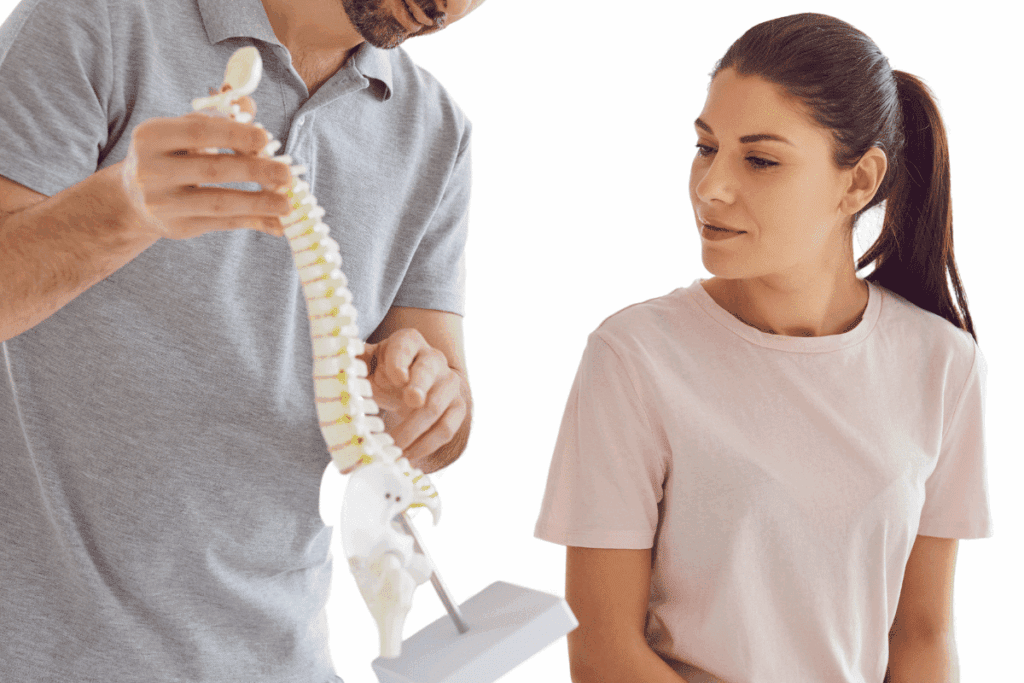
Vertebroplasty is a treatment for spinal compression fractures. It’s a minimally invasive method. It helps stabilize the spine and eases pain from fractures.
Definition and Purpose of Vertebroplasty
Vertebroplasty aims to ease pain from spinal compression fractures. It involves injecting bone cement into the fractured vertebrae. This strengthens the spine and reduces pain.
It’s used for those with pain from vertebral compression fractures. These are often due to osteoporosis or cancer. Vertebroplasty improves their quality of life by stabilizing the spine.
Common Conditions Treated with Vertebroplasty
Vertebroplasty mainly treats vertebral compression fractures. These can be caused by:
- Osteoporosis
- Cancer (e.g., metastatic spinal tumors)
- Trauma
These conditions weaken vertebrae, leading to fractures. Vertebroplasty eases pain and stabilizes the vertebrae.
Candidates for the Procedure
Not all with vertebral compression fractures are good candidates for vertebroplasty. Ideal candidates are those who:
- Have significant pain from vertebral compression fractures
- Have not responded to conservative treatments (e.g., pain medication, rest)
- Have a fracture that is amenable to vertebroplasty (as determined by imaging studies)
We evaluate each patient to see if vertebroplasty is right for them. We look at the fracture’s severity, the patient’s health, and other factors for the best outcome.
How Painful Is a Vertebroplasty?

Vertebroplasty is a procedure to stabilize fractured vertebrae. It raises concerns about pain levels for those considering it. The main worry is the pain during and after the procedure.
Pain Levels During the Procedure
The procedure is done under local anesthesia. This keeps patients comfortable during treatment. Local anesthesia numbs the skin and tissues at the injection site, reducing pain.
Some patients might feel mild discomfort or pressure. This is usually when the needle is inserted or when the bone cement is injected. But this discomfort is minimal.
Types of Anesthesia Used
Local anesthesia is the preferred choice for managing pain during vertebroplasty. In some cases, conscious sedation is used to help patients relax. Conscious sedation makes patients deeply relaxed but awake and able to respond.
Typical Patient Sensations During Treatment
Patients might feel some pressure or discomfort during the injection. But this is not usually painful. Afterward, some might feel mild soreness at the injection site.
This soreness is similar to what you might feel after a minor surgery. It usually goes away within a few days.
Understanding the pain levels of vertebroplasty helps patients prepare for the procedure and recovery. Our medical team is dedicated to providing the best care and support during treatment.
The Vertebroplasty Procedure: What to Expect
Getting ready for vertebroplasty means knowing what happens during and after. We’ll walk you through each step. This will help you feel more ready and confident.
Pre-Procedure Preparation
Before the procedure, our team will give you specific instructions. You might need to:
- Stop certain medications that could affect the procedure or your recovery.
- Find someone to drive you home because you might be sleepy from sedation.
- Follow any special diet your healthcare provider suggests.
It’s very important to follow these instructions carefully. This helps reduce risks and ensures the best results.
The Injection Process
During the procedure, we use imaging to guide the injection of bone cement into the vertebrae. Here’s what you can expect:
- We give you local anesthesia and sedation to make you comfortable.
- We insert a needle into the vertebra under fluoroscopic guidance.
- We inject bone cement to stabilize and strengthen the vertebra.
This process is designed to be as painless as possible. Most patients find it very relieving.
| Procedure Step | Description | Expected Outcome |
| Anesthesia Administration | Local anesthesia and sedation are given. | Minimized discomfort during the procedure. |
| Needle Insertion | A needle is inserted into the affected vertebra. | Accurate placement for cement injection. |
| Cement Injection | Bone cement is injected into the vertebra. | Stabilization and strengthening of the vertebra. |
Immediate Post-Procedure Monitoring
After the procedure, we watch you closely for a short time. We check for any immediate problems and manage any pain. You might be:
- Observed in a recovery area for a few hours.
- Given pain management options if needed.
- Given instructions for post-procedure care and follow-up.
Most patients can go back to normal activities soon after. But, you might need to avoid strenuous activities at first.
Knowing what to expect during and after vertebroplasty helps you prepare for a successful recovery. It also improves your spinal health.
Pain Relief Outcomes After Vertebroplasty
The main goal of vertebroplasty is to help patients with vertebral compression fractures feel less pain. This procedure is known for its success in reducing pain and improving life quality.
VAS Pain Score Improvements
Studies show vertebroplasty greatly improves pain scores on the Visual Analog Scale (VAS). Patients often see a big drop in pain, which helps them recover and get back to their daily routines.
The average VAS score drop is 3 to 5 points, showing the procedure’s success in pain management. This is a big deal for patients with vertebral fractures.
Timeline for Pain Relief
The time it takes to feel better after vertebroplasty varies. Most people notice a big change in their pain levels within a few days. This quick relief is a major benefit, letting patients get back to their normal lives sooner.
Some patients feel better right away, while others might take a few weeks. The fracture’s severity and the patient’s health play a big role in how fast they feel better.
Factors Affecting Pain Relief Success
Several things can affect how well vertebroplasty works. These include the fracture’s severity, the patient’s age, and their health. Those with more severe fractures tend to see more relief because the vertebrae are stabilized.
- The accuracy of the cement injection during the procedure
- The presence of any underlying medical conditions
- The patient’s adherence to post-procedure care instructions
Understanding these factors helps doctors better help their patients. Personalized care is key to successful pain relief after vertebroplasty.
Most patients see better function in their daily lives after the procedure. This is a big part of their recovery. Vertebroplasty helps patients feel better and regain their independence, improving their life quality.
Vertebroplasty Recovery Time: Day by Day
Knowing how to recover after vertebroplasty is key for patients. It helps them know what to expect and plan their healing. Everyone recovers differently, but a general plan can help a lot.
First 24-48 Hours After the Procedure
The first 24 to 48 hours are very important for recovery. Patients should rest and not do too much. It’s good to move a bit to avoid blood clots. But, it’s also important to not overdo it.
- Rest and avoid heavy lifting or bending.
- Gently move your legs and feet to improve circulation.
- Follow the medication regimen as prescribed by your doctor.
First Week of Recovery
In the first week, many patients start to feel better. Pain relief is a big plus of vertebroplasty. Many see a big drop in pain early on.
- Gradually increase your activity level as advised by your healthcare provider.
- Avoid strenuous activities, including heavy lifting and bending.
- Monitor your pain levels and report any significant changes to your doctor.
Complete Recovery Timeline
The full recovery time for vertebroplasty can vary. But, most people can get back to normal in 4 to 6 weeks. It’s important to follow your doctor’s instructions closely for a smooth recovery.
How fast you recover depends on your health, how bad your condition is, and how well you follow your doctor’s advice. By understanding these and sticking to a recovery plan, you can heal better and get the best results.
Post-Procedure Pain Management
Managing pain after a vertebroplasty is key. We know that some discomfort is normal. We’re here to help you manage that pain.
Medication Options
Doctors might suggest over-the-counter pain meds for pain after vertebroplasty. Over-the-counter pain relievers like acetaminophen or ibuprofen are common. Sometimes, stronger meds are needed for a short time.
It’s important to take the meds as your doctor says. This ensures safe and effective pain relief. Always talk to your doctor about any concerns or other meds you’re taking.
Non-Pharmaceutical Pain Relief Methods
There are non-med ways to ease pain too. Using ice packs on the area can help. Gentle stretching and movement, as advised by your doctor, also help.
Resting in a comfy position and avoiding hard activities are key. We suggest a mix of rest and gentle activity to help you heal.
When to Contact Your Doctor About Pain
Some pain is normal after vertebroplasty. But, if the pain is bad or gets worse, tell your doctor. Look out for signs like more redness, swelling, or fever.
Your doctor is your go-to for pain management. Together, you can create a plan that works for you and helps you recover comfortably.
What Can You Not Do After Vertebroplasty?
Knowing what to do and not do after vertebroplasty is key to a smooth recovery. It’s important to follow certain rules to help the treated area heal right. This also lowers the chance of any problems.
Immediate Activity Restrictions
Right after vertebroplasty, you should avoid hard work. This means no heavy lifting, bending, or anything that might stress your spine too much. Strenuous activities are off-limits at first to avoid issues and aid in healing.
For the first 24 hours, rest is the main goal. You should stay in bed or on a couch. Only get up when you really need to, and with help if you can. This early time is vital for the vertebrae to settle.
Weeks 1-4 Activity Guidelines
In the first few weeks, start to do more, but slowly. Heavy lifting should be avoided for at least six weeks. So, don’t lift anything that’s too heavy, like objects over 10-15 pounds.
- Don’t bend or twist too much, as it can stress your spine.
- Start with gentle exercises as your doctor suggests to build strength and flexibility.
- Go back to normal activities slowly, stopping if you feel pain or discomfort.
Long-Term Considerations for Physical Activity
Once you’ve recovered a bit, you can usually go back to your usual activities. But, it’s important to keep a healthy lifestyle and follow long-term activity advice to protect your spine.
| Activity | Recommended Guidelines |
| Lifting | Avoid heavy lifting (>20 pounds) for 3 months |
| Exercise | Start with strengthening exercises after 6 weeks |
| Bending/Twisting | Try to avoid bending and twisting for 6 weeks |
By sticking to these guidelines, you can ensure a good recovery and lower the risk of spinal problems later on. Remember to check in with your healthcare provider regularly to keep an eye on your progress and tackle any worries.
Cement in Spine Recovery Time
Bone cement is key in vertebroplasty, helping the spine heal fast. It’s used to stabilize fractured vertebrae and ease pain.
Hardening Time of Vertebroplasty Cement
The bone cement hardens fast. It usually takes about 20 minutes to harden after being injected. This quick hardening is important for immediate support.
We use top-quality bone cement for quick hardening. This lets patients get back to normal activities quickly. It also lowers the chance of problems.
Achieving Maximum Stability
Soon after hardening, the cement offers maximum stability. It supports the fractured vertebra right away, easing pain and stabilizing the spine. Research shows this support is key to the procedure’s success.
| Timeframe | Cement Status | Stability Level |
| 0-5 minutes | Injected | Initial |
| 5-20 minutes | Hardening | Increasing |
| 20 minutes+ | Hardened | Maximum |
Support Provided by the Cement
The bone cement supports the fractured vertebra, helping it regain its shape and ease pain. It fills the fractures, creating a strong base for the spine and aids in healing.
Understanding bone cement’s role in vertebroplasty helps patients see the treatment’s benefits. It shows how spinal treatment has evolved, giving relief and support to those with vertebral fractures.
How Long Does Vertebroplasty Cement Last?
The durability of bone cement in vertebroplasty is important for both patients and doctors. We need to know how long it lasts and what affects its durability. This helps us understand if the procedure is successful.
Durability of Bone Cement
Bone cement in vertebroplasty is made to last a long time. It helps support the vertebrae. The cement is usually made from PMMA, a safe material used in many medical procedures.
Research shows that PMMA bone cement can last for years. It can even last a patient’s whole life without breaking down much.
Factors Affecting Longevity
Several things can change how long vertebroplasty cement lasts. These include:
- The quality of the bone cement used
- The patient’s overall bone health
- The presence of any underlying medical conditions
- The technique used during the vertebroplasty procedure
For example, people with osteoporosis might have different results than those with stronger bones. Also, the skill of the doctor doing the procedure can affect how long the cement lasts.
Signs of Potencial Cement Issues
Even though vertebroplasty cement is made to last, problems can happen. Patients should watch for signs like:
- New or worsening back pain
- Neurological symptoms, such as numbness or weakness
- Changes in mobility or flexibility
If you notice these symptoms, see a doctor right away. Early action can help fix any cement problems.
In summary, vertebroplasty cement is made to last a long time. But, its durability can change based on several factors. Knowing these factors and watching for signs of trouble can help patients manage their expectations and outcomes.
Vertebroplasty Patient Reviews: Real Experiences
Real-life stories from vertebroplasty patients share insights into the procedure’s benefits and recovery. These accounts help future patients understand what to expect. They aid in making informed decisions about treatment.
Pain Relief Testimonials
Many patients say vertebroplasty greatly reduced their pain. A study gathered patient testimonials showing the procedure’s success in easing pain from vertebral fractures.
“After my vertebroplasty, I was able to walk without pain for the first time in months. It was a huge relief.”
A vertebroplasty patient
These stories highlight how vertebroplasty can greatly improve a patient’s life by easing pain.
Recovery Experience Reports
Recovery times can differ, but many patients find it quick and smooth. Here are some key points from patient reports:
- Most patients can get back to normal activities in a few days to a week.
- Some feel pain relief right away, while others notice it a few days later.
- Following the doctor’s post-procedure instructions is key for a good recovery.
Long-Term Satisfaction Rates
Vertebroplasty patients often report high satisfaction in the long run. A review of patient outcomes shows the procedure’s benefits can last a long time.
| Outcome | Short-Term | Long-Term |
| Pain Relief | Significant improvement | Maintained relief |
| Mobility | Improved | Generally maintained |
| Quality of Life | Enhanced | Improved overall well-being |
These results show vertebroplasty’s success in providing quick pain relief and improving life quality over time.
Vertebroplasty vs. Kyphoplasty: Comparing Procedures
When looking at treatments for vertebral compression fractures, knowing the differences between vertebroplasty and kyphoplasty is key. Both help with pain and spine stability but work in different ways.
Differences in Procedure Techniques
Vertebroplasty injects bone cement into the fractured vertebra to stabilize it. Kyphoplasty first uses a balloon to create space before adding cement. This difference can change how well the patient recovers.
Kyphoplasty is for more severe fractures because it can restore some height. Vertebroplasty is for less severe ones.
Comparing Recovery Processes
Recovery from both is usually quick, with pain relief in a few days. But, it depends on the patient’s health and fracture severity.
Kyphoplasty recovery might take longer because it’s more invasive. Patients may need more rest. Vertebroplasty usually allows for quicker activity return.
- Both procedures require rest and limited activity.
- Some pain is normal and can be managed with meds.
- Regular follow-ups are important to check healing.
Choosing the Right Procedure for You
Choosing between vertebroplasty and kyphoplasty depends on several factors. These include fracture severity, overall health, and medical history. Talking to a healthcare professional is key to making the right choice.
Discuss the following with your doctor:
- The extent of your vertebral compression fracture.
- Your overall health and any previous medical conditions.
- The benefits and risks of each procedure.
Understanding the differences between vertebroplasty and kyphoplasty helps patients make better decisions. This leads to better outcomes and a better quality of life.
Conclusion: Making an Informed Decision About Vertebroplasty
Vertebroplasty is a helpful treatment for those with vertebral compression fractures. It’s important to know about the procedure, its benefits, and recovery. This guide aims to help you think about vertebroplasty as a treatment choice.
Studies show vertebroplasty is safe and works well for vertebral compression fractures. After a successful recovery, patients often feel less pain and live better lives. When deciding on vertebroplasty, consider its benefits and risks. Also, talk to a healthcare professional about your needs.
We suggest patients be involved in their care. Ask questions and get advice from medical experts. This way, you can decide if vertebroplasty is the right choice for you.
FAQ
What is vertebroplasty, and how does it relieve pain?
Vertebroplasty is a procedure where bone cement is injected into fractured vertebrae. This helps stabilize the spine and eases pain from compression fractures. These fractures often happen due to osteoporosis or cancer.
How painful is a vertebroplasty procedure?
The pain during vertebroplasty is managed with local anesthesia and sedation. This makes sure patients feel little to no pain during the procedure.
What are the typical sensations experienced by patients during vertebroplasty?
Patients might feel some pressure or discomfort when the bone cement is injected. But this is usually short-lived and can be managed with the anesthesia.
What is the typical recovery time for vertebroplasty?
Recovery times for vertebroplasty vary. Most patients can get back to normal activities in a few days to a week. Full recovery usually takes several weeks.
What are the activity restrictions after vertebroplasty?
Right after vertebroplasty, patients should avoid heavy lifting, bending, or strenuous activities. They can gradually return to normal activities. Specific guidelines are given for the first few weeks.
How long does vertebroplasty cement last?
The bone cement used in vertebroplasty is made to last long. It provides sustained support to the fractured vertebrae. Its longevity depends on the quality of the cement and the patient’s bone health.
What are the signs of potentially issues with the vertebroplasty cement?
Patients should watch for signs like new or worsening pain, numbness, or weakness. These could mean problems with the cement or vertebrae. They should tell their doctor right away if they notice these symptoms.
How does vertebroplasty compare to kyphoplasty in terms of recovery?
Both vertebroplasty and kyphoplasty are minimally invasive and have similar recovery times. The choice between them depends on the patient’s needs and the specifics of their vertebral compression fractures.
Can vertebroplasty completely eliminate pain?
Vertebroplasty can greatly reduce pain for many patients. But the amount of pain relief can vary. Factors like the fracture’s severity, spinal health, and other medical conditions play a role.
What are the long-term effects of vertebroplasty?
Vertebroplasty’s long-term effects are mostly positive. Many patients experience sustained pain relief and improved quality of life. Following post-procedure guidelines helps minimize risks.
How soon can I resume physical activity after vertebroplasty?
Patients are encouraged to start with gentle exercises early in recovery. More intense activities should be added gradually, based on the doctor’s advice.
Are there any long-term restrictions after kyphoplasty or vertebroplasty?
There are no strict long-term restrictions. Patients are advised to maintain a healthy lifestyle. This includes regular exercise and a balanced diet to support spinal health and prevent future fractures.
References
Shrestha, O., Basukala, S., Thapa, N., et al. (2023). Endovenous laser ablation versus conventional surgery (ligation and stripping) for primary great saphenous varicose vein: A systematic review and meta-analysis. Annals of Medicine and Surgery, 85, 4509-4519. https://pubmed.ncbi.nlm.nih.gov/37663729/



 Departments
 Related Videos
 Our Doctors
 News
News