
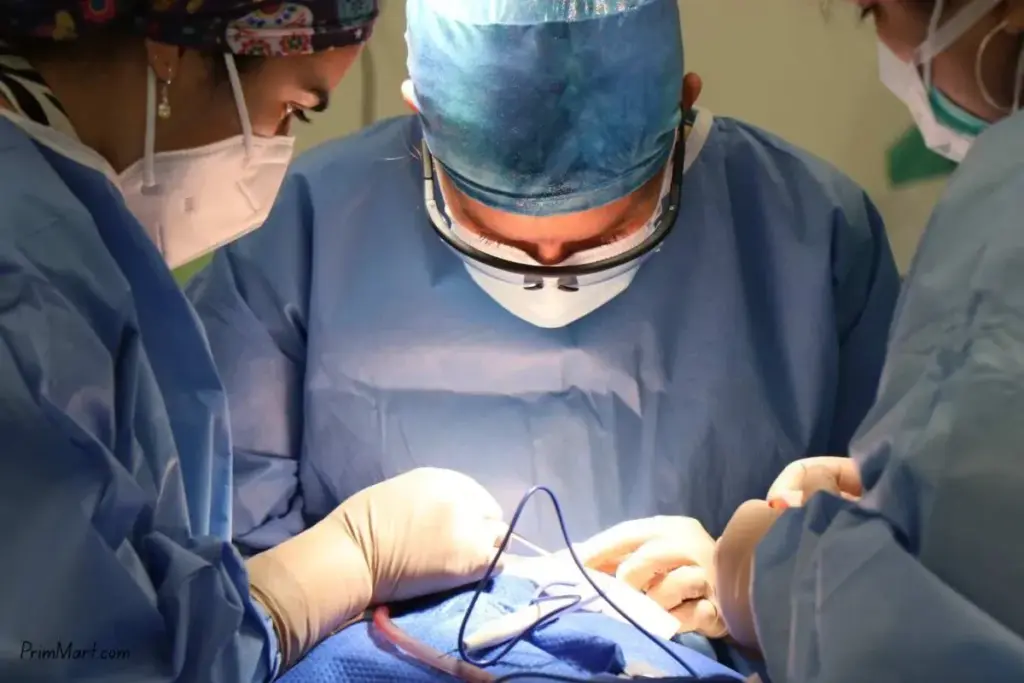
Nearly 1 in 7 adults in the United States has chronic kidney disease. Some may need surgery to fix related problems.
Dealing with kidney surgery can be scary. Nephrectomy, or removing a kidney or part of it, is a big deal. It’s a serious medical step.
Find out how painful is kidney removal surgery now. Get the best amazing and incredible proven tips for a successful recovery.
Kidney surgery includes different types, like partial or total nephrectomy. It’s done for many reasons, like tumors, injuries, or severe disease.
Key Takeaways
- Kidney surgery is a major medical procedure.
- Nephrectomy involves removing a kidney or part of it.
- Various conditions necessitate kidney surgery.
- Understanding the types and purposes of kidney surgery is key.
- Patients should know how big of a deal kidney surgery is.
Understanding Kidney Surgery: An Overview
Kidney surgery includes many procedures to fix kidney problems. We’ll look at the different surgeries, why they’re needed, and how kidneys keep us healthy.
Common Types of Kidney Surgeries
There are several kidney surgeries, like total nephrectomy, partial nephrectomy, and laparoscopic surgery.
- Total Nephrectomy: This surgery removes the whole kidney, usually for tumors or severe damage.
- Partial Nephrectomy: Only the bad part of the kidney is taken out, saving the rest.
- Laparoscopic Surgery: A small, less invasive method using tiny cuts and a camera.
Indications for Kidney Surgery
Kidney surgery is needed for kidney cancer, severe damage, and some birth defects. Doctors decide on surgery based on the patient’s health.
The Importance of Kidney Function
Kidneys filter waste, control blood pressure, and balance electrolytes. Knowing how important kidneys are helps us see why saving them during surgery is key.
|
Type of Surgery |
Indications |
Preservation of Kidney Function |
|---|---|---|
|
Total Nephrectomy |
Kidney cancer, severe damage |
No |
|
Partial Nephrectomy |
Kidney tumors, localized disease |
Yes |
|
Laparoscopic Surgery |
Various kidney conditions |
Varies |
Classification of Surgeries: Where Does Kidney Surgery Stand?

Surgeries are grouped by how complex they are. Kidney surgery is in a certain group. Knowing this helps patients understand their condition and what care they need after surgery.
Criteria for Major vs. Minor Surgery
Major and minor surgeries differ in complexity, risk, and recovery time. Major surgeries are risky, need a long recovery, and often require a hospital stay. On the other hand, minor surgeries are less risky, have quicker recovery times, and don’t usually need a hospital stay.
Several factors decide if a surgery is major or minor. These include:
- The extent of the surgical site
- The complexity of the procedure
- The need for anesthesia
- The expected recovery time
- The possible risks and complications
Why Kidney Surgery Is Classified as Major Surgery
Kidney surgery is major because of its complexity and risks. It needs a big incision or laparoscopic techniques, both risky. Also, it involves vital organs, needing great precision and care.
The reasons for calling kidney surgery major include:
- The need for specialized training and expertise from the surgical team
- The use of general anesthesia, which has its own risks
- The chance of significant blood loss
- The need for a hospital stay for monitoring and recovery
Anesthesia and Hospital Stay Requirements
Anesthesia and hospital stays are key in judging surgery severity. Kidney surgery often needs general anesthesia, making the patient unconscious. This anesthesia has risks and needs an anesthesiologist’s watchful eye.
After kidney surgery, a hospital stay is usually needed for recovery and monitoring. The stay’s length depends on the surgery type and the patient’s health. Post-operative care is vital for pain management, watching for complications, and ensuring a smooth recovery.
Types of Kidney Removal Procedures
The surgical removal of a kidney, known as nephrectomy, has different methods. Each method is chosen based on the patient’s condition. This surgery is a big deal and needs careful thought.
Total Nephrectomy Explained
Total nephrectomy means removing the whole kidney. It’s usually done when the kidney is badly damaged or sick. This surgery is often for kidney cancer, severe damage, or when the kidney can’t work. Doctors decide on total nephrectomy after checking with tests and the patient’s kidney health.
Partial Nephrectomy Techniques
Partial nephrectomy removes only the sick part of the kidney, keeping the healthy part. It’s good for early kidney cancer or those with one kidney. The aim is to keep as much kidney function as possible. Surgeons use special tools and ultrasound to remove the sick part well.
Laparoscopic vs. Open Kidney Surgery
Kidney surgery can be done laparoscopically or openly. Laparoscopic surgery uses small cuts for instruments and a camera. Laparoscopic surgery is less painful and faster to recover from than open surgery. Open surgery needs a bigger cut and is used for complex cases. The choice depends on the patient, the surgeon, and the surgery’s needs.
Left Nephrectomy vs. Right Nephrectomy: Key Differences
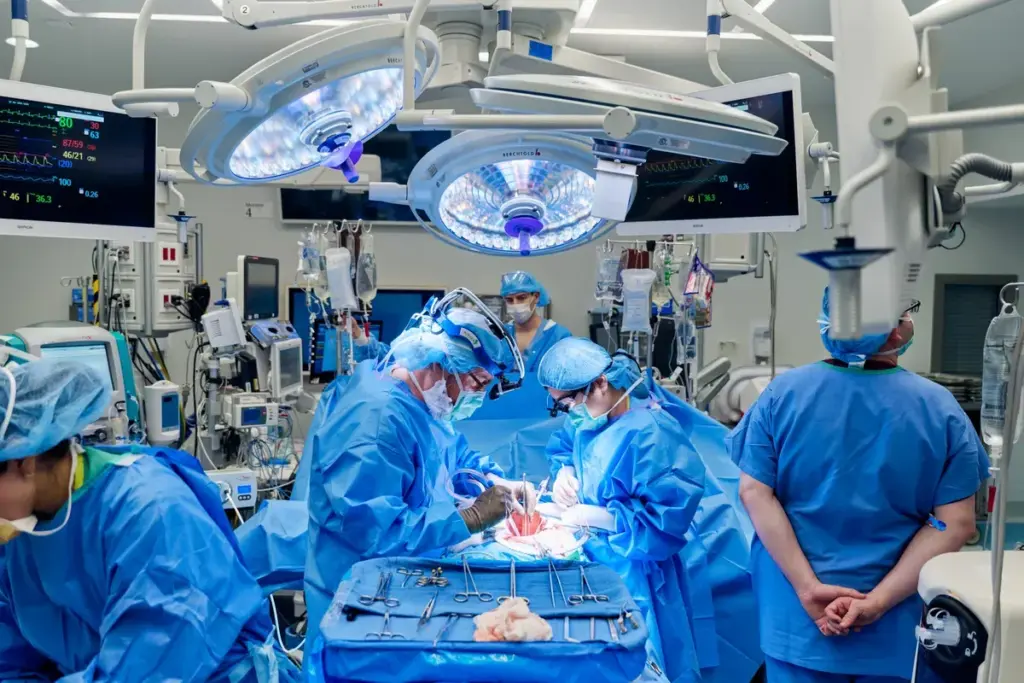
The kidneys on the left and right sides are different. This affects how surgeons plan kidney surgeries. Knowing these differences helps both doctors and patients understand kidney surgery better.
Anatomical Considerations
The left kidney is higher than the right because of the liver. The left renal vein is also longer. These differences make surgery on the left side more complex.
Key Anatomical Differences:
|
Anatomical Feature |
Left Kidney |
Right Kidney |
|---|---|---|
|
Position |
Slightly higher |
Lower due to liver |
|
Renal Vein Length |
Longer |
Shorter |
|
Adjacent Structures |
Spleen, pancreas |
Liver, duodenum |
Surgical Approach Variations
The way surgeons operate on the left and right kidneys is different. The left kidney is close to the spleen and pancreas. This means surgeons have to be extra careful to avoid harming these organs.
The right kidney is near the liver and duodenum. Surgeons must be careful here too to avoid problems.
Surgical techniques and approaches may need to be adapted based on the side of the nephrectomy.
Recovery Implications
Recovery times can be similar, but challenges differ. Patients having left nephrectomy might face pancreatic injury risks. Those with right nephrectomy could have liver issues.
It’s important to understand these differences. This helps manage patient expectations and improve care after surgery. Tailoring care to each patient’s needs can lead to better outcomes.
How Painful Is Kidney Removal Surgery?
People facing kidney removal surgery need to know about the pain they might feel. This surgery, or nephrectomy, removes a kidney for reasons like cancer, injury, or disease. It’s a big surgery.
Pain Levels During Different Phases
Pain levels can differ for those having kidney removal surgery. The pain is divided into three phases: right after surgery, during recovery, and any long-term pain.
Right after surgery, pain comes from the cut and the body’s reaction. Doctors use medicine to help with this.
In the short recovery time, some pain or discomfort may stay. But it gets better as the body heals.
Factors Affecting Pain Intensity
Many things can change how much pain someone feels after surgery. These include the surgery type, the patient’s health, and how well pain is managed.
- The surgical method: Laparoscopic surgery often means less pain than open surgery.
- Patient’s health: Conditions before surgery can affect how much pain is felt.
- Pain management: Good pain medicine and techniques can make a big difference.
Patient Testimonials on Pain Experience
What others say about their surgery can help a lot. Many say the pain was okay with the right help.
“I was surprised at how manageable the pain was after my kidney removal surgery. The medical team was very supportive, and the pain medication was effective.”
— A kidney donor
These stories show how important good pain care is. They also show how doctors help patients get better.
Kidney Surgery Pain Level: What to Expect
Knowing what to expect in terms of pain after kidney surgery is key. This surgery is major and can cause a lot of pain. It’s important to understand this to prepare for recovery.
Managing pain starts with knowing the pain scale. This scale helps doctors measure how much pain a patient feels. It goes from 0 to 10, with 0 being no pain and 10 being the worst.
Pain Scale Assessment
Patients who have had kidney surgery often rate their pain on this scale. Studies show that most patients feel pain around 4-6 out of 10 in the first days after surgery.
To get a better idea of the pain, let’s compare it to other surgeries.
Comparing Pain to Other Surgical Procedures
Kidney surgery is a big deal and its pain is similar to other major surgeries. Research shows that the pain from kidney surgery is as bad as other big surgeries in the belly.
|
Surgical Procedure |
Average Pain Score |
|---|---|
|
Kidney Surgery |
4-6/10 |
|
Hysterectomy |
5-7/10 |
|
Cholecystectomy |
4-6/10 |
The table shows that kidney surgery pain is similar to other big surgeries like hysterectomy and cholecystectomy.
Duration of Different Pain Phases
The pain after kidney surgery can last differently for everyone. The first few days to a week is usually the worst pain. Doctors often give pain medicine during this time.
As recovery goes on, the pain gets better but can stay as a dull ache for weeks. This is the chronic pain phase.
Knowing about the pain and how long it lasts helps patients prepare better. It makes recovery easier.
Pain Management Strategies for Kidney Surgery
Managing pain is key after kidney surgery. Good pain management can make recovery better and lower risks. We’ll talk about ways to manage pain before and after surgery.
Pre-operative Pain Control
Talking about pain management before surgery is important. You should discuss options with your doctor. This could include medicines or other therapies to help with pain and anxiety.
A study in the Journal of Pain Research showed pre-operative pain control helps post-operative pain. It highlights the need for a detailed pain plan.
Post-operative Pain Management
Managing pain after surgery is vital for a smooth recovery. We use medicines and other methods to help. Some common strategies include:
- Patient-controlled analgesia (PCA)
- Oral pain medications
- Regional anesthesia
|
Pain Management Strategy |
Description |
Benefits |
|---|---|---|
|
Patient-controlled analgesia (PCA) |
Allows patients to self-administer pain medication as needed |
Improved pain control, reduced opioid consumption |
|
Oral pain medications |
Oral medications for pain management |
Easy to administer, effective for mild to moderate pain |
|
Regional anesthesia |
Numbing specific regions of the body to reduce pain |
Effective for managing severe pain, reduced need for opioids |
Non-Pharmaceutical Pain Relief Options
There are also non-medical ways to ease pain. These include:
- Breathing exercises and relaxation techniques
- Physical therapy
- Acupuncture and other alternative therapies
These methods can be used with medicines for better pain relief.
Kidney Removal Recovery Timeline
Knowing the recovery timeline after kidney removal surgery is key. It helps patients manage their recovery process better. The journey to full recovery has several phases, each with its own challenges and milestones.
Immediate Post-Surgery Period (1-7 Days)
The first week after surgery is critical. Patients are watched closely in the hospital for any issues. “”
During this time, patients often feel tired, in pain, and uncomfortable. It’s vital to follow the doctor’s advice on rest, medication, and wound care. This ensures a smooth recovery.
Short-term Recovery (1-4 Weeks)
After leaving the hospital, patients start the short-term recovery phase. This can last from 1 to 4 weeks. They are told to avoid heavy lifting, bending, and hard work. As they get better, they can slowly start doing normal things again.
Key aspects of short-term recovery include:
- Managing pain effectively with medication
- Monitoring the wound for signs of infection
- Following a balanced diet to aid healing
- Attending follow-up appointments with their healthcare provider
Long-term Recovery (1-6 Months)
The long-term recovery phase can last from 1 to 6 months. Most patients can go back to their usual activities, like work and exercise, with their doctor’s okay. It’s important to listen to your body and not rush the recovery.
“Recovery from kidney removal surgery is not just about healing from the surgery itself but also about adapting to life with one kidney,” notes the
Kidney Health Foundation
. “Patients should be aware of the possible long-term effects and take steps to keep their overall health good.”
Patients should drink plenty of water, eat healthy, and avoid activities that could harm their remaining kidney. Regular check-ups with their healthcare provider are important. They help keep an eye on the kidney’s function and overall health.
By understanding the recovery timeline and following the recommended guidelines, patients can better navigate their journey after kidney removal surgery.
Recovery After Partial Nephrectomy
The journey to recovery after a partial nephrectomy is complex. It involves careful monitoring and follow-up care. Understanding this process is key to a smooth recovery.
Unique Aspects of Partial Nephrectomy Recovery
Recovery from a partial nephrectomy focuses on adapting to the loss of kidney tissue. Preserving kidney function is the main goal. Patients go through physical and emotional changes as they heal.
- Initial recovery is often marked by fatigue and discomfort, which gradually subsides as the body heals.
- Monitoring for possible complications is a critical part of recovery.
- Follow-up care is essential to check on recovery progress and address any concerns.
Kidney Function Restoration
Restoring kidney function after a partial nephrectomy is complex. The remaining kidney tissue takes over. Kidney function restoration is closely monitored through various tests.
- Serum creatinine tests to assess kidney function.
- Imaging studies to evaluate the kidney’s structure and function.
- Regular check-ups with healthcare providers to monitor overall health.
Monitoring and Follow-up Protocol
A structured monitoring and follow-up protocol is vital for a smooth recovery. This includes:
- Regular follow-up appointments with the healthcare team.
- Adherence to prescribed medication regimens.
- Lifestyle adjustments to support kidney health, such as dietary changes and hydration guidelines.
Understanding the unique aspects of recovery is key. The importance of kidney function restoration and a thorough monitoring and follow-up protocol is vital. Our healthcare team is committed to providing support throughout this journey.
Kidney Removal Surgery Complications
Kidney removal surgery is usually safe, but it’s important to know about possible complications. This surgery, or nephrectomy, is a big deal and comes with risks and complications.
Common Complications
Some issues are more common than others. These include:
- Infection: As with any surgery, there’s a risk of infection with kidney removal surgery.
- Bleeding: Bleeding is a possible complication that can happen during or after surgery.
- Pain: Pain is a common issue, but it’s usually managed with medicine.
- Nerve damage: Nerve damage can occur, leading to numbness or chronic pain.
These common problems can often be handled with proper medical care. But it’s key to know about them to get quick treatment if they happen.
Rare but Serious Complications
While less common, some complications can be serious and even life-threatening. These include:
- Hernia: A hernia can occur at the surgical site, needing more surgery.
- Bowel injury: In some cases, the bowel can be injured during surgery.
- Adhesions: Adhesions can form in the abdomen, potentially causing bowel obstruction.
- Reaction to anesthesia: Some patients may have a severe reaction to the anesthesia used during surgery.
Knowing about these rare but serious complications helps patients stay alert and seek medical help if they notice anything unusual.
When to Seek Medical Attention
It’s important for patients to know when to seek medical help after kidney removal surgery. Signs that need immediate medical attention include:
- Severe pain not managed with medication
- Heavy bleeding or discharge from the surgical site
- Fever or chills
- Difficulty urinating
- Increasing swelling or redness around the surgical site
If you notice any of these symptoms, don’t wait to reach out to your healthcare provider. Quick medical attention can stop complications from getting worse.
Kidney Surgery Recovery Time: Influencing Factors
Recovery from kidney surgery varies a lot from person to person. Several factors can affect how long it takes to get better. Knowing these can help patients and their families get ready for the recovery period.
Age and Overall Health
Age and health play big roles in how fast someone recovers after kidney surgery. Younger people with fewer health problems usually get better faster. This is compared to older folks or those with many health issues.
Research shows older adults might need more time to get back to normal. This is because they have less energy and might have other health problems like diabetes or heart disease.
Type of Procedure Performed
The kind of kidney surgery done also affects recovery time. For example, laparoscopic or robotic surgeries usually mean a quicker recovery. This is compared to open nephrectomy, which takes longer.
|
Surgery Type |
Average Recovery Time |
|---|---|
|
Laparoscopic Nephrectomy |
4-6 weeks |
|
Open Nephrectomy |
6-12 weeks |
|
Partial Nephrectomy |
4-8 weeks |
Presence of Underlying Conditions
Medical conditions before surgery can also affect recovery. Problems like high blood pressure, diabetes, and heart disease can make things harder.
It’s important to manage these conditions well before, during, and after surgery. This helps avoid complications and makes recovery smoother.
In summary, how long it takes to recover from kidney surgery depends on many things. These include age, health, the surgery type, and any existing health issues. Knowing these can help set realistic goals for getting better.
Kidney Removal Scar: Appearance and Management
Kidney removal surgery leaves scars. The look and care of these scars are big worries for patients. We’ll show you what to expect about the scar, its look, how to manage it, and how it changes over time.
Typical Scar Appearance by Procedure Type
The scar’s look depends on the type of surgery. Open nephrectomy scars are longer, 6 to 12 inches, due to a big cut. Laparoscopic or robotic-assisted nephrectomy scars are smaller, with 3 to 5 small cuts, each 0.5 to 1.5 inches.
The scar’s spot also changes with the surgery. Open nephrectomy scars are on the side or back. Laparoscopic scars are spread out on the belly.
Scar Management Techniques
Good scar care can make the scar look and feel better. Here are some tips:
- Massage: Massage the scar with moisturizer to soften and flatten it.
- Silicone gel or sheeting: Silicone can make the scar less noticeable by softening and flattening it.
- Sun protection: Keep the scar from getting darker by using sunscreen or wearing clothes.
Always listen to your doctor’s advice on scar care. They know the best methods for you.
Long-term Scar Evolution
Scars usually fade and become less visible over time. How fast this happens varies. Skin type, age, and health play a role.
It’s reassuring to know that scars may not go away completely but will get less noticeable. Good scar care and following doctor’s orders help a lot.
In summary, knowing about the scar and using good care can greatly improve recovery and happiness. We’re here to support you every step of the way, ensuring you get the best care possible.
Kidney Surgery Post-Op Care: Essential Guidelines
After kidney surgery, patients need to follow certain guidelines for the best healing. Good post-op care helps avoid complications and speeds up recovery. It lets patients get back to their normal life sooner.
Wound Care Instructions
Keeping the surgical site clean is key after kidney surgery. Here’s how to do it:
- Gently wash the area with mild soap and water.
- Pat the area dry with a clean towel.
- Avoid submerging the wound in water until it is fully healed.
- Monitor for signs of infection, such as redness, swelling, or discharge.
Table: Wound Care Timeline
|
Time Frame |
Wound Care Instructions |
|---|---|
|
1-3 Days Post-Surgery |
Keep the dressing clean and dry. Monitor for signs of infection. |
|
3-7 Days Post-Surgery |
Gently wash the area with mild soap and water. Pat dry. |
|
After 7 Days |
Continue to keep the area clean. Gradually resume normal activities. |
Medication Management
Managing medications is critical for pain and preventing issues. Patients should:
- Follow the prescribed medication regimen.
- Report any side effects or concerns to their healthcare provider.
- Be aware of possible interactions with other drugs.
Follow-up Appointments
Regular check-ups are important for tracking recovery and solving any issues. Patients should:
- Attend all scheduled follow-up appointments.
- Discuss any questions or concerns with their healthcare provider.
- Report any signs of complications, such as infection or bleeding.
By sticking to these guidelines, patients can have a smooth and successful recovery after kidney surgery.
Foods to Avoid After Kidney Removal
After kidney removal surgery, changing your diet is key for health and recovery. A good diet helps avoid complications and improves life quality.
Dietary Restrictions Following Surgery
After surgery, some foods can be harmful. It’s important to avoid foods that strain your remaining kidney too much.
- High sodium foods: These, found in many processed foods, can raise blood pressure and stress your kidneys.
- High protein foods: Too much protein can also stress your kidneys. Your doctor will guide you on how much to eat.
- Foods high in phosphorus: Foods like dairy, nuts, and processed meats should be limited because they’re bad for kidneys.
- Potassium-rich foods: Foods like bananas, oranges, and potatoes have a lot of potassium. Your doctor might tell you to eat less of these to protect your heart.
Recommended Nutritional Approach
Eating a balanced diet is important for recovery. Focus on foods that are:
|
Nutrient |
Food Sources |
Benefits |
|---|---|---|
|
Lean Proteins |
Chicken, fish, beans |
Helps with healing and keeps muscles strong |
|
Whole Grains |
Brown rice, quinoa, whole wheat bread |
Good for fiber and vitamins and minerals |
|
Vegetables |
Leafy greens, broccoli, bell peppers |
Full of antioxidants and fiber |
Talking to a dietitian or doctor is a good idea. They can help make a diet plan just for you.
Hydration Guidelines
Drinking enough water is very important after kidney removal surgery. How much water you should drink depends on your health and kidney function.
“Drinking enough water helps keep your kidneys working well. It’s important to drink the amount your healthcare team tells you to.”
Usually, people are told to:
- Drink lots of water all day.
- Drink less if your doctor says so because of your kidney health.
- Watch how much urine you make to make sure it’s right.
By following these tips, you can help your body heal and keep your kidneys healthy.
How Long After Kidney Surgery Can I Drive?
Driving after kidney surgery needs careful thought and doctor’s advice. The time to start driving again depends on the surgery type and how well you’re recovering.
Medical Guidelines for Resuming Driving
Doctors usually say wait a bit before driving again. This wait helps you recover fully and keeps you safe on the road.
Most doctors tell patients not to drive for 1-2 weeks after surgery. But, this time can change based on the surgery’s complexity and your health.
Factors That May Delay Return to Driving
Several things can affect when you can drive again after surgery. These include:
- The type of surgical procedure (open, laparoscopic, or robotic)
- The presence of post-operative complications
- The level of pain and discomfort
- The use of pain medication that may impair driving ability
Safety Considerations
Driving safely is key after kidney surgery. You should be able to:
- React quickly to driving situations
- Wear a seatbelt comfortably without causing discomfort or pain
- Have sufficient strength and mobility to operate the vehicle
Always listen to your surgeon’s advice. Wait until you’re sure you can drive safely.
Conclusion: Navigating Your Kidney Surgery Journey
As we wrap up our guide on kidney surgery, it’s key to know that your journey needs careful planning. You must make informed decisions and have a supportive team. We’ve covered everything from the procedure to post-operative care.
Knowing what to expect after surgery is vital for a good recovery. Follow our tips, like eating well and managing pain, to avoid complications. This ensures a smooth path to healing.
We hope this guide has given you the info and support you need. Being informed and ready helps you take charge of your recovery. This way, you can achieve the best results possible.
FAQ
Is kidney removal surgery considered major surgery?
Yes, kidney removal surgery, also known as nephrectomy, is major surgery. It’s complex and affects the body a lot.
What are the different types of kidney surgeries?
There are two main types of kidney surgeries. Total nephrectomy removes the whole kidney. Partial nephrectomy takes out just the bad part. Surgeries can be done laparoscopically or openly.
How painful is kidney removal surgery?
Pain from kidney surgery varies. Most people feel moderate to severe pain. This pain can be managed with medicine and other methods.
What is the typical recovery time after kidney surgery?
Recovery times differ. Usually, it takes weeks to months to get better. This depends on age, health, and surgery type.
What are the possible complications of kidney removal surgery?
Complications include infection, bleeding, and damage to nearby organs. Serious but rare issues like blood clots or anesthesia reactions can also happen.
How can I manage pain after kidney surgery?
Managing pain involves medicine and non-medical methods. Rest, relaxation, and alternative therapies can help.
What dietary restrictions should I follow after kidney removal surgery?
Eat a balanced diet and avoid heavy meals. Stay hydrated. Dietary needs vary based on health and surgeon’s advice.
How long after kidney surgery can I drive?
When you can drive again depends on your recovery. Wait until you’re off narcotic pain meds and can drive safely.
What are the guidelines for post-operative care after kidney surgery?
Post-operative care includes wound care, managing meds, and follow-up visits. These help monitor recovery and address issues.
Will I have a significant scar after kidney removal surgery?
Scar size depends on the surgery type. Laparoscopic surgery has smaller scars. Open surgery scars are bigger. Techniques can help reduce scar appearance.
How will kidney removal surgery affect my overall health?
Surgery’s impact varies based on the reason and your health. Usually, one healthy kidney is enough for normal function.
National Center for Biotechnology Information. Evidence-Based Medical Insight. Retrieved from https://pubmed.ncbi.nlm.nih.gov/35545168/