The landscape of modern medicine is continuously reshaped by technological innovation, but few advancements have transformed the operating room quite as profoundly as robotic-assisted surgery. For decades, surgical interventions were inherently associated with significant physical trauma, extended hospitalizations, and prolonged, painful rehabilitation periods. Today, the integration of sophisticated robotics has bridged the gap between human anatomical complexity and technological precision. By elevating minimally invasive techniques to unprecedented levels, robotic surgery fundamentally alters the patient experience, offering a highly effective pathway to healing that drastically accelerates the recovery timeline.
The Evolution of the Operating Room
To appreciate the magnitude of robotic surgery, one must understand the evolutionary stepping stones of surgical technique. Historically, complex procedures required traditional “open” surgery. This approach necessitated large incisions through skin, fascia, and muscle to provide the surgeon with adequate visibility and manual access to internal organs. While effective, open surgery inflicts significant collateral tissue trauma, leading to substantial blood loss, high infection risks, and weeks of painful recovery.
The late twentieth century saw the rise of laparoscopy, a revolutionary leap forward. Laparoscopic surgery involves inserting rigid, elongated instruments and a two-dimensional camera through small “keyhole” incisions. While this drastically reduced external scarring and tissue damage, it presented new challenges for the operating physician. The rigid instruments offered limited ranges of motion, and the two-dimensional monitors lacked depth perception, making highly complex or delicate reconstructions exceedingly difficult. Robotic-assisted surgery emerged as the definitive solution to these limitations, combining the minimally invasive benefits of laparoscopy with the unmatched dexterity of a technologically enhanced human hand.
Demystifying the Technology: How Robotic Surgery Works
A prevalent public misconception regarding robotic surgery is the idea of an autonomous machine performing operations independently. In reality, medical robots never make decisions or execute movements on their own. They are highly sophisticated tools that remain under the absolute, real-time control of a specialized surgeon.
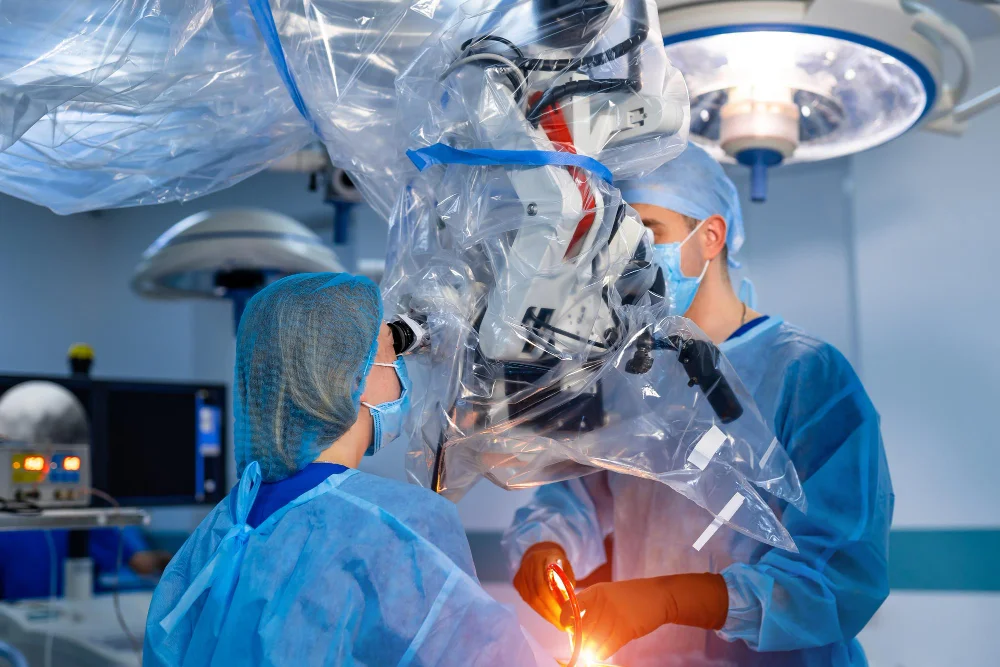
The standard robotic surgical system consists of three primary components: the patient cart, the vision cart, and the surgeon console. During the procedure, the surgeon sits at the ergonomic console located just a few feet away from the operating table. Through a high-definition, three-dimensional vision system, the surgeon receives a highly magnified, brilliantly illuminated view of the surgical field.
As the surgeon moves their hands and fingers at the console, the system instantaneously translates these gross motor movements into precise, micro-movements of the robotic arms positioned over the patient. These arms are equipped with specialized, wristed instruments that can bend, rotate, and articulate far beyond the natural limitations of the human wrist. Furthermore, the computer software actively filters out any natural physiological hand tremors, ensuring that every scalpel stroke, suture, and tissue manipulation is executed with flawless, mechanical stability.
The Physiological Impact of Surgical Precision
The true medical value of robotic-assisted surgery lies in its physiological impact on the human body, particularly concerning tissue preservation and hemostasis (the stopping of blood flow). Because the robotic arms require incisions no larger than one to two centimeters, the structural integrity of the patient’s abdominal or thoracic wall is preserved. Muscles are gently parted rather than severed, drastically reducing the localized inflammatory response that typically triggers severe postoperative pain.
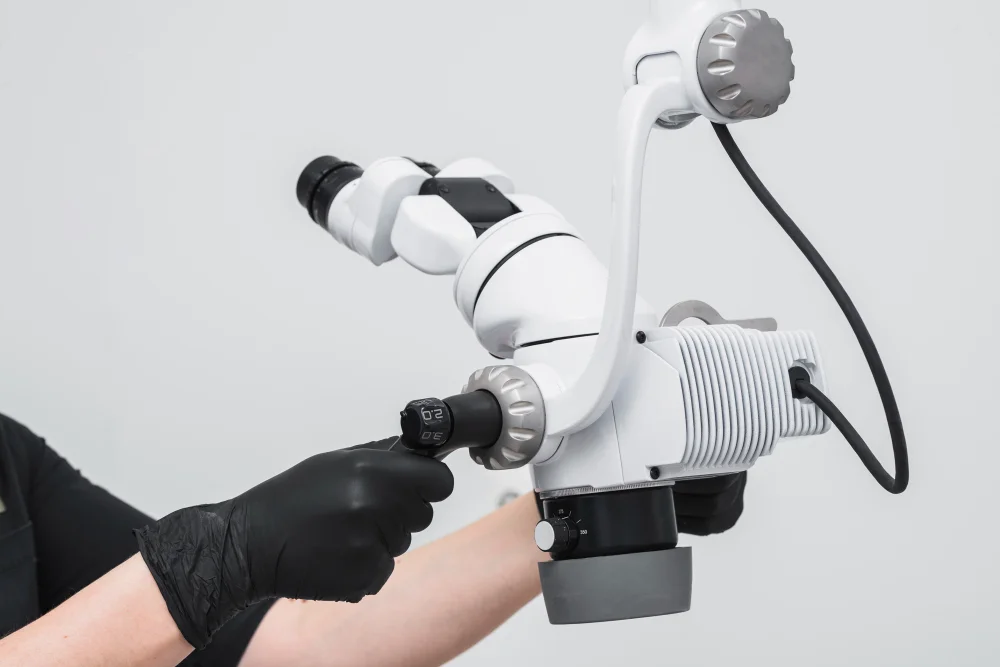
Moreover, the combination of 3D magnification and micro-instrumentation allows surgeons to navigate complex anatomical spaces with unparalleled accuracy. In highly sensitive areas, such as the deep pelvis during a prostatectomy or a complex gynecological excision, identifying and preserving microscopic nerves and delicate blood vessels is paramount. The robotic platform enables surgeons to carefully dissect malignant or diseased tissue while sparing these vital surrounding structures. This meticulous tissue handling significantly reduces intraoperative blood loss, often eliminating the need for postoperative blood transfusions and reducing systemic cardiovascular stress.
Transforming the Patient Recovery Timeline
For the patient, the clinical translation of this microscopic precision is a dramatically accelerated and more comfortable recovery timeline. Because surgical trauma is minimized, the body expends less energy on generalized wound healing and can focus its resources on systemic recovery.
Patients undergoing robotic-assisted procedures consistently report significantly lower levels of postoperative pain compared to those undergoing traditional open surgeries. Consequently, there is a vastly reduced reliance on narcotic pain medications, which helps patients avoid the debilitating side effects of opioids, such as gastrointestinal distress and cognitive lethargy.
This reduction in pain and physical trauma directly correlates to shorter hospitalizations. Procedures that historically required a five-to-seven-day hospital stay can now often be completed as short-stay or even outpatient procedures, allowing individuals to return to the comfort of their own homes within 24 to 48 hours. Once home, the return to normal daily activities, light exercise, and professional work is exponentially faster.
Embracing these surgical advancements allows individuals to face necessary medical interventions with reduced anxiety and highly optimistic prognoses. By prioritizing tissue preservation and harnessing the pinnacle of modern engineering, medical science continues to redefine what is possible in the operating theater. To learn more about specific robotic-assisted procedures, patient candidacy, and the advanced technological capabilities available, individuals are encouraged to schedule a comprehensive consultation with the expert surgical teams at Liv Hospital.