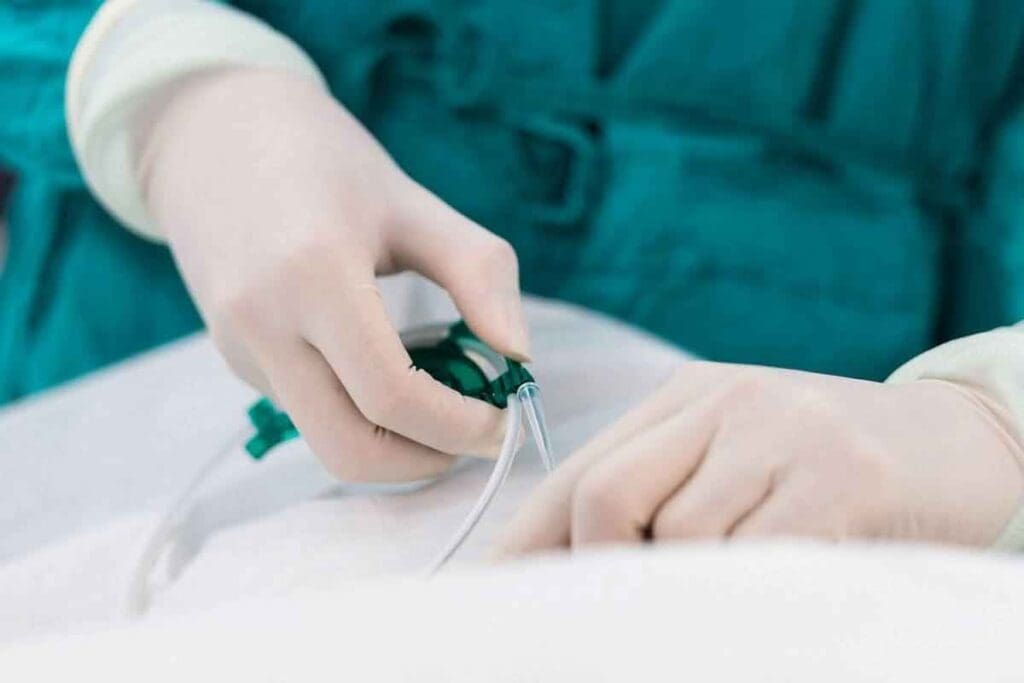
Choosing cardiac ablation is a big decision. It’s important to know about its safety and what to expect. Cardiac ablation is a procedure to treat heart rhythm problems.
Studies show that catheter ablation is mostly safe. The risk of major complications is usually between 1 to 4 percent. The chance of death is very low, between 0.03 and 0.46 percent. Liv Hospital’s high standards make many people feel more confident about this treatment.
Key Takeaways
- Cardiac ablation is a minimally invasive procedure to treat arrhythmias.
- Major complication rates are between 1 to 4 percent.
- Mortality rates are reported between 0.03 and 0.46 percent.
- Liv Hospital follows internationally competitive standards.
- The procedure typically takes 3 to 6 hours to complete.
Understanding Cardiac Ablation and Its Purpose
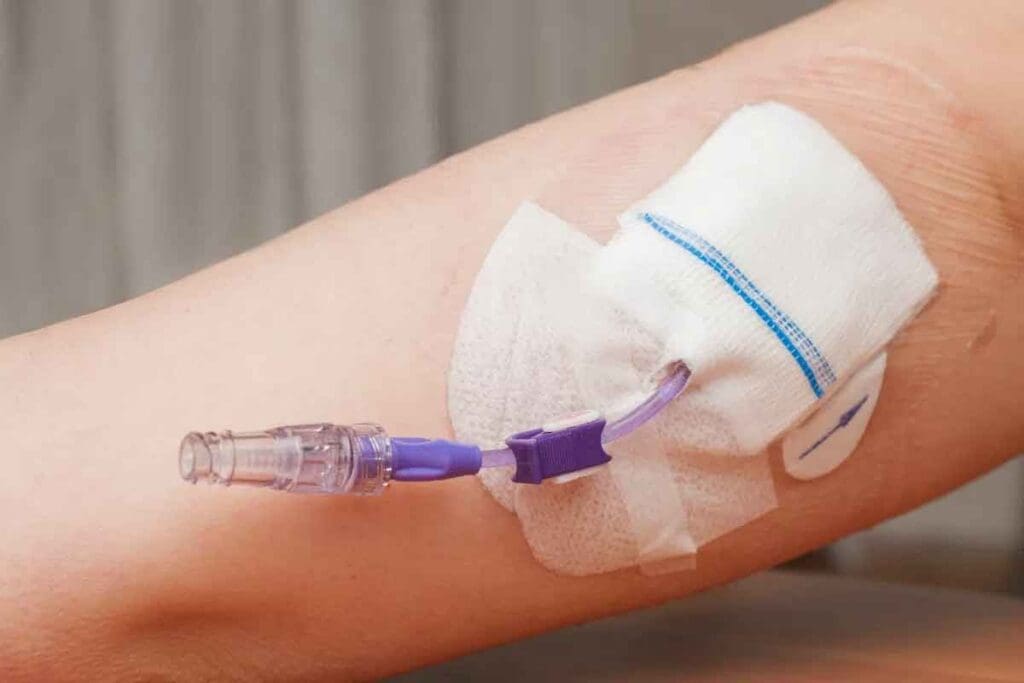
Catheter ablation of the heart is a minimally invasive procedure aimed at correcting irregular heartbeats. It has become popular because it works well for many cardiac arrhythmias.
What is Catheter Ablation of the Heart?
Catheter ablation uses thin, flexible tubes called catheters to destroy abnormal heart pathways. These pathways cause arrhythmia. The doctor inserts the catheters through a leg vein and guides them to the heart.
Once the arrhythmia source is found, the doctor uses energy like radiofrequency or cryotherapy to destroy the tissue.
Common Types of Cardiac Arrhythmias Treated
Cardiac ablation treats many arrhythmias, including:
- Supraventricular Tachycardia (SVT): A condition with rapid heartbeats from above the ventricles.
- Atrial Flutter: A fast heartbeat in the atria.
- Atrial Fibrillation: The most common serious arrhythmia, with irregular and fast heartbeats.
These conditions can cause symptoms like palpitations, shortness of breath, and fatigue. They can really affect a person’s quality.
When Ablation Is Recommended
Ablation is recommended when:
- Medications don’t work or have bad side effects.
- The arrhythmia is severe and affects life quality a lot.
- Other treatments haven’t worked or aren’t right.
Choosing cardiac ablation depends on the patient’s health, arrhythmia type and severity, and how they’ve reacted to other treatments.
How Safe Is Cardiac Ablation: Examining the Evidence
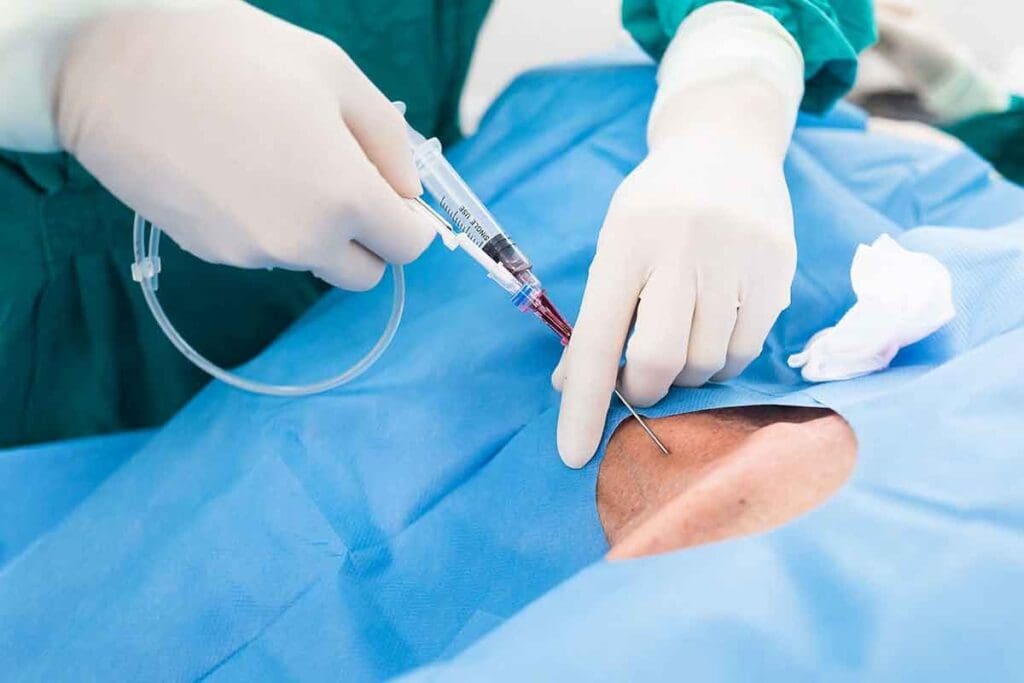
Looking into the safety of cardiac ablation is key. This procedure treats heart rhythm issues. Many studies have explored its safety.
Overall Safety Profile and Success Rates
Cardiac ablation is mostly safe. It works well for many arrhythmias. Success rates depend on the condition.
A study in the Journal of the American College of Cardiology found it effective. New technology has made it even better.
Major Complication Rates in Recent Studies
Major complications from cardiac ablation are rare. Studies show rates between 1 to 4 percent.
| Study | Major Complication Rate |
| Study A | 1.2% |
| Study B | 2.5% |
| Study C | 3.1% |
Catheter Ablation Death Rate and Mortality Risk
The risk of death from catheter ablation is low. Mortality rates range from 0.03 to 0.46 percent.
Mortality rates for catheter ablation are generally low. They can change based on patient selection and care.
Knowing about cardiac ablation’s safety is vital. It helps patients and doctors make better choices.
The Cardiac Ablation Procedure Step by Step
The cardiac ablation procedure is a detailed process. It aims to fix irregular heartbeats by finding and fixing the heart’s electrical problems. This method treats various arrhythmias by destroying the bad electrical paths in the heart.
Pre-Procedure Evaluation and Testing
Before starting the procedure, patients get checked to see if they can have it. They look at their medical history, do a physical check, and run tests like ECGs and echocardiograms. Blood tests are also done.
Diagnostic tests are key to figuring out the arrhythmia’s type and how bad it is. They also check for any heart issues that might affect the treatment.
What Happens During a Cath Ablation Procedure
During the procedure, patients get sedated to relax. A small cut is made in the groin or arm to put in a catheter. These are then guided to the heart through blood vessels.
With the catheters in place, doctors use them to map the heart’s electrical activity. They find where the arrhythmia starts. Then, they use the catheters to send energy to that spot, destroying the bad paths.
Role of Electrophysiological Mapping
Electrophysiological mapping is a big part of the procedure. It uses special catheters to make a detailed map of the heart’s electrical signals. This map shows where the bad paths are.
Advanced mapping tech has made the procedure more accurate and effective. It helps doctors target the right areas better, leading to better results for patients.
How Long Is an Ablation Procedure? Time Expectations
Knowing how long a cardiac ablation procedure takes is key for patients. The time needed can change a lot. This depends on the type of arrhythmia and how complex the case is.
Average Ablation Procedure Time by Arrhythmia Type
The average time for a cardiac ablation procedure is 2 to 4 hours. For atrial fibrillation, it’s usually 4 hours. This is because it’s a complex condition that needs detailed heart mapping.
On the other hand, procedures for simpler arrhythmias like supraventricular tachycardia (SVT) or atrial flutter might be quicker. They can be done in 2 hours. The exact time depends on the patient’s health and the doctor’s experience.
Factors That Influence Ablation Surgery Duration
Several things can affect how long an ablation procedure takes:
- The type and complexity of the arrhythmia being treated
- The patient’s overall heart health and the presence of other medical conditions
- The need for additional procedures, such as diagnostic testing during the ablation
- The experience and skill level of the electrophysiologist performing the procedure
These factors can either shorten or lengthen the procedure time. For example, a patient with multiple arrhythmias may need a longer procedure to address all conditions.
Hospital Stay Length After Procedure
Most patients are discharged on the same day or the next morning after a cardiac ablation. The typical hospital stay is less than 24 hours.
Some factors might make the hospital stay longer. These include complications or the need for close monitoring of the heart rhythm after the procedure. But for many, going home soon after is a big plus of catheter ablation over surgery.
What Is an Ablation Catheter? Technology Explained
Ablation catheters are advanced medical tools used to fix irregular heart rhythms. They are thin, flexible tubes that go through blood vessels to the heart. There, they use energy to destroy the bad electrical paths causing arrhythmias.
Types and Functions of Ablation Catheters
There are many types of ablation catheters, each for different heart problems. Their main job is to send energy to the heart tissue. They have electrodes that help find and treat the source of arrhythmias.
The main types include:
- Radiofrequency (RF) ablation catheters, which use heat to destroy abnormal tissue.
- Cryoablation catheters, which use extreme cold to achieve the same effect.
- Laser ablation catheters, which utilize laser energy for tissue ablation.
Energy Sources Used in Modern Ablation
Today’s ablation catheters use new energy sources for treatment. The choice of energy depends on the heart problem, where it is, and the patient’s health.
| Energy Source | Description | Common Applications |
| Radiofrequency (RF) | Uses electrical current to heat tissue, creating lesions. | Atrial fibrillation, supraventricular tachycardia (SVT). |
| Cryoablation | Employs extreme cold to freeze and destroy abnormal tissue. | Atrial fibrillation, certain types of ventricular tachycardia. |
| Laser | Utilizes laser energy to create precise lesions. | Various arrhythmias, with a focus on precision and minimal damage. |
Technological Advances Improving Safety
New tech has made ablation catheters safer and more effective. Improvements include better catheter design, advanced mapping, and real-time monitoring. These help target the problem more accurately, lowering risks and improving results.
Key advancements include:
- Enhanced mapping technologies for better visualization of the heart’s electrical activity.
- Contact force sensing catheterswhich provide real-time feedback on the catheter’s contact with the heart tissue.
- Advanced energy delivery systems allow for more controlled and effective ablation.
Major Risks of Cardiac Ablation
Cardiac ablation is a common treatment for heart arrhythmias. It’s generally safe but comes with risks. Patients and doctors need to know these risks.
Bleeding and Vascular Complications
Bleeding and vascular issues are common risks. These can be from minor bruising to serious damage. Anticoagulant meds used during and after can increase bleeding risk.
Vascular problems might include a hematoma a pseudoaneurysm, or an arteriovenous fistula. These are serious and need quick attention.
Cardiac Tamponade and Heart Perforation
Cardiac tamponade is a serious risk. It happens when fluid builds up around the heart. This can be due to heart perforation during the procedure.
Heart perforation is rare but dangerous. It needs immediate care, often with a needle to drain fluid.
Stroke and Embolism Risks
Stroke or embolism is another big concern. This can happen if blood clots or debris move during the procedure.
To lower this risk, patients get anticoagulant therapy. But, there’s always a small chance of stroke or embolism.
Damage to Adjacent Cardiac Structures
Cardiac ablation uses energy to target specific heart areas. B, there’s a risk of harming nearby structures. This can cause complications.
The risk is higher near critical areas like the esophagus or coronary arteries. Using advanced mapping and careful planning helps reduce these risks.
| Complication | Incidence Rate | Management Strategies |
| Bleeding/Vascular Complications | 2-5% | Anticoagulation management, vascular closure devices |
| Cardiac Tamponade | 1-3% | Pericardiocentesis, monitoring |
| Stroke/Embolism | 0.5-2% | Anticoagulation therapy, embolic protection devices |
| Damage to Adjacent Structures | 1-2% | Advanced mapping, careful energy titration |
Is Cardiac Ablation Dangerous: Minor Complications
Cardiac ablation is mostly safe but can lead to minor issues. These problems are not usually serious but can affect recovery and how patients feel.
Temporary Arrhythmias and Electrical Disturbances
Temporary heart rhythm problems are common after cardiac ablation. They happen when catheters move in the heart or during the ablation. Often, these issues fix themselves without needing extra help.
Managing these issues might include watching the heart, taking medicine, or sometimes more procedures to get the heart back to normal.
Chest Pain and Discomfort
After cardiac ablation, some people feel chest pain or discomfort. This can be from the heart getting inflamed or the spot where the catheter went in. The pain’s level can differ, and doctors usually treat it with pain meds.
It’s key for patients to tell their doctors about any bad or lasting chest pain, as it might mean they need more checks.
Access Site Issues and Management
Problems at the spot where the catheter was put in, like bruising or swelling, can happen. Taking good care of the wound and following up is important to handle these issues.
In some cases, more treatment, like pressure or, very rarely, surgery might be needed to fix these problems.
| Minor Complication | Description | Management |
| Temporary Arrhythmias | Irregular heartbeats post-ablation | Monitoring, medication, or additional procedures |
| Chest Pain/Discomfort | Pain due to inflammation or the access site | Pain medication, reporting severe pain |
| Access Site Issues | Bruising, swelling, or hematoma athe t catheter site | Wound care, compression, or surgical intervention |
Knowing about these minor issues can help patients get ready for what might happen with cardiac ablation. This makes the recovery smoother.
After Effects of Catheter Ablation and Recovery
The effects of catheter ablation are as important as the procedure itself. Knowing the recovery process and possible after effects helps patients recover smoothly and successfully.
Immediate Post-Procedure Experience
Right after the procedure, patients stay in a recovery area for a few hours. Medical staff watch their heart rhythm and overall health closely. Some might feel mild discomfort or soreness at the catheter sites, which can be eased with over-the-counter pain meds.
Feeling fatigued or weak is common but usually goes away in a few days. Patients are advised to rest and avoid hard activities during this time.
First Few Weeks of Recovery
In the first few weeks, patients can start doing normal activities again. But it’s key to follow their doctor’s specific instructions. Some might need to keep taking anti-arrhythmic medications to keep their heart rhythm stable.
It’s important to watch out for bleeding, infection, or irregular heartbeats and tell the doctor if any symptoms worry you. Regular check-ups are vital to track progress and tackle any problems quickly.
Long-Term Outcomes and Quality of Life Improvements
Long-term, many patients see big improvements in their quality of life after catheter ablation. The procedure can greatly reduce or get rid of arrhythmia symptoms, letting patients enjoy activities without worry.
Research shows catheter ablation can lead to improved heart function and lower hospitalization risks due to arrhythmia. But esults can differ, and some might need more treatments or procedures.
Keeping a healthy lifestyle helps improve catheter ablation outcomes. This includes eating well, exercising regularly, and managing stress. Patients should stay in close touch with their healthcare team to keep their treatment plan on track.
Patient Selection: Who Should Consider or Avoid Ablation
Choosing the right patients for cardiac ablation is key. Cardiac ablation is usually for those with arrhythmias that bother them and haven’t gotten better with medicine. Or, if they’ve had too many side effects.
Ideal Candidates for Cardiac Ablation
The best candidates have arrhythmias that really affect their lives. They might have atrial fibrillation, SVT, or VT. These conditions haven’t been controlled well with medicine.Studies show ideal candidates often have a clear arrhythmia diagnosis. They’re also generally healthy, except for their heart issues.
High-Risk Patient Groups
Some groups face higher risks with cardiac ablation. These include older patients, those with many health problems, and those with severe heart failure. For them, the risks might be too high.
Pre-Existing Conditions That Increase Risks
Conditions like diabetes, kidney disease, and bleeding disorders raise the risks. Patients with these needs require extra care before the procedure.
Healthcare teams can pick the best candidates for cardiac ablation. They do this by looking at each patient’s situation closely. This way, they help those who will benefit most and keep risks low for others.
Comparing Ablation to Alternative Treatments for Arrhythmias
When looking at treatments for arrhythmias, patients and doctors must think about the pros and cons of each option. They consider cardiac ablation, medicines, and surgery. The right choice depends on the arrhythmia type, the patient’s health, and personal wishes.
Antiarrhythmic Medications vs. Ablation
Medicines are often the first choice for many arrhythmias. They can help control symptoms and reduce episodes. But, they can have side effects and might not work for everyone. Cardiac ablation directly targets the arrhythmia source. It’s great for those who can’t take medicines or don’t respond well to them.
Choosing between medicine and ablation means weighing the chance of long-term symptom relief against the risks of the procedure. Medicines need ongoing care, while ablation is a one-time deal with its own risks and recovery.
Surgical Approaches vs. Catheter-Based Procedures
Surgical maze procedures are used for some arrhythmias, like atrial fibrillation. They create scar tissue to stop bad electrical signals. Though effective, they’re more invasive than catheter ablation and riskier.
Catheter ablation is less invasive, leading to quicker recovery and fewer complications. Butt, success and long-term results depend on the condition and the patient.
Risk-Benefit Analysis Across Treatment Options
It’s key to do a detailed risk-benefit analysis for arrhythmia treatments. This looks at immediate procedure risks and long-term benefits and quality of life improvements.
- For some, ablation’s chance to greatly reduce or stop symptoms is worth the risks.
- Others might choose ongoing medicine treatment, accepting its need.
- Surgery is sometimes needed for complex cases or during other heart surgeries.
The choice between ablation, medicines, and surgery should be made carefully. It depends on the patient’s unique situation, preferences, anthe d doctor’s advice.
Conclusion: Weighing the Risks and Benefits of Cardiac Ablation
Cardiac ablation is a helpful treatment for many with arrhythmias. It improves symptoms and quality of lifeBut ittit also has risks and complications.
Knowing the risks and benefits is key to making good choices. The procedure is mostly safe, but risks can vary based on individual factors.
Those thinking about cardiac ablation should talk to their doctor. They can weigh the good against the bad. This helps make a choice that fits their health needs.
In conclusion, cardiac ablation is a vital treatment for arrhythmias. It’s safe and effective, backed by lots of research. Choosing the right patients and tailoring care is important for the best results.
FAQ
How long is an ablation procedure?
The time needed for an ablation procedure varies. It depends on the type of arrhythmia being treated. For simpler cases, it can take a few hours. For more complex ones, it may take longer.
Is cardiac ablation dangerous?
Cardiac ablation is generally safe. But, it can have risks and complications. These include bleeding, cardiac tamponade, and stroke. Yet, the chance of these happening is low.
What are the chances of dying from an ablation?
The risk of dying from cardiac ablation is very low. Studies show that the death rate from catheter ablation is less than 1% in most cases.
How safe is catheter ablation?
Catheter ablation is safe when done by experienced doctors. It has a high success rate in treating arrhythmias. The risk of major complications is also low.
What is an ablation catheter?
An ablation catheter is a special device used in the heart. It delivers energy to destroy abnormal electrical pathways that cause arrhythmias.
What are thathe ftereffectssof f ofatheter ablation?
After catheter ablation, patients might feel some discomfort. They might also have temporary arrhythmias or issues at the access site. But most can get back to normal activities in a few days to weeks.
How long is the hospital stay after cardiac ablation?
The hospital stay after cardiac ablation varies. Many patients are discharged the same day or within 24 hours after the procedure.
What are the risks of cardiac ablation?
Cardiac ablation carries risks like bleeding, vascular complications, and cardiac tamponade. There’s also a risk of stroke and damage to nearby heart structuButs. Bu, the overall risk is low.
Is a cardiac ablation dangerous for patients with pre-existing conditions?
Patients with certain conditions may face higher risks during cardiac ablation. It’s important to carefully evaluate if the procedure is suitable for these individuals.
How does cardiac ablation compare to antiarrhythmic medications?
Cardiac ablation can be a more definitive treatment for some arrhythmias than antiarrhythmic medications. It may reduce or eliminate the need for long-term medication.
What are the long-term outcomes of cardiac ablation?
The long-term outcomes of cardiac ablation are generally good. Many patients see a big improvement in their quality of life. They often experience a reduction or elimination of arrhythmia symptoms.
Reference
- Aldaas, O. M., et al. (2023). Safety and acute efficacy of catheter ablation for atrial fibrillation with pulsed field ablation versus thermal energy sources. Journal of Cardiovascular Electrophysiology. Retrieved from https://pmc.ncbi.nlm.nih.gov/articles/PMC10626185/