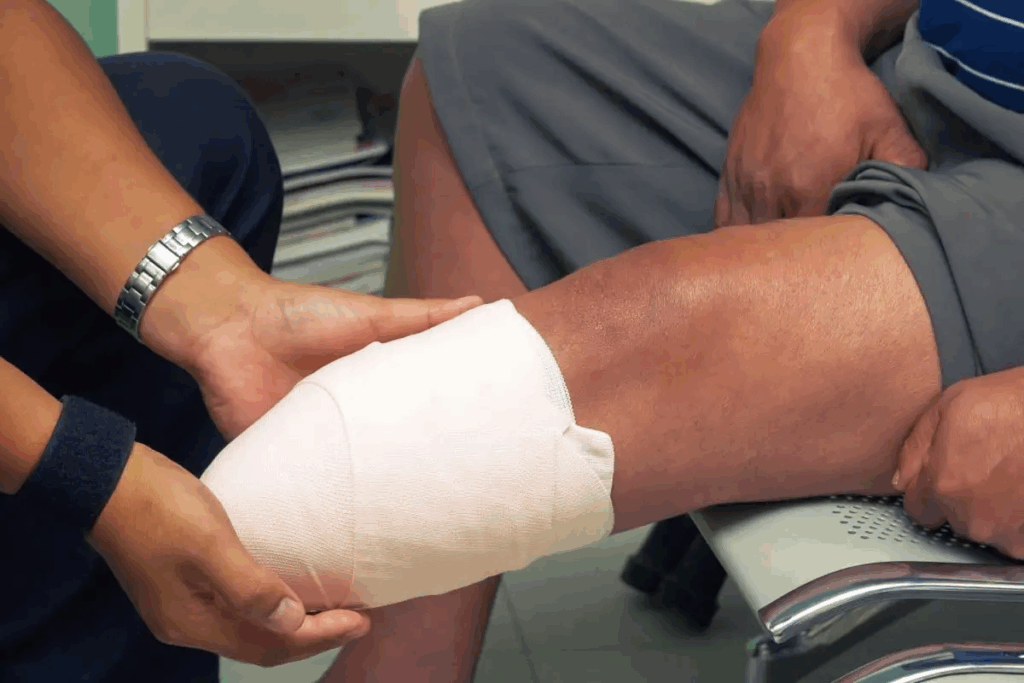
Emergency guide on how should an amputated body part be cared for (preservation) before transport to the hospital. When a traumatic amputation happens, the first hours are key. Quick care for the injured person and the lost body part can greatly affect recovery.
At Liv Hospital, we combine global expertise with a focus on 5-star patient care. We ensure those facing amputations get evidence-based emergency protocols and support from the start.
Knowing how to care for an amputated body part is vital for possible reattachment and survival. Recovery starts after surgery and goes on at home. It includes physical therapy, a big part of getting better.
Key Takeaways
- Immediate care is key for survival and possible reattachment.
- Proper handling of the amputated body part is essential.
- Evidence-based emergency protocols improve outcomes.
- Multidisciplinary support is vital for recovery.
- Physical rehabilitation is a key part of the recovery process.
Understanding Traumatic Amputations
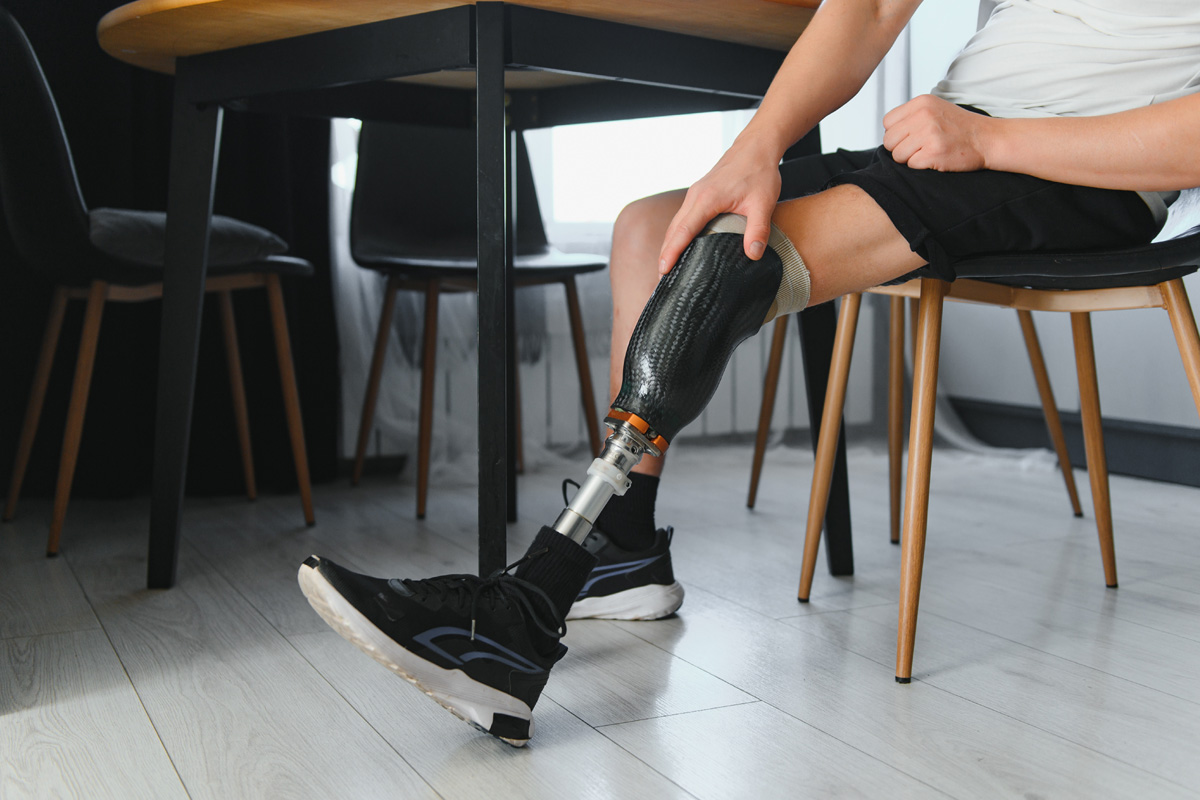
Losing a limb suddenly due to trauma is a huge change. It needs quick and right medical help. Traumatic amputations are serious and can happen from accidents or injuries. They cause big physical and emotional harm.
Definition and Types of Amputations
Traumatic amputation means losing a body part, like a finger, toe, arm, or leg, because of an accident. There are two main types: partial and complete amputations. A complete amputation means the whole limb is lost. A partial amputation means some tissue is left.
Doctors say knowing the type and extent of the amputation is key. It helps decide the best treatment. “The first care and assessment for traumatic amputations greatly affect the outcome and chance of successful reattachment,” doctors explain.
“The initial assessment and care provided for traumatic amputations significantly influence the outcome and successful reattachment.”
Type of Amputation | Description |
Complete Amputation | Total severing of a limb |
Partial Amputation | Partial severing with some tissue remaining intact |
Common Causes of Traumatic Amputations
Traumatic amputations can happen from many things, like work accidents, power tool problems, and car crashes. In the U.S., about 30,000 accidental amputations happen every year. Most are from these reasons.
The main reasons include:
- Workplace accidents with heavy machinery
- Power tool accidents
- Motor vehicle accidents
Knowing these causes helps in stopping them and improving how we respond in emergencies.
Amputation Statistics in the United States
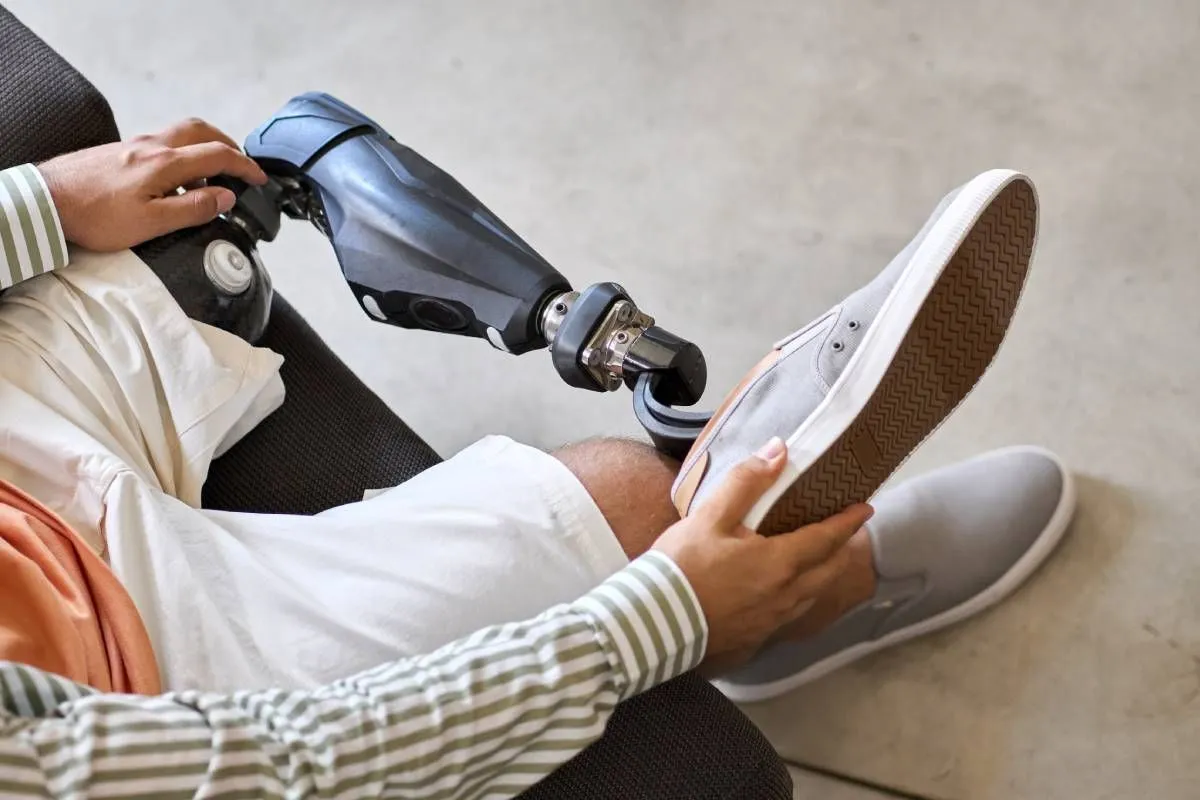
Amputation statistics show a complex picture of injury and illness in America. They highlight the need for effective emergency response and rehabilitation services. It’s important to understand these statistics to assess the issue’s scope and guide medical practice and public health initiatives.
Annual Incidence Rates
The annual incidence of amputations in the U.S. is a significant public health concern. Between 1990 and 2019, the global incidence of traumatic amputations rose from 11.37 million to 13.23 million. While specific U.S. data is less readily available, it’s estimated that a considerable proportion of these cases occur in the United States.
Fingers are most frequently amputated, making up about 91% of cases. Toes account for around 5%. These statistics highlight the importance of immediate and appropriate care for amputated parts to maximize the chances of successful reattachment.
Key Statistics:
- 91% of amputations involve fingers
- 5% involve toes
- Global traumatic amputations increased from 11.37 million to 13.23 million between 1990 and 2019
Most Common Accident Scenarios
Accidents leading to amputations vary widely, but certain scenarios are more common. Industrial accidents, involving machinery or tools, are among the leading causes of traumatic amputations. Motor vehicle accidents and injuries from firearms or explosives also contribute significantly to amputation statistics.
- Industrial accidents
- Motor vehicle accidents
- Firearm or explosive injuries
Demographic Patterns
Demographic analysis of amputation statistics reveals certain patterns. For instance, males are more likely to experience traumatic amputations than females. This is likely due to higher rates of involvement in hazardous occupations and riskier behaviors. Age also plays a role, with younger individuals more frequently represented in traumatic amputation cases.
Understanding these demographic patterns can help in targeting prevention efforts and providing appropriate support services for those affected by amputations.
The Critical Time Window for Reattachment
Knowing the right time for reattachment is key in amputation emergencies. The success of the surgery depends on quick and right care of the severed part.
Viability Timeline Without Preservation
A severed part can only last for a short time without cooling. Muscle tissues can survive about six hours without blood flow. Digits, on the other hand, can last 12 hours or more before replantation. This shows how important it is to handle and preserve the part correctly.
Extended Viability With Proper Cooling
Cooling the severed limb can make it last longer. It slows down the body’s processes, reducing damage from lack of blood. Research shows cooling can make amputated parts last up to 12 hours or more, depending on the tissue and cooling method.
Factors Affecting Successful Reattachment
Many things can affect the success of reattaching a severed part. These include the amputation level, the part’s condition, and the patient’s health. Also, how the part is preserved and how long it takes to get medical help are key.
Factor | Description | Impact on Reattachment |
Level of Amputation | The location and severity of the amputation. | Higher levels of amputation (e.g., limb vs. digit) may have different viability timelines. |
Condition of Amputated Part | The extent of damage to the severed limb or digit. | Parts with significant damage may have lower chances of successful reattachment. |
Patient’s Overall Health | The presence of underlying health conditions. | Patients with certain health conditions may face higher risks during surgery. |
By understanding these factors and using the right care, like cooling, we can greatly improve reattachment success.
Immediate Response to an Amputation Emergency
An amputation emergency needs quick action to save the lost part and keep the injured person stable. Our main goal is to keep everyone safe while giving the right care.
Assessing the Situation Safely
We must first check the area for dangers like sharp objects or electrical hazards. Making sure the scene is safe lets us help without getting hurt.
Calling for Emergency Medical Services
It’s vital to call for emergency help right away. Dial the local emergency number and tell them what’s happening. Stay on the line and do what the operator says.
Gathering Necessary Supplies
While waiting for help, get the things you need. This includes clean cloths, bandages, and a bag for the lost part. Having these items ready can help a lot.
Key first aid priorities are stopping bleeding, managing shock, and keeping the lost part safe. Check the person’s airway, breathing, and circulation. Use direct pressure to stop the bleeding.
To handle an amputation emergency well, do these things:
- Check the area is safe
- Call for emergency medical services right away
- Get the first aid supplies you need
- Stop bleeding with direct pressure or a tourniquet
- Keep the lost part safe
By acting fast and following these steps, we can help the injured person a lot. Being ready and quick can really help the outcome.
Controlling Bleeding from the Injury Site
The first step in managing an amputation emergency is to control bleeding from the injury site effectively. Controlling bleeding is key. It can be done through a mix of techniques.
Direct Pressure Techniques
Applying direct pressure to the wound is the first and most effective way to stop bleeding. Use a clean cloth or gauze to press firmly on the bleeding site.
Steps for Applying Direct Pressure:
- Use a clean cloth or gauze pad to apply pressure.
- Press firmly on the wound to stop the bleeding.
- Maintain pressure for at least 5-10 minutes before checking if the bleeding has stopped.
When and How to Apply a Tourniquet
A tourniquet is used when direct pressure doesn’t work and there’s a lot of blood loss. It’s important to use a tourniquet correctly to avoid more harm.
Guidelines for Tourniquet Application:
- Place the tourniquet between the wound and the heart, about 2-3 inches above the wound.
- Tighten the tourniquet until the bleeding stops.
- Note the time the tourniquet was applied.
Elevation and Pressure Points
Elevating the injured area above the heart can help reduce blood flow. This can help control bleeding. Also, applying pressure to specific points can manage bleeding.
Technique | Description | Benefits |
Direct Pressure | Applying firm pressure to the wound | Effective in controlling most bleeding |
Tourniquet Application | Using a tourniquet to stop severe bleeding | Life-saving in cases of severe blood loss |
Elevation | Elevating the injured area above heart level | Reduces blood flow to the injured area |
By using direct pressure, tourniquet application, and elevation together, we can control bleeding. This improves the chances of successful reattachment and recovery.
How Should an Amputated Body Part Be Cared For
Caring for an amputated body part is very important. It needs special handling to keep it alive for reattachment. The steps right after the amputation can greatly affect the success of the surgery and recovery.
Handling the Amputated Part Safely
When you handle the amputated part, it’s key to avoid touching it too much. This helps prevent contamination. Try to pick it up gently, without touching areas that will be reattached if possible.
Safe Handling Tips:
- Handle the amputated part by the edges or areas that are not critical for reattachment.
- Avoid squeezing or applying pressure on the severed part.
- Keep the amputated part away from direct contact with ice or water to prevent damage.
Cleaning Protocols for the Severed Part
Cleaning the amputated part needs to be done carefully. If it’s dirty, gently rinse it with sterile saline solution. But, it’s best if medical professionals do this.
Important: Don’t use tap water or harsh chemicals for cleaning. They can harm the tissues.
Proper Wrapping Techniques
The amputated part should be wrapped in sterile, saline-soaked gauze. Then, put it in a watertight plastic bag. Keep this bag in an iced environment without direct ice contact.
Wrapping Step | Description |
1. Wrap in Saline-Soaked Gauze | Keep the amputated part moist. |
2. Place in Watertight Bag | Prevent leakage and contamination. |
3. Cool Environment | Use ice water or a cold pack indirectly. |
By following these steps, you can help keep the amputated part alive. This increases the chances of successful reattachment. It’s also important to handle it carefully to avoid further injury.
The Correct Cooling Method for Amputated Parts
Cooling an amputated limb correctly can greatly increase its chances of being reattached. It’s a key step in emergency care. It slows down the body’s processes, reducing damage to tissues.
Indirect Cooling Technique
The best way to cool an amputated part is through indirect cooling. Wrap the severed limb in a clean, damp cloth to avoid ice damage. Then, put the cloth in a sealed plastic bag or waterproof container.
Next, immerse the bag in ice and water. This method cools the part without ice damage. The goal is to cool it to just above freezing, around 4°C (39°F).
Common Mistakes to Avoid
When cooling an amputated part, avoid a few common mistakes. Never immerse the amputated part directly in ice or water to prevent damage. Also, don’t use dry ice, as it can cause injuries. And, cool the part as soon as possible for better reattachment chances.
- Direct contact with ice
- Using dry ice
- Delaying the cooling process
Makeshift Cooling Solutions in Emergency Situations
In emergencies, use makeshift cooling solutions if you don’t have special equipment. A cooler or insulated bag with ice packs can work. Keep the part cool until medical help arrives.
Use available materials to cool the part. Cold water bottles or other cold objects can help. The main goal is to keep it cool and safe until medical care is available.
Special Considerations for Different Types of Amputations
Different amputations need special care to help patients recover well. The type and severity of the amputation affect the care needed and the chance of reattaching the limb.
Finger and Digit Amputations
Finger and digit amputations are common. They often happen at work or during fun activities. It’s important to handle the cut-off finger carefully. Keep it cool and moist to help it stay alive for reattachment.
Key considerations for finger amputations include:
- Careful handling to avoid further damage
- Proper cleaning and wrapping techniques
- Cooling the amputated part without direct ice contact
Limb Amputations
Limb amputations, like arms or legs, are more complex. They are bigger and can bleed a lot. Stopping the bleeding and keeping the patient stable are key.
For limb amputations, it’s essential to:
- Apply direct pressure to control bleeding
- Use a tourniquet if necessary, with careful documentation of application time
- Keep the patient calm and comfortable while awaiting medical help
Partial vs. Complete Amputations
Knowing if an amputation is partial or complete is important. Partial amputations, where some tissue is left, might have a better chance of being reattached. They need special care to keep the remaining tissue alive.
Care considerations for partial amputations include:
- Gentle handling to avoid further injury to the remaining tissue
- Careful assessment of the injury to determine the best course of action
- Prompt medical evaluation to assess the best chance for reattachment
In conclusion, knowing the type of amputation is key to proper care. Tailored strategies for finger, limb, partial, or complete amputations can greatly improve patient outcomes and the chance of successful reattachment.
Managing the Injured Person
When someone loses a limb, it’s key to manage their health well. This is vital for their survival and recovery. As caregivers, we must ensure their comfort and safety until medical help arrives.
Positioning and Comfort Measures
It’s important to position the injured person correctly. This can prevent more harm and lower shock risk. We should lay them flat on their back and raise their legs about 12 inches. This improves blood flow to the brain and vital organs.
To keep them comfortable, we should cover them with a coat or blanket. This is important because shock can make them feel cold, even in warm temperatures.
Monitoring for Signs of Shock
Shock is a serious condition that can happen after a severe injury. We must watch the injured person for shock signs. These include:
- Pale or cool skin
- Fast or weak pulse
- Shallow or rapid breathing
- Nausea or vomiting
- Blue-tinged lips or fingers
If we see these symptoms, it’s vital to stay with them and keep them calm. We should wait for medical help to arrive.
Signs of Shock | Action to Take |
Pale or cool skin | Keep the person warm |
Fast or weak pulse | Monitor vital signs closely |
Shallow or rapid breathing | Provide reassurance and keep calm |
Psychological First Aid
Emotional support is as important as physical care. We should reassure and stay with the injured person. This helps them feel safe and comforted.
“The care and compassion shown to an injured person can significantly impact their recovery and overall well-being.”
— Medical Professionals
By taking care of the injured person’s physical and emotional needs, we can greatly help their recovery.
Transportation Considerations
When moving someone with an amputated body part, safety is key. We must prepare well for transport, document the incident, and talk clearly with medical teams. These steps are vital for the person’s care.
Preparing for Transport to Medical Facility
To ensure a safe trip, we need to secure the amputated part and keep it with the injured person. The severed limb should be wrapped and in a sealed container. This keeps it safe during the journey.
It’s also important to comfortably position the injured person. This helps avoid more harm and prevents shock.
Documentation of Incident Details
Recording the incident details is a must. We should note the time of the injury, the circumstances surrounding the amputation, and any initial treatment provided. This info is vital for medical teams at the hospital.
Communicating with Emergency Medical Personnel
Talking clearly with emergency medical teams is essential. We should share all the details we’ve documented. This helps in streamlining the treatment process and can improve the reattachment’s success.
By paying attention to these transportation steps, we can greatly improve the injured person’s chances of a successful reattachment. This also enhances their overall care.
Medical Treatment and Rehabilitation
Medical treatment and rehabilitation are key to recovering from an amputation. The path to getting back on your feet starts right after the injury. It involves a detailed plan that covers all aspects of recovery.
Emergency Room Procedures
When you get to the emergency room, a team of doctors and nurses will help you. They focus first on controlling bleeding and making sure you’re stable. They also carefully examine the amputated part to figure out the best treatment.
“The first check in the emergency room is very important,” says Medical Expert, a trauma care expert. “We quickly check how bad the injury is and if we can reattach the part. Our team is ready to start surgery if needed.”
Surgical Reattachment Process
The process of reattaching the amputated part is very detailed. The surgical team works to reattach the amputated part or fix other damaged areas. They aim to restore blood flow, fix nerves, and stabilize the area.
- Microsurgical techniques are often used to reconnect small blood vessels and nerves.
- The surgery can take several hours, depending on the complexity of the case.
- After surgery, the team closely watches the reattached part for any complications.
Rehabilitation Timeline and Expectations
Rehabilitation starts a few days after surgery. You’ll work with physiotherapists and occupational therapists to get your strength and mobility back. The time it takes to recover varies based on your health and the amputation’s extent.
Rehabilitation Phase | Timeline | Expectations |
Initial Recovery | 0-2 weeks | Pain management and wound healing |
Physical Therapy | 2-6 weeks | Regaining mobility and strength |
Occupational Therapy | 6-12 weeks | Learning daily living skills and adapting to prosthetics |
During rehab, patients and their families work with healthcare providers to set goals. “Rehabilitation is a journey that needs patience, dedication, and support,” says Medical Expert, a specialist in rehabilitation medicine.
Conclusion
Proper care for an amputated body part is key for survival and reattachment chances. We’ve covered the vital steps for emergency first aid. This includes controlling bleeding, safely handling the amputated part, and cooling it correctly.
Recovery from an amputation is not just physical. It also involves mental support. We talk about the importance of getting back on your feet and managing pain. Understanding emergency first aid and the care needed helps face amputation challenges.
In short, our guide shows the importance of quick and right care after an amputation. We say that fast medical help and proper care of the amputated part greatly affect patient results. In conclusion, amputation care is not just about the first steps. It’s also about ongoing support and rehabilitation.
FAQ
How should an amputated body part be cared for?
Handle the amputated part with care. Clean it with sterile saline if you have it. Wrap it in a sterile gauze or cloth.
Put it in a sealed plastic bag. Cool it indirectly by placing the bag in ice water. This prevents ice from touching the part.
What is the critical time window for reattaching an amputated limb?
The time to reattach a limb depends on cooling. Without cooling, a limb is viable for about 6 hours. With cooling, it can last 12-18 hours or more.
How do I control bleeding from an amputation injury site?
Apply direct pressure with a clean cloth or gauze. Elevate the injured area above heart level if you can. For severe bleeding, use a tourniquet between the wound and heart.
What are the common causes of traumatic amputations?
Amputations can happen from accidents, car crashes, or injuries from tools. Knowing these causes helps prevent them.
How should the injured person be managed after an amputation?
Keep the injured person calm and comfortable. Watch for shock signs like pale skin and fast heartbeat. Provide psychological support by reassuring them help is coming.
What are the considerations for transporting an amputated person to a medical facility?
Make sure the injured person is comfortable and secure. Document the incident details and treatments given. Talk clearly with emergency staff when you arrive.
What is the rehabilitation process like after an amputation?
Rehabilitation involves a team of physical, occupational therapists, and sometimes psychologists. The time needed varies based on the injury and person.
How are amputated fingers or digits cared for differently?
Handle amputated fingers or digits with care. Cool them properly and handle them gently. This increases the chance of successful reattachment.
What are the differences in managing partial versus complete amputations?
Partial amputations need careful assessment for treatment. Complete amputations require immediate medical attention. The approach depends on the injury’s extent.
References
National Center for Biotechnology Information. Evidence-Based Medical Guidance. Retrieved from https://pubmed.ncbi.nlm.nih.gov/40351931/