Nearly 252,000 gastric sleeve surgeries were done in the United States in 2020. This number shows a big increase in this weight-loss method. As more people get gastric sleeve surgery, knowing the recovery timeline and safety rules, like driving, is key. Discover how soon can i drive after gastric sleeve surgery now. Get the best amazing and incredible proven tips for a fast recovery.
Recovery is a big deal and needs careful planning and following doctor’s orders. Many patients wonder when they can start driving again. Whether you can drive after gastric sleeve surgery depends on your health and how you’re doing in your recovery process.
Key Takeaways
- Knowing the gastric sleeve recovery timeline is important for a safe and good recovery.
- Patients should follow specific guidelines before starting to drive again after surgery.
- The recovery process is different for everyone, and so is the time to start driving after surgery.
- Doctors give advice based on your health.
- Following post-surgery instructions is important to avoid risks and problems.
The Basics of Gastric Sleeve Surgery and Recovery
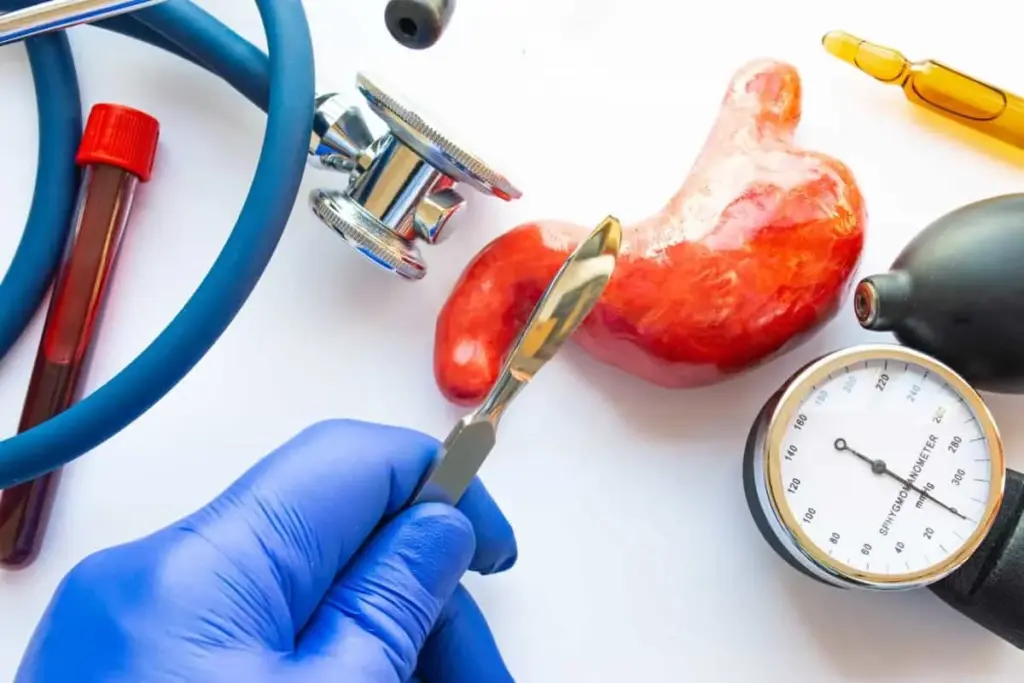
Learning about gastric sleeve surgery and recovery can ease your worries. This surgery, also called sleeve gastrectomy, removes a big part of your stomach. It leaves a narrow “sleeve” or tube-like stomach.
What Happens During Gastric Sleeve Surgery
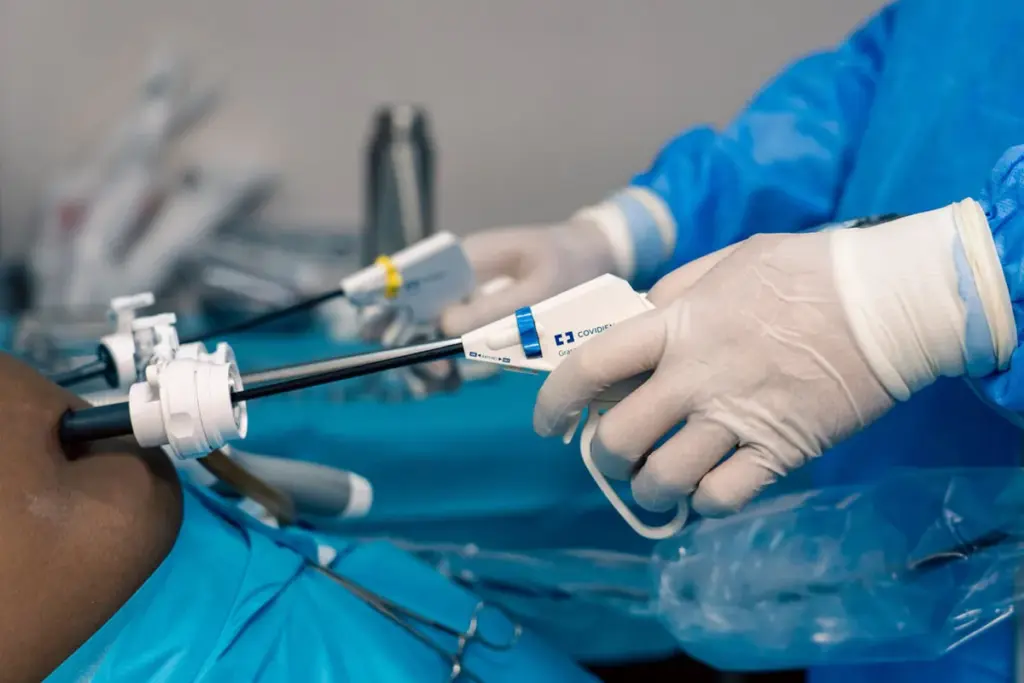
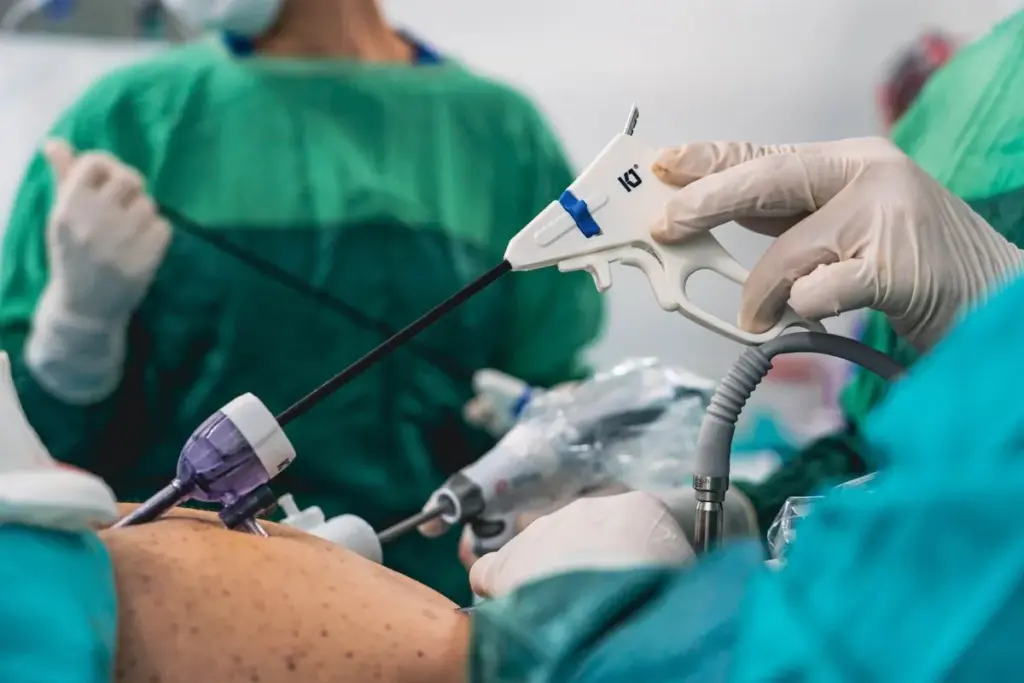
The surgeon removes about 75-80% of your stomach during the surgery. It’s usually done laparoscopically, with small incisions in your belly. The surgery takes 1-2 hours, and you’ll stay in the hospital for 1-2 days.
Immediate Post-Operative Effects on Your Body
After surgery, you might feel pain, discomfort, and swelling in your belly. You could also feel tired, nauseous, and need to eat less. It’s important to follow your doctor’s instructions to manage these feelings.
General Recovery Timeline Overview
The recovery time for gastric sleeve surgery varies. Here’s a general guide:
|
Recovery Stage |
Timeline |
Key Milestones |
|---|---|---|
|
Immediate Post-Surgery |
0-2 days |
Hospital stay, pain management, initial mobility |
|
Early Recovery |
2-14 days |
Gradual increase in mobility, dietary adjustments |
|
Intermediate Recovery |
2-6 weeks |
Return to light activities, follow-up appointments |
|
Full Recovery |
6-12 weeks |
Resumption of normal activities, significant weight loss |
Knowing this timeline and what to expect can help you recover well. Always follow your surgeon’s advice and go to all follow-up appointments.
First Days After Surgery: Hospital to Home Transition
Going home after gastric sleeve surgery needs careful planning. It’s a key time for a good recovery. Knowing what to expect is important.
Hospital Stay Duration and Driving Clearance
Most people stay in the hospital 1 to 3 days after surgery. Doctors watch your recovery, manage pain, and check if you can do simple things. You can’t drive right away, usually not until you’re fully recovered.
What affects how long you stay in the hospital includes:
- Your health and any other health issues
- How you handle the surgery
- Managing pain and doing basic things on your own
Initial Mobility Challenges
Patients often face moving problems after surgery. Pain, discomfort, and anesthesia effects make it hard to move. Having help is very important.
Some common moving problems are:
- Hard to stand up straight or bend
- Pain or discomfort when moving
- Feeling very tired
Arranging Transportation for Hospital Discharge
Getting a ride home from the hospital is a big part of your plan. You can’t drive, so a friend or family member must help.
Here are some tips for getting a ride:
- Make sure your driver knows you need to rest
- Choose a comfy car with room for your things
- Have someone stay with you for a few days
Understanding these recovery steps helps you prepare for going home. It makes your recovery smoother and more comfortable.
How Soon Can I Drive After Gastric Sleeve Surgery?
Many patients ask when they can drive again after gastric sleeve surgery. The answer depends on your health, the surgery details, and your surgeon’s advice.
Standard Medical Guidelines for Resuming Driving
Medical guidelines say wait until you’re off strong pain meds and can move safely. This usually takes 1-2 weeks, but it can vary.
Always listen to your doctor’s specific advice. They know your recovery best.
Individual Factors That Affect Your Timeline
Several factors can change when you can drive safely, including:
- Your comfort and quick reaction while driving
- Any complications or unexpected issues during recovery
- Your physical condition before and after surgery
Don’t rush back to driving if you’re in pain or uncomfortable.
What Your Surgeon Will Consider Before Clearing You
Your surgeon will check several things before saying you can drive, including:
- Your arm and leg movement without pain
- Your quickness to react in emergencies
- How much pain you have and if it’s manageable
Getting back to driving is a big step in your recovery. By following your surgeon’s advice, you’ll drive safely again.
Physical Limitations That Impact Driving Ability
After gastric sleeve surgery, patients often face physical challenges that affect their driving. The recovery process involves several physical limitations. These need to be understood and addressed before driving again.
Abdominal Discomfort and Incision Site Pain
Managing abdominal discomfort and pain at the incision site is a big concern after surgery. This discomfort can make driving maneuvers uncomfortable. We advise waiting until pain is manageable without strong narcotics before driving.
A study in the Journal of the American College of Surgeons found that postoperative pain affects when patients can drive safely. The study says patients should be off narcotic pain medication and have manageable pain before driving again.
Reduced Range of Motion and Reaction Time
Gastric sleeve surgery can temporarily reduce range of motion and reaction time. This reduction can impair driving abilities, as quick reactions are key for safe driving. We advise patients to assess their reaction time and mobility before driving.
|
Physical Limitation |
Impact on Driving |
Recommended Action |
|---|---|---|
|
Abdominal Discomfort |
Makes it hard to maneuver or react quickly while driving |
Manage pain effectively before driving |
|
Reduced Range of Motion |
Impairs ability to check blind spots or turn to see surroundings |
Practice mobility exercises as recommended by your healthcare provider |
|
Post-Surgery Fatigue |
Can lead to drowsiness or decreased concentration while driving |
Ensure you’re well-rested before driving; consider short drives initially |
Energy Levels and Post-Surgery Fatigue
Fatigue is a common post-operative symptom that can affect driving. Driving requires sustained attention and energy, which can be hard when tired. We suggest waiting until energy levels have normalized before driving.
Understanding and managing these physical limitations is key for safe driving after gastric sleeve surgery. By being aware of these challenges and taking appropriate measures, patients can ensure a smoother transition back to driving.
Pain Medications and Driving Safety
It’s important to know how post-operative pain meds affect driving after gastric sleeve surgery. These meds are common but can impact driving safety.
Common Post-Op Medications That Affect Driving
Patients often get opioids to manage pain after surgery. These meds can slow down reaction time and judgment. Oxycodone and hydrocodone are common examples. Other meds like muscle relaxants can also affect driving.
Duration of Medication Effects
How long meds affect driving varies. Opioids can slow you down for hours. For example, oxycodone’s effects last 4 to 6 hours.
It’s key to follow your medication schedule and talk to your doctor about driving. They can tell you when it’s safe to get behind the wheel.
Important points to remember include:
- The half-life of the medication, which is the time it takes for the drug’s concentration in the bloodstream to reduce by half.
- The peak effects of the medication, which usually occur within a few hours of ingestion.
- Individual tolerance and sensitivity to the medication, which can vary significantly.
Legal Implications of Driving While on Prescription Medications
Driving on meds that slow you down is illegal in many places. It’s important to know the legal risks. If caught, it could be like driving drunk.
“It’s not just about following the law; it’s about ensuring your safety and the safety of others on the road. If you’re unsure about the effects of your medication, it’s best to err on the side of caution.”
To safely drive again, patients should:
- Consult their healthcare provider for guidance on when it’s safe to drive.
- Carefully read and follow the medication’s label instructions.
- Be aware of possible side effects and how they might affect driving.
By understanding the effects of pain meds on driving and following medical and legal advice, patients can safely get back on the road.
The First Week After Gastric Sleeve: Transportation Planning
Right after gastric sleeve surgery, it’s key to have other ways to get around. Patients can’t drive themselves or do everyday tasks on their own at first.
Why Driving Is Typically Prohibited Initially
Right after surgery, driving is off-limits for a few reasons. The surgery, pain meds, and anesthesia can slow down your thinking and reaction time. This makes it unsafe to drive.
Alternative Transportation Options to Consider
Looking into other ways to get around is important for a smooth recovery. You might consider:
- Having a friend or family member drive you to follow-up appointments
- Using ride-sharing services
- Public transportation, if feasible
- Non-emergency medical transportation services
Plan these options early to avoid any last-minute issues.
Creating a Post-Surgery Transportation Schedule
Having a plan for getting around can make recovery easier. Here’s what to do:
- Find out who can drive you or what services are available in advance
- Work with your support team to make sure you’re covered for all trips
- Keep a list of emergency contacts ready
Planning ahead reduces stress and helps you focus on getting better.
Weeks 1-2 Post-Surgery: Assessing Your Driving Readiness
After gastric sleeve surgery, it’s key to check if you’re ready to drive again. Your body is healing, and you need to see if you can drive safely.
Physical Milestones That Indicate Readiness
There are a few signs that show you’re ready to drive. These include:
- Less pain and discomfort, making it easier to sit and drive
- Improved movement, helping you drive smoothly
- More energy, so you don’t get tired while driving
- Not needing too much pain medicine, which can affect your driving
Keep an eye on these signs and talk to your doctor about them.
Simple Tests to Evaluate Your Driving Capability
To see if you’re ready to drive, try a few simple tests:
- Reaction Time Test: See how fast you react to a signal, like pressing a button.
- Comfort Assessment: Check how comfortable you are sitting in a car for a long time.
- Movement Evaluation: See if you can move your arms and legs easily without pain.
These tests help figure out if you’re ready to drive safely.
First Short Driving Trips: Guidelines and Precautions
When you’re okay to drive, start with short trips. Here’s how:
- Start with short distances and then drive longer.
- Avoid driving when it’s busy or in heavy traffic.
- Take breaks to stretch and move, to avoid blood clots and stiffness.
- Make sure you’re comfortable with your car’s settings, like the seat and mirrors.
By following these tips, you can safely start driving again after surgery.
Weeks 3-4: Gradually Expanding Your Driving Activities
Starting weeks 3-4 after gastric sleeve surgery, you can slowly increase your driving. Most patients have made good progress by then. But, it’s important to stay careful when driving.
Typical Recovery Progress at This Stage
By weeks 3-4, you’ve likely seen a big drop in pain and discomfort. Your energy might be up, making daily tasks easier. But, remember, everyone’s gastric sleeve recovery timeline is unique.
You might find moving easier and have more range of motion. This is a sign you could be ready to drive more. But, always think about how comfortable and quick you can react while driving.
Recommended Driving Duration and Distance Limits
When you’re allowed to drive more, start with short trips. Begin with 10-15 minutes drives and see how you feel. Then, you can slowly increase the time. Avoid busy traffic or long trips at first.
For your first few drives, having someone with you is a good idea. This way, if you need help or feel uncomfortable, someone is there for you.
Warning Signs That You’re Pushing Too Hard
Listen to your body while driving. Pain, discomfort, or feeling tired are signs you’re doing too much. Also, if you find it hard to focus or feel dizzy, stop.
If you notice these symptoms, stop driving and rest. Driving when you shouldn’t can be dangerous for you and others. Always put your health first when deciding if you’re ready to drive after weight loss surgery.
Driving After Gastric Sleeve Surgery: Safety Adjustments
When you start driving again after gastric sleeve surgery, safety is key. You’ll need to make some changes to drive comfortably and safely.
Seat Belt Positioning and Comfort Solutions
Proper seat belt positioning is a must. After surgery, your stomach area might be sore. Try using a seat belt cushion or adjust the belt to sit on your shoulder and below your stomach. This way, you avoid putting pressure on the surgery area.
Optimal Driver’s Seat Adjustments
Getting your driver’s seat just right is important for safe driving. Make sure your knees are slightly bent and your back is supported. This helps prevent getting tired or uncomfortable on long drives.
- Adjust the seat height to ensure your hips are level with or slightly above your knees.
- Use lumbar support to maintain the natural curve of your lower back.
- Keep your feet close to the pedals to avoid stretching.
Emergency Preparedness While on the Road
Being ready for emergencies is key to safe driving after gastric sleeve surgery. Keep an emergency kit in your car. It should have:
|
Item |
Description |
|---|---|
|
First-aid kit |
Basic medical supplies for minor injuries |
|
Phone charger and backup battery |
To stay connected in case of emergencies |
|
Snacks and water |
To keep your energy up during long drives |
Also, tell someone your route and when you’ll be back, if you’re going on a long trip.
Patient Experiences: Real-World Driving Recovery Timelines
Every patient’s journey after gastric sleeve surgery is different, including when they can drive again. We’ve collected stories from many patients to learn about their experiences and hurdles.
Common Challenges Reported by Patients
Patients face many challenges when they start driving again. They might feel uncomfortable sitting for long times, have trouble moving because of pain or swelling, and worry about their reaction time. Some also feel anxious about driving too soon after surgery.
Here are some common problems:
- Discomfort or pain while driving
- Limited range of motion
- Fatigue and reduced reaction time
- Concerns about safety while driving under the influence of pain medications
Success Stories and Typical Recovery Patterns
Many patients manage to drive again a few weeks after surgery. Their stories show how important it is to follow doctor’s orders, start with short drives, and listen to their body.
A typical recovery includes:
- Initial recovery at home (1-2 weeks)
- Gradual increase in mobility and driving time
- Monitoring for any complications or concerns
|
Week |
Typical Activities |
Driving Status |
|---|---|---|
|
1-2 |
Rest, limited mobility |
No driving |
|
3-4 |
Gradual increase in mobility, short drives |
Resuming driving with caution |
Unexpected Issues That May Arise
While most patients recover well, some might face unexpected problems that affect their driving. These can include infections, adhesions, or other complications that need medical attention.
It’s key for patients to know about these possible issues and get help if they notice anything unusual.
Returning to Work: Managing Your Daily Commute
Gastric sleeve surgery is a big step towards a healthier life. When you’re ready to go back to work, think about your commute. It’s key for a smooth transition.
Timing Your Return to Work With Driving Capabilities
It’s important to wait until you can drive safely before going back to work. You should wait until the surgery’s effects have worn off and you’re off strong pain meds. This is usually 2-4 weeks after surgery, but it depends on how fast you recover.
Strategies for Different Commute Types
Every commute is different. For public transport users, plan your route early and add extra time for transfers. If you drive, here are some tips:
- Start with short drives to build up your endurance.
- Avoid peak traffic hours if possible.
- Keep a roadside emergency kit in your vehicle.
If you carpool or use ride-sharing, talk to your drivers about your needs. This can make your commute smoother.
Workplace Accommodations to Discuss With Employers
When you go back to work, talk to your employer about what you need. Here are some ideas:
- Flexible work hours to avoid peak commute times.
- Temporary changes to your workload or duties.
- Ergonomic changes to your workspace for comfort.
Going back to work after gastric sleeve surgery needs careful planning, like managing your commute. By timing your return, using commute strategies, and talking to your employer, you can make the transition smoother.
Long-Distance Driving After Gastric Sleeve Surgery
After gastric sleeve surgery, many wonder when they can go on long road trips. The answer depends on your recovery and how your body heals.
When It’s Safe to Resume Extended Road Trips
It’s best to wait until you’ve fully recovered from surgery before driving long distances. This usually takes 4-6 weeks, but it can vary. “Listen to your body and don’t rush,” a patient advised.
Before you start long drives, think about:
- How comfortable you are sitting for a long time
- How fast you can react in an emergency
- How tired you might get
Planning and Preparation for Longer Drives
After getting the okay from your surgeon, planning is key for a safe trip. Map out your route and find rest stops and healthcare places along the way.
Preparation is important:
- Make sure your car is in good shape
- Bring snacks, water, and your meds
- Tell someone about your trip
Rest Breaks and Comfort Measures on the Road
Regular breaks are vital for comfort and safety on long drives. Stop every hour or so to stretch and move. This helps prevent blood clots and stiffness.
Think about comfort measures like:
- Using a lumbar support pillow
- Wearing comfy, loose clothes
- Having a first-aid kit in the car
As one patient said, “Taking breaks and listening to my body made a big difference on my road trip after surgery.”
Vehicle Considerations for Post-Surgery Comfort
After gastric sleeve surgery, picking the right car is key for comfort. Several factors are important for a smooth ride.
Comparing Vehicle Types for Post-Op Comfort
The car you choose matters a lot for comfort after surgery. Look for cars with lots of legroom and adjustable seats. They help meet your post-surgery needs.
|
Vehicle Type |
Comfort Features |
Post-Op Suitability |
|---|---|---|
|
Sedans |
Adjustable seats, moderate legroom |
Moderate |
|
SUVs |
Ample legroom, adjustable seats, higher driving position |
High |
|
Minivans |
Spacious interior, sliding seats, easy access |
Very High |
Manual vs. Automatic Transmission Considerations
The car’s transmission affects your comfort after surgery. Automatic transmissions are better because they need less effort. This reduces strain on your body.
Manual transmissions, on the other hand, might be harder. They could cause discomfort or strain on your stomach muscles. This is not good during the early recovery phase.
Helpful Accessories and Modifications
There are also accessories and modifications to make driving more comfortable after surgery.
- Seat cushions and lumbar support add comfort on long drives.
- Steering wheel adjustments help you stay comfortable while driving.
- Easy-to-use controls and simple dashboard designs reduce distractions.
By thinking about these points and making smart choices, you can greatly improve your driving comfort after surgery.
When to Seek Medical Advice About Driving
Knowing when to ask for medical advice about driving after gastric sleeve surgery is key to your safety. As you heal, pay attention to your body’s signs and your doctor’s advice.
Warning Signs That Require Physician Consultation
Some symptoms mean you’re not ready to drive. These include:
- Persistent or severe pain that could distract you while driving
- Dizziness or fainting spells that could lead to loss of control of the vehicle
- Reaction time or mobility issues that affect your ability to operate the vehicle safely
If you notice any of these signs, talk to your doctor before driving again.
Follow-up Appointments and Driving Clearance
Regular check-ups with your surgeon are important. They help check how well you’re recovering. When you talk about driving, your surgeon will look at your health, incision healing, and physical ability. They’ll decide if you’re safe to drive.
Documentation Needed for Insurance or Employment
You might need a letter from your doctor to prove you can drive. This is for insurance or work reasons. Make sure you know what papers you need and when to get them.
|
Documentation Type |
Purpose |
When to Obtain |
|---|---|---|
|
Medical Clearance Letter |
Insurance or Employer Requirements |
Before Resuming Driving |
|
Surgeon’s Report |
Detailing Recovery Progress |
At Follow-up Appointments |
Conclusion: Safely Returning to Independence Behind the Wheel
As we wrap up our guide on driving after gastric sleeve surgery, it’s key to remember the important points. Knowing when you can drive again is vital for your freedom and safety on the road.
We talked about how physical limits and pain meds can affect your driving. It’s important to listen to your surgeon and watch your own recovery before driving. Driving safely is not just about avoiding trouble with the law. It’s also about keeping yourself and others safe.
By checking if you’re ready physically, following your doctor’s advice, and making sure you’re comfortable and safe, you can start driving again. We stress the need for patience and caution during your recovery. This way, you’ll be ready to drive safely and well.
FAQ
How soon can I drive after gastric sleeve surgery?
It depends on how fast you recover and what your surgeon says. Usually, you should wait at least one to two weeks before driving.
What factors affect my ability to drive after gastric sleeve surgery?
Several things matter, like the surgery type, your health, pain control, and how you feel physically. This includes any discomfort or trouble moving.
Can I drive while taking pain medications after gastric sleeve surgery?
No, it’s not safe to drive on strong pain meds. They can slow down your reaction time and judgment.
How do I assess my driving readiness after gastric sleeve surgery?
Check if you’re comfortable, can react quickly, and can drive without feeling pain or distracted.
What safety adjustments should I make while driving after gastric sleeve surgery?
Make sure your seat belt is right, adjust your seat for the best view, and know what to do in emergencies.
When can I resume long-distance driving after gastric sleeve surgery?
Wait until you’ve recovered a lot, usually 4-6 weeks after surgery. Also, get your surgeon’s okay first.
Are there specific vehicle considerations for comfort after gastric sleeve surgery?
Yes, look for cars with comfy seats, easy getting in and out, and maybe extra features like cushions or adjustable steering wheels.
How do I manage my daily commute after returning to work following gastric sleeve surgery?
Try to avoid busy times, think about other ways to get to work, and talk to your boss about any needs you have.
What are the warning signs that I should seek medical advice about driving after gastric sleeve surgery?
Watch for ongoing pain, trouble moving, or any doubts about driving safely. If you notice these, talk to your doctor.
Is it necessary to inform my insurance or employer about my gastric sleeve surgery and driving status?
Yes, you might need to show proof to your insurance or employer. This is true if you’re off work or can’t drive.