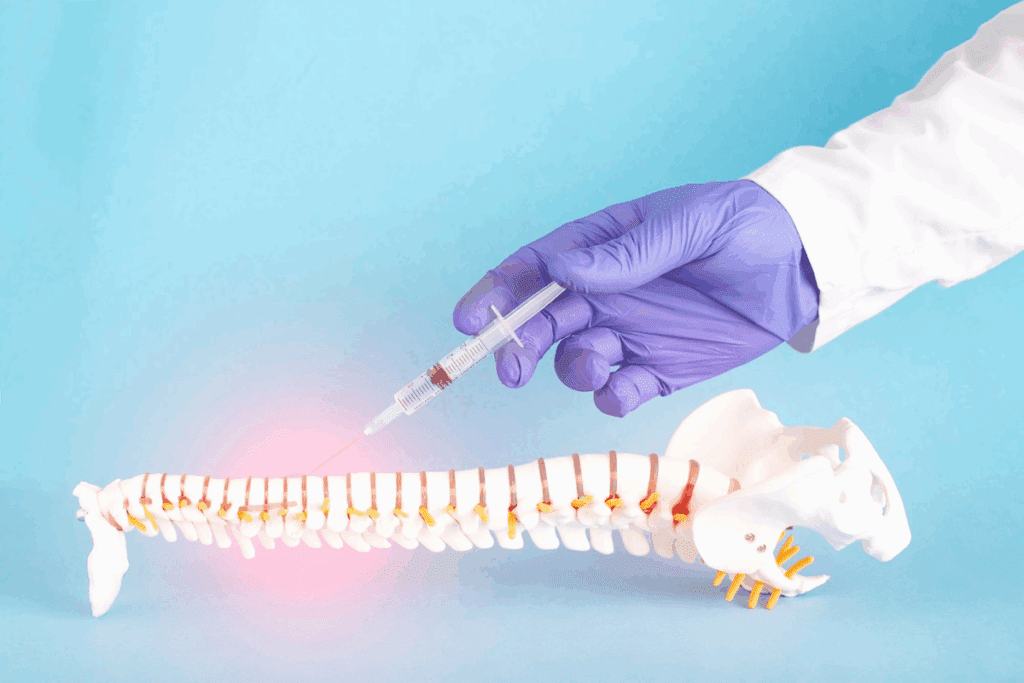
How successful are epidural injections for spinal stenosis? Get the proven facts on success rates and what to expect from the relief.
People with spinal stenosis face a big challenge: chronic back pain. This pain can make everyday life hard. Those who might get lumbar epidural steroid injections often have pain in their lower back, hips, legs, or feet.
Studies show that epidural injections can help a bit. They are most helpful for those with nerve pain. At LivHospital, we focus on quality care. We help patients understand their treatment options.
Key Takeaways
- Epidural injections can provide short-term pain relief for spinal stenosis patients.
- Candidates typically have persistent lower back pain radiating to the hips, legs, or feet.
- Liv Hospital offers patient-centred care with a multidisciplinary approach.
- Recent studies support the modest effectiveness of epidural injections.
- Treatment choices are guided by high-quality, evidence-based care.
Understanding Spinal Stenosis and Its Symptoms

Spinal stenosis is a condition where the spaces in the spine narrow. This puts pressure on nerves. It’s important to know about it to see if treatments like epidural injections work.
What Causes Spinal Stenosis
Spinal stenosis often comes from changes in the spine. These changes can be bone spurs, herniated discs, or thickened ligaments. They can make the spinal canal or nerve root canals narrower, causing nerve compression.
- Degenerative disc disease
- Herniated discs
- Ligamentum flavum hypertrophy
- Facet joint osteoarthritis
- Congenital conditions
These factors can narrow the spinal canal. This can irritate nerves and cause pain, numbness, or weakness in the back, legs, or buttocks.
Common Symptoms and Their Impact on Daily Life
The symptoms of spinal stenosis vary based on where and how much the narrowing is. Common symptoms include:
- Pain or cramping in the legs or buttocks when standing or walking
- Numbness or tingling in the legs or feet
- Weakness in the legs or feet
- Pain relief when bending forward or sitting
These symptoms can make daily life hard. They can make it tough to walk, stand, or even sleep. The condition can also make it harder to move and increase the risk of falls.
Knowing the causes and symptoms of spinal stenosis is key. It helps decide the best treatment, like spinal stenosis injections. Healthcare providers can then see if treatments like epidural injections really help.
The Basics of Epidural Injections for Spinal Stenosis

Epidural injections are a key treatment for spinal stenosis symptoms. They involve putting medication into the space around the spine.
These injections help reduce swelling and pain from spinal stenosis. They are less invasive than surgery, making them a popular choice for many.
How Epidural Injections Work
Epidural injections use anti-inflammatory medication in the epidural space. This space is around the spinal cord and nerves. By reducing inflammation, they help ease pain and discomfort from spinal stenosis.
The procedure uses a needle to inject medication into the epidural space. Imaging technology guides the needle for accuracy. This targeted approach can make the medication more effective.
Types of Medications Used in Spinal Stenosis Injections
The medications in epidural injections are usually corticosteroids and local anesthetics. Corticosteroids fight inflammation and reduce swelling and pain. Local anesthetics numb the area, providing quick pain relief.
| Medication Type | Purpose | Benefits |
| Corticosteroids | Reduce inflammation | Effective in reducing swelling and pain |
| Local Anesthetics | Provide immediate pain relief | Numbs the affected area, giving quick relief |
By mixing these medications, epidural injections offer both quick and lasting benefits for spinal stenosis patients.
How Successful Are Epidural Injections for Spinal Stenosis: The Evidence
We look into the evidence for using epidural injections to treat spinal stenosis. This condition affects millions, causing a lot of pain. Studies show that these injections can help with short-term pain relief.
Success Rates from Clinical Studies
Studies show that epidural steroid injections can help with short-term pain relief for spinal stenosis patients. A study on lumbar disc herniations found no big difference in outcomes between treated and untreated patients. This means epidural injections can be a good treatment option.
The success rates of epidural injections vary. But most studies agree that many patients find relief. For example, one study found that these injections greatly reduced pain in spinal stenosis patients.
Factors That Influence Treatment Success
Several things affect how well epidural injections work for spinal stenosis. How severe the symptoms are and the underlying cause are key. Patients with milder stenosis tend to do better.
Other important factors include the type of medication, how accurate the injection is, and who gets the treatment. Using tools like fluoroscopy to guide the injection can make it more effective.
Key factors influencing success include:
- Severity of spinal stenosis
- Type of medication used
- Accuracy of injection placement
- Patient selection criteria
Understanding these factors helps doctors choose the right patients for epidural injections. This can lead to better treatment results.
Short-Term Benefits of Back Injections for Stenosis
Back injections for spinal stenosis offer several short-term benefits. These include pain relief and improved function. Knowing these benefits can help patients choose the best treatment for their condition.
Immediate Pain Relief Expectations
One key benefit of back injections is immediate pain relief. Many people feel a lot better right after the injection. The medicine used in the injection helps reduce inflammation and pain.
The success of the injection can depend on how severe the stenosis is and the patient’s health. Sometimes, more than one injection is needed to get the best results.
Improvement in Mobility and Function
Back injections also help with improved mobility and function. By reducing pain and swelling, patients can do more activities. This is because they can move better and feel less pain.
This improvement makes life better for patients. They can do more things on their own and enjoy daily activities more.
Reduction in Inflammatory Response
Epidural injections also lead to a reduction in inflammatory response. The corticosteroids in these injections are strong anti-inflammatory medicines. They help lessen swelling and irritation in the spine.
By reducing inflammation, these injections not only ease pain but also tackle the root cause of discomfort. This leads to longer-lasting benefits.
Long-Term Effectiveness of Epidural Shots for Spinal Stenosis
Epidural injections can offer quick relief, but their lasting impact on spinal stenosis is unclear. We’ll look into how long pain relief lasts, if more shots are needed, and the treatment’s overall benefits and drawbacks.
Duration of Pain Relief
The pain relief from epidural steroid injections can last from weeks to months. Some patients see a big drop in pain and can do their usual activities again.
The shots contain corticosteroids, which help reduce swelling around the spinal nerves. How long the pain relief lasts can vary a lot between patients.
Need for Repeated Treatments
Because the pain relief from epidural shots isn’t always permanent, more shots might be needed to keep feeling better. How often you need these treatments depends on your health and how bad your spinal stenosis is.
Some people might need shots every few months, while others might only need them once a year. It’s key to talk to your doctor to figure out the best schedule for you.
Long-term Outcomes and Limitations
The long-term results of epidural shots for spinal stenosis can differ a lot. Some people keep feeling better, but others might see the shots’ effect wear off over time.
It’s also important to think about the downsides of getting repeated shots, like the chance of side effects from the corticosteroids. You might also build up a resistance to the medication.
Knowing these things helps both patients and doctors make better choices about using epidural shots as part of a bigger treatment plan for spinal stenosis.
Different Types of Spinal Stenosis and Treatment Response
It’s important to know the different types of spinal stenosis to choose the best treatment. Spinal stenosis occurs when the spinal canal gets narrower. This can cause pain, numbness, and weakness in the back and legs. How well epidural injections work depends on the type of spinal stenosis.
Central Canal Stenosis Outcomes
Central canal stenosis happens when the spinal canal narrows, putting pressure on the spinal cord. This can cause severe symptoms like a lot of pain and trouble moving. Epidural injections can help by reducing inflammation and easing pressure on the spinal cord. Research shows that people with central canal stenosis often see big improvements after getting epidural steroid injections.
Foraminal Stenosis and Treatment Success
Foraminal stenosis occurs when the foramina, the spots where nerves leave the spinal canal, get smaller. This can lead to pain, numbness, and weakness. People with foraminal stenosis often feel less pain after getting epidural steroid injections. This treatment works well because it reduces inflammation around the nerves.
Some benefits of epidural injections for foraminal stenosis include:
- Less pain and swelling
- Improved movement and function
- A quick and easy procedure
Lateral Recess Stenosis Response to Injections
Lateral recess stenosis happens when the area where nerves exit gets smaller. This can cause a lot of discomfort and neurological problems. While epidural injections can help, how well they work can vary. It depends on how bad the stenosis is and the person’s health.
A study looked at how well epidural injections work for different types of spinal stenosis. Here’s what they found:
| Type of Stenosis | Success Rate of Epidural Injections |
| Central Canal Stenosis | 60-70% |
| Foraminal Stenosis | 70-80% |
| Lateral Recess Stenosis | 50-60% |
In conclusion, how well epidural injections work for spinal stenosis depends on the type. Knowing the specific type is key to understanding treatment outcomes and making the right choices for care.
The Importance of Image Guidance in Spinal Stenosis Injections
Image guidance is key for precise and safe epidural injections in spinal stenosis. Advanced imaging helps doctors target the right areas. This makes the treatment more effective.
Fluoroscopy-Guided Injections
Fluoroscopy-guided injections are a common choice. They use a fluoroscope for real-time X-ray images. This lets doctors place the needle and medication exactly right. The real-time images help avoid complications by ensuring the needle is in the right spot.
CT-Guided Procedures
CT-guided procedures are another advanced option. They use CT scans for detailed images of the spine. This helps doctors precisely target the affected area. It’s great for complex cases or when there’s been surgery before.
Accuracy and Safety Benefits
Image guidance makes epidural injections more accurate and safe. It ensures the medication goes to the right place. This boosts the treatment’s success. It also lowers the chance of problems like nerve damage or infection. This makes the treatment safer for patients with spinal stenosis.
In summary, image guidance is essential for spinal stenosis injections. With fluoroscopy-guided and CT-guided methods, doctors can provide more precise and safe treatments. This leads to better results for patients.
Patient Selection: Who Benefits Most from Epidural Spinal Injections
The success of epidural spinal injections depends on who gets them. These injections help with spinal stenosis pain. But how well they work varies by patient.
Ideal Candidates for the Procedure
People with ongoing pain that hasn’t gotten better with other treatments are good candidates. This pain makes it hard for them to do everyday things and enjoy life.
Characteristics of ideal candidates include:
- Severe pain due to spinal stenosis
- Failure to respond to conservative treatments
- No significant neurological deficits
- Realistic expectations about the treatment outcomes
When Injections May Not Be Recommended
Some people shouldn’t get epidural spinal injections. This includes those with bleeding disorders or active infections. Also, those at high risk for complications are not good candidates.
“Careful patient selection is key to getting the most from epidural spinal injections while avoiding risks.”
| Condition | Reason for Caution |
| Bleeding Disorders | Increased risk of bleeding complications |
| Active Infections | Risk of spreading infection or complicating existing condition |
| Severe Neurological Deficits | May require more invasive treatments or surgical intervention |
Age and Health Considerations
Age and health are big factors in choosing who gets epidural spinal injections. Older people or those with many health issues need extra checks. This helps figure out if the benefits are worth the risks.
It’s vital to look at the patient’s overall health, including any other health problems, before deciding on epidural spinal injections.
By picking the right patients, doctors can make epidural spinal injections work better. This helps improve life for those with spinal stenosis.
The Procedure: What to Expect During Epidural Injections
Learning about the epidural injection process can help ease anxiety for those with spinal stenosis. We walk our patients through each step, from getting ready to aftercare. This ensures a smooth experience for everyone.
Before the Procedure
Before an epidural injection, patients meet with their doctor to talk about the procedure. It’s important to share any medications or allergies. We also recommend having someone drive you home afterward.
Preparation is key to a successful procedure. This includes:
- Stopping certain medications that could interfere with the procedure or recovery
- Having someone accompany you to the appointment
- Understanding the risks and benefits associated with epidural injections
During the Injection
During the epidural, patients lie on their stomachs for comfort. The procedure uses fluoroscopy for accurate injection placement. “The use of image guidance has significantly improved the accuracy and safety of epidural injections,” notes a leading pain management specialist.
The injection itself is quick, usually under 30 minutes. The area is clean, dry, and a local anesthetic may be used to reduce discomfort.
Immediate Post-Procedure Care
After the procedure, patients are watched for any immediate reactions. We suggest taking it easy for the rest of the day. Some may feel soreness at the injection site, but it usually goes away on its own.
It’s not uncommon for patients to feel a temporary increase in pain after the procedure. This is usually short-lived, and relief often starts within a few days.
Like any medical procedure, there are risks and side effects. Our healthcare team is dedicated to providing full care and support throughout the process.
Recovery and Post-Injection Expectations
Recovery after an epidural injection involves several key aspects. Patients should be aware of these to ensure a smooth healing process. Knowing these elements can help manage expectations and improve outcomes.
First 24-48 Hours After Injection
In the first 24 to 48 hours, you might feel soreness or discomfort at the injection site. This is usually mild and can be managed with over-the-counter pain medications. Applying ice packs can help reduce swelling and discomfort.
Most patients can go back to their normal activities the next day. But it’s best to avoid heavy lifting, bending, or strenuous exercises for a few days after the injection.
When to Expect Pain Relief
Pain relief from epidural injections can vary. Some people might feel relief in a few hours, while others might take a few days. The medication works by reducing inflammation, which helps alleviate pain.
“The effect of the epidural injection can be quite rapid, but it’s not uncommon for the full benefits to become apparent only after a few days,” says Medical Expert, a leading specialist in pain management.
Activity Recommendations
After the injection, it’s important to balance rest with gradual activity. Here are some recommendations:
- Avoid strenuous activities, including heavy lifting and bending, for at least 48 hours.
- Gradually increase your activity level based on comfort and pain levels.
- Engage in gentle stretching exercises as recommended by your healthcare provider.
For a quick overview, here’s a summary of what to expect during the recovery period:
| Timeframe | Expected Outcome | Recommendations |
| 0-48 hours | Mild soreness, possible pain relief | Rest, ice packs, and over-the-counter pain meds |
| 2-7 days | Increased pain relief, gradual improvement | Gentle stretching, gradual increase in activity |
By understanding the recovery process and following these guidelines, patients can optimize their outcomes after epidural injections for spinal stenosis.
Potential Risks and Side Effects of Epidural Injections
It’s important to know the risks and side effects of epidural injections if you’re thinking about them for spinal stenosis. These injections are usually safe but can cause side effects. These can range from mild and short-term to rare but serious issues.
Common Side Effects
Most people have some side effects from epidural injections. These are usually mild and don’t last long. Common side effects include:
- Temporary increase in pain
- Headache
- Nausea
- Facial flushing
- Difficulty sleeping
- Temporary numbness or weakness
These side effects usually go away in a few days. Following your doctor’s instructions after the procedure can help reduce side effects.
Rare but Serious Complications
Even though rare, serious complications can happen with epidural injections. These include:
- Infection
- Nerve damage
- Bleeding complications
- Allergic reactions to the injected medication
- Spinal headache (post-dural puncture headache)
Talking to your healthcare provider about your risk factors is key to understanding how these complications might affect you.
Risk Mitigation Strategies
To lower the risks of epidural injections, consider these strategies:
| Strategy | Description |
| Choosing an Experienced Provider | Make sure your procedure is done by a skilled and experienced healthcare provider. |
| Image Guidance | Using fluoroscopy or CT guidance helps place the injection accurately. |
| Proper Patient Selection | Getting a careful evaluation to see if epidural injections are right for you. |
| Monitoring for Complications | Having a close follow-up after the procedure to quickly spot and handle any complications. |
By knowing the risks and side effects and using these strategies, patients can make better choices for their spinal stenosis treatment.
Conclusion: Making an Informed Decision About Spinal Stenosis Treatment
When looking at spinal stenosis treatment options, knowing how well epidural injections work is key. We’ve talked about the proof that supports their use, what affects how well they work, and the possible dangers.
At Core Alliance, our team of spine experts has years of experience. They help patients understand their options. This way, patients can make a smart choice about their spinal stenosis treatment.
The main aim is to pick the treatment that fits the patient’s situation best. With the right advice and facts, patients can feel sure about their choices.
FAQ
What is spinal stenosis, and how does it affect daily life?
Spinal stenosis occurs when the nerve canals narrow, pressing on nerves. This causes pain, numbness, and weakness in the buttocks and legs. It makes daily tasks hard because of constant lower back pain and pain in the hips, legs, or feet.
How do epidural injections work for spinal stenosis?
Epidural injections put anti-inflammatory medicine around the spine. It’s a small procedure that helps reduce swelling and pain from spinal stenosis.
What are the success rates of epidural injections for spinal stenosis?
Studies show epidural steroid injections help with pain relief for a short time. They work best for those with nerve irritation.
What are the short-term benefits of back injections for stenosis?
Back injections can quickly ease pain, improve movement, and lessen inflammation. They help reduce pain and boost function in the short term.
How long do epidural shots for spinal stenosis last?
Epidural shots offer quick relief, but their lasting effect varies. Some people need more treatments as the relief can wear off.
Are epidural injections effective for all types of spinal stenosis?
Spinal stenosis has different types, like central canal and foraminal stenosis. The success of epidural injections varies by type, affecting treatment outcomes.
What is the role of image guidance in epidural injections?
Image guidance, like fluoroscopy, ensures accurate and safe injections. It helps place the medication precisely, making the treatment more effective.
Who are the ideal candidates for epidural spinal injections?
Choosing the right patients is key to success. Ideal candidates have significant pain and haven’t responded well to other treatments.
What can I expect during and after the epidural injection procedure?
Knowing what to expect can ease worries. Patients should follow recovery advice and wait for pain relief as expected.
What are the potential risks and side effects of epidural injections?
Epidural injections may have risks and side effects, including common and rare complications. Knowing these helps make informed choices.
How do I know if epidural injections are right for my spinal stenosis?
Weighing the evidence, patient selection, and risks helps make a choice. Talking to healthcare experts at places like Liv Hospital offers personalized advice.
References:
- Manchikanti, L., Abdi, S., Atluri, S., Balog, C. C., Benyamin, R. M., Boswell, M. V., … & Hirsch, J. A. (2014). An update of comprehensive evidence-based guidelines for interventional techniques in chronic spinal pain. Part II: Guidance and recommendations. Pain Physician, 17(2 Suppl), S49-S283. Retrieved from https://pubmed.ncbi.nlm.nih.gov/24587617/