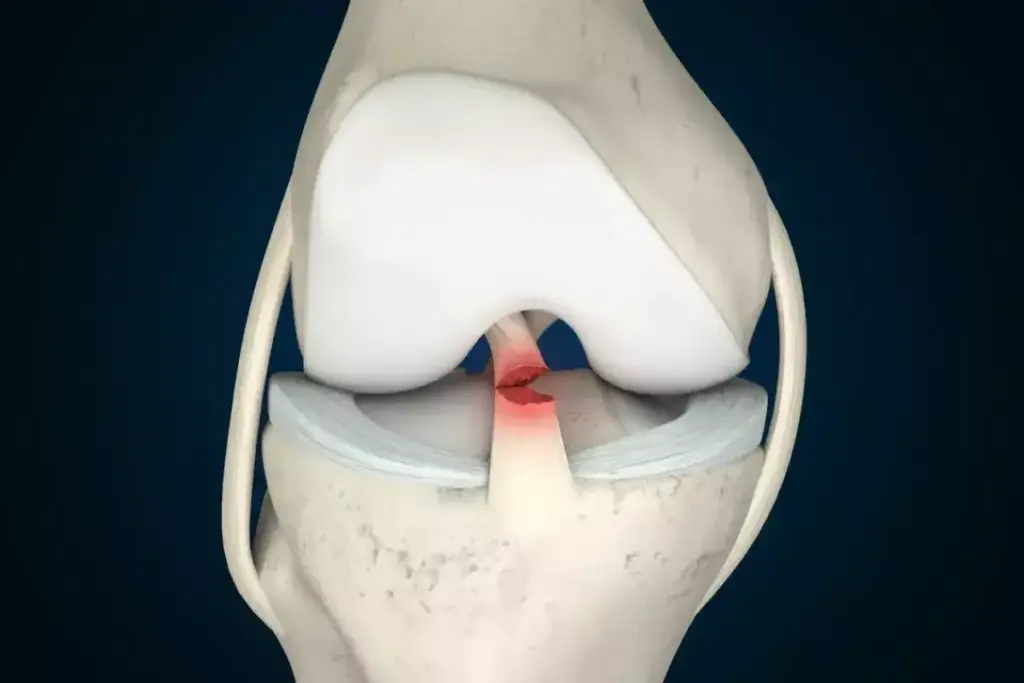
The anterior cruciate ligament is key to knee stability. Injuries to it are common among athletes, mainly in sports that involve pivoting and quick changes in direction.
At Liv Hospital, we understand the importance of assessing the injury mechanism to develop effective prevention and rehabilitation strategies. Knowing the specific ways ACL injuries happen is vital for accurate assessment and the best outcomes.
We are dedicated to giving international-standard medical care. We use evidence-based protocols and a full multidisciplinary assessment. This ensures athletes get the top treatment they need.
Key Takeaways
- Understanding ACL injury mechanisms is key for prevention and rehabilitation.
- The anterior cruciate ligament is vital for knee stability.
- ACL injuries are common in sports that involve pivoting and quick changes in direction.
- Assessing the injury mechanism is essential for developing targeted prevention strategies.
- Liv Hospital provides complete medical care with evidence-based protocols.
Understanding Common ACL Injury Mechanisms in Sports
The ACL is key to knee stability, and its injuries vary by sport. ACL injuries affect athletes’ performance and health. We’ll look at how ACL injuries happen, the difference between non-contact and contact injuries, and sport-specific patterns.
Non-Contact vs. Contact Mechanisms
ACL injuries happen in two main ways: non-contact and contact. Non-contact injuries, making up 43.7%, often come from sudden direction changes, landing after a jump, or stopping quickly. These are linked to muscle strength, how muscles work together, and body alignment.
Contact injuries, on the other hand, involve direct or indirect hits to the knee. Direct hits can cause ACL injuries, while indirect hits can damage the ACL through other parts of the body. A study of 5612 ACL injury cases across 20 sports found four main causes: sudden direction changes, landing, direct knee hits, and gear-related injuries. This study sheds light on how ACL injuries occur.
| Mechanism Type | Description | Common Sports |
| Non-Contact | Change of direction, landing, deceleration | Soccer, Basketball, Football |
| Direct Contact | Direct blow to the knee | Rugby, American Football, Hockey |
| Indirect Contact | Forces transmitted through other body parts | Soccer, Basketball, Volleyball |
Sport-Specific Injury Patterns
Different sports have unique ACL injury patterns. For example, soccer and basketball, with their frequent cuts and pivots, see more non-contact ACL injuries. In contrast, rugby and American football, with their direct hits, have more direct contact ACL injuries.
Knowing these patterns helps in creating prevention plans. By focusing on the specific risks of each sport, coaches and trainers can design training to lower ACL injury risks.
Clinical Assessment of ACL Injury Mechanism
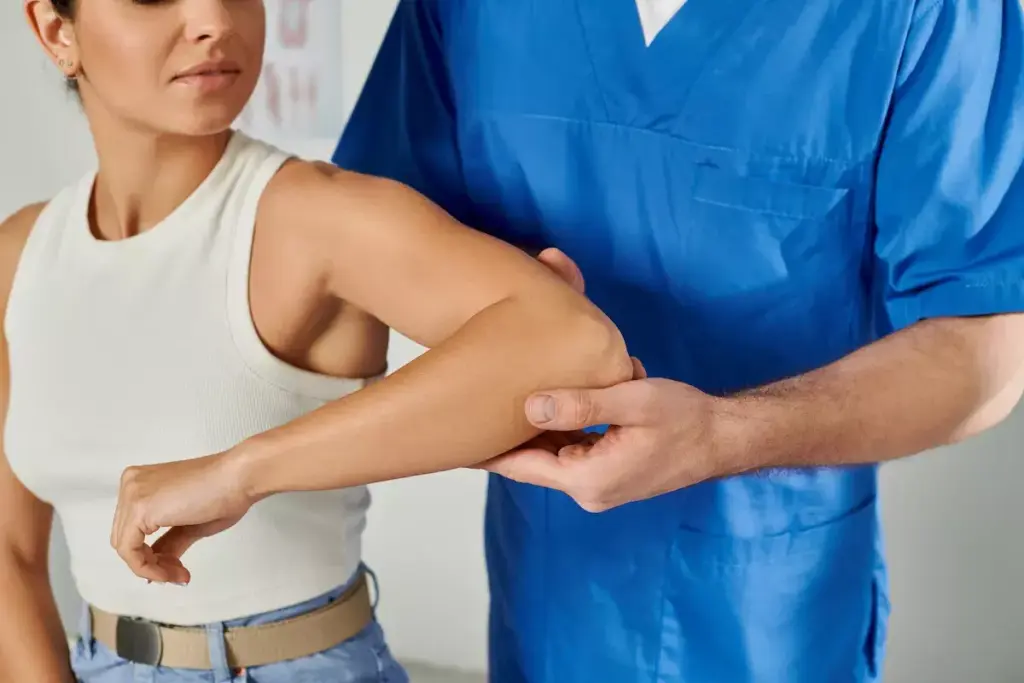
The clinical assessment of ACL injury mechanisms is key in sports medicine. It helps healthcare professionals create specific prevention and rehab plans. We focus on dynamic knee alignment and movement patterns in this assessment.
Evaluating Dynamic Knee Alignment
About 50% of ACL injuries happen due to a ‘knee-in and toe-out’ (valgus collapse) alignment. This is a major biomechanical risk factor. It puts a lot of stress on the ACL, making it more likely to get hurt.
We use tools like 3D motion capture and force plates to check knee alignment. These tools give us detailed info on how athletes move. They help us spot risk factors for ACL injuries.
Analyzing Movement Patterns
Looking at how athletes move is vital for understanding ACL injuries. We study their movements during activities like jumping, cutting, and pivoting. This helps us find risky movement patterns.
Studies show that weak quadriceps and bad movement patterns are linked to higher injury risks. So, we focus on fixing these issues during rehab.
Key Factors in ACL Injury Mechanism Assessment
| Assessment Factor | Description | Clinical Significance |
| Dynamic Knee Alignment | Evaluation of knee positioning during movement | Identifies valgus collapse and other risk factors |
| Movement Patterns | Analysis of athlete’s movement during sports activities | Helps identify hazardous movement patterns |
| ACL Grading | Assessment of ACL injury severity | Guides rehabilitation and return-to-sport decisions |
Conclusion: Implementing Mechanism-Based Prevention Strategies
Understanding how ACL injuries happen is key to preventing them. Recent studies show that knowing the cause of ACL tears is vital. This knowledge helps create better prevention programs.
Studies on ACL injuries reveal that certain training can help. This training focuses on slowing down, controlling movements, and improving brain function. By understanding these aspects, we can make training programs that lower the risk of ACL injuries.
Using prevention strategies based on how ACL injuries occur can greatly reduce them. By focusing on the specific ways ACL injuries happen, we can make training safer and more effective. This approach helps athletes stay safe and perform better.
FAQ
What is the most common mechanism of ACL injury in sports?
ACL injuries in sports often happen without direct contact. They usually occur during sudden changes in direction, jumping, and landing.
How do non-contact ACL injuries differ from contact ACL injuries?
Non-contact ACL injuries happen without direct knee contact. They often result from awkward landings or sudden stops. Contact ACL injuries, by contrast, are caused by direct knee contact, like in soccer tackles or football collisions.
Are certain sports more prone to ACL injuries due to their specific mechanisms?
Yes, sports with lots of jumping, landing, and quick direction changes are more likely to have ACL injuries. This includes basketball, soccer, and gymnastics.
How is dynamic knee alignment evaluated in the clinical assessment of ACL injury mechanisms?
Dynamic knee alignment is checked by watching how athletes move during activities like squatting and jumping. This helps spot biomechanical risks for ACL injuries.
What role do movement patterns play in ACL injury mechanisms?
Movement patterns, like how one jumps and lands, are key in ACL injury mechanisms. Certain patterns can stress the ACL too much, raising injury risk.
How can understanding ACL injury mechanisms help in developing prevention strategies?
Knowing how ACL injuries happen helps create prevention plans. These plans include training to improve movement, strengthen knee muscles, and enhance neuromuscular control, lowering injury risk.
What is the significance of ACL grading in assessing injury severity?
ACL grading is important for understanding injury severity. It ranges from mild sprains to complete tears, guiding treatment and rehabilitation.
How do special tests aid in the assessment of ACL injuries?
Special tests, like the Lachman and pivot shift tests, help diagnose ACL injuries. They inform treatment and rehabilitation plans.
References
National Center for Biotechnology Information. Evidence-Based Medical Insight. Retrieved from https://pubmed.ncbi.nlm.nih.gov/10875418/