
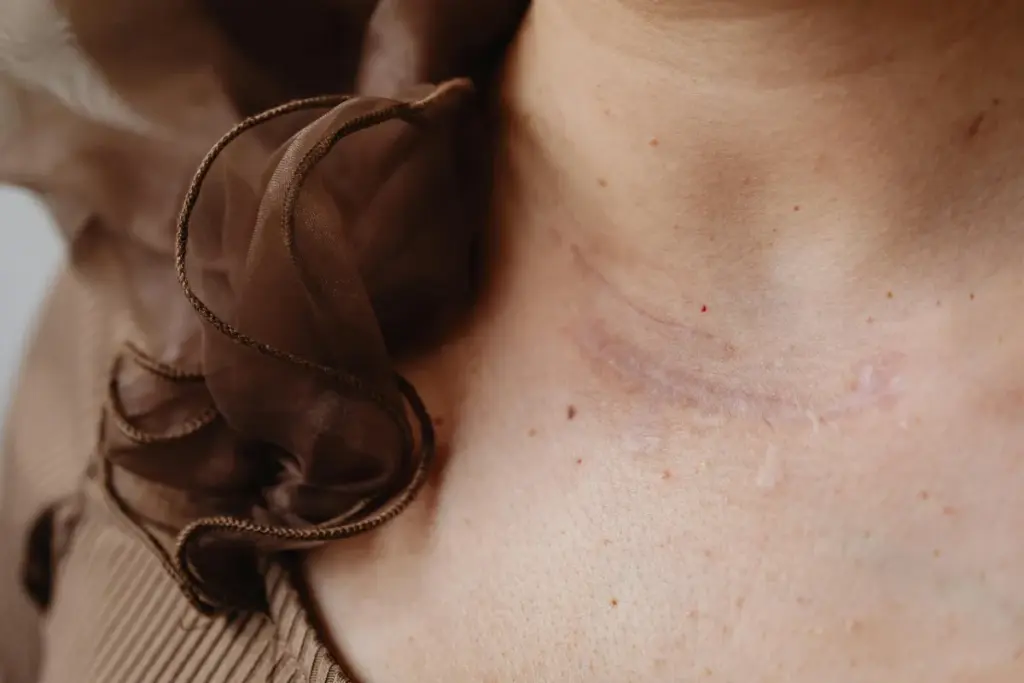
Scar tissue forms when our body heals from surgery or injury. It’s made of collagen fibers that don’t line up like healthy tissue. This can make us stiff and uncomfortable, affecting how we move and feel.
Managing scar tissue effectively is key to a good recovery. Scar tissue can get stiffer over time, limiting our movement for a long while. But, with the right care, we can break it up and manage it before it becomes too solid.
Key Takeaways
- Understanding how scar tissue forms and hardens is essential for effective management.
- Proper intervention and care can help break up scar tissue and prevent long-term stiffness.
- Various methods and prevention strategies can be employed to manage scar tissue.
- Early management of scar tissue is critical for optimal recovery and mobility.
- Effective scar tissue management can greatly improve our quality of life.
Understanding Scar Tissue: Why Does Scar Tissue Get Hard?
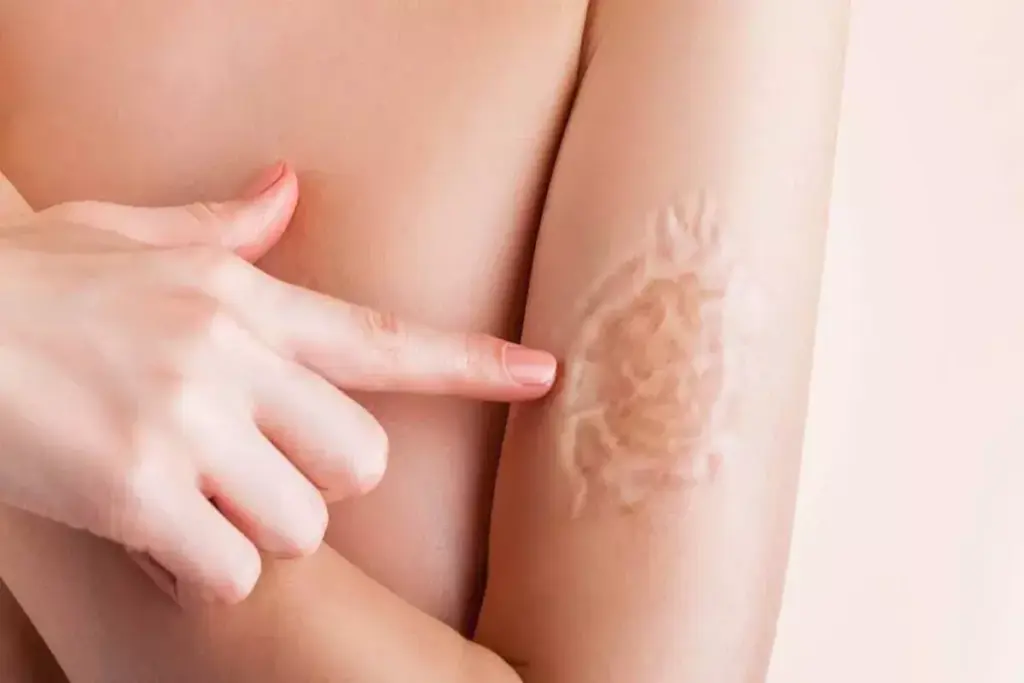
Scar tissue hardening is a complex process that has puzzled many. Understanding its causes can lead to effective treatments. Scar tissue forms as part of the body’s natural healing process after injury or surgery. It can become hard or tight over time.
The Formation Process of Scar Tissue
When the body undergoes surgery or injury, it starts a healing process. This process includes inflammation, proliferation, and remodeling. In the proliferation phase, the body forms granulation tissue, which is rich in collagen.
This collagen is key for wound closure and strength. But, the collagen fibers in scar tissue are not as organized as in normal tissue. This can lead to differences in texture and flexibility.
Research shows that scar tissue formation can last up to one year after surgery. During this time, tissues contract and tighten. This can make scar tissue hard, less pliable, and sometimes cause discomfort or restricted movement.
The Hardening Mechanism: Collagen Remodelling
The hardening of scar tissue is mainly due to the remodeling phase of wound healing. In this phase, collagen fibers undergo significant changes. The initial collagen deposit is remodeled, and fibers start to align in a more organized manner.
But, this process can sometimes lead to denser, more rigid scar tissue. The remodeling phase includes the hardening of collagen fibers. This is a key factor in the development of hard scar tissue.
Internal vs. External Scar Tissue Differences
Scar tissue can form both internally and externally. Internal scar tissue, also known as adhesions, can form between organs and abdominal tissues. This can cause pain or dysfunction. External scar tissue is more visible and can result from surgical incisions or external injuries.
Understanding the differences between these types is key for the right treatment approach. Internal scar tissue can lead to complications like bowel obstruction or chronic pain if not treated. It’s important to recognize signs and symptoms early and seek medical help when needed.
Effective Methods to Break Up Scar Tissue
Breaking up scar tissue is key to getting back your normal movement and strength. Scar tissue often forms in areas like the knees, shoulders, and hips. These spots see a lot of movement and tension. To tackle this, you can try physical therapy, exercises, foam rollers, and even aquatic therapy.
Physical Techniques and Professional Interventions
Methods like manual stretch therapy and soft tissue massage can help. Dry needling and the Graston technique with stainless-steel tools are also good. For tougher cases, doctors might suggest treatments like pressure therapy or corticosteroids.
Supporting Scar Tissue Remodeling
Combining exercise and manual therapy can help with scar tissue. Starting therapy early is important to avoid long-term problems. For more tips on managing scar tissue, check out Houston Methodist.
FAQ:
What is scar tissue and how is it formed?
Scar tissue is a natural part of healing. It forms when the body fixes damaged tissue. This happens through inflammation, collagen buildup, and tissue remodeling.
Why does scar tissue sometimes become hardened?
Scar tissue hardens due to collagen remodeling. This is when the body reorganizes and strengthens the collagen fibers. It makes the scar tissue denser and more rigid.
Can internal scar tissue cause complications?
Yes, internal scar tissue can cause problems. These include pain, limited mobility, and dysfunction. This depends on where and how severe the scar tissue is.
How can I break up external scar tissue?
You can break up external scar tissue with physical methods. Techniques like massage, stretching, and mobilization help loosen and reorganize it.
What are the methods for breaking up internal scar tissue?
To address internal scar tissue, medical and professional help is needed. This includes physical therapy, injections, or surgery. It depends on the scar’s severity and location.
Can scar tissue be prevented after surgery?
Preventing scar tissue after surgery is not always possible. But, strategies like proper wound care, gentle mobilization, and post-operative physical therapy can help reduce its occurrence.
How can I loosen scar tissue at home?
To loosen scar tissue at home, try gentle stretching, massage, and topical treatments. Creams or oils can help soften and relax the scar tissue.
Will internal scar tissue go away on its own?
Sometimes, internal scar tissue may resolve on its own. But, often, it needs medical help to alleviate symptoms and restore function.
Can you get rid of scar tissue completely?
Completely eliminating scar tissue is challenging. But, treatments and interventions can help break it up, reduce its severity, and ease symptoms.
How can I prevent internal scar tissue after surgery?
Preventing internal scar tissue after surgery requires proper surgical technique and post-operative care. Early mobilization and physical therapy are also key.
References:
National Center for Biotechnology Information. Evidence-Based Medical Guidance. Retrieved from
https://www.ncbi.nlm.nih.gov/books/NBK586083/[7