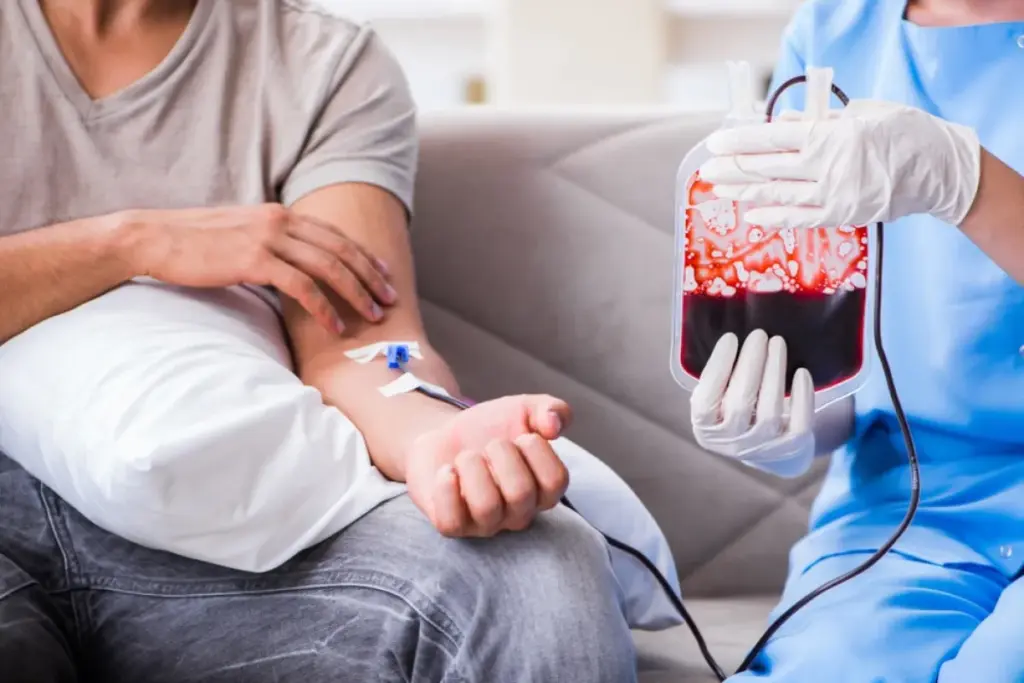
Blood clots are a serious condition that can be fatal if left untreated. Nearly 900,000 Americans are affected by blood clots each year. It’s important to know the symptoms to get help quickly.
Learn how to check for a blood clot in your leg today. Discover the amazing ways urgent care clinics identify scary DVT symptoms fast.
Urgent care centers are key in checking for blood clots. Doctors there can check symptoms, run tests, and tell you what to do next. It’s key to spot the signs of a blood clot in the leg, like swelling or pain, to get help fast.
Key Takeaways
- Understanding blood clot risks and symptoms is key for quick medical help.
- Urgent care centers do the first checks for blood clots.
- Spotting signs of a blood clot in the leg, like swelling or pain, is vital.
- Getting medical help quickly is important for treatment.
- Tests at urgent care centers can find blood clots.
Understanding Blood Clots: What They Are and Why They’re Dangerous
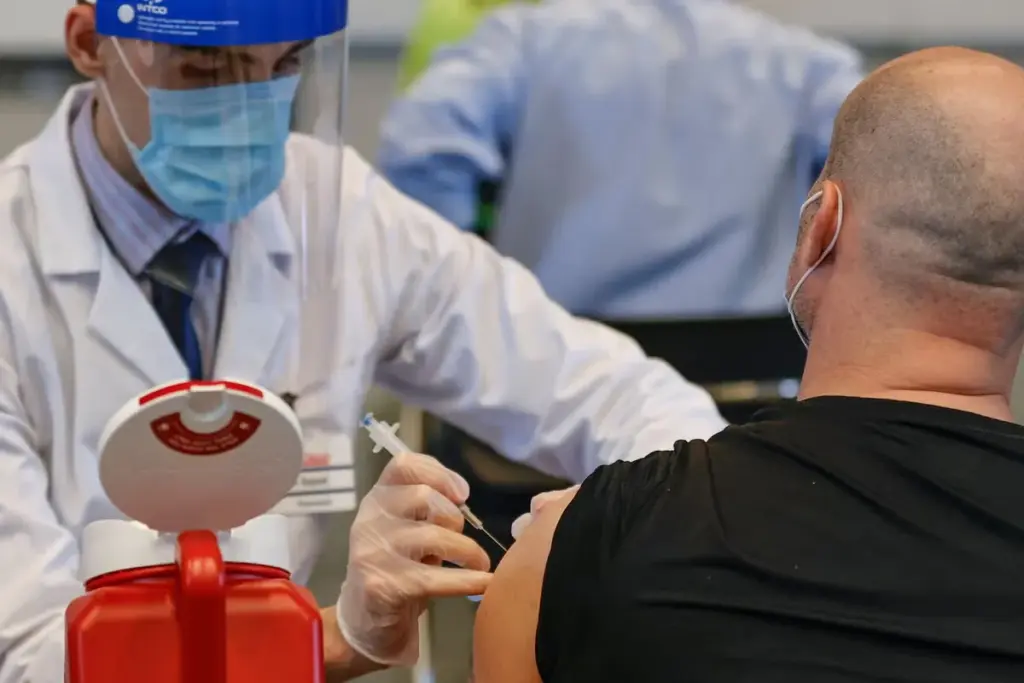
t’s important to know about blood clots to spot their signs early. Blood clots are like gel-like clumps that form when we bleed. They help stop bleeding when we get hurt. But, if they form inside veins or arteries without injury, they can be risky.
The Formation Process of Blood Clots
Blood clots form through a complex process. Inflammation can start this process, leading to plaque growth in arteries. This can cause a dangerous clot. If it breaks loose and goes to the lungs or brain, it’s very serious.
Types of Blood Clots: DVT and Beyond
There are many types of blood clots, with Deep Vein Thrombosis (DVT) being very dangerous. DVT happens when a clot forms in deep veins, often in the legs. Arterial clots can cause heart attacks and strokes. Clots in superficial veins are less dangerous.
|
Type of Blood Clot |
Location |
Danger Level |
|---|---|---|
|
Deep Vein Thrombosis (DVT) |
Deep veins, usually in the legs |
High |
|
Arterial Clot |
Arteries |
High |
|
Superficial Vein Clot |
Superficial veins |
Low to Moderate |
Potential Complications of Untreated Blood Clots
Untreated blood clots can cause serious problems. For example, a DVT clot can travel to the lungs and cause a pulmonary embolism, which is deadly. Arterial clots can block blood to the heart or brain, leading to heart attacks or strokes.
It’s key to know the signs of a blood clot. Look out for swelling, pain, and color changes in the affected limb. If you notice these, get medical help right away.
Common Risk Factors for Developing Blood Clots
Knowing the risk factors for blood clots is key to preventing and catching them early. Blood clots can be deadly if not treated quickly. We’ll look at the different factors that lead to blood clots.
Lifestyle-Related Risk Factors
Lifestyle choices greatly affect blood clot risk. Smoking and obesity are big ones. Smoking harms blood vessel linings, making clots more likely.
Being overweight, with little exercise, also raises clot risk. It puts extra pressure on leg veins, making clots more probable.
Medical Conditions That Increase Risk
Some medical conditions greatly up blood clot risk. Deep vein thrombosis (DVT), cancer, and heart disease are among them.
|
Medical Condition |
Increased Risk |
|---|---|
|
Cancer |
High |
|
Heart Disease |
Moderate to High |
|
Diabetes |
Moderate |
Temporary Risk Factors: Surgery, Travel, and Immobility
Temporary situations can also up blood clot risk. Surgery, long trips, and staying put for too long are common ones.
Surgery can damage blood vessels, and staying immobile after can cause clots. Long trips, by plane or car, mean sitting a lot, raising clot risk.
Knowing these risks helps people take steps to prevent them. Staying hydrated on trips, moving often, and following post-surgery advice are good starts.
Signs of a Blood Clot in Leg: Recognizing the Warning Signs
It’s important to know the signs of a blood clot in your leg. This is because blood clots can be dangerous if not treated quickly. Knowing the symptoms helps you get medical help fast.
What Do Blood Clots Feel Like? Pain and Sensation
A blood clot in your leg can cause different feelings, from mild discomfort to severe pain. The pain might feel like a cramp or soreness in your leg. It can be constant or only happen when you stand or walk.
Some people say it feels like a heaviness or aching in the affected limb. The pain from a blood clot is different from other leg pains. For example, muscle strain pain usually gets better with rest. But blood clot pain can get worse over time.
Visual Symptoms: Swelling, Redness, and Discoloration
There are also visual signs to watch for when looking for a blood clot in your leg. These include:
- Swelling in the affected leg, which can range from mild to severe
- Redness or discoloration of the skin, sometimes accompanied by warmth
- Visible veins or tenderness to the touch
These symptoms happen because the clot can cause inflammation and block blood flow. This leads to visible changes in the affected limb.
When Symptoms Require Immediate Medical Attention
Knowing when to seek immediate medical care for a suspected blood clot is key. If you have any of the following, get help right away:
- Severe pain or swelling in one leg
- Redness or warmth in the affected limb
- Shortness of breath or chest pain, which could indicate a pulmonary embolism
If you’re not sure about your symptoms or what they mean, it’s best to be safe and talk to a healthcare professional. Early treatment of blood clots can greatly improve outcomes and lower the risk of complications.
How to Check for a Blood Clot in Your Leg: Self-Assessment Methods
Learning to check for a blood clot in your leg can save lives. It begins with a detailed self-check. While you can’t replace a doctor’s diagnosis, you can spot possible problems that need a closer look.
Visual Inspection: What to Look For
Start by looking at your legs. Look for any signs of a blood clot, such as:
- Swelling in one leg, which may be accompanied by pain or tenderness
- Redness or discoloration of the skin
- Warmth or a feeling of heat in the affected area
Physical Assessment Techniques
There are also physical ways to check your legs for blood clots. These include:
- Gently squeezing the calf or thigh to check for tenderness
- Checking for pain or discomfort when standing or walking
- Noting any differences in the temperature or texture of the skin between the two legs
Be gentle when doing these checks. This helps avoid causing pain or moving a clot.
Limitations of Self-Assessment and When to Seek Professional Help
Self-checks are helpful but have limits. Many blood clots don’t show symptoms, and some don’t hurt. If you think you have a blood clot or feel unusual symptoms, get medical help right away.
Urgent care centers can handle blood clot cases. They have tests to see if you have a clot. If you’re not sure about your symptoms or feel something’s off, talk to doctors.
The Role of Urgent Care Centers in Medical Diagnostics
Urgent care centers are key in medical diagnostics. They offer a quick and easy way for patients to get checked for blood clots. These places give fast care for issues that aren’t life-threatening, acting as a middle ground between regular doctors and emergency rooms.
Services Typically Available at Urgent Care Centers
Urgent care centers have many services important for blood clot diagnosis and care. These include:
- On-site lab tests, like D-dimer tests, to find blood clots
- Basic imaging, like ultrasound, to see clots
- Physical exams and looking at medical history by skilled doctors
- Referrals to specialists or more serious care when needed
When to Choose Urgent Care vs. Emergency Room
It’s important to know when to go to urgent care versus the emergency room. For blood clots, if symptoms are very bad or life-threatening (like trouble breathing, chest pain, or severe leg pain/swelling), the emergency room is best. But, for milder symptoms that need quick attention, urgent care is a good first choice.
What to Expect During an Urgent Care Visit for Suspected Blood Clots
At an urgent care visit for suspected blood clots, you’ll get a detailed check-up. It starts with a full medical history and physical exam. The doctor might then do tests like a D-dimer blood test or ultrasound.
Based on what they find, the urgent care can treat you, send you to a specialist, or to the emergency room if it’s worse than thought.
Can Urgent Care Check for Blood Clots? Capabilities and Limitations
Urgent care centers can check for blood clots, but they have limits. We’ll look at the tools they use, the role of blood tests, and when they send patients to the ER.
Diagnostic Tools Available at Most Urgent Care Centers
Urgent care centers have tools to check for blood clots. They use ultrasound technology to see clots in the legs. This is key for finding Deep Vein Thrombosis (DVT).
They have ultrasound machines to check the veins in the legs. This test is non-invasive and can spot clots. It helps decide if more tests or treatment are needed.
Blood Tests for Clot Detection at Urgent Care
Blood tests are important for finding blood clots. The D-dimer test is common. It checks for a substance made when a clot breaks down.
The D-dimer test helps rule out clots in low to moderate risk patients. But, a high result doesn’t always mean a clot. Urgent care can do this test first.
When Urgent Care Will Refer You to Emergency Services
Urgent care can handle many blood clot cases. But, they’ll send you to the ER for severe symptoms or complications. They also refer high-risk patients or those needing advanced care.
|
Condition |
Urgent Care Action |
|---|---|
|
Severe symptoms or suspected pulmonary embolism |
Immediate referral to ER |
|
High-risk patients or complex cases |
Referral to a vascular specialist or ER |
|
Positive D-dimer with significant risk factors |
Further evaluation or referral |
Leg Blood Clot Diagnosis: The Complete Diagnostic Process
Diagnosing a leg blood clot is a detailed process. It involves a thorough medical check-up and advanced tools. When a patient shows signs of a deep vein thrombosis (DVT), doctors follow a specific path to confirm the clot and plan treatment.
Initial Physical Examination and Medical History
The first step is a detailed physical check-up and medical history. Doctors look for signs like swelling, pain, and redness in the leg. They also ask about the patient’s health history, including past DVT episodes and family blood clot history.
D-dimer and Other Blood Tests for DVT Detection
The D-dimer test is a key blood test for DVT. It checks for a protein fragment called D-dimer, made when a clot dissolves. A negative test can help rule out DVT, but a positive test doesn’t confirm a clot. Other blood tests may also be done to check overall health and find clot causes.
Advanced Imaging Techniques for Blood Clot Confirmation
To confirm a blood clot, advanced imaging is used. Compression ultrasonography is the most common method. It uses sound waves to show vein images and detect clots. Sometimes, venography or MRI is used to see the clot’s size and location.
By combining physical exams, medical history, blood tests, and imaging, we can accurately diagnose leg blood clots. This helps us create a treatment plan that meets the patient’s needs.
Treatment Options for Blood Clots
There are many ways to treat blood clots, from medicines to surgery. The choice depends on the patient’s needs. The main goal is to stop the clot from getting bigger and causing harm.
Medication-Based Treatments
Medicine is often the first treatment for blood clots. Anticoagulants are used to stop the clot from growing. They also lower the chance of another clot forming.
Thrombolytics can dissolve the clot if it’s causing severe symptoms. This is used in serious cases.
Some studies show that statins, used to lower cholesterol, may also help prevent heart attacks and strokes. This could be good for people with blood clots.
Surgical Interventions and Procedures
In severe cases or when medicine doesn’t work, surgery might be needed. Thrombectomy is a procedure to remove the clot. Another option is putting in a vena cava filter for those who can’t take anticoagulants. This filter stops clots from reaching the lungs.
Recovery and Follow-up Care After Diagnosis
Recovering from a blood clot needs careful follow-up. Patients usually take anticoagulant medicine for months or years. Regular visits to the doctor are key to check on the clot and adjust treatment.
Making lifestyle changes is also important. This includes staying active, keeping a healthy weight, and not sitting for too long. Some patients might need more intense prevention measures.
Preventing Blood Clots: Lifestyle Changes and Precautions
Making simple lifestyle changes can prevent blood clots. These changes can greatly lower the risk of blood clots and their serious effects.
Daily Habits to Reduce Risk
Being active is key to preventing blood clots. Regular exercise boosts blood flow and keeps weight in check, lowering clot risk. Drinking lots of water is also vital, as dehydration can make blood thicker and clot more easily.
Small actions like taking regular breaks to move around when working or traveling can help a lot. It’s good to avoid sitting or standing for too long without getting up.
Travel Precautions for Long Journeys
Traveling long distances can raise blood clot risk because of sitting for hours. To lower this risk, take regular breaks to stretch and move. Wearing compression stockings can also help blood flow.
Staying hydrated while traveling is key. Avoid alcohol and caffeine, which dry out the body, and drink plenty of water to keep blood flowing well.
Preventive Measures for High-Risk Individuals
People at higher risk of blood clots, like those with clotting disorders in their family or certain health issues, need extra steps. Talking to a healthcare provider to understand personal risks and create a prevention plan is important.
Anticoagulant medications might be given to those at high risk to stop blood clots. A healthy lifestyle, including a balanced diet and regular exercise, can also help reduce risk.
When to Go Directly to the Emergency Room Instead of Urgent Care
Blood clots can be very dangerous. Knowing when to go to the emergency room can save your life. Urgent care centers are good for less serious symptoms. But, there are times when you need to go straight to the emergency room.
Severe Symptoms That Warrant Immediate ER Visit
If you have any of these severe symptoms, go to the emergency room right away:
- Severe leg pain or swelling that doesn’t get better with rest
- Chest pain or trouble breathing, which might mean a pulmonary embolism
- Sudden numbness or weakness in your face, arm, or leg
- Confusion or trouble speaking
- Severe headache with no clear cause
These signs can mean a serious and possibly deadly condition. Quick medical help is very important in these cases.
The Golden Hour: Why Timing Matters with Blood Clots
The “Golden Hour” is a key time in medical emergencies. It’s the first hour after a serious event, when fast treatment can make a big difference. For blood clots, this time is very important.
Getting the right care quickly can help you live longer and avoid lasting harm. So, if you think you have a blood clot and have severe symptoms, don’t wait to get emergency care.
Recognizing Life-Threatening Pulmonary Embolism Symptoms
A pulmonary embolism happens when a blood clot goes to the lungs and blocks blood flow. Symptoms include:
- Chest pain that gets worse with deep breathing
- Shortness of breath or fast breathing
- Rapid heart rate
- Coughing up blood
- Lightheadedness or fainting
If you or someone you’re with has these symptoms, call emergency services right away. Pulmonary embolism is a serious emergency that needs quick treatment.
Telemedicine Options for Initial Blood Clot Assessment
Telemedicine has changed healthcare, allowing patients to get initial blood clot checks online. This means patients can get help from doctors without having to see them in person.
Virtual Screening for Blood Clot Risk
Virtual blood clot screenings check symptoms and medical history over video calls. Doctors can:
- Look at symptoms like leg pain or swelling
- Check medical history for blood clot risks
- Give advice on what to do next
This helps figure out if a blood clot is likely and if more tests are needed.
Limitations of Remote Diagnosis
Telemedicine is great, but it has its limits, like for blood clots needing a physical check-up. Some issues include:
- Can’t do physical checks that help diagnose
- Depends on patient reports, which might not be full or right
- Can’t do all tests from a distance
This shows why seeing a doctor in person is key for accurate diagnosis and treatment.
When Telemedicine Doctors Will Direct You to In-Person Care
Telemedicine doctors will send you to see a doctor in person if:
- Online checks show a high risk of blood clot
- More tests, like ultrasounds or blood work, are needed
- Symptoms get worse or don’t get better with online advice
In these cases, you might go to urgent care or the emergency room for a full check-up and treatment.
Telemedicine helps doctors quickly sort out who needs to see a doctor in person. This way, those at the highest risk get help fast.
Insurance and Cost Considerations for Blood Clot Diagnostics
Understanding your insurance and costs is key when dealing with blood clot diagnosis. Diagnosing blood clots requires various tests and procedures. The costs can change based on your insurance and the healthcare provider.
Typical Coverage for Urgent Care vs. Emergency Room Visits
Insurance plans usually cover both urgent care and emergency room visits. But, the coverage can vary. Urgent care is often cheaper and better for non-life-threatening symptoms.
|
Service |
Urgent Care |
Emergency Room |
|---|---|---|
|
Initial Consultation |
$75-$150 |
$500-$1,000 |
|
D-dimer Test |
$50-$100 |
$200-$500 |
|
Ultrasound |
$200-$300 |
$800-$1,200 |
The table shows urgent care is cheaper than emergency rooms. But, emergency rooms are best for severe symptoms.
Understanding Out-of-Pocket Costs
Even with insurance, you might face costs like deductibles and copays for blood clot diagnosis. Knowing these costs helps with planning.
“It’s not just about having insurance; it’s about understanding what you’re covered for and what you’re not.” – Healthcare Financial Expert
To lower costs, review your insurance and ask about service costs. This helps with financial planning.
Navigating Referrals to Vascular Specialists
After a blood clot diagnosis, you might see a vascular specialist. Referrals can be complex, including insurance coverage.
Tips for Navigating Referrals:
- Check if the specialist is in-network.
- Understand the referral process required by your insurance.
- Ask about any additional costs associated with the specialist visit.
Conclusion: Making Informed Decisions About Blood Clot Concerns
Understanding blood clots is key to staying healthy. They can cause serious problems if not treated. We’ve looked at the dangers of blood clots, how to spot symptoms, and how urgent care centers can help.
Knowing the signs and when to see a doctor is the first step in blood clot care. Urgent care centers are important for quick diagnosis and treatment. This can stop serious health issues.
Being aware of risk factors and taking action can lower your chance of getting blood clots. We urge readers to take charge of their health. Seek advice from professionals and make smart choices about treatment.
FAQ
How do you know if you have a blood clot?
You might have a blood clot if you feel pain, swelling, or redness in a limb. Look for signs like discoloration, tenderness, or a heavy feeling. If you notice these, get medical help right away.
Do blood clots hurt?
Yes, blood clots can hurt. The pain can feel like a dull ache or a sharp stab. How much it hurts depends on the clot’s size and where it is.
How to tell if you have clots in your legs?
Check for swelling, redness, or discoloration in your legs. Pain or tenderness when standing or walking is also a sign. A doctor can check for warmth and tenderness to see if you have a clot.
What do blood clots feel like?
Blood clots can feel like a lump or a cord under your skin. Touching the area might hurt. Some people say it feels like a cramp or tightness.
What does a blood clot in the leg feel like?
A blood clot in the leg can cause pain, swelling, or redness. The area might feel warm or tender. Sometimes, the leg can feel heavy or achy.
Can urgent care check for blood clots?
Yes, urgent care can check for blood clots. They use tools like ultrasound and blood tests. But, if symptoms are severe, go to the emergency room.
How to check for a blood clot in your leg?
Look for swelling, redness, or discoloration in your leg. Check for warmth, tenderness, or pain when standing or walking. This can help you see if you have a clot.
When should you go to the emergency room for a suspected blood clot?
Go to the emergency room for severe symptoms like trouble breathing, chest pain, or severe leg pain. If you’ve had blood clots before or are at high risk, seek help right away.
Can telemedicine diagnose blood clots?
Telemedicine can check for blood clot risk. But, a final diagnosis needs in-person care and tests. Telemedicine doctors might tell you to see a doctor in person if they think you have a clot.
How are blood clots diagnosed?
Doctors use a physical exam, medical history, and tests like ultrasound and blood tests to diagnose blood clots. They might also use venography or CT scans to confirm a clot.
What are the treatment options for blood clots?
Treatment for blood clots includes medicines like anticoagulants or surgery like thrombectomy. The best treatment depends on the clot’s size, location, and severity, and the patient’s health.
References
https://newsinhealth.nih.gov/2017/01/how-spot-prevent-deep-vein-thrombosis