Astigmatism is a common eye problem that affects millions worldwide. It happens when the cornea or lens is not shaped right. This leads to blurry or distorted vision at different distances.
We’ll show you how to check for astigmatism. This will help you see better. Knowing how to diagnose astigmatism is key to fixing vision problems. These problems can affect daily tasks like reading and driving.
Key Takeaways
- Understand the basics of astigmatism and its effects on vision.
- Learn about different methods for astigmatism diagnosis.
- Discover the importance of checking for astigmatism.
- Explore the role of eye astigmatism charts in diagnosis.
- Find out when to consult a healthcare provider for astigmatism test.
Understanding Astigmatism and Its Symptoms
Astigmatism is a vision problem caused by an irregularly shaped cornea or lens. This irregular shape stops light from focusing right on the retina. As a result, vision becomes blurry or distorted at all distances.
What Causes Astigmatism
Astigmatism happens when the cornea or lens is not shaped right. Thomson Medical says this can be from birth or develop later. Eye injuries or surgeries can also cause it.
Genetics play a big role in astigmatism. If your family has it, you’re more likely to get it too.
Common Signs You May Have Astigmatism
Symptoms of astigmatism can differ, but common ones include:
- Blurred or distorted vision at all distances
- Double vision or ghosting
- Eyestrain or discomfort
- Difficulty driving at night
- Squinting to see clearly
If you notice these signs, see an eye care professional for a full check-up.
— American Academy of Ophthalmology
Risk Factors and Prevalence
Astigmatism affects people of all ages. Some factors can raise your risk, like:
| Risk Factor | Description |
| Family History | Having a family history of astigmatism increases the risk. |
| Eye Injuries or Surgeries | Trauma or certain surgeries can lead to astigmatism. |
| Keratoconus | A condition where the cornea thins and bulges, potentially causing astigmatism. |
Astigmatism often comes with other vision issues like nearsightedness or farsightedness. Knowing these risk factors helps in catching and treating it early.
How to Check for Astigmatism at Home

There are several at-home tests to see if you might have astigmatism. These tests aren’t perfect but can tell if you need a full eye exam. Let’s look at how to check for astigmatism at home.
The Astigmatic Dial Test (Clock Wheel Test)
The astigmatic dial test, or clock wheel test, is easy to try. It uses a dial with lines like a clock face. If some lines look darker or different, it might mean you have astigmatism.
Line Test Charts for Astigmatism Screening
Line test charts are another way to check for astigmatism. These charts have lines in different directions. If some lines seem more blurry or different, it could be a sign of astigmatism.
Digital Apps and Online Screening Tools
There are digital apps and online tools to screen for astigmatism. They work like the dial test and line charts but are on your phone or computer.
When to Seek Professional Help
At-home tests can hint at astigmatism, but they’re not a full replacement for a doctor’s visit. If you think you have astigmatism or have blurry vision, eye strain, or headaches, see an eye doctor.
| Test Method | Description | Indications |
| Astigmatic Dial Test | Looking at a dial with radiating lines | Lines appearing darker or distorted |
| Line Test Charts | Viewing charts with lines of different orientations | Some lines appearing blurred or distorted |
| Digital Apps/Online Tools | Using digital devices to screen for astigmatism | Results indicating possible astigmatism |
At-home tests for astigmatism can be a good start. But, a full eye exam by a pro is needed for a sure diagnosis and right treatment.
Professional Astigmatism Testing Methods
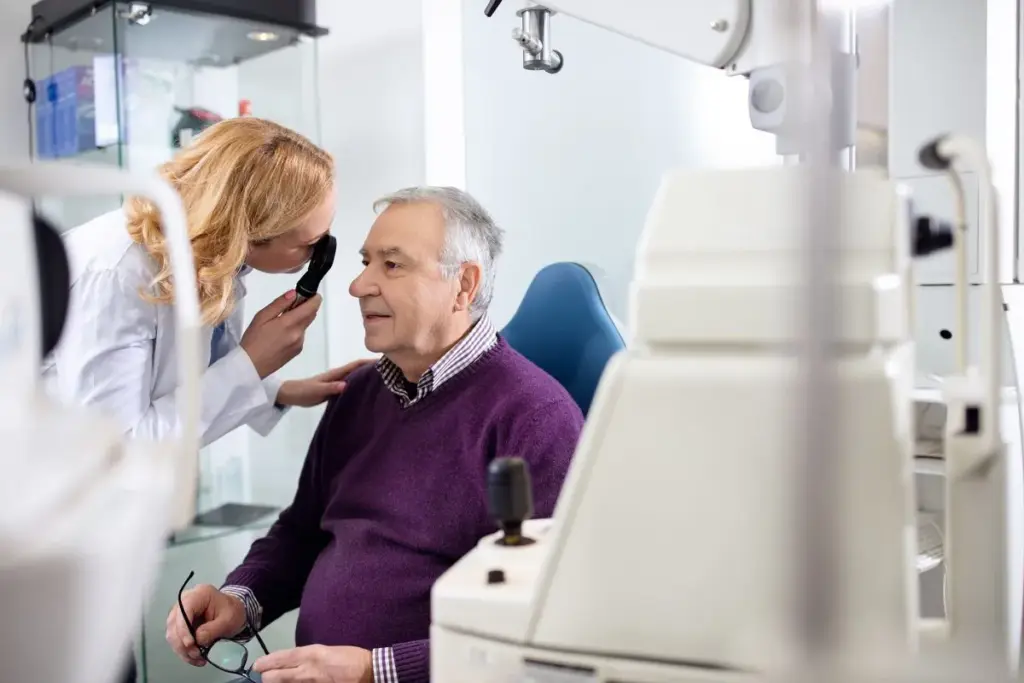
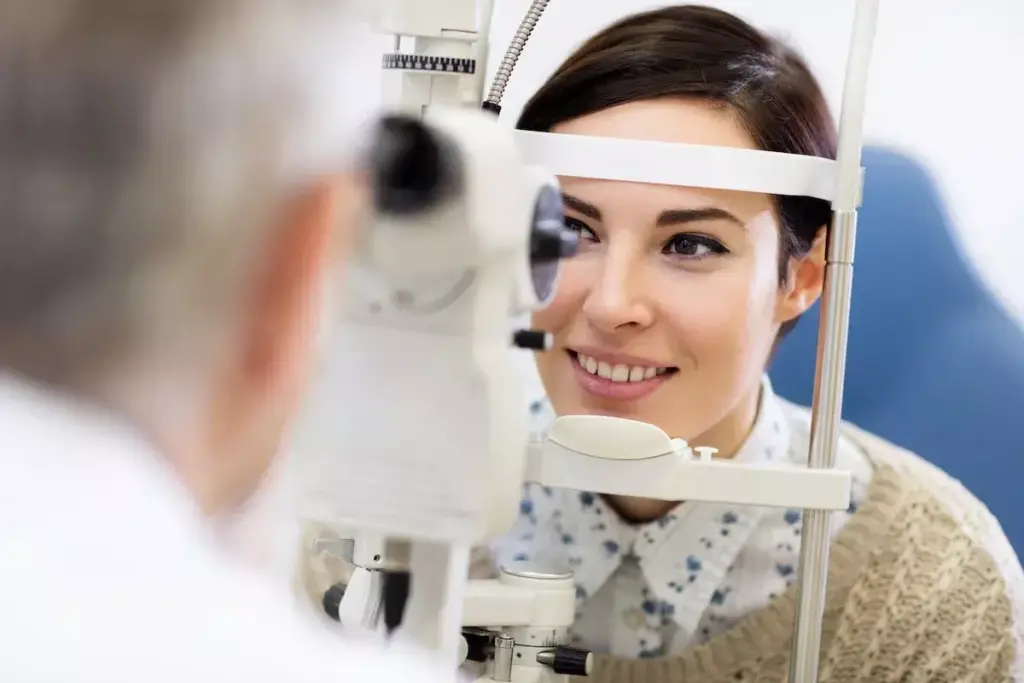
Diagnosing astigmatism needs a detailed approach. Eye care experts use several tests during an eye exam for astigmatism. These tests check your eye’s health.
Visual Acuity Assessment
A visual acuity assessment checks how well you see at different distances. You’ll read letters or numbers from a chart. This test finds vision problems that might be astigmatism.
Keratometry for Measuring Corneal Curvature
Keratometry measures the cornea’s shape. It’s key for finding astigmatism. This info helps in choosing the right glasses or surgery.
Refraction Testing Process
The refraction testing process finds the right lens for you. A phoropter with different lenses is used. Your doctor will find the best lenses for clear vision.
For more on astigmatism diagnosis and treatment, visit Medical organization’s Astigmatism Diagnosis and Treatment.
Understanding Your Prescription
Your eye doctor will give you a prescription after tests. Knowing your prescription helps fix your vision. The cylinder value shows astigmatism amount, and the axis value shows its direction.
Learning about these tests shows the detailed care for astigmatism. Eye care experts work hard to help you see better.
Conclusion: Living with and Managing Astigmatism
Managing astigmatism well is key to keeping your eyes healthy and your vision clear. Knowing what causes it, its symptoms, and how to treat it helps a lot. This way, you can take action to handle your condition.
Doctors say there are many ways to treat astigmatism. You can use glasses or contact lenses. Or, you might need more serious surgery like refractive surgery or orthokeratology, as Thomson Medical explains.
To find out if you have astigmatism, you can use an astigmatism chart. Or, you can see an eye doctor for a full check-up. This ensures you get the right treatment for your needs.
If you think you might have astigmatism, don’t wait to get help. With the right care, you can see better and live a fuller life with astigmatism.
Stay informed and take action to manage your astigmatism. This way, you can keep your eyes in the best shape possible.
FAQ
What is astigmatism and how does it affect vision?
Astigmatism happens when the cornea or lens of the eye is not round. This causes blurry or distorted vision at all distances. It affects both near and far vision, making daily tasks hard.
How can I check for astigmatism at home?
You can try the astigmatic dial test, line test charts, or digital apps. But, these are not a full replacement for a professional eye exam.
What is the astigmatic dial test, and how does it work?
The astigmatic dial test, or clock dial test, is a simple chart. It has radiating lines to detect astigmatism. By looking at the chart, you can see if any lines are darker or more distorted, suggesting astigmatism.
Can digital apps and online tools accurately diagnose astigmatism?
Digital apps and online tools can suggest astigmatism. But, they are not reliable for a diagnosis. A thorough eye exam by an eye care professional is needed for a correct diagnosis.
What tests do eye care professionals use to diagnose astigmatism?
Eye care professionals use several tests. These include visual acuity assessment, keratometry, and refraction testing. They help diagnose astigmatism and find the right prescription for corrective lenses.
How often should I have my eyes checked for astigmatism?
It’s best to have a full eye exam every 2-3 years. Or more often if you have eye problems or symptoms of astigmatism.
Can astigmatism be treated, and what are the treatment options?
Yes, astigmatism can be treated. Options include corrective lenses like glasses or contact lenses, or refractive surgery. The best choice depends on your astigmatism’s severity and your preferences.
How can I understand my prescription for astigmatism?
Your prescription will show the type and severity of your astigmatism. It will also have the correct prescription for corrective lenses. Your eye care professional can explain your prescription and answer any questions.
Reference
BMJ (British Medical Journal). Evidence-Based Medical Insight. Retrieved from https://bestpractice.bmj.com/topics/en-us/762