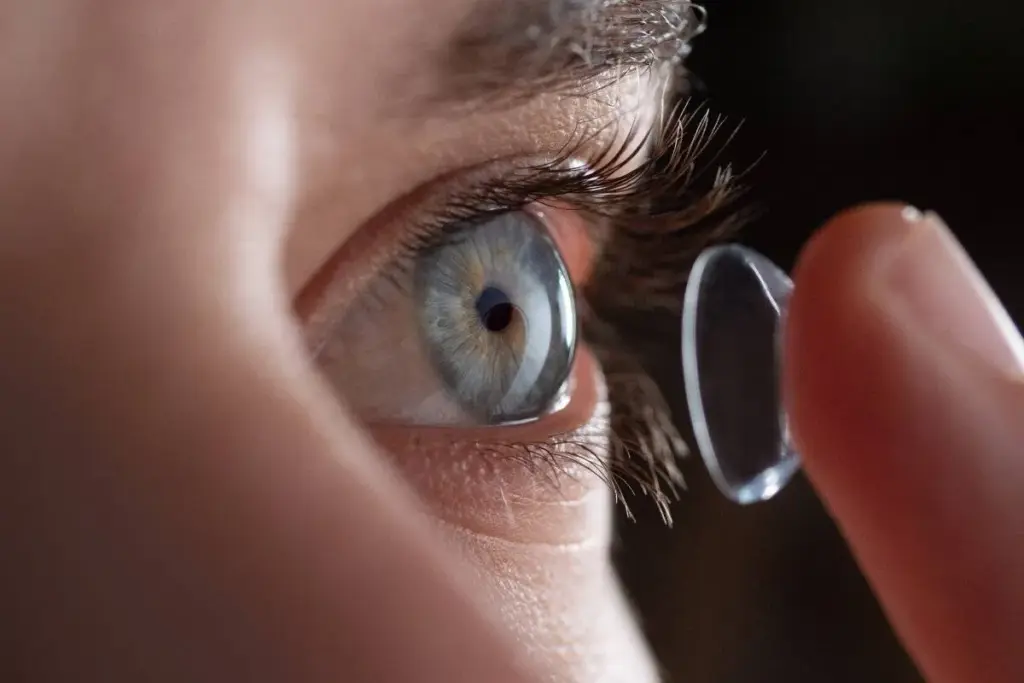
For those with astigmatism, reading small print can be tough. But, toric multifocal contacts are a game-changer. They give clear vision at all distances, without losing comfort or ease.
At Liv Hospital, we know how vital good vision care is. We focus on you, giving personalized checks and expert fits. This helps you find the perfect bifocal contacts for your needs.
Finding the right contacts for astigmatism can be hard. But, with the right help, you can get clear, comfy vision. It’s all about making the right choice.
Key Takeaways
- Understanding the benefits of toric multifocal contacts for astigmatism.
- The importance of thorough evaluations for a good fit.
- How to achieve clear, comfortable vision with the right bifocal contacts.
- Factors to consider when choosing contacts for astigmatism and presbyopia.
- The role of Liv Hospital in providing expert vision care.
Understanding Bifocal Contact Lenses for Astigmatism
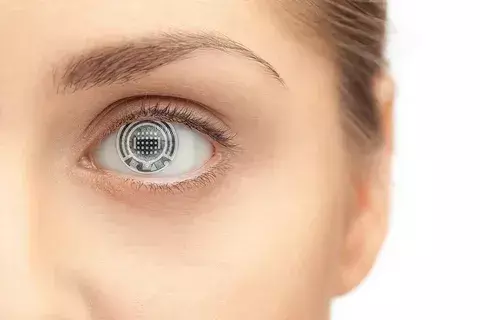
Astigmatism and presbyopia are common vision issues. They can be managed with the right contact lenses. Astigmatism causes blurred vision due to an irregular cornea or lens. Presbyopia makes it hard to focus on close-up tasks as we age.
What is Astigmatism and Presbyopia?
Astigmatism happens when the cornea or lens isn’t round. This causes light to focus at two points, not one. It leads to blurred vision at all distances. Presbyopia is a natural aging issue that affects focusing on near objects, starting in the 40s.
Toric multifocal lenses correct both astigmatism and presbyopia. They address the cornea’s irregular shape and provide multiple focal points for different vision needs.
How Toric Multifocal Lenses Address Both Conditions
Toric multifocal lenses combine toric and multifocal powers. They are made for daily wear comfort. For more info, visit All About Vision.
These lenses have zones for different distances. The toric part corrects astigmatism, and the multifocal part ensures clear vision at various distances.
| Feature | Toric Multifocal Lenses | Standard Bifocal Lenses |
| Astigmatism Correction | Yes | No |
| Presbyopia Correction | Yes | Yes |
| Multiple Focal Points | Yes | Yes |
Choosing the right toric multifocal lenses involves considering several factors, including the severity of your astigmatism and presbyopia, your lifestyle, and your personal preferences regarding lens material and wearing schedule.
Understanding toric multifocal lenses helps those with astigmatism and presbyopia make informed choices. It’s key to talk to an eye care professional to find the best treatment for you.
Types and Designs of Bifocal Contacts for Astigmatism
For those with astigmatism, bifocal contacts come in many types and designs. They help achieve clear vision. The need for both astigmatism correction and bifocal vision requires special lens designs.
We’ll look at the options, like soft toric bifocal lenses and rigid gas permeable (RGP) bifocal lenses. We’ll also explore the advanced technologies that make these lenses work better.
Soft Toric Bifocal Options
Soft toric bifocal lenses are a top pick for astigmatism and bifocal needs. They’re comfy and simple to wear, perfect for everyday use.
Key benefits of soft toric bifocal lenses include:
- Comfort: They’re soft and flexible, fitting your eye well for all-day comfort.
- Ease of use: Easy to put in and take out, great for those with busy lives.
- Astigmatism correction: They correct astigmatism, giving clear vision at different distances.
Rigid Gas Permeable (RGP) Bifocal Lenses
RGP bifocal lenses are durable and offer sharp vision. They’re best for those with high astigmatism.
The advantages of RGP bifocal lenses include:
- Oxygen permeability: They let oxygen flow well, keeping your eyes healthy and comfy.
- Sharp vision: They provide clear vision at various distances, perfect for precise correction.
- Durability: They’re tough and can last longer with the right care.
Lens Design Technologies
Advanced technologies are key in making bifocal contacts for astigmatism. Aspheric optics improve these lenses, ensuring clear vision and comfort.
Innovations in lens design include:
- Aspheric optics: This tech reduces aberrations for clearer vision.
- Multifocal designs: These designs help with smooth transitions between distances, improving vision.
- Customization: Many modern bifocal contacts can be tailored to fit individual needs, providing a personalized solution for astigmatism correction.
How to Select the Right Bifocal Contact Lenses
Finding the perfect bifocal contact lenses is a journey. It involves several key steps. You need to consider a professional eye exam, your lifestyle, and personal comfort.
Professional Eye Examination and Fitting
The first step is a detailed eye exam by an eye care expert. This is key to finding the right bifocal contact lenses for you.
Your eye doctor will check your cornea shape, pupil size, and eye health. This info helps pick the best toric bifocal contact lenses for clear vision.
Lifestyle and Visual Needs Assessment
Your lifestyle and vision needs are important. For example, if you use digital devices a lot, you might need lenses that reduce eye strain.
- Think about your daily activities and vision needs.
- Consider where you usually wear your contact lenses.
- Talk to your eye doctor to find the best lenses for you.
Adaptation Period and Comfort Considerations
Getting used to bifocal contact lenses takes time. Be patient and let your eyes adjust. Your eye doctor can guide you through this.
Comfort is key. Modern contact lenses toric bifocal designs offer comfort and clear vision. Share any comfort concerns with your eye doctor to find the right lenses.
Care and Maintenance Requirements
Proper care and maintenance are essential for your bifocal contact lenses. Your eye doctor will teach you how to clean and store them.
- Clean your lenses as directed to avoid debris buildup.
- Keep your lenses in a clean case and change the case often.
- Follow the recommended replacement schedule for your lenses.
By following these steps and working with your eye care professional, you can find the best contact lenses for bifocal with astigmatism. These lenses will meet your needs and improve your life.
Conclusion
We’ve looked into bifocal contact lenses for astigmatism, covering different types and designs. This knowledge helps those with astigmatism and presbyopia make better choices for their vision.
Progressive and multifocal contacts for astigmatism are great options. They offer clear vision at various distances, tackling both astigmatism and presbyopia challenges.
Choosing the right bifocal contact lenses is key. An eye care professional can help by assessing your needs. They’ll suggest the best lens design for clear vision and comfort.
Opting for the right contact lenses can greatly improve your vision and life quality. We suggest you book a consultation with an eye care expert. They can help you find the perfect fit for your needs.
FAQ
What are bifocal contact lenses for astigmatism?
Bifocal contact lenses for astigmatism are special lenses. They fix both astigmatism and presbyopia. This means you can see clearly at different distances.
How do toric multifocal contact lenses work?
Toric multifocal lenses combine two key features. They use toric lenses to correct astigmatism. And they have multifocal technology for clear vision at various distances.
What types of bifocal contacts are available for astigmatism?
There are soft toric bifocal lenses and Rigid Gas Permeable (RGP) bifocal lenses for astigmatism. Each type has its own benefits and features.
How do I choose the right bifocal contact lenses for astigmatism?
To pick the right lenses, start with a detailed eye exam. Then, get a professional fitting. Think about your lifestyle and what you need to see.
What is the adaptation period like for bifocal contact lenses?
Adjusting to bifocal lenses takes a few days to a week for most people. Your eye care pro can guide you on what to expect.
How do I care for my bifocal contact lenses?
To keep your lenses clean, wash them regularly and store them in a proper case. Also, visit your eye care pro for check-ups.
Are there different lens design technologies available for bifocal contacts?
Yes, there are many lens designs. These include various multifocal and toric lens types. They aim to make bifocal contacts more comfortable and effective.
Can I wear bifocal contact lenses if I have severe astigmatism?
It depends on how severe your astigmatism is. Talk to an eye care pro to see if bifocal lenses are right for you.
How do progressive contact lenses for astigmatism differ from bifocal contacts?
Progressive lenses offer a smooth transition between distances. Bifocal lenses have clear segments for near and far vision.
What are the benefits of using toric bifocal contact lenses?
Toric bifocal lenses correct astigmatism and presbyopia. They provide clear vision at various distances. They’re also a convenient alternative to glasses.
Reference
National Center for Biotechnology Information. Evidence-Based Medical Insight. Retrieved from https://pmc.ncbi.nlm.nih.gov/articles/PMC12604522/