


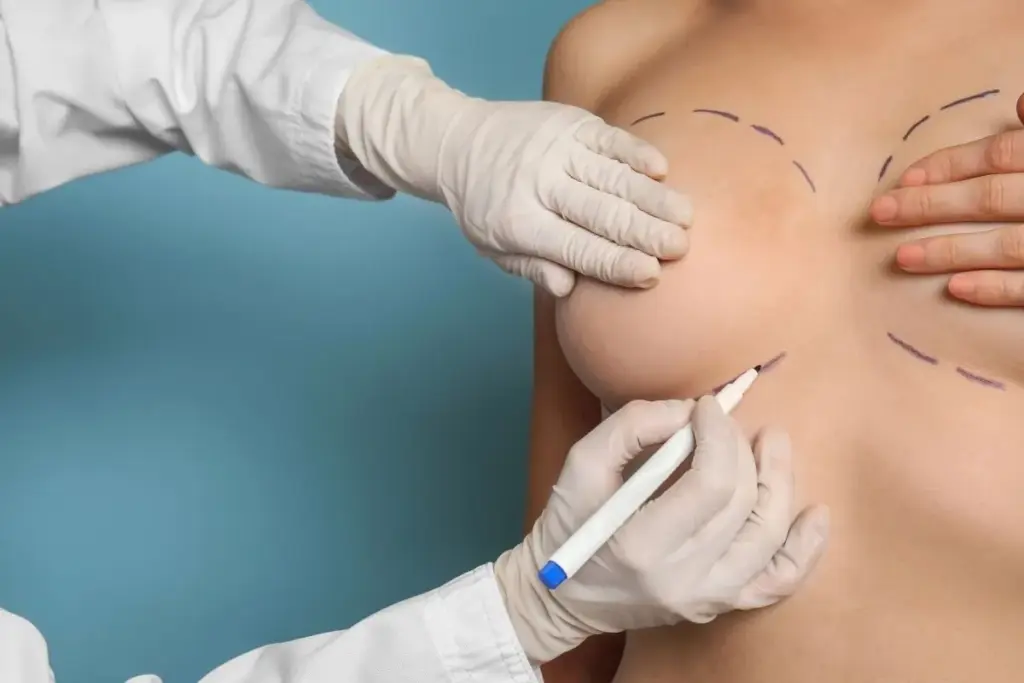
Deciding on your health journey is very personal. It can feel overwhelming. You deserve clear guidance as you move toward recovery and restoration.
Breast reconstruction tissue expansion is a gradual method. It prepares your body for long-term results. This step is key in implant based reconstruction, letting your skin adjust over time.
Choosing the right breast expanders and implants needs careful thought. Your unique anatomy and lifestyle goals matter. Informed patients are the best partners in their care. Knowing about breast expander reconstruction boosts your confidence to work with your surgical team.
Key Takeaways
- Tissue expansion is a proven, gradual method for achieving natural-looking results.
- Personalized planning ensures the chosen devices align with your specific body type.
- Open communication with your surgeon reduces anxiety during the recovery phase.
- Understanding the timeline helps you set realistic expectations for your final outcome.
- Professional guidance at every stage supports both your physical and emotional well-being.
Understanding the Role of Breast Expanders and Implants

When thinking about breast reconstruction, it’s key to understand the role of breast expanders and implants. This process is personal and complex. Knowing how these devices function helps people make better choices for their care.
The Purpose of Tissue Expansion in Reconstruction
Tissue expansion is a method used in breast reconstruction. It stretches the skin and tissue to make room for a permanent implant. A tissue expander, a temporary device, is placed under the skin and chest muscle.
Saline solution is added to the expander over time. This makes it bigger and stretches the tissue around it. The goal is to make a pocket for a permanent implant, aiming for a natural look and feel.
This process can take months. During this time, the body gets used to the expanding tissue. It prepares for the final implant.
Differentiating Between Expanders and Permanent Implants
It’s important to know the difference between tissue expanders and permanent implants. Tissue expanders are temporary and stretch the skin and tissue. Permanent implants are meant to last and are a long-term solution for breast reconstruction.
| Characteristics | Tissue Expanders | Permanent Implants |
| Purpose | Temporary device to stretch skin and tissue | Long-term solution for breast reconstruction |
| Material | Silicone shell filled with saline solution | Silicone shell filled with saline or silicone gel |
| Duration | Temporary, removed after expansion | Permanent, designed to last for many years |
Knowing the differences between these devices is vital for making informed decisions about breast reconstruction. By understanding how tissue expanders and permanent implants work, individuals can better navigate the reconstruction process. This helps them achieve their desired outcomes.
Key Factors to Consider When Selecting Your Device

Choosing a breast expander involves several important factors. These factors can impact the success of the reconstruction. It’s key to think about what will affect the outcome and the patient’s comfort during the process.
Anatomical Considerations and Chest Wall Shape
The shape of the chest wall and the quality of the skin are vital. The patient’s overall health also matters. The expander must match the patient’s anatomy for a natural look and feel. We consider the chest wall shape and skin quality to determine the most suitable expander size and type.
Everyone’s chest wall shape is different. This difference affects the choice of expander. A healthcare professional must assess the patient’s anatomy to find the right device.
Material Composition and Surface Texture Options
The material and surface texture of the expander are key. Expanders come in various materials, and their texture impacts the expansion and final look. Some expanders have a textured surface to reduce the risk of capsular contracture, a condition where the body forms a tight capsule around the implant.
| Material | Surface Texture | Characteristics |
| Silicone | Textured | May reduce capsular contracture risk |
| Saline | Smooth | Adjustable volume post-implantation |
| Composite | Textured/Smooth | Combines benefits of different materials |
Port Placement and Accessibility
The port’s placement and accessibility are also important. The port’s location can affect the ease of expansion and the patient’s comfort. We evaluate the port placement to ensure it is accessible and minimally intrusive for the patient.
By carefully considering these factors, healthcare providers and patients can make informed decisions. This enhances the likelihood of a successful reconstruction outcome.
Navigating the Breast Reconstruction Process
Breast reconstruction is a detailed process that needs careful planning and personal care. Understanding the steps can greatly affect a patient’s experience and results.
Consulting with Your Plastic Surgeon
The first step is talking to a plastic surgeon. This meeting is key to discuss options, understand procedures, and set expectations. The surgeon will check your health, talk about breast implant reconstruction and tissue expanders for breast reconstruction, and explain risks and benefits.
It’s smart to have questions ready for your consultation. Ask about the surgeon’s experience with double mastectomy expanders and how they handle the expansion.
Setting Realistic Expectations for the Expansion Phase
The expansion phase is a big part of breast reconstruction, mainly for tissue expander breast methods. It stretches the skin and tissue for a future implant. It’s important to have realistic expectations, as this phase can take months and needs many visits.
Knowing it may take months and can be a bit uncomfortable helps prepare you mentally and emotionally. We make sure you’re comfortable and informed every step of the way.
| Expansion Phase Considerations | Description | Patient Experience |
| Duration | Several months | Variable, depending on individual healing |
| Number of Expansions | Multiple visits | Typically 2-3 visits per month |
| Discomfort Level | Mild to moderate | Managed with pain medication and support |
Managing Comfort During the Expansion Procedure
Comfort during the expansion procedure is a big deal. While most people find it okay, some might feel pain. We help you manage this with pain meds and other support.
Conclusion
Choosing the right breast expander is a big decision. It depends on your body and what you like. We’ve looked at how tissue expanders help in breast reconstruction.
It’s important to know the difference between tissue expanders and permanent implants. After a mastectomy, expanders help grow tissue for a permanent implant. This is a key part of the reconstruction.
When picking a tissue expander, think about the material, texture, and where the port is. Talking to a plastic surgeon is key to finding the right one for you.
Understanding the reconstruction process and your options helps you make a good choice. We suggest getting professional advice for a smooth process. This way, you can make decisions that fit your needs.
FAQ
What is the primary purpose of a tissue expander in implant based reconstruction?
A tissue expander is used to gradually stretch the skin and muscle after mastectomy.
This creates enough space for a permanent breast implant later.
How does the breast expander process differ from receiving permanent breast reconstruction and implants?
Expanders are temporary devices that are slowly filled over time to prepare the area.
Permanent implants are placed in a later surgery once the tissue is ready.
What should I expect when undergoing a mastectomy with expanders?
An expander is placed during or after mastectomy and gradually filled over weeks.
You may have follow-up visits for expansion and monitoring of healing.
What anatomical factors influence the selection of expanders after mastectomy?
Factors include skin quality, chest wall shape, and remaining tissue after surgery.
Surgeons also consider symmetry and desired final breast size.
What are the material options for expanders for breast reconstruction?
Most expanders are made of silicone shells filled with saline solution.
Some types include integrated ports or textured surfaces for stability.
Is it common to experience discomfort during the expansion breast phase?
Yes, mild tightness or pressure is common as the expander is filled.
Discomfort is usually temporary and manageable with basic care.
How long will I need to keep the breast expanders after mastectomy?
Expanders are typically kept for a few weeks to several months.
The exact duration depends on healing and how quickly the expansion process is completed.
Reference
National Center for Biotechnology Information. Evidence-Based Medical Insight. Retrieved from https://pubmed.ncbi.nlm.nih.gov/25357060/[2


 Departments
 Related Videos
 Our Doctors
 News
News


