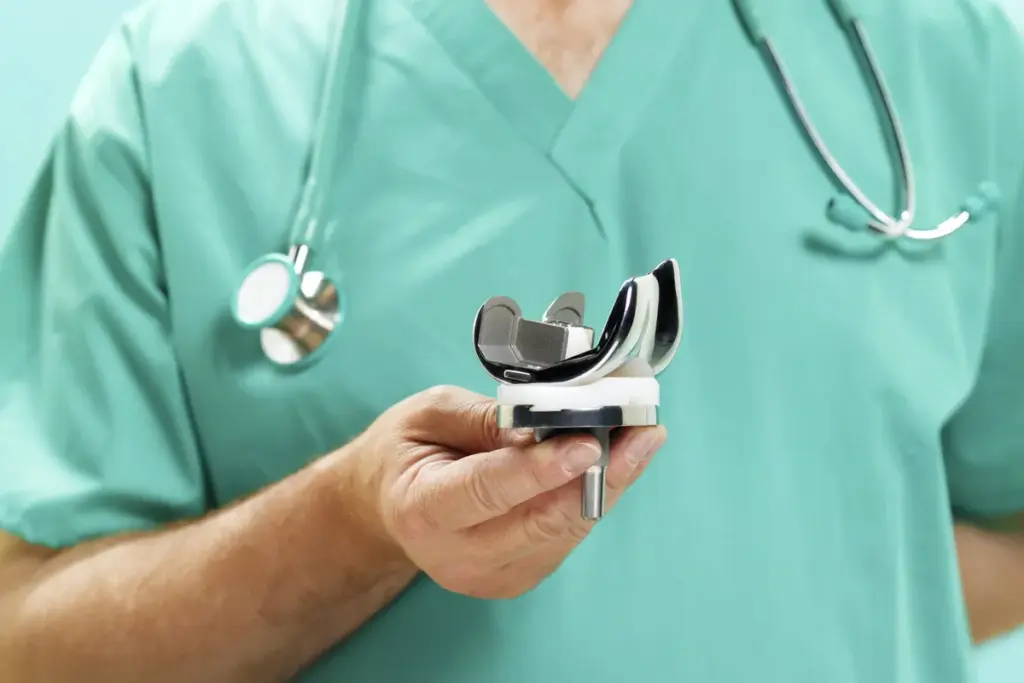
Choosing the right bone replacement is a big decision. It greatly affects how well a patient does. We know how complex bone grafting surgery can be and all the options out there.
Bones that are damaged or broken are big problems in orthopedic and maxillofacial surgery. New materials in bone tissue engineering are helping to fix these issues.
When thinking about bone transplant or bone replacement surgery, knowing the different ways and what they mean is key. At Liv Hospital, we mix top-notch medical care with care that focuses on you. We help you make this important health choice with the latest science and new ideas.
Key Takeaways
- Understanding the different bone replacement approaches is key for making good choices.
- New bone replacement materials help grow new bone and better results for patients.
- Liv Hospital is a trusted place for bone grafting surgery and bone transplant.
- Putting the patient first is vital when dealing with tough health decisions.
- Using proven methods ensures the best results for patients.
Understanding Bone Defects and Clinical Challenges
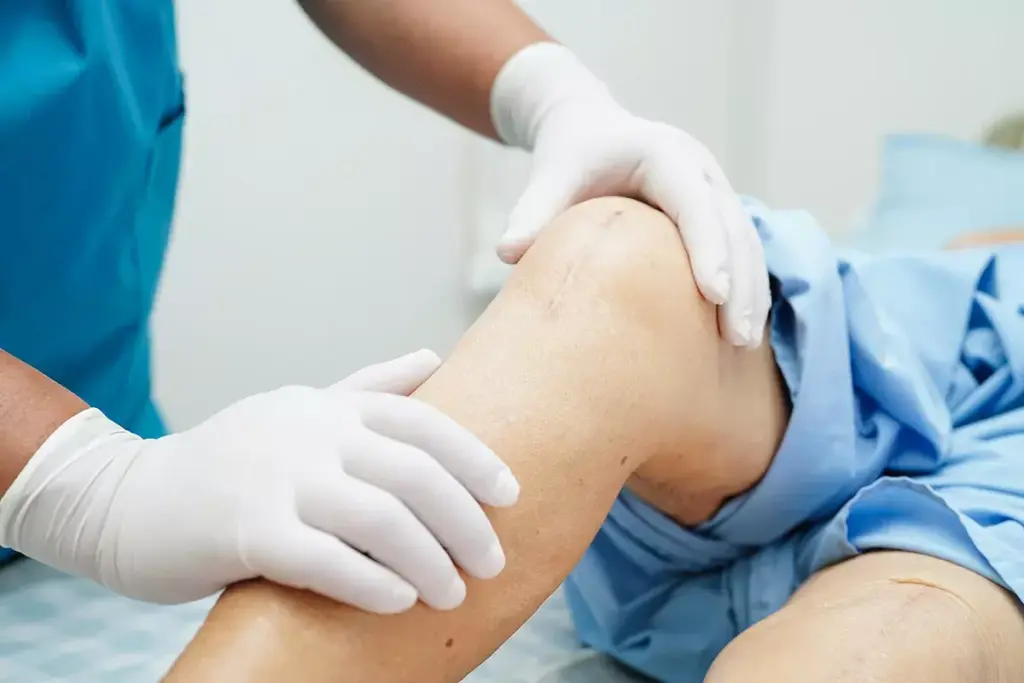
Bone defects, often critical-sized, pose big challenges in medical care. These can come from trauma, infection, or removing tumors. They can really affect how well a patient does.
Old methods like using the patient’s own bone or bone graft from cadaver have big downsides. Using the patient’s bone can harm the donor site and is hard to get. Cadaver bones or bone graft from cadaver might not be accepted by the body and could carry diseases.
Critical-Sized Bone Defects and Their Impact
Critical-sized bone defects are too big to heal on their own and need surgery. They can cause a lot of pain, limit movement, and lower quality of life. It’s key to understand these defects to find good treatments.
Using cadaver bones or bone cadaver grafts is common for these defects. But, the risks of immune rejection and disease must be weighed.
| Characteristics | Autografts | Allografts (Cadaver Bone) |
| Donor Site Morbidity | Yes | No |
| Availability | Limited | Variable |
| Immune Rejection Risk | No | Yes |
| Disease Transmission Risk | No | Yes |
When Surgical Intervention Becomes Necessary
Surgery is needed for critical-sized bone defects that won’t heal on their own. The decision to operate depends on the defect’s size, location, and the patient’s health.
In hip replacement, the approach and materials used are very important. The choice between anterior and posterior approaches and the type of bone graft, like cadiver bone, must be thought out carefully.
Traditional Bone Replacement Options
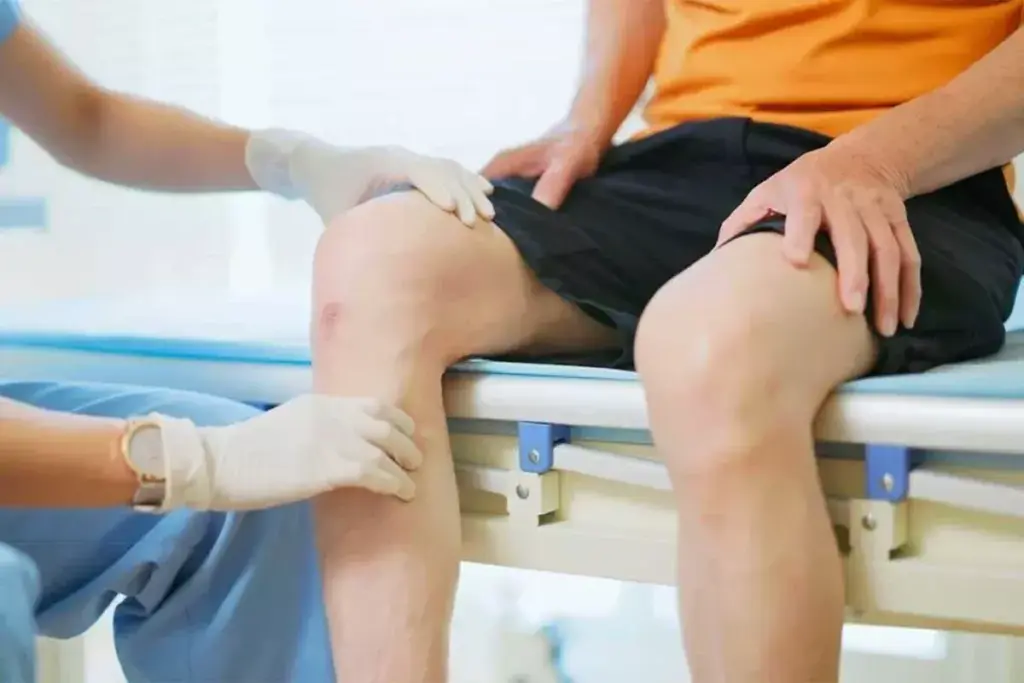
For decades, traditional bone replacement methods have been key in treating bone defects. These methods have grown to include various techniques. Each has its own benefits and limitations.
We will look at the different traditional bone replacement options. This includes autografts and allografts. We will also explore how bone grafting procedures work.
Autografts: Using Your Own Bone Tissue
An autograft uses the patient’s own bone tissue for grafting. It’s considered the best because it provides osteogenic cells, osteoinductive growth factors, and an osteoconductive scaffold. These help in natural bone regeneration.
The process of autografting takes bone from one part of the body and moves it to the defective area. This method has high success rates. But, it’s limited by the availability of donor bone and the need for another surgical site. This can increase morbidity.
Allografts and Cadaver Bone Transplants
Allografts use bone tissue from a donor, often from cadavers. This method avoids the need for a second surgical site. It reduces the risk of donor site morbidity.
Allografts are processed to remove cellular components, lowering the risk of immune rejection. They provide an osteoconductive scaffold for new bone tissue growth. But, allografts lack the osteogenic and osteoinductive properties of autografts.
How Bone Grafting Procedures Work
Bone grafting is a surgical procedure that transplants bone or a bone substitute into a defective area. This helps in bone regeneration. The definition of bone graft includes various materials and techniques used for this purpose.
So, how do bone grafts work? Bone grafts act as a scaffold for new bone tissue growth. This promotes healing and regeneration. The graft material can be an autograft, allograft, or synthetic bone substitute. Each has its own advantages and limitations.
| Graft Type | Osteogenic | Osteoinductive | Osteoconductive |
| Autograft | Yes | Yes | Yes |
| Allograft | No | Yes/No | Yes |
| Synthetic | No | No | Yes |
Understanding the properties of different graft types is key. It helps in choosing the best bone replacement option for each patient.
Advanced Bone Replacement Technologies
Advanced bone replacement technologies are changing how we treat bone defects. They help rebuild bone and aid in healing, similar to hip replacement surgery.
3D-Printed Bone Scaffolds
3D-printed bone scaffolds are a big leap forward. They look like real bone and help new bone grow. This tech lets doctors make scaffolds that fit each patient perfectly, helping them blend with the bone around them.
Bioactive Materials That Promote Regeneration
Bioactive materials are key in new bone tech. They help bones grow back by getting cells to work better and heal faster. They can work alone or with 3D scaffolds to help bones grow.
Nanotechnology Enhancements
Nanotechnology is helping too. It lets scientists make nanostructured surfaces that help implants fit better with the body. This can make implants work better and cause fewer problems.
Multifunctional Antimicrobial Scaffolds
There’s also multifunctional antimicrobial scaffolds to fight infections. These scaffolds release stuff that kills germs, making it safer for bones to heal. This helps keep the healing area clean and healthy.
In short, new bone tech like 3D scaffolds, bioactive materials, nanotechnology, and antimicrobial scaffolds are making bone surgery better. They help bones stay strong, grow back, and lower the chance of problems.
Conclusion: Selecting the Optimal Bone Replacement Solution
Choosing the best bone replacement solution is a big decision. It needs careful thought about the bone defect, the patient’s health, and the technology available. New advancements, like bioactive glass-ceramic scaffolds, help grow new bone. They also stop bone loss, opening up new ways for bone transplants.
Choosing between anterior and posterior hip replacement is similar. It depends on many factors. When picking a bone graph procedure, knowing about autografts, allografts, and xenografts is key. Allografts use bone from a cadaver, raising questions about its quality and safety for bone reconstruction.
Understanding each option’s benefits and drawbacks helps patients and doctors make the best choice. For more details, studies on bone replacement solutions are available. For example, a study on SpringerLink explores different methods’ effectiveness.
FAQ:
What is a bone graft?
A bone graft is a surgery to fix or grow bone. It moves bone from one part of the body to another. Or, it uses synthetic or donor bone.
What are the different types of bone grafts?
There are many bone graft types. Autografts use the patient’s bone. Allografts use donor bone. Synthetic grafts are man-made. Each has its own good and bad points.
What is cadaver bone used for?
Cadaver bone, or allograft, is for bone grafts. It comes from a donor. It helps repair or rebuild bone in the recipient.
How do bone grafts work?
Bone grafts help new bone grow. They provide a base for bone to form. This lets the body fix or grow the damaged area.
What are the benefits of using 3D-printed bone scaffolds?
3D-printed bone scaffolds have many benefits. They can be made to fit perfectly. They help bone grow better and are stronger. They’re made just for the patient’s needs.
What is bone replacement surgery?
Bone replacement surgery uses grafts or synthetic materials. It’s for fixing bone defects, fractures, or other bone issues.
How do advanced bone replacement technologies promote bone regeneration?
Advanced technologies, like bioactive materials and nanotechnology, help bone grow. They create a good environment for new bone. They help cells work better and heal faster.
What are the risks associated with bone grafting procedures?
Bone grafting has risks like donor site problems, immune rejection, and infection. But, these can be lessened by choosing the right graft and following surgery rules.
How do I choose the right bone replacement option?
Choosing the right option depends on several things. Like the bone defect size, the patient’s health, and available tech. It’s best to talk to a healthcare expert to find the best treatment.
Reference:
National Center for Biotechnology Information. Evidence-Based Medical Guidance. Retrieved from https://pubmed.ncbi.nlm.nih.gov/12974385/