Earwax, or cerumen, is a natural substance that protects your baby’s ears. It catches dirt, dust, and other particles. This helps prevent damage to the eardrum and lowers the chance of infections.
As a parent, you might worry about your baby’s ear health. The good news is that earwax usually comes out on its own. But, it’s important to clean their ears safely to avoid harm or discomfort.
Key Takeaways
- Earwax acts as a protective barrier against dirt, dust, and bacteria.
- Most of the time, earwax naturally migrates out of the ear without needing removal.
- Never insert objects like cotton swabs or fingers into the ear canal.
- Safe cleaning practices are essential to prevent damage and discomfort.
- Consult a pediatric specialist for guidance on caring for your baby’s ears.
Understanding Baby Ear Health
The health of a baby’s ears is closely linked to ear wax. Ear wax, also known as cerumen, protects the ear canal and eardrum from dust, bacteria, and other foreign particles.
What Is Ear Wax and Why It’s Important
Ear wax acts as a waterproof lining of the ear canal. It safeguards it and the eardrum from germs that can cause infection. According to Rachelle Wareham, MD, a pediatric otolaryngologist, “earwax is mostly a good thing as it helps keep the ears clean by trapping stuff that floats around in the air and prevents the ear canal from becoming too dry and itchy.” Proper ear wax production is essential for maintaining the delicate balance of the ear canal’s environment.
How Ear Wax Naturally Exits the Ear
Ear wax naturally migrates out of the ear canal. This process involves jaw movement and the natural shedding of skin cells. For more information on how to care for your baby’s ears, you can visit this resource on cleaning your baby’s ears, eyes, and nose.
| Factors Influencing Ear Wax Migration | Description |
| Jaw Movement | The movement of the jaw helps to push ear wax outward. |
| Skin Cell Shedding | Natural shedding of skin cells aids in the migration of ear wax. |
Normal Appearance vs. Concerning Signs
Normal ear wax can vary in color and consistency, ranging from yellow to dark brown. It’s essential to recognize the signs of normal ear wax versus concerning signs. Concerning signs include excessive ear wax buildup, impacted ear wax, or ear wax accompanied by other symptoms like pain or discharge.
Understanding these aspects of baby ear health can help parents take appropriate care of their baby’s ears. It can also help identify any issues early on.
Safe Daily Cleaning Techniques
[Add image here]
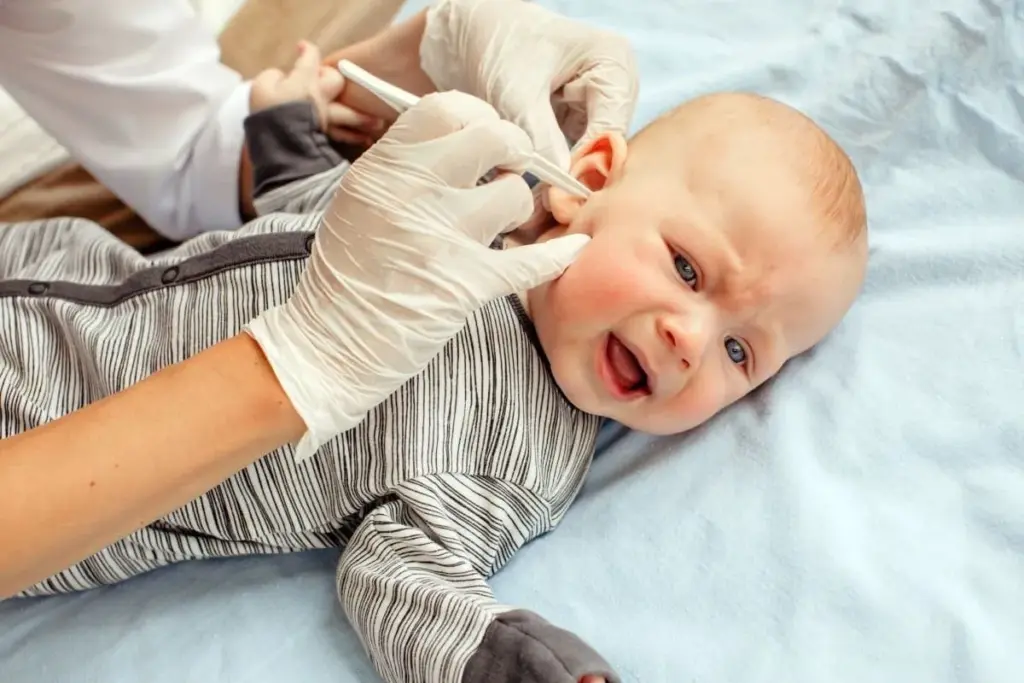
Cleaning your baby’s ears daily is simple and safe if done right. Use a gentle method to keep their ears clean without harm.
The Washcloth Method for Outer Ear Care
Using a soft, damp washcloth is a safe way to clean your baby’s ears. Just wipe the outer ear gently, focusing on the parts you can see. Medical Expert-safe ear wipes works well.
Step-by-Step Guide:
- Use a soft, damp washcloth to gently clean the outer ear.
- Avoid inserting the washcloth into the ear canal.
- Gently dry the outer ear after cleaning to prevent moisture buildup.
Incorporating Ear Cleaning into Bath Time
Bath time is a great time to clean your baby’s ears. The warmth and moisture help remove ear wax. Make sure to dry their ears well after to avoid infections.
Dangerous Tools to Always Avoid
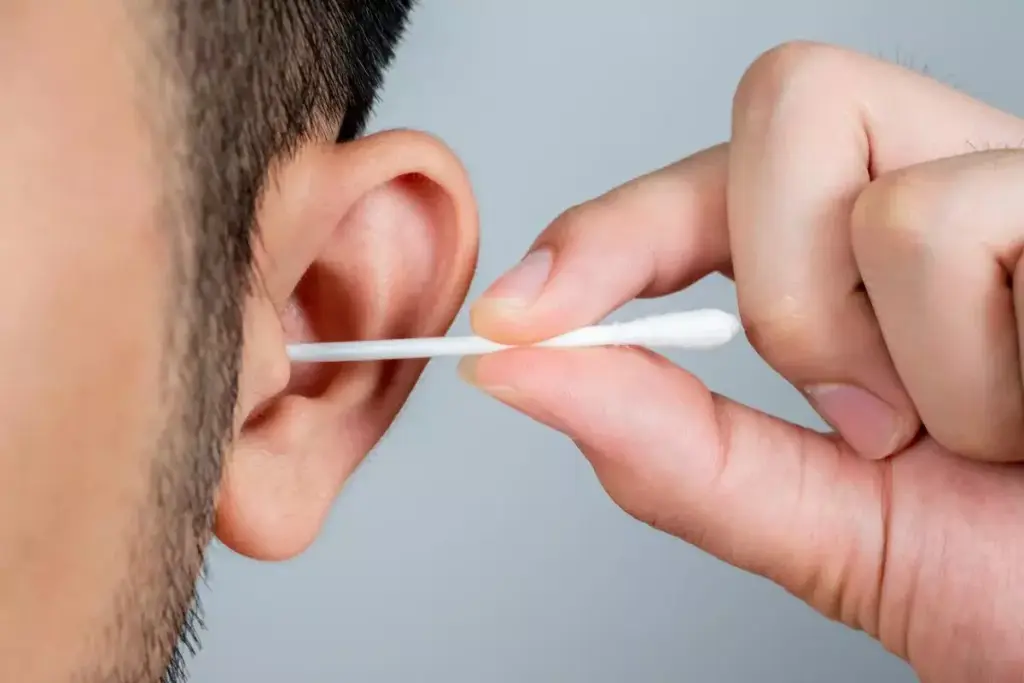
Stay away from tools that can hurt your baby’s ears. Cotton swabs, for example, should never go inside the ear canal. They can push wax deeper and might hurt the eardrum.
| Tool | Risk | Safe Alternative |
| Cotton Swabs | Pushing ear wax deeper, potentially damaging the eardrum | Soft, damp washcloth |
| Sharp Objects | Puncturing the eardrum or causing injury | Baby-safe ear wipes |
By using these safe cleaning methods, you can keep your baby’s ears healthy and avoid problems.
Managing Infant Ear Wax Buildup
Ear wax buildup in infants is a common worry for parents. Ear wax is natural and important for ear health. But too much can cause discomfort and serious problems. We’ll show you how to spot too much ear wax, safe ways to remove it, and when to see a doctor.
Recognizing Excessive Ear Wax in Babies
Too much ear wax in babies can show up in different ways. Look out for:
- Visible wax buildup or blockage in the ear canal
- Fussiness or irritability, possibly from ear discomfort
- Difficulty hearing or responding to sounds
- Unusual odors from the ear
If you see these signs, watch closely and think about safe ways to remove it.
Safe Over-the-Counter Solutions
There are safe ways to deal with too much ear wax. You can use:
- Ear wax removal drops with hydrogen peroxide or saline solution
- Drops with acetic acid or sodium bicarbonate to dissolve wax
Always follow the instructions on the product and talk to a pediatrician if you’re not sure.
Gentle Home Remedies for Ear Wax
Some home remedies can help with ear wax buildup. A mix of mineral oil and vinegar (50:50) can soften wax. But remember:
- Always talk to a pediatrician before trying any remedy
- Make sure the baby’s ear is infection-free
Use these remedies carefully and only with a doctor’s advice.
When to Consult a Pediatrician
If you see signs of infection, discomfort, or if wax buildup doesn’t go away, see a pediatrician. They can:
- Check the ear wax and suggest the right treatment
- Remove wax safely in their office
- Help prevent future buildup
It’s also important to see a pediatrician if your baby has had ear infections or ear tubes.
Conclusion: Maintaining Healthy Baby Ears
Keeping your baby’s ears healthy is very important. We talked about how ear wax protects their ears. It’s key to care for their ears gently and watch for any problems.
Ear wax is natural and keeps ears safe. You can help by using a soft cloth for ear cleaning and being careful during baths. Also, know when to see a doctor if your baby’s ears seem too wet or hurt.
Being careful and asking for help when needed is important. This way, your baby’s ears will stay healthy. We suggest staying informed and seeking advice if you’re worried about your baby’s ear health.
FAQ
What is the role of ear wax in babies?
Ear wax protects a baby’s ears by trapping dust and germs, moisturizing the ear canal, and preventing infections.
How often should I clean my baby’s ears?
You should only clean the outer ear as needed, since the ear canal naturally cleans itself.
Is it safe to use cotton swabs to clean my baby’s ears?
No, cotton swabs can push wax deeper into the ear canal and risk injury.
How do I dry my baby’s ears after bath time?
Gently pat the outer ear with a soft towel and allow the ears to air-dry.
What are the signs of excessive ear wax in babies?
Signs include ear pulling, fussiness, reduced response to sounds, or visible wax buildup.
Can I use over-the-counter ear drops to remove ear wax?
Over-the-counter ear drops should only be used if recommended by a pediatrician.
How can I prevent ear infections in my baby?
Keeping ears dry, avoiding inserting objects into the ears, and following vaccination schedules can help prevent infections.
When should I consult a pediatrician about my baby’s ear wax?
Consult a pediatrician if your baby shows pain, hearing changes, discharge, or persistent wax buildup.
References
National Center for Biotechnology Information. Evidence-Based Medical Insight. Retrieved from https://pubmed.ncbi.nlm.nih.gov/28248609/