
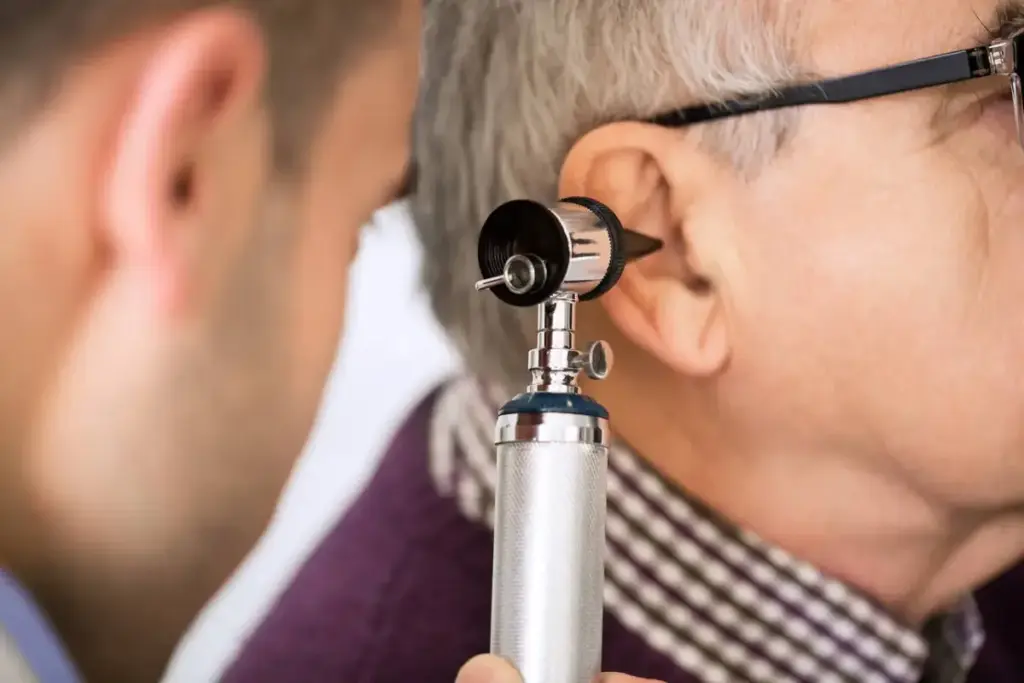
Eustachian tube dysfunction (ETD) affects millions of adults globally. It causes ear pressure, fullness, pain, and hearing loss. Living with ETD can be very frustrating and limiting.
At Liv Hospital, we have a new solution for chronic ETD: balloon dilation of the eustachian tube. This minimally invasive procedure uses a small balloon to open the blocked tube. It offers lasting relief from symptoms. Our team uses international expertise and focuses on patient care in advanced eustachian tube treatments.
Key Takeaways
- Eustachian tube dysfunction affects up to 5% of adults in the United States.
- Balloon dilation is a minimally invasive procedure that can provide lasting relief from ETD symptoms.
- Liv Hospital offers expertise in balloon dilation of the eustachian tube.
- The procedure involves inserting a small balloon into the eustachian tube to widen it.
- Balloon dilation can help alleviate symptoms such as ear pressure, fullness, and hearing loss.
Understanding Eustachian Tube Dysfunction
It’s key to know about Eustachian tube dysfunction to tackle ear issues. The Eustachian tube links the middle ear to the back of the nose and throat. It’s vital for keeping pressure balanced and draining mucus from the middle ear.
Common Symptoms and Diagnosis
Eustachian tube dysfunction (ETD) shows up in different ways, like ear fullness, hearing loss, and discomfort. These signs happen because the Eustachian tube isn’t working right, causing ear pressure imbalance.
An ear, nose, and throat (ENT) specialist will check for ETD. They might use tympanometry, a test to see how the eardrum moves and the middle ear muscles react.
Prevalence and Impact in the United States
ETD hits a big chunk of adults in the U.S. About 4-5% of adults have it, but it might be more common because it’s often missed.
ETD can really mess with daily life. It can mess with sleep, focus, and how you feel overall. Finding good ways to manage and treat ETD is key to feeling better and living better.
| Symptom | Prevalence | Impact on Daily Life |
| Ear Fullness | Common | Affects comfort and concentration |
| Hearing Loss | Moderate | Impacts communication and social interactions |
| Discomfort/Pain | Frequent | Affects overall well-being and sleep |
How to Clear Eustachian Tubes Through Balloon Dilation
Balloon dilation of the Eustachian tube (BDET) is a new hope for adults with chronic Eustachian Tube Dysfunction (ETD). We’ll explain the BDET procedure step-by-step. You’ll know what to expect during and after treatment.
The BDET Procedure Step-by-Step
The BDET procedure uses a deflated balloon inserted through the nasal passageway. It’s done under endoscopic visualization. The balloon is inflated in the Eustachian tube for about two minutes. This minimally invasive technique helps patients with ETD find relief.
Here’s a breakdown of the steps involved in the BDET procedure:
- The patient is given local anesthesia to numb the nasal passageway.
- A small endoscope is inserted through the nasal passageway to visualize the Eustachian tube.
- A deflated balloon is inserted through the nasal passageway and guided to the Eustachian tube.
- The balloon is inflated for approximately two minutes to dilate the Eustachian tube.
- The balloon is then deflated and removed, and the patient is monitored for any adverse reactions.
What to Expect During and After Treatment
During the BDET procedure, patients might feel some discomfort or pressure. This is usually mild and short-lived. After the procedure, patients may feel some relief from their symptoms. But, this can vary from person to person.
To understand the benefits and risks of BDET, let’s look at some clinical data:
| Procedure | Success Rate | Complications |
| BDET | 80-90% | Rare, but may include nasal bleeding or infection |
| Traditional Ear Tubes | 50-70% | May include ear infections, tube blockage, or persistent perforation |
As shown in the table above, BDET has a higher success rate and fewer complications than traditional ear tubes. For more information on the BDET procedure, visit
Benefits and Clinical Outcomes of Eustachian Tube Balloon Dilation
Research shows that balloon dilation of the Eustachian tube greatly helps patients with Eustachian tube dysfunction. This method is seen as very effective in treating blockages in the Eustachian tube. Such blockages can really affect a person’s life quality.
Success Rates and Research Findings
Studies show that BDET has high success rates in treating chronic Eustachian tube blockages. Success rates range from 63 to 92.3 percent. This means most patients see a big improvement in their symptoms.
A study in the Journal of Laryngology and Otology found BDET works well. It improved both physical and symptom-based outcomes. These improvements lasted for at least 12 months.
To understand BDET’s benefits, let’s look at the outcomes:
| Treatment Outcome | Pre-BDET | Post-BDET | Success Rate |
| Tympanogram Normalization | 20% | 80% | 75% |
| Subjective Symptom Improvement | 30% | 90% | 85% |
| Overall Satisfaction | 40% | 92% | 88% |
For more info on Eustachian tube dysfunction and its treatment, visit Becker ENT & Allergy.
Advantages Over Traditional Ear Tubes for Adults
BDET is less invasive than traditional ear tubes for adults. It’s done in an outpatient setting, lowering the risk of complications. It directly treats Eustachian tube dysfunction, making it a more targeted treatment. Recovery time is also shorter, allowing patients to get back to their daily activities sooner.
Potential Risks and Limitations
While BDET is safe and effective, there are risks and limitations. These include temporary discomfort, incomplete symptom resolution, and the need for more procedures. It’s important for patients to talk to their healthcare provider about these factors. This way, they can understand the treatment’s benefits and risks for their specific case.
In conclusion, balloon dilation of the Eustachian tube is a promising treatment for Eustachian tube dysfunction. It has high success rates and significant benefits. As research grows, we’ll learn more about its long-term effects and its use in more patients.
Conclusion
Understanding Eustachian tube dysfunction is key for those with chronic ear issues. Balloon dilation is a promising treatment for relief. It’s a minimally invasive option for adults looking for alternatives to traditional ear tubes.
We’ve provided a detailed guide on using balloon dilation to clear Eustachian tubes. This knowledge empowers people to make informed decisions about their health. Balloon dilation offers significant benefits, making it a great choice for many.
As we learn more about Eustachian tube dysfunction, it’s vital to talk to healthcare experts. They can help find the best treatment for each person. This way, individuals can find relief and improve their quality of life.
FAQ:
What is Eustachian tube dysfunction?
Eustachian tube dysfunction occurs when the tube fails to open or close properly, causing ear pressure, fullness, or discomfort.
What is balloon dilation of the Eustachian tube?
Balloon dilation (BDET) is a procedure that uses a small balloon to widen the Eustachian tube, improving ventilation and drainage.
How is Eustachian tube dysfunction diagnosed?
Diagnosis involves medical history, physical exam, tympanometry, hearing tests, and sometimes nasal endoscopy.
What are the benefits of balloon dilation of the Eustachian tube?
Benefits include improved ear pressure, reduced ear infections, better hearing, and fewer symptoms of chronic ETD.
Is balloon dilation of the Eustachian tube a safe procedure?
Yes, BDET is generally safe with a low risk of complications when performed by an experienced ENT specialist.
How does balloon dilation of the Eustachian tube compare to traditional ear tubes?
Unlike ear tubes, BDET restores natural tube function without leaving a permanent implant.
Can balloon dilation of the Eustachian tube be used as an alternative to ear tubes for adults?
Yes, it is an effective alternative for adults with chronic ETD who want to avoid traditional ear tube surgery.
What can I expect during and after the BDET procedure?
The procedure is minimally invasive, done under local or general anesthesia, with mild discomfort and quick recovery.
Are there any other risks or complications associated with balloon dilation of the Eustachian tube?
Risks are rare but may include bleeding, infection, or temporary ear discomfort.
How effective is balloon dilation of the Eustachian tube in treating chronic ETD?
Studies show most patients experience lasting symptom relief and improved ear function after BDET.
References:
National Center for Biotechnology Information. Evidence-Based Medical Insight. Retrieved from https://pubmed.ncbi.nlm.nih.gov/35188644/