
Getting a cancer diagnosis for a child is a huge change. At LivHospital, we know how tough it is. We offer top-notch medical care and support for families.
We know a childhood cancer diagnosis feels overwhelming. But thanks to new treatments, more kids are surviving.

Coping with a kid with cancer means using what you’ve learned before. It’s about accepting your feelings and letting others help. Families can get support from support groups and counseling services.
We want to help families get through this tough time.
Key Takeaways
- Rely on past coping mechanisms to feel in control.
- Accept your feelings and give them time.
- Let people help with emotional, practical, and financial support.
- Keep a personal journal to deal with emotions.
- Prioritize self-care and take breaks when needed.
Understanding the Reality of Childhood Cancer
Understanding childhood cancer is key for families facing this tough journey. It’s a big health issue worldwide, hitting thousands of kids and their families.
Current Statistics and Improved Survival Rates
Every year, about 400,000 kids get cancer globally. But there’s hope: survival rates for kids with cancer have gone up a lot. Thanks to better medical care, families now have more hope.
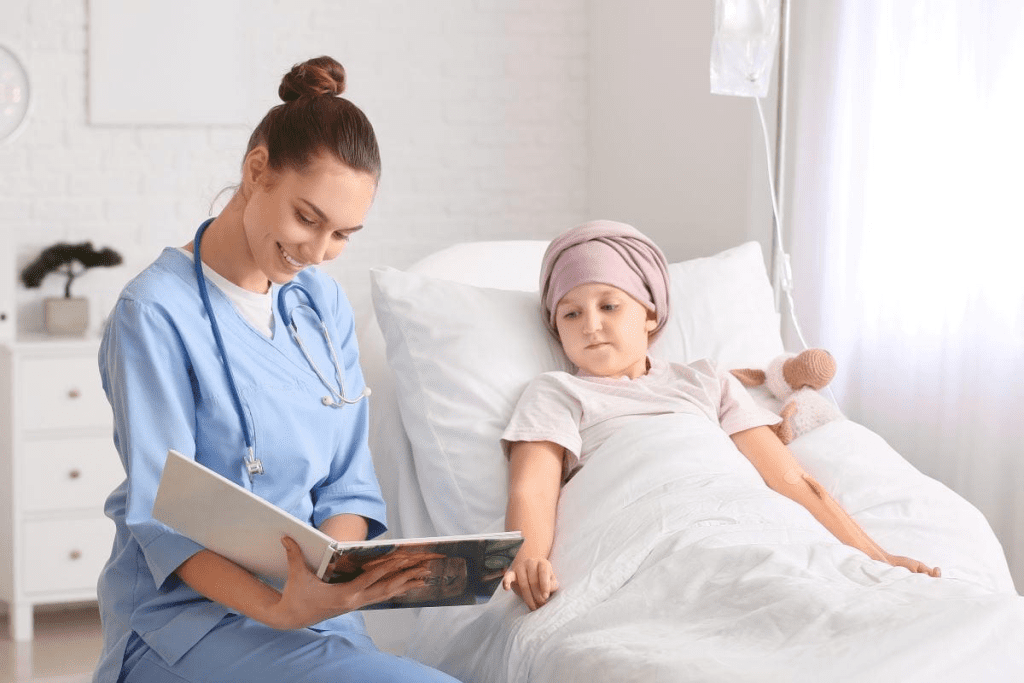
Types of Childhood Cancers and Their Prognosis
Childhood cancers are many different types, each with its own outlook and treatment. The most common are leukemia, brain tumours, and lymphoma. Knowing the specific type of cancer helps doctors find the best treatment.
The Emotional Impact on the Family Unit
When a child gets cancer, it deeply affects the whole family. It’s a scary and uncertain time. Families need lots of support, including emotional help, medical advice, and practical aid.
First Steps After Your Child’s Cancer Diagnosis
When a child is diagnosed with cancer, it’s a big moment for the family. It’s filled with shock and many feelings. But, it’s important to quickly get the support and resources needed.

Processing the Initial Shock
Getting the news of a child’s cancer can be very hard. It’s key to let yourself and your family feel and understand this news. Taking time to grasp the diagnosis helps in making good choices.
First, learn about your child’s cancer type and what it means for their future. Keeping a journal of notes and questions is a good idea. It helps you keep track and talk to your doctors better.
Assembling Your Medical Team
Building a strong medical team is very important. This team should include doctors, nurses, and others who know how to help your child. Talking well with your team helps you understand treatment options and make smart choices.
For more tips on supporting your child after a cancer diagnosis, check out Mayo Clinic’s Cancer Blog. It has useful advice and resources.
Organizing Information and Resources
Sorting out all the information and resources can feel overwhelming. Knowing about your health insurance and the costs of care is important. We help by connecting you with services that make navigating treatment easier.
- Keep track of medical appointments and treatment schedules.
- Understand your health insurance coverage and benefits.
- Seek financial assistance programs if needed.
By starting with these steps, you can handle the tough road ahead. Our team is here to offer the support and care your child needs during this tough time.
Communicating with Your Child About Their Cancer
Telling a child they have cancer is very hard for parents. It’s a mix of telling the truth and making them feel safe. This talk can really help they understand and deal with their situation.
Age-Appropriate Explanation Strategies
It’s key to explain cancer in a way that fits the child’s age. Young kids do best with simple, clear words about what will happen next. Older kids and teens can handle more details, showing them they’re growing up.
- For children under 5, use simple terms and focus on the immediate effects of treatment, such as hair loss.
- For children between 6 and 12, provide more detailed explanations about the cancer and its treatment, using examples they can understand.
- For teenagers, involve them in the decision-making process as much as possible and provide detailed information about their condition and treatment options.
Addressing Fears and Misconceptions
Children often worry and don’t understand cancer and treatment. It’s vital to make a safe space for them to ask questions. Honesty is key, but also mix it with reassurance and hope.
They might worry about pain, being alone, or dying. Talking about these fears and giving emotional support can help. It’s also important to clear up any wrong ideas they might have with the right information.
Balancing Honesty with Hope and Positivity
Being honest is important, but so is staying positive. Focusing on the good parts of treatment and the support they have keeps them hopeful. Letting them share their feelings and understanding them helps them feel secure and hopeful.
- Be honest about the diagnosis and treatment, but also be hopeful about the outcomes.
- Encourage your child to express their feelings and concerns.
- Validate their emotions, acknowledging that their feelings are normal.
By using these methods, parents can help their child face cancer’s challenges. This builds their strength and hope during treatment.
Supporting Siblings of a Kid with Cancer
Siblings of a child with cancer have special emotional needs. They might feel scared, jealous, and confused. It’s important for parents to support them during this tough time.
Recognizing Siblings’ Unique Emotional Needs
Siblings may feel left out or worry about their own health. Creating a safe space for them to share their feelings is key.
Some might act out or pull back, showing they need extra help. Listening and validating their emotions is important to make them feel heard and valued.
Preventing Sibling Neglect During Treatment
It’s a big challenge to avoid neglecting siblings during treatment. They might feel ignored. Keeping routines and spending quality time with each child helps.
- Regularly check in with siblings to talk about their feelings and experiences.
- Encourage them to do things they enjoy, even for a short time each day.
- Make sure they have access to resources and support tailored to their needs.
Age-Appropriate Ways to Involve Siblings
Getting siblings involved in care can make them feel less left out. The approach should match their age and understanding.
“Involving siblings in simple caregiving tasks or keeping them informed about their brother or sister’s condition can make them feel included and valued.”
Younger siblings can help with small tasks like giving hugs or picking a movie. Older siblings can take on more responsibilities or discuss their siblings’ care in more detail.
When Siblings Need Professional Support
Some siblings might need professional help to cope with their emotions. It’s important to recognize when they need extra support. Signs include persistent changes in behaviour, withdrawal, or overwhelming fear or anxiety.
Professional help can include counselling, therapy, or support groups for siblings of children with cancer. Providing access to these resources is vital for supporting them through this tough time.
Navigating Treatment Options and Medical Decisions
Dealing with childhood cancer treatment is complex. Families face many choices that can feel overwhelming. But knowing the treatment options is key to making good decisions.
Understanding Standard Treatment Protocols
Standard treatments for childhood cancer often include chemotherapy, surgery, and radiation. It’s important to know the details of your child’s treatment plan. This includes the possible side effects and what each treatment aims to do.
- Chemotherapy: Using drugs to kill cancer cells
- Surgery: Removing tumours or affected tissues
- Radiation Therapy: Using high-energy rays to target cancer cells
Grasping these protocols can help families feel more in charge and ready for what’s ahead.
Exploring Clinical Trials and Innovative Therapies
Clinical trials offer new treatments that might not be available yet. Deciding to join a clinical trial is a big choice. It’s important to talk about the pros and cons with your child’s healthcare team.
“Clinical trials are research studies that aim to improve the treatment of various diseases, including childhood cancer. They provide valuable information about new treatments and their effects.”
Consider if a clinical trial is right for your child.
Multidisciplinary Approaches to Childhood Cancer
A team of healthcare experts from different fields work together in a multidisciplinary approach. This team might include pediatric oncologists, surgeons, radiologists, nurses, and more.
This way, all parts of your child’s care are looked at, leading to better treatment plans.
Making Informed Decisions About Your Child’s Care
Understanding your child’s cancer diagnosis, treatment options, and possible outcomes is key. It’s important to ask questions and get second opinions when needed.
Also, think about your values and what you want for your child’s care.
Managing the Financial and Insurance Aspects
Dealing with the financial side of childhood cancer treatment is tough for families. The costs for care, like hospital stays and meds, add up fast.
Understanding Insurance Coverage for Pediatric Cancer
Knowing what your insurance covers is key. Most plans do cover cancer treatment, but how much can vary a lot.
Check your policy to see what’s covered and what you’ll have to pay out of pocket. Some insurance companies have case managers to help you get the care your child needs.
Financial Assistance Programs and Resources
There are many programs to help with the costs of childhood cancer. They can cover medical bills, travel, and more.
- Groups like the Children’s Cancer and Blood Foundation and the Pediatric Cancer Research Foundation offer financial help.
- Hospitals and cancer centers also have programs or social workers to help find resources.
Managing Work Responsibilities During Your Child’s Treatment
It’s hard to keep up with work when your child is sick. Parents often have to take time off for their child’s care and appointments.
Knowing your company’s leave policies and looking into the Family and Medical Leave Act (FMLA) can be a big help.
Long-term Financial Planning for Cancer Care
Planning for the future is important when dealing with childhood cancer. This includes thinking about your child’s ongoing medical needs and treatment effects.
Working with a financial advisor to make a detailed plan can prepare your family for the financial hurdles ahead.
Creating a Support Network for Your Family
Families facing childhood cancer find a big help in a strong support network. This network offers emotional, practical, and information support. It helps them get through the tough times of cancer treatment.
Family and Close Friends as Support Systems
Family and close friends are usually the first to help. They give emotional support, help with daily tasks, and offer a break. It’s key to tell them what you need so they can help best.
Tips for leveraging family and friends:
- Be specific about your needs, such as meal preparation or childcare.
- Create a schedule for visits or help to avoid overwhelming your child.
- Keep them updated on your child’s condition to maintain their engagement.
Connecting with Other Parents of Children with Cancer
Talking to other parents going through the same thing is very helpful. They share understanding, advice, and support specific to childhood cancer.
Ways to connect with other parents:
- Join support groups at your hospital or cancer organization.
- Participate in online forums and social media groups dedicated to childhood cancer.
- Attend family events or camps organized for families dealing with cancer.
Professional Support Services and Organizations
Professional services like counselling and advocacy are key for families facing childhood cancer. Organizations focused on childhood cancer offer lots of information and support.
Online Communities and Resources
Online communities and resources are vital for families with childhood cancer. They let families connect, find information, and get support anytime.
Popular online resources include:
- Online forums and discussion boards.
- Social media groups and pages dedicated to childhood cancer.
- Websites and blogs provide information and personal stories.
By using these parts of a support network, families can build a strong system. This system helps them deal with the tough parts of childhood cancer.
Maintaining Some Normalcy During Cancer Treatment
When a child gets cancer, keeping things normal is key. Families need to adjust to the new situation but keep some normalcy. We can do this by tweaking daily routines, supporting education, and finding joy in tough times.
Adapting Daily Routines and Activities
Changing daily routines can bring stability to kids with cancer. Simple things like regular meals, hobbies, and time with loved ones can comfort them. Here’s what we recommend:
- Stick to regular sleep times as much as you can
- Encourage favourite activities, even if they need to be adjusted
- Make a treatment calendar to help them understand their schedule
These small changes can really help kids deal with their treatment.
Supporting Your Child’s Education During Treatment
Keeping up with school is important for kids with cancer. It keeps them connected to their normal life and boosts their mood. Here’s how to help:
- Work with the school to create a home education plan
- Use online learning tools and apps to keep up with schoolwork
- Encourage them to keep studying, even if it’s just a little each day
This way, we can lessen the treatment’s effect on their education and keep them motivated.
Creating Positive Experiences Despite Cancer
It’s important to create happy moments for kids with cancer. It helps them focus on the good and stay positive. Here’s how to do it:
- Plan fun activities that fit their condition
- Help them stay connected with friends and family
- Celebrate their small wins and milestones
Celebrating Milestones and Treatment Victories
Celebrating big moments, like finishing a treatment cycle, is key. It shows the child’s progress and strength. We suggest marking these with special activities or rituals to make them feel proud.
Self-Care Strategies for Parents of a Child with Cancer
Parents of children with cancer often forget to take care of themselves. Self-care is key for their well-being and to care for their child. The journey through cancer treatment is tough, both emotionally and physically. It’s important for parents to focus on their health.
Recognizing Caregiver Burnout and Compassion Fatigue
Caregiver burnout and compassion fatigue are big risks for parents of children with cancer. Burnout can cause emotional exhaustion, less empathy, and a harder time caring for their child. It’s important to spot the signs early, like constant tiredness, mood swings, and avoiding social events.
- Chronic fatigue and sleep disturbances
- Increased irritability and mood swings
- Withdrawal from social interactions and activities
- Reduced ability to enjoy activities once found pleasurable
Practical Self-Care Techniques for Busy Parents
Finding time for self-care can be hard, but there are simple ways to do it:
- Mindfulness and meditation: Even a few minutes a day can reduce stress and improve mental clarity.
- Physical activity: Regular exercise, such as walking or yoga, can boost mood and energy levels.
- Social support: Connecting with friends, family, or support groups can provide emotional relief.
- Hobbies and interests: Engaging in activities they enjoy can help parents maintain a sense of identity beyond their caregiving role.
Maintaining Your Relationship with Your Partner
The stress of caring for a child with cancer can affect the relationship between parents. Communicating openly about their needs, feelings, and challenges can help maintain a strong bond. Scheduling regular time together, even if it’s just a walk or a meal, can also strengthen their relationship.
When to Seek Professional Mental Health Support
Parents need to know when they need professional help. Signs that indicate the need for mental health support include:
- Persistent feelings of sadness, hopelessness, or anxiety
- Difficulty managing daily tasks or caring for their child
- Strained relationships with family members or friends
Seeking support from a mental health professional can provide parents with the tools and strategies needed to manage their emotional well-being during this challenging time.
Conclusion: Finding Strength and Hope in the Journey
Dealing with a child’s cancer diagnosis is tough. It needs a mix of medical care, emotional support, and practical tips. At LivHospital, we aim to offer top-notch healthcare and support to families facing this tough time.
Finding strength and hope is key for families to handle the diagnosis and treatment of childhood cancer. A strong medical team, a support network, and keeping some normalcy during treatment help families stay strong. They can then face the challenges ahead with courage.
We know every family’s journey is different. We’re committed to giving personalized care and support. Together, we can help families find hope and navigate the complex world of childhood cancer treatment with confidence and resilience.
FAQ’s:
What are the most common types of childhood cancer?
Childhood cancer often includes leukemia, brain tumours, and lymphoma. Knowing the exact type is key to finding the right treatment.
How can I communicate effectively with my child about their cancer diagnosis?
Talking to your child about cancer needs care and the right words. Be honest but also keep hope alive. Answer their fears and clear up any wrong ideas.
What support is available for siblings of a child with cancer?
Siblings of kids with cancer need special care. Get them involved in care, listen to their feelings, and seek help if needed. This helps avoid neglect.
How do I navigate treatment options for my child’s cancer?
Choosing treatments means knowing standard options, looking at clinical trials, and using a team approach. We help families make informed choices by giving them the facts and support they need.
What financial assistance is available for families dealing with childhood cancer?
Families facing cancer can find financial help, understand insurance, and handle work during treatment. We guide them on managing the financial side of cancer care.
How can I maintain some normalcy during my child’s cancer treatment?
Keeping things normal means adjusting daily life, supporting school, making happy moments, and celebrating big wins. We share ways to balance this.
What self-care strategies are available for parents of a child with cancer?
Taking care of yourself is vital when caring for a sick child. We talk about self-care, share useful tips, and stress the importance of keeping relationships strong and seeking mental health help when needed.
How can I cope with the emotional impact of my child’s cancer diagnosis on our family?
Dealing with a cancer diagnosis needs a full approach, including medical care, emotional support, and practical tips. We aim to offer complete support to families going through this tough time.
What resources are available for parents whose child is diagnosed with a brain tumour?
For parents of kids with brain tumours, we offer a team of specialists and support services. This helps them understand and manage the diagnosis and treatment.
How can I support my grown child who has been diagnosed with cancer?
Supporting a grown child with cancer means being there emotionally, helping with care, and finding medical resources and info for them.
What should I do if I were diagnosed with cancer and have a young child?
If you have cancer and a young child, build a support network, talk openly with your child, and get professional advice on managing your care and family duties.
How can families manage the stress of having a child with cancer?
Dealing with stress from a child’s cancer means building a support network, taking care of yourself, and getting help from professionals. This helps with the emotional and practical challenges.
References
- Hildenbrand, A. K., et al. (2014). A mixed methods assessment of coping with pediatric cancer. Journal of Psychosocial Oncology, 32(4), 400-422.https://www.ncbi.nlm.nih.gov/pmc/articles/PMC3929263/
- Marrakchi, A., et al. (2024). Psychological distress and coping strategies in parents of children undergoing cancer treatment. Chronic Illness.https://www.ncbi.nlm.nih.gov/pmc/articles/PMC11538981/



 Departments
 Related Videos
 Our Doctors
 News
News