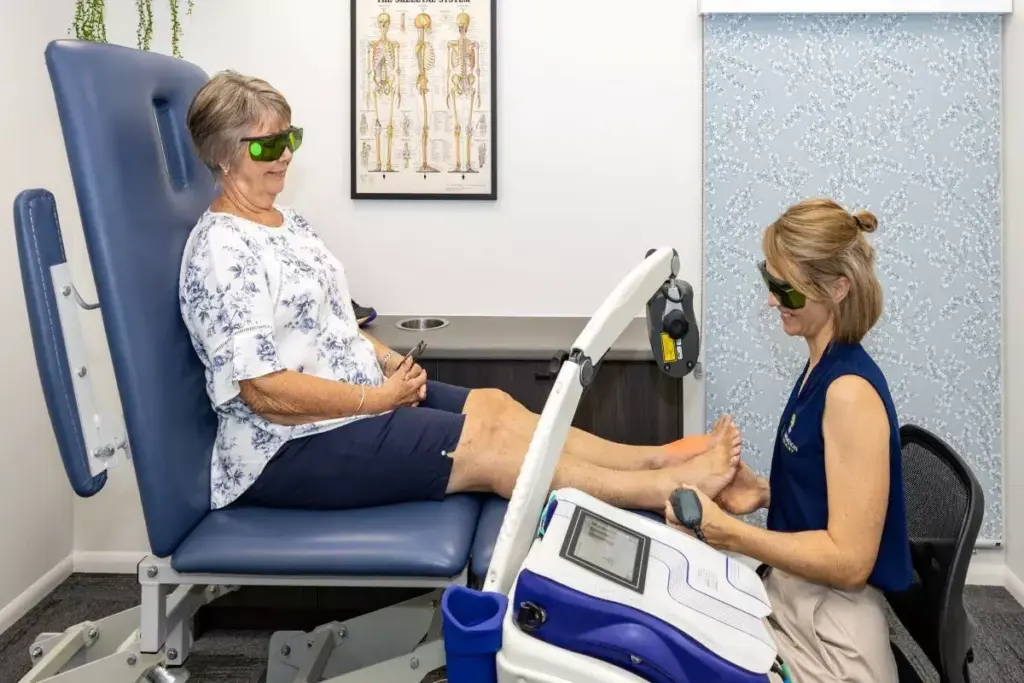
Plantar fasciitis is a common problem that affects millions. It causes a lot of pain and discomfort. If you feel sharp pain in your heel, it gets worse when you first stand up or after standing for a long time, you’re not alone.
This condition can really affect your daily life. It makes simple things hard to do because of the pain.
There are many ways to treat this condition. You can try things at home or see a podiatrist. Our guide will tell you what plantar fasciitis is, its symptoms, and how to get better. We’ll show you the best ways to treat it.
Key Takeaways
- Understanding the causes and symptoms of plantar fasciitis.
- Exploring evidence-based treatment options for fast relief.
- Learning about conservative therapies and medical interventions.
- Discovering at-home remedies and professional treatments.
- Creating a personalized recovery plan.
Understanding Plantar Fasciitis: Causes and Symptoms

Plantar fasciitis is a condition that causes sharp pain in the heel. It happens when the plantar fascia, a band of tissue, gets irritated. This tissue supports the arch of the foot. The pain is worse when you first get up or after resting for a while.
Causes of Plantar Fasciitis
Many things can lead to plantar fasciitis. Activities like long-distance running or standing on hard surfaces for a long time can cause it. Wearing shoes without good arch support also puts stress on the plantar fascia.
Foot mechanics also play a big role. People with flat feet or high arches may put more stress on the plantar fascia. Limited flexibility in the calf muscles and Achilles tendon can also cause the plantar fascia to become inflamed.
| Cause | Description | Impact on Plantar Fascia |
| Overuse | Repetitive stress from activities like running or standing | Increased strain and possible inflammation |
| Poor Foot Mechanics | Flat feet or high arches affecting foot biomechanics | Abnormal stress distribution |
| Inadequate Footwear | Lack of arch support or cushioning | Additional strain on the plantar fascia |
Identifying Symptoms and Diagnosis
The main symptom of plantar fasciitis is sharp heel pain. This pain is usually worse when you first get up or after resting. Doctors diagnose it by looking at your medical history and doing a physical exam. They might also use imaging tests to check for other causes of heel pain.
Why Conventional Treatments Take 6+ Weeks
Treatments for plantar fasciitis include rest, ice, stretching, and changing your shoes. These treatments take time to work because they help reduce inflammation and heal the plantar fascia. It can take six weeks or more because healing is a slow process. You need to stick to the treatment plan consistently.
Immediate Relief Strategies for Heel Pain

Heel pain from plantar fasciitis can be really tough. But, there are ways to get quick relief. The first step is to stop doing things that make the pain worse.
First 72 Hours: Rest, Ice, and Compression Protocol
In the first 72 hours, a rest, ice, and compression plan can help a lot. Rest means avoiding activities that hurt your heel. Ice helps lower swelling and dulls the pain. Putting ice packs on for 15-20 minutes a few times a day works well.
Doctors say cold therapy is a simple but effective way to manage pain and swelling.
| Treatment | Description | Benefits |
| Rest | Avoid activities that aggravate heel pain | Reduces further irritation |
| Ice | Apply ice packs for 15-20 minutes, several times a day | Reduces inflammation and pain |
| Compression | Use compression bandages or sleeves | Provides support and reduces swelling |
Morning and Evening Stretching Routine
Having a regular stretching and strengthening program is key for long-term healing and preventing plantar fasciitis. Doing stretches in the morning and evening can help loosen up the plantar fascia.
- Toe stretches: Stand with your feet shoulder-width apart and lean forward, stretching your toes.
- Calf stretches: Stand facing a wall with one hand on the wall for balance. Step back with one foot, keeping your heel on the ground, and bend the front knee.
Effective Pain Management Options
For pain and swelling, nonsteroidal anti-inflammatory drugs (NSAIDs) like ibuprofen or naproxen can help. Always follow the dosage and talk to a doctor before starting any medicine.
By using these quick relief strategies every day, you can lessen heel pain from plantar fasciitis and speed up your healing.
Plantar Fascia Healing: Accelerating Your Recovery
Recovering from plantar fasciitis needs the right shoes, exercises, and sometimes more. We know healing this condition means fixing symptoms and the root causes. This helps avoid future problems and keeps your feet healthy for a long time.
Supportive Footwear and Custom Orthotics
Wearing supportive footwear is key to healing the plantar fascia. Shoes with strong arch support and padding help ease pain and aid in recovery. Custom orthotics also offer tailored support, easing pressure on the fascia.
- Choose shoes that fit well and have good arch support.
- Get custom orthotics for unique foot needs.
- Avoid bare feet and flat shoes.
Physical Therapy and Strengthening Exercises
Physical therapy is essential for treating plantar fasciitis. A therapist can create exercises to strengthen your foot and ankle. This improves flexibility and lessens pain. Strengthening exercises help support the arch and lessen strain on the fascia.
- Do calf raises to strengthen arch support muscles.
- Stretch your toes to boost flexibility.
- Use a tennis ball to massage the fascia and ease tension.
Advanced Treatment Options for Persistent Cases
For severe cases, advanced treatment options might be needed. These include corticosteroid shots to reduce swelling, shockwave therapy to boost healing, or surgery in extreme cases.
- Corticosteroid injections help with severe swelling.
- Shockwave therapy can kickstart healing.
- Surgery might be needed for cases that don’t get better with other treatments.
By using supportive shoes, physical therapy, and advanced treatments when needed, we can speed up healing. This helps you get back to your activities with less pain and better foot health.
Conclusion: Preventing Recurrence and Maintaining Foot Health
To prevent plantar fasciitis from coming back, you need to take care of your feet every day. Start with a stretching routine and wear shoes that support your feet. Keeping a healthy weight also helps by not putting too much pressure on your plantar fascia.
Choose shoes that are comfy and have good arch support. Simple exercises can make your feet and ankles stronger. This helps your plantar fascia too. Don’t forget to replace old shoes and see a podiatrist regularly.
For more tips, check out Medical Expert’s guide on plantar fasciitis. It has great advice on how to treat it. Being proactive about your foot health can keep problems away. With the right steps, you can fix plantar fascia issues and stay healthy.
FAQ
What is plantar fasciitis?
What causes plantar fasciitis to flare up?
How do you cure plantar fasciitis fast?
What is the best treatment for plantar fasciitis?
Can you get rid of plantar fasciitis?
How can I prevent plantar fasciitis from returning?
What are the symptoms of plantar fasciitis?
Is plantar fasciitis a chronic condition?
Can plantar fasciitis be treated without surgery?
References:
National Center for Biotechnology Information. Evidence-Based Medical Insight. Retrieved from https://pubmed.ncbi.nlm.nih.gov/18272789/