Proper burn wound debridement is key for patient survival and recovery. Recent studies show early treatment boosts healing for second-degree burns.
Healthcare workers face big challenges in caring for burn patients. Our guide offers proven methods for debridement for burns. It uses the latest research and guidelines to help improve care.
At Liv Hospital, we aim to provide top-notch healthcare. We support international patients with detailed care. Our guide shows the essential steps for healing and avoiding infections.
Key Takeaways
- Early debridement enhances healing outcomes for second-degree burns.
- Proper wound debridement reduces the risk of infection and pain.
- Our guide provides a step-by-step approach to burn debridement.
- Liv Hospital’s expertise supports international patients with complete care.
- Evidence-based approaches ensure better patient results.
Understanding Second-Degree Burns and Debridement
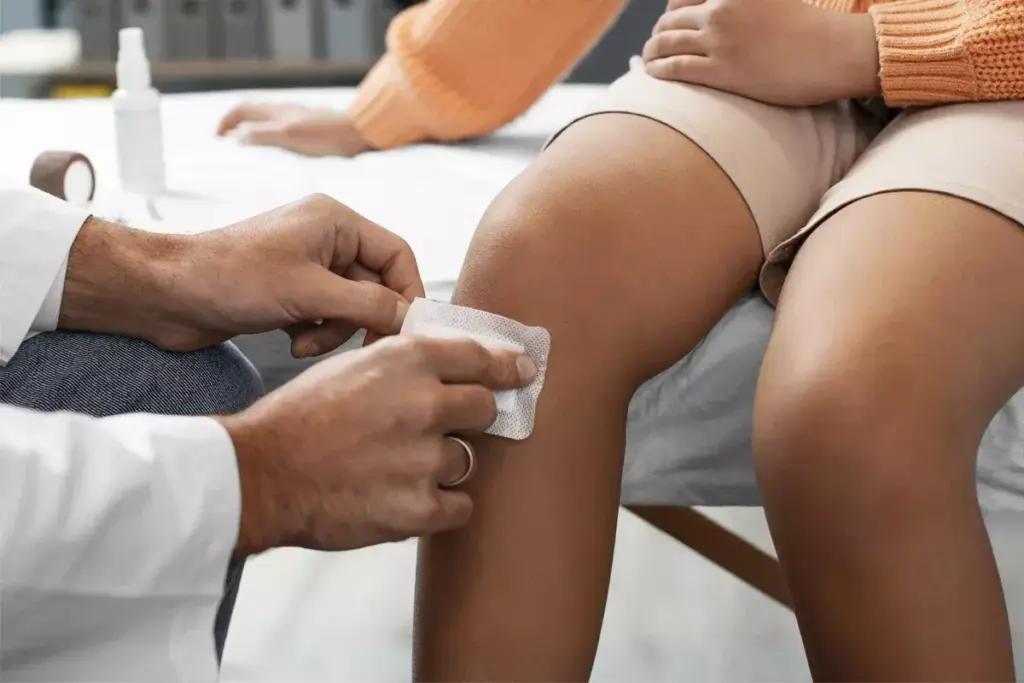
Second-degree burns, or partial-thickness burns, damage both the outer skin layer and the layer beneath. They need quick and effective treatment to avoid serious harm.
Characteristics of Partial-Thickness Burns
These burns go deep into the skin, causing blisters, redness, and swelling. Their severity can vary. Quick debridement is key to stop infections and help healing.
The signs of partial-thickness burns include:
- Blistering and peeling of the skin
- Redness and swelling around the affected area
- Pain that can be severe due to nerve damage
- Potential for scarring, depending on the depth and severity of the burn
The Critical Importance of Timely Debridement
Debridement is vital for second-degree burns. It removes dead tissue, preventing infection and helping healing. Studies show early debridement, within 24 hours, greatly improves healing.
A study found that early debridement led to 75% epithelialization of burn wounds by day 7. This shows how urgent action is.
Statistical Impact of Burn Injuries in the United States
Burn injuries are a big challenge in the U.S. In 2015, about 500,000 burn victims were seen each year. Around 40,000 were hospitalized for burn injuries. The cost to treat these injuries was over $7.9 billion.
The numbers highlight the need to understand second-degree burns and debridement. Quick and effective debridement can greatly improve patient care and lower costs.
Preparing for 2nd Degree Burn Debridement
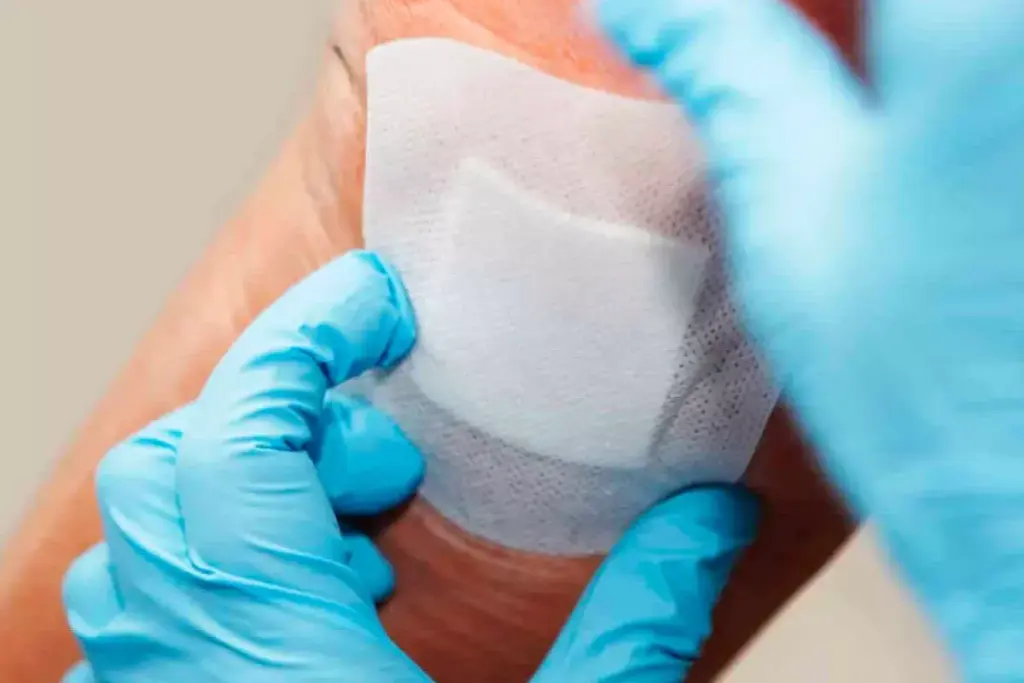
Getting ready for second-degree burn debridement is key. It’s all about setting up for success. Healthcare providers must follow important steps to help patients heal well.
Assessing Burn Depth and Severity
First, we check how deep and severe the burn is. This tells us how much tissue is damaged. It also helps us pick the right debridement method.
We use both clinical checks and tools to figure out the burn’s depth. Burns can be superficial or deep partial-thickness. Knowing this helps us decide how urgent and what kind of debridement is needed.
Required Materials and Equipment
Having the right tools is essential for debridement. The tools needed depend on the method chosen. Here are some common ones:
- Surgical instruments for excisional debridement
- Enzymatic debridement agents
- Dressings for autolytic debridement
- Hydrosurgery equipment for precise debridement
| Debridement Method | Required Materials/Equipment |
| Surgical Excision | Surgical instruments, anesthesia |
| Enzymatic Debridement | Enzymatic agents, dressings |
| Autolytic Debridement | Occlusive dressings, moisture-retentive dressings |
| Hydrosurgery | Hydrosurgery system, saline solution |
Pain Management Protocols
Managing pain well is important during debridement. We use different pain management plans to keep patients comfortable. These include:
- Topical anesthetics
- Oral pain medications
- Conscious sedation
The right pain plan depends on the patient’s health, the burn’s size, and the debridement method.
When to Seek Professional Medical Assistance
Knowing when to get medical help is important. Signs that mean you need a doctor include:
- Increased pain or signs of infection
- Delayed healing
- Uncertainty about the severity of the burn
Getting medical help quickly can avoid problems and help patients with second-degree burns heal better.
Step-by-Step 2nd Degree Burn Debridement Techniques
Dealing with second-degree burns involves several steps. Each step is chosen based on the wound’s needs. Removing dead tissue is key to healing, as it fights off infections and aids in recovery.
Surgical Excision Method
Surgical excision is a common method for debridement, used for larger or deeper burns. It removes dead tissue under anesthesia to lessen pain. Surgical excision immediately removes dead tissue, reducing infection risk and creating a clean healing environment.
The steps for surgical excision are:
- Preparation of the wound area
- Administration of anesthesia
- Surgical removal of dead tissue
- Application of a dressing to promote healing
Enzymatic Debridement According to 2024 Guidelines
Enzymatic debridement uses enzymes to break down dead tissue. The 2024 guidelines suggest using collagenase, bromelain, or papain. These enzymes help remove dead tissue, making it easier for wounds to heal.
| Enzyme | Function | Application |
| Collagenase | Breaks down collagen in dead tissue | Topical application |
| Bromelain | Digests necrotic tissue | Topical application |
| Papain | Breaks down dead tissue | Topical application after wound depth stabilizes |
Autolytic Debridement Process
Autolytic debridement uses the body’s healing processes to break down dead tissue. It involves using dressings like hydrogels or hydrocolloids to create a moist environment. This helps the body’s enzymes dissolve dead tissue.
Autolytic debridement has several benefits:
- Selective removal of necrotic tissue
- Minimally invasive
- Promotes a moist wound environment conducive to healing
Hydrosurgery Systems for Precise Debridement
Hydrosurgery systems use a high-pressure jet of saline to remove dead tissue. This method is precise and ideal for delicate areas or complex wounds. Hydrosurgery systems are perfect for areas that need careful debridement.
Conclusion: Post-Debridement Wound Care
Good care after debridement is key for healing and avoiding infections from burns. We stress the need for right wound care methods. This includes using fine mesh gauze with topical antimicrobial agents for a moist, non-sticky dressing.
After burn debridement, the team will pick the best treatment. This might include skin grafts to help healing. Debriding a burn is vital, but caring for the wound after is just as important to avoid problems.
By sticking to the right debridement and post-care steps, we can lower infection risks and help wounds heal better. This means using the right dressings and managing pain well.
We suggest teaming up with a healthcare provider to create a detailed wound care plan. This ensures the best results for patients going through burn debridement.
FAQ:
What is debridement, and why is it necessary for second-degree burns?
Debridement is the process of removing dead tissue and debris from a wound. It’s key for second-degree burns because it helps the wound heal, prevents infection, and lowers the chance of complications. We highly recommend debridement as a vital step in treating burns.
How do I assess the depth and severity of a second-degree burn?
To check the depth and severity of a second-degree burn, look at its size, location, and how it appears. Check for blisters, swelling, and color changes. For an accurate assessment and treatment plan, it’s best to get professional medical advice.
What are the different debridement techniques for second-degree burns?
There are several ways to do debridement, like surgical excision, enzymatic debridement, autolytic debridement, and hydrosurgery systems. We’ll help choose the best method based on the wound and the patient’s health.
How is pain managed during the debridement process?
Managing pain during debridement is very important. We use topical anesthetics, oral pain meds, and conscious sedation to keep the patient comfortable and reduce pain.
What are the benefits of early debridement for second-degree burns?
Early debridement helps wounds heal faster, lowers infection risk, and reduces scarring. We recommend doing debridement as soon as possible after the burn to get the best results.
How do I care for a second-degree burn after debridement?
After debridement, wound care is essential. Keep the wound clean, apply creams or dressings, and watch for infection signs. We guide you on wound care and schedule follow-up visits for a smooth recovery.
When should I seek professional medical help for a second-degree burn?
If you see signs of infection like more redness, swelling, or pus, or if the burn is big, deep, or on sensitive areas, get medical help right away.
What is the role of skin grafting in burn care?
Skin grafting is a surgery that transplants healthy skin to cover burns. It helps wounds heal, reduces scarring, and improves outcomes for severe burns. We use it to help patients recover better.
Can I perform debridement at home, or do I need to seek medical help?
While minor burns might be treated at home, second-degree burns need professional care. They require proper assessment and treatment to avoid complications.
REFERENCES:
National Center for Biotechnology Information. Evidence-Based Medical Guidance. Retrieved from https://www.ncbi.nlm.nih.gov/pmc/articles/PMC10858447/[2