Cancer is a big health problem worldwide, with millions getting sick every year. People are always looking for better cancer treatments. They want to find ways to fight this disease more effectively.
Many ask, “how to destroy cancer cells? Treatments like chemotherapy, radiation, immunotherapy, and targeted drugs are designed to kill or control them.
Finding a cure for cancer is a tough task. It involves many treatments and therapies. This article will look at the latest in cancer treatment and new ideas being explored.
Key Takeaways
- Understanding cancer cell biology is key to good treatment.
- New discoveries in medicine offer hope for cancer patients.
- Many cancer treatments are being worked on and improved.
- The search for a cure goes on with ongoing research.
- New therapies could be big changes in fighting cancer.
Understanding Cancer Cell Biology
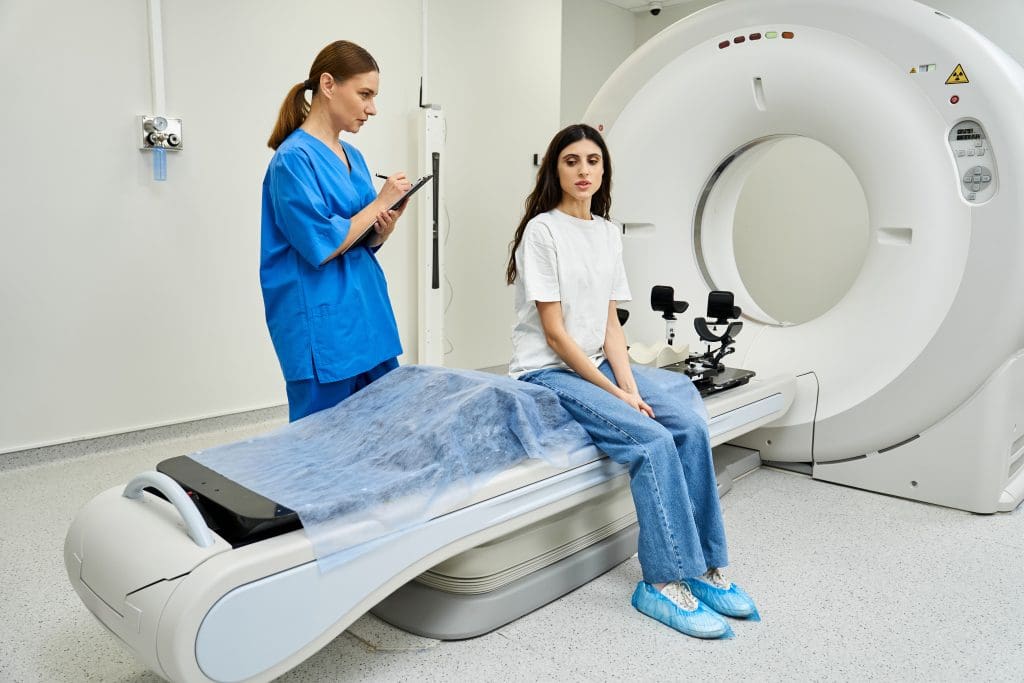
Cancer cells grow out of control and avoid the immune system. To find good treatments, we must know how they work.
What Makes Cancer Cells Different
Cancer cells are different from normal cells. They grow too much because of genetic changes. They also change how they use energy, helping them survive in tough conditions.
These changes affect not just the cells but also the tissue around them and the immune system. Knowing these differences helps us make treatments that only harm cancer cells.
The Process of Carcinogenesis
Carcinogenesis is when normal cells turn into cancer cells. This process involves changes in genes and how genes are used. Genetic mutations can come from family history or environmental factors like UV rays or chemicals.
The process has three stages: initiation, promotion, and progression. Initiation is when the first genetic changes happen. Promotion lets these cells grow more. Progression makes the tumor grow and spread.
How Cancer Cells Evade Destruction
Cancer cells find ways to avoid the immune system. They use upregulation of checkpoint molecules like PD-L1 to stop immune cells. They also create an immunosuppressive tumor microenvironment to block immune attacks.
Understanding how cancer cells avoid the immune system is key to making better treatments. By using the immune system, we hope to find treatments that are more effective and safer.
Conventional Cancer Treatments
The main ways to treat cancer include surgery, radiation therapy, and chemotherapy. These methods have been key in fighting cancer for years. Each treatment has its own use based on the cancer type and stage.
Surgery is often the first choice for many cancers. It works best when the cancer is in one place and can be removed completely. But, it’s not always possible for cancers that have spread or are hard to reach.
Physical Removal of Tumors
Surgery aims to take out the main tumor and sometimes nearby tissue and lymph nodes. The goal is to get rid of all cancer cells. This can be tough if the cancer has grown into nearby areas. New surgical methods, like minimally invasive surgery, help patients recover faster.
Targeting Cancer Cells with Radiation
Radiation therapy kills or damages cancer cells with high-energy particles or waves. It breaks the DNA of cancer cells, stopping them from growing. Radiation can be given from outside or inside the body, depending on the cancer’s location and type.
Most people get external beam radiation therapy from a machine outside their body. Internal radiation, or brachytherapy, places radioactive material close to the tumor inside the body.
Systemic Treatment with Chemotherapy
Chemotherapy uses drugs to kill cancer cells all over the body. It’s great for cancers that have spread or are likely to spread. Chemotherapy can be taken by mouth or through an IV, depending on the drug.
Chemotherapy is effective but can cause serious side effects. This is because it affects fast-growing cells, like hair follicles and the digestive tract lining. Managing these side effects is a big part of chemotherapy care.
In summary, surgery, radiation therapy, and chemotherapy are the main cancer treatments. Knowing how each works and its limits is key to making good treatment plans.
Targeted Therapy: Precision Medicine
Targeted therapy has changed cancer treatment, making it more precise. It focuses on cancer cells, unlike old treatments that harm both cancer and healthy cells. This new method targets specific molecules that help cancer grow.
Molecular Targeting Mechanisms
Targeted therapy finds and attacks specific ways cancer cells grow and live. It uses the unique genetic and molecular traits of a patient’s cancer to pick the best treatment.
Key mechanisms include:
- Blocking signals that promote cancer cell growth
- Inhibiting angiogenesis, the formation of new blood vessels that supply the tumor
- Triggering apoptosis, or programmed cell death, in cancer cells
- Delivering cytotoxic agents directly to cancer cells
Tyrosine Kinase Inhibitors
Tyrosine kinase inhibitors (TKIs) block enzymes called tyrosine kinases. These enzymes activate proteins in cancer cells. TKIs treat cancers like chronic myeloid leukemia (CML) and non-small cell lung cancer (NSCLC).
Examples of TKIs include:
- Imatinib (Gleevec)
- Erlotinib (Tarceva)
- Afatinib (Gilotrif)
Monoclonal Antibodies
Monoclonal antibodies target specific proteins on cancer cells. They mark these cells for destruction by the immune system or stop their growth.
Examples include:
- Rituximab (Rituxan), used in treating non-Hodgkin lymphoma
- Trastuzumab (Herceptin), used in HER2-positive breast cancer
- Bevacizumab (Avastin), which targets VEGF to inhibit angiogenesis
Research is also looking into SIRPα inhibitors as a new targeted therapy. They aim to boost anti-tumor immunity.
Immunotherapy: Harnessing the Body’s Defenses
Immunotherapy uses the body’s immune system to fight cancer. It makes the body’s defenses stronger to attack cancer cells better.
Checkpoint Inhibitors
Checkpoint inhibitors help the immune system fight cancer. They block proteins that stop immune cells from attacking cancer. Drugs like pembrolizumab and nivolumab are helping treat cancers like melanoma and lung cancer.
CAR T-Cell Therapy
CAR T-cell therapy takes T cells from a patient, changes them to find cancer, and puts them back. This personalized treatment is showing great results for some blood cancers.
Cancer Vaccines and Oncolytic Viruses
Cancer vaccines help the immune system fight cancer cells. They are not like regular vaccines but are used to treat cancer. Oncolytic viruses also target and kill cancer cells, boosting the immune response.
Immunotherapy offers new ways to fight cancer with the body’s immune system. It gives hope to patients and.
Hormone Therapy for Hormone-Sensitive Cancers
Hormone therapy is key in treating hormone-sensitive cancers like some breast and prostate cancers. It works by lowering hormone levels or blocking their effects on cancer cells.
Breast Cancer Hormone Treatments
In breast cancer, hormone therapy is used for cancers that grow because of hormones like estrogen or progesterone. Treatments include:
- Selective Estrogen Receptor Modulators (SERMs): Drugs like tamoxifen that block estrogen receptors on cancer cells.
- Aromatase Inhibitors (AIs): Medications that lower estrogen levels in the body, used mainly in postmenopausal women.
A study in the Journal of Oncology shows hormone therapy has greatly improved survival rates for hormone receptor-positive breast cancer patients.
Prostate Cancer Hormone Approaches
For prostate cancer, hormone therapy aims to lower male hormones like testosterone. These hormones can help prostate cancer cells grow. Approaches include:
- Orchiectomy: Surgical removal of the testicles to reduce testosterone production.
- Luteinizing Hormone-Releasing Hormone (LHRH) Agonists and Antagonists: Medications that decrease testosterone production.
| Treatment | Mechanism | Common Use |
| Orchiectomy | Surgical removal of testicles | Advanced Prostate Cancer |
| LHRH Agonists | Reduce testosterone production | Localized and Advanced Prostate Cancer |
Endocrine Therapy Side Effects Management
Hormone therapy can cause side effects like hot flashes, osteoporosis, and changes in libido. It’s important to manage these side effects to keep patients’ quality of life good.
Managing side effects can include lifestyle changes and medications. This helps patients live better with hormone therapy.
Understanding hormone therapy’s role in treating hormone-sensitive cancers and managing side effects is key. Healthcare providers can then offer personalized care that improves patient outcomes.
Stem Cell Transplantation and Cellular Therapies
Stem cell transplantation and cellular therapies are changing how we treat cancer. This section will look at stem cell transplantation. We’ll cover the types of transplants, the conditions they treat, and new ways to use cells.
Autologous vs. Allogeneic Transplants
There are two main types of stem cell transplants: autologous and allogeneic. Autologous transplants use the patient’s own stem cells. These cells are collected, stored, and then given back after treatments. This method lowers the risk of graft-versus-host disease (GVHD).
Allogeneic transplants use stem cells from a donor. This method can fight cancer but also risks GVHD. The choice between these transplants depends on the cancer type, the patient’s health, and if a donor is available.
Conditions Treated with Stem Cell Therapy
Stem cell transplantation helps treat many cancers, including:
- Multiple myeloma
- Leukemia
- Lymphoma
- Other hematologic malignancies
Stem cell therapy has shown great results in these conditions. It offers hope to those who haven’t seen success with other treatments.
Novel Cellular Approaches
New cellular therapies are being explored. These include:
| Therapy Type | Description | Potential Benefits |
| CAR T-cell therapy | Involves genetically modifying T-cells to recognize cancer cells | High specificity and the chance for lasting responses |
| Tumor-infiltrating lymphocytes (TILs) | Expansion and infusion of T-cells found within tumors | Can lead to significant responses in advanced cancers |
These new approaches are opening up new ways to fight cancer. They offer hope to those with few options.
“The development of stem cell transplantation and cellular therapies represents a significant advancement in cancer treatment, providing new hope for patients and challenging traditional therapeutic paradigms.”
Emerging Technologies in Cancer Treatment
The world of cancer treatment is changing fast with new technologies. These new tools are making old treatments better and opening up new ways to fight cancer.
Nanotechnology Applications
Nanotechnology is getting a lot of attention for fighting cancer. It lets scientists make tiny particles that only hit cancer cells, not healthy ones. For example, gold nanostars are being tested to kill cancer cells with heat from light.
- Targeted drug delivery
- Enhanced imaging techniques
- Improved photothermal therapy
CRISPR and Gene Editing
CRISPR-Cas9 gene editing is changing genetics and helping fight cancer. It lets scientists fix genes that cause cancer or boost the immune system against cancer. This could lead to new, better treatments with fewer side effects.
Key applications of CRISPR in cancer treatment include:
- Disrupting genes that drive cancer growth
- Enhancing the immune system’s ability to recognize and attack cancer cells
- Developing cancer models for research and drug testing
Artificial Intelligence in Treatment Planning
Artificial intelligence (AI) is being used to plan cancer treatments better. AI looks at lots of data, like medical images and genetic info, to help choose the best treatments.
Liquid Biopsies for Treatment Monitoring
Liquid biopsies are a new way to check how well treatments are working. They look at DNA in the blood to see if cancer is responding to treatment. This method is easy and can help adjust treatments as needed.
These new technologies are bringing big changes to fighting cancer. They offer hope for better treatments and a better life for cancer patients.
How to Cure Cancer: Integrative Approaches
The search for a cancer cure is now looking at integrative methods. These methods mix conventional and complementary therapies. They see cancer as a complex disease needing a full treatment plan.
Integrative cancer treatment uses traditional medical treatments like surgery and chemotherapy. It also adds acupuncture, mindfulness, nutrition counseling, and mind-body therapies. These can help manage symptoms, improve life quality, and boost treatment results.
Combining Conventional and Complementary Therapies
Using both traditional and complementary therapies offers a holistic cancer treatment. Integrative oncology programs are starting in many cancer centers. They give patients access to various complementary therapies with their regular treatment.
Research shows some complementary therapies can improve patient outcomes. For example, mindfulness and meditation can lower stress and anxiety. Acupuncture can also reduce pain and nausea.
Personalized Treatment Plans
Personalized treatment plans are key in integrative cancer care. They consider each patient’s cancer and their needs. This way, healthcare providers can create targeted strategies that work better.
Personalized medicine uses advanced tests like genomic profiling to find cancer’s genetic mutations. This info helps create a treatment plan that fits each patient. It includes both conventional and complementary therapies.
Multidisciplinary Cancer Care Teams
Multidisciplinary cancer care teams are vital for integrative care. They include from various fields like oncology and surgery. They also include experts in complementary therapies.
These teams work together to give patients care that meets their physical, emotional, and spiritual needs. This approach can lead to better outcomes, a higher quality of life, and possibly a successful cancer treatment.
Nutritional Strategies to Support Cancer Treatment
A well-planned nutritional strategy is key in supporting cancer treatment. It helps improve patient outcomes. Nutrition is important for cancer patients’ health and well-being.
Nutritional support helps manage side effects and keeps strength up. A balanced diet is essential for the body’s defenses during treatment.
Anti-Cancer Diet Components
An anti-cancer diet includes foods rich in nutrients and antioxidants. Key foods are:
- Fruits and Vegetables: They are full of vitamins, minerals, and antioxidants, protecting cells.
- Whole Grains: They provide fiber and essential nutrients, important for a balanced diet.
- Lean Proteins: Foods like poultry, fish, and legumes help muscle health and nutrition.
- Healthy Fats: Nuts, seeds, and olive oil support heart health and provide essential fatty acids.
Nutritional Supplements During Treatment
Nutritional supplements can help fill diet gaps for cancer patients. Common ones include:
- Multivitamins: They ensure adequate vitamins and minerals.
- Protein Supplements: They support muscle health and recovery.
- Omega-3 Fatty Acids: They have anti-inflammatory properties.
Patients should talk to their healthcare provider before starting supplements. This ensures they are safe and right for their needs.
Managing Treatment-Related Nutritional Challenges
Cancer treatment can cause nutritional challenges like nausea and loss of appetite. It’s important to manage these:
- Eating small, frequent meals helps manage nausea and keeps calorie intake up.
- Choosing nutrient-dense foods ensures patients get the most nutritional benefit.
- Staying hydrated is vital, as treatments can cause dehydration.
By using these nutritional strategies, cancer patients can better support their treatment. This improves their overall health outcomes.
Lifestyle Modifications to Enhance Treatment Efficacy
Lifestyle changes are key to better cancer treatment results. Healthy habits can boost treatment success and improve well-being.
Exercise During Cancer Treatment
Exercise is essential during cancer treatment. It helps manage side effects, improves physical function, and boosts quality of life. Research shows it can reduce fatigue, improve mood, and affect treatment outcomes.
A study in the Journal of Oncology found exercise improves physical function and health-related quality of life during treatment.
- Aerobic exercises like walking or cycling improve heart health.
- Resistance training keeps muscle mass and strength up.
- Flexibility exercises, like yoga or Pilates, enhance flexibility and reduce stress.
Stress Management Techniques
Managing stress is vital during cancer treatment. High stress can harm treatment results and overall health. Techniques like meditation, deep breathing, and progressive muscle relaxation can help.
| Technique | Description | Benefits |
| Meditation | Practice mindfulness and focus on the present moment | Reduces stress, improves mental clarity |
| Deep Breathing | Slow, deliberate breathing to calm the mind and body | Reduces anxiety, promotes relaxation |
| Progressive Muscle Relaxation | Systematic tensing and relaxing of muscle groups | Reduces physical tension, promotes relaxation |
Sleep Optimization for Recovery
Good sleep is vital for recovery during cancer treatment. Poor sleep can worsen side effects and harm health. To improve sleep, establish a regular sleep schedule, create a sleep-friendly environment, and avoid stimulating activities before bed.
By making these lifestyle changes, cancer patients can improve treatment results and quality of life.
trials are key for patients to try new cancer treatments. These studies test new treatments on people. They check if these treatments are safe and work well.
Finding the right trial can be hard. There are many studies going on. Start by talking to your. They trials based on your health and condition.
Online sites like lTrials.gov also list trials. They show who can join, where trials are, and how to get in touch.
Understanding Trial Phases and Eligibility
trials have different phases. Phase I trials check if a treatment is safe. Phase II trials see if it works well. Phase III trials compare it with current treatments.
Who can join a trial depends on many things. These include the type and stage of cancer, past treatments, and overall health.
Benefits and Risks of Participation
Joining a trial can be good. You might get new treatments not available yet. You also help science move forward, helping others in the future.
But, there are risks too. You might face side effects or get a placebo. There’s also a chance the treatment might not work.
Always talk to your about the good and bad before joining a trial.
Cancer-Type Specific Treatment Approaches
Different cancers need their own treatment plans. This shows how important it is to tailor treatments. With many types of cancer, like solid tumors, blood cancers, and rare ones, we need different ways to treat them.
Solid Tumor Treatment Strategies
Solid tumors, like those in the breast, lung, and colon, often need treatments that focus on the area. Surgery is often the first step to remove the tumor. Radiation therapy might be used before or after surgery to kill any cancer cells left behind.
- Chemotherapy is often used with surgery and radiation.
- Targeted therapy works well for some solid tumors with specific genetic changes.
Blood Cancer Therapies
Blood cancers, like leukemia and lymphoma, are treated with therapies that affect the whole body. Chemotherapy is key, often paired with targeted therapy or immunotherapy. Sometimes, a stem cell transplant is suggested.
- For some leukemias, tyrosine kinase inhibitors have changed treatment.
- CAR T-cell therapy is showing great promise for some blood cancers.
Rare Cancer Treatment Challenges
Rare cancers are hard to treat because they’re not common and there’s less research. Treatment usually combines standard therapies and trials. It’s important for and researchers to work together to find new treatments.
It’s key to know the details of each cancer type to make good treatment plans. As research grows, so will the ways we treat cancer.
Overcoming Treatment Resistance
It’s key to beat treatment resistance to better cancer treatment results and survival rates. Cancer cells can resist treatments in many ways. This makes it hard to find effective treatments.
Mechanisms of Cancer Cell Resistance
Cancer cells can resist treatments due to genetic changes, changes in the tumor environment, and drug efflux pumps. Knowing these reasons is vital for finding ways to beat resistance.
Key mechanisms of resistance include:
- Genetic mutations that alter drug targets
- Activation of alternative signaling pathways
- Enhanced DNA repair mechanisms
- Changes in the tumor microenvironment that protect cancer cells
Combination Therapy Strategies
Combination therapy is a good way to fight treatment resistance. It targets many pathways at once. This helps stop resistance from forming.
| Therapy Type | Mechanism of Action | Benefits |
| Chemotherapy + Targeted Therapy | Combines cytotoxic effects with specific molecular targeting | Enhanced efficacy, reduced resistance |
| Immunotherapy + Chemotherapy | Boosts immune response while killing cancer cells | Improved response rates, long-term remission possible |
| Combination Targeted Therapy | Targets multiple molecular pathways | Reduces likelihood of resistance, better outcomes |
Monitoring and Adapting Treatment Plans
It’s important to watch how treatments work and change plans as needed. This might mean switching therapies, adding new ones, or changing how often they’re given.
Effective treatment plan adaptation requires:
- Regular assessment of treatment response
- Monitoring for signs of resistance
- Flexibility to adjust treatment plans as needed
- Multidisciplinary collaboration among healthcare providers
By understanding how cancer cells resist treatments, using combination therapy, and adjusting treatment plans, can help cancer patients more.
Survivorship and Long-Term Considerations
The journey doesn’t end with cancer treatment; it’s just the start of a new chapter. As cancer treatment gets better, more people live longer after treatment. This makes survivorship a big concern.
Managing Treatment Side Effects
Managing side effects is key in survivorship. These can be physical, like fatigue and pain, or emotional, like anxiety and depression. It’s important to find ways to manage these to improve life quality.
Strategies for Managing Side Effects:
- Regular follow-up appointments with healthcare providers
- Rehabilitation programs tailored to individual needs
- Mind-body therapies, such as meditation and yoga
- Support groups for sharing experiences and advice
Patricia Ganz, a cancer survivorship expert, said, “Survivors need a care plan that covers physical, emotional, and social needs.”
“The goal is to help survivors achieve a high quality of life, reintegrate into their communities, and find meaning and purpose in their lives post-cancer.”
Follow-Up Care and Monitoring
Follow-up care is essential for long-term survivorship. Regular checks help spot recurrence or secondary cancers early. Survivors should work with their healthcare team to create a follow-up plan.
| Aspect of Care | Frequency | Purpose |
| Medical Check-Ups | Every 3-6 months initially | Monitor for recurrence, manage side effects |
| Imaging Tests | As recommended by healthcare provider | Detect recurrence or secondary cancers early |
| Survivorship Care Plan | Once, with regular updates | Outline follow-up care, health promotion, and intervention |
Psychosocial Support During Recovery
Psychosocial support is vital for emotional and social challenges faced by survivors. This support can come from family, friends, support groups, and mental health professionals. It’s about building a network that understands survivors’ unique needs.
“Survivorship is not just about the individual; it’s about their family and community as well.” Many cancer centers now offer support services like counseling, support groups, and resources for navigating the healthcare system.
Conclusion
Effective cancer treatment needs a mix of therapies and techniques to kill cancer cells. Understanding cancer cell biology is key. We use conventional treatments and new technologies like targeted therapy and immunotherapy.
When patients get full care, including hormone therapy and nutritional support, we get closer to a cure. New technologies like nanotechnology and gene editing also show promise for future treatments.
Combining traditional and complementary therapies is important. We create personalized plans and work together as a team. This approach helps us improve patient outcomes and get closer to finding a cure for cancer.
FAQ
How can I manage treatment side effects?
Managing side effects requires medication, lifestyle changes, and supportive care.
What are the different treatment approaches for various types of cancer?
Treatment varies by cancer type. It includes strategies for solid tumors, blood cancers, and rare cancers.
Can cancer be cured, and what are the chances of cure?
Cure chances vary by cancer type and stage. Some cancers, like testicular cancer, have high cure rates. Others are harder to treat.
What is survivorship care, and why is it important?
Survivorship care supports cancer survivors after treatment. It helps manage side effects, monitors for recurrence, and promotes well-being.
How can treatment resistance be overcome?
Overcoming resistance involves combination therapy and adapting treatment plans. Monitoring response helps identify resistance mechanisms.
What lifestyle modifications can enhance treatment efficacy?
Exercise, stress management, and good sleep improve treatment outcomes. They also boost overall well-being.
How can nutrition support cancer treatment?
A balanced diet and supplements provide essential nutrients. They help manage side effects and support overall health.
What are some emerging technologies in cancer treatment?
New technologies include nanotechnology, CRISPR gene editing, and artificial intelligence. They aim to improve treatment and reduce side effects.
What is the role of stem cell transplantation in cancer treatment?
Stem cell transplantation replaces damaged stem cells. This allows for safe, high-dose treatments.
How does hormone therapy work in treating hormone-sensitive cancers?
Hormone therapy blocks hormones that fuel cancer growth. This is used for breast and prostate cancer.
What is immunotherapy, and what are its different forms?
Immunotherapy uses the body’s immune system to fight cancer. It includes checkpoint inhibitors, CAR T-cell therapy, and cancer vaccines.
What is targeted therapy, and how does it work?
Targeted therapy uses drugs to attack specific cancer molecules. It blocks these molecules, slowing cancer growth.
How do cancer cells evade the immune system?
Cancer cells use chemicals to weaken the immune system. They also change their surface proteins and create a hostile environment for immune cells.
What are the main types of cancer treatment?
Main treatments include surgery, radiation, and chemotherapy. Also, targeted therapy, immunotherapy, hormone therapy, and stem cell transplantation are used.