

Shoulder pain can really get in the way of daily life. It can make simple tasks hard and affect how you feel overall. Studies show that up to 70 percent of people deal with shoulder pain at some point. Bursitis is a big reason for this.
Getting diagnosed with shoulder bursitis can be tough, making it hard to do things you love. But, there’s hope. The right exercises and stretches can help you feel better and move more easily.
Places like Liv Hospital focus on you, using the latest treatments and medical standards. We’ll show you how to cut down on swelling, get your shoulder moving again, and avoid it coming back.
Key Takeaways
- Shoulder bursitis is a common condition affecting a significant portion of the population.
- Targeted exercises can provide relief and improve mobility.
- Combining exercises with proper care can ease discomfort and prevent recurrence.
- Evidence-based protocols are trusted by leading healthcare organizations.
- Patient-centered care is key in managing shoulder bursitis.
Understanding Shoulder Bursitis
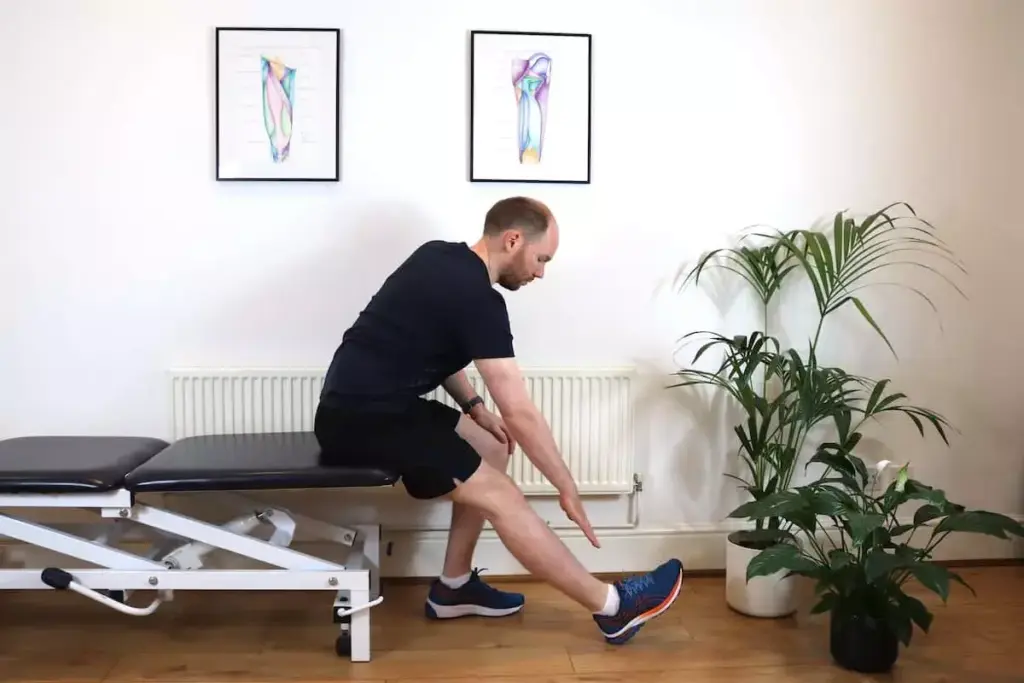
Shoulder bursitis, also known as subacromial bursitis, is a common condition. It happens when the bursae in the shoulder get inflamed. Bursae are small, fluid-filled sacs that help reduce friction between bones, tendons, and muscles.
When these bursae get inflamed, it can cause pain and make it hard to move your shoulder. We will look into what causes shoulder bursitis and its types. Knowing the causes helps us find the right treatment.
What Causes Shoulder Bursitis
Shoulder bursitis often comes from doing the same thing over and over, like lifting or throwing. It can also happen because of age, injury, bad posture, or conditions like arthritis. The constant strain on the shoulder can irritate the bursae, causing them to get inflamed.
Other things that might lead to shoulder bursitis include:
- Repetitive overhead activities
- Direct blows to the shoulder
- Infection
- Rheumatoid arthritis
Common Types of Shoulder Bursitis
There are several types of shoulder bursitis, with subacromial bursitis being the most common. Subdeltoid bursitis is another type that affects the shoulder area. Knowing the exact type of bursitis is key to the right treatment.
| Type of Bursitis | Description | Common Causes |
| Subacromial Bursitis | Inflammation of the bursa under the acromion | Repetitive overhead activities, age |
| Subdeltoid Bursitis | Inflammation of the bursa under the deltoid muscle | Direct injury, repetitive strain |
Effective Shoulder Bursitis Exercises
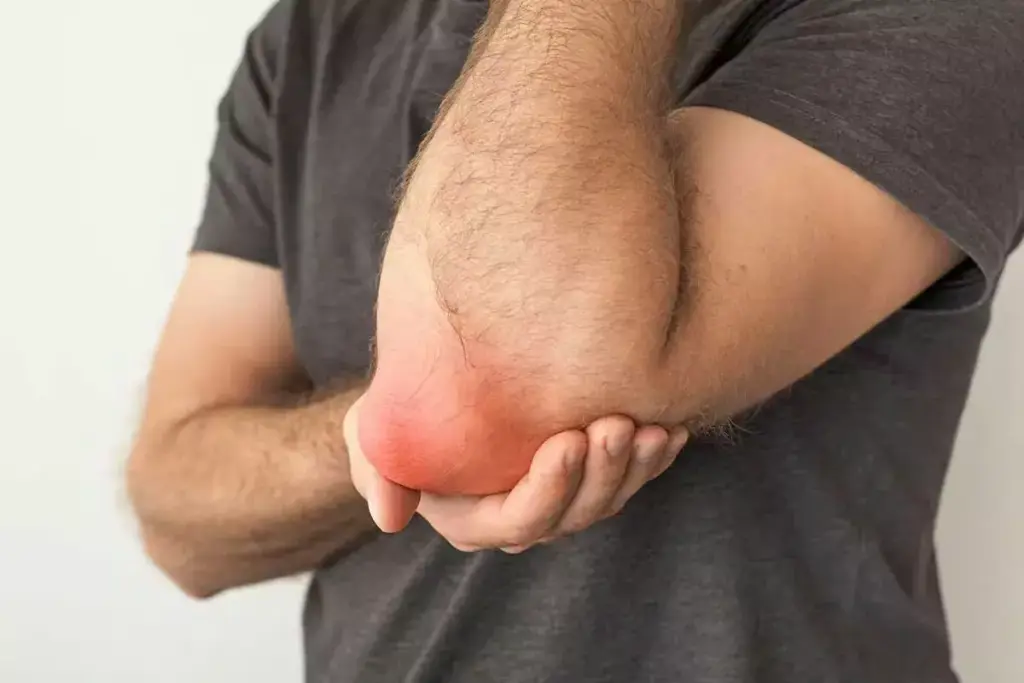
Exercises are key in easing shoulder bursitis symptoms and improving shoulder function. A good exercise plan can help by making the shoulder more flexible and strong. It also lessens the pressure on the inflamed bursae.
We suggest mixing gentle stretches, strengthening exercises, and range of motion exercises for the best results. These exercises work together to reduce stiffness, support the joint, and prevent more irritation.
Gentle Stretching Exercises
Gentle stretches are important for keeping the shoulder moving and reducing stiffness. Pendulum exercises and wall slides are good examples. They are easy on the shoulder and can be done without much pain.
These exercises help slowly increase flexibility and lessen pain. This makes it easier to do everyday things. It’s important to start slowly to avoid making the problem worse.
Progressive Strengthening Exercises
Strengthening exercises are key for supporting the shoulder and preventing future problems. Rotator cuff strengthening exercises are great because they work on the muscles and tendons around the shoulder. This adds extra support and stability.
By making these exercises more challenging over time, you can build stronger shoulder muscles. This reduces the chance of more irritation.
Range of Motion Exercises
Range of motion exercises help keep the shoulder joint flexible. Posterior shoulder stretches are good for this. They help the shoulder move freely without pain.
Doing these exercises regularly can stop stiffness and boost shoulder function. This makes it easier to do daily tasks and stay independent.
Step-by-Step Exercise Guide
Follow our guide to improve your shoulder’s mobility and reduce strain. We’ll show you exercises to ease shoulder bursitis pain.
Pendulum Exercises
Pendulum exercises are a good start for shoulder bursitis relief. Lean forward and let your affected arm hang down. Swing it in small circles first clockwise, then counterclockwise.
This helps blood flow and reduces stiffness in your shoulder.
Wall Slides
Wall slides are great for improving shoulder mobility. Stand with your back against the wall and feet apart. Slowly slide your back down, squeezing your shoulder blades.
Hold for a few seconds, then slide back up. This strengthens the muscles around your shoulder.
Posterior Shoulder Stretches
To stretch the posterior shoulder, cross your affected arm over your body. Use your other arm to support it. Pull your arm toward your opposite shoulder until you feel a stretch.
Hold for 15-30 seconds and release. This stretch relieves tension in your shoulder.
Rotator Cuff Strengthening
Strengthening your rotator cuff is key for shoulder support. Use a resistance band or light dumbbell for exercises like external rotations and shoulder blade squeezes. Start with low resistance and increase as you get stronger.
Conclusion
Combining exercises for shoulder bursitis with targeted treatments can provide lasting relief. This helps prevent future flare-ups. With the right approach, you can regain mobility, strength, and comfort in your shoulder once again.
Effective management of shoulder bursitis often involves a physical therapy program. This includes gentle stretching exercises, progressive strengthening exercises, and range of motion exercises tailored to your specific needs.
If you’re unsure where to start, we recommend consulting an orthopedic specialist or shoulder specialist. They can guide you through a step-by-step exercise guide. This includes pendulum exercises, wall slides, and posterior shoulder stretches, to help you achieve optimal shoulder health.
For further guidance, you can also refer to resources that provide exercises for shoulder bursitis pdf. This can serve as a valuable reference for your rehabilitation journey.
FAQ
What is shoulder bursitis and how do exercises help?
Shoulder bursitis is inflammation of the bursa, and exercises help reduce pain, improve mobility, and strengthen surrounding muscles.
What are the most effective exercises for shoulder bursitis?
Effective exercises include pendulum swings, wall slides, scapular squeezes, and gentle stretching of the shoulder.
How often should I perform shoulder bursitis exercises?
Exercises are typically recommended daily or several times a week, depending on pain and tolerance.
Can I do shoulder bursitis exercises if I have severe pain?
Exercises should be gentle and modified; severe pain may require rest or professional guidance first.
Are there any exercises that can worsen shoulder bursitis?
Overhead lifting, heavy weight exercises, or repetitive motions can aggravate shoulder bursitis.
How long does it take to see improvement with shoulder bursitis exercises?
Improvement is usually noticed within 2–6 weeks of consistent, proper exercise.
Can physical therapy help with shoulder bursitis?
Yes, physical therapy can provide targeted exercises, manual therapy, and strategies to reduce inflammation.
Are there any additional treatments that can be used in conjunction with shoulder bursitis exercises?
Ice, anti-inflammatory medications, corticosteroid injections, and activity modifications can complement exercises.