If you feel numbness or tingling in your pinky and ring fingers, you might have ulnar nerve entrapment. This issue can be treated with nerve gliding exercises. These exercises are a proven, non-surgical way to ease symptoms of cubital tunnel syndrome and other nerve compression problems.
At Liv Hospital, we focus on patient-centered physical therapy. Our team uses the latest research to help you regain normal function and reduce pain. For more details on exercises for ulnar nerve pain, check out Physio Tattva’s guide.
Key Takeaways
- Ulnar nerve glide exercises are a conservative treatment approach for managing cubital tunnel syndrome.
- These exercises help alleviate symptoms such as numbness, tingling, and pain in the ring and little fingers.
- A complete treatment plan includes nerve gliding exercises and other conservative treatments.
- Patient-centered physical therapy solutions can help restore normal function and alleviate pain.
- It’s essential to consult with a healthcare professional before starting any new exercise program.
Understanding Ulnar Nerve Entrapment and Its Symptoms

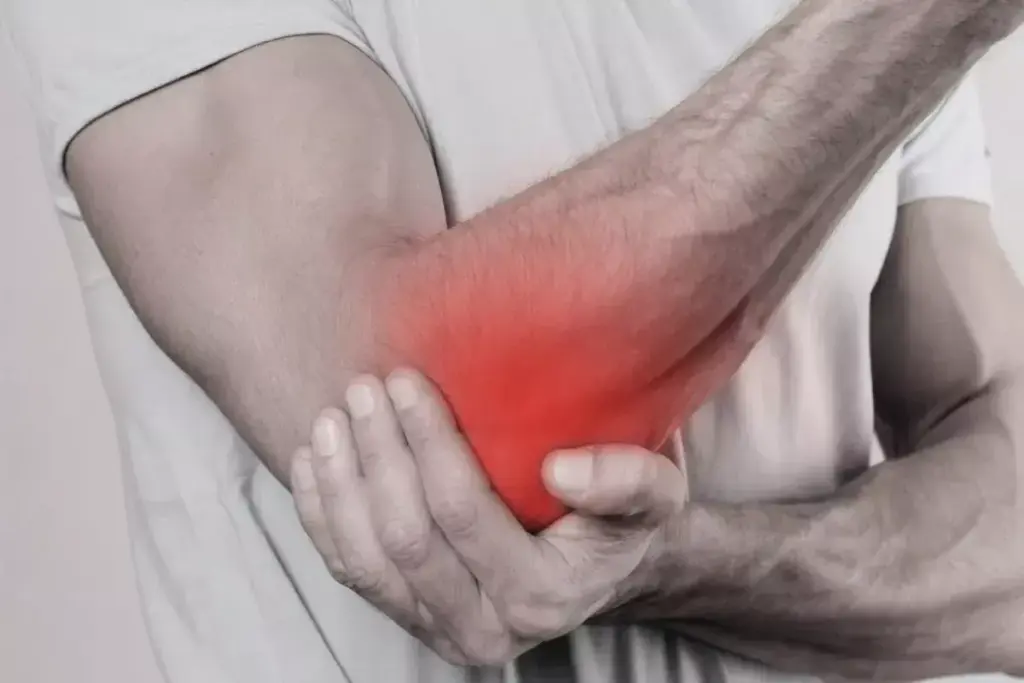
Knowing about ulnar nerve entrapment is key to treating issues like cubital tunnel syndrome. This happens when the ulnar nerve, from the neck to the hand, gets compressed or irritated. It often occurs at the elbow.
We’ll dive into cubital tunnel syndrome and its symptoms. We’ll see how it affects hand function and comfort.
What Is Cubital Tunnel Syndrome?
Cubital tunnel syndrome happens when the ulnar nerve gets compressed at the elbow. This causes numbness or tingling in the ring and little fingers. This can be due to bending the elbow a lot, direct pressure, or repetitive motions. It’s a common issue, second only to carpal tunnel syndrome.
Studies show that cubital tunnel syndrome can make daily tasks hard. Knowing its causes and risk factors is important for prevention and treatment.
Common Symptoms of Ulnar Nerve Compression
The symptoms of ulnar nerve compression vary based on the severity and location. Common signs include:
- Numbness or tingling in the ring and little fingers
- Weakness in the hand, making it hard to grip or hold things
- Pain or discomfort along the ulnar nerve path
- Clumsiness or trouble with fine motor tasks
People with ulnar nerve compression often face these symptoms. They can really affect their life. Early diagnosis and treatment are vital to avoid lasting damage.
| Symptom | Description |
| Numbness/Tingling | Sensation changes in the ring and little fingers |
| Weakness | Difficulty gripping or holding objects due to hand weakness |
| Pain/Discomfort | Pain along the ulnar nerve path, potentially radiating to the hand or arm |
By understanding the symptoms and causes of ulnar nerve entrapment, we can find better treatments. This includes nerve gliding exercises to ease discomfort and improve hand function.
Benefits of Ulnar Nerve Glide Exercises
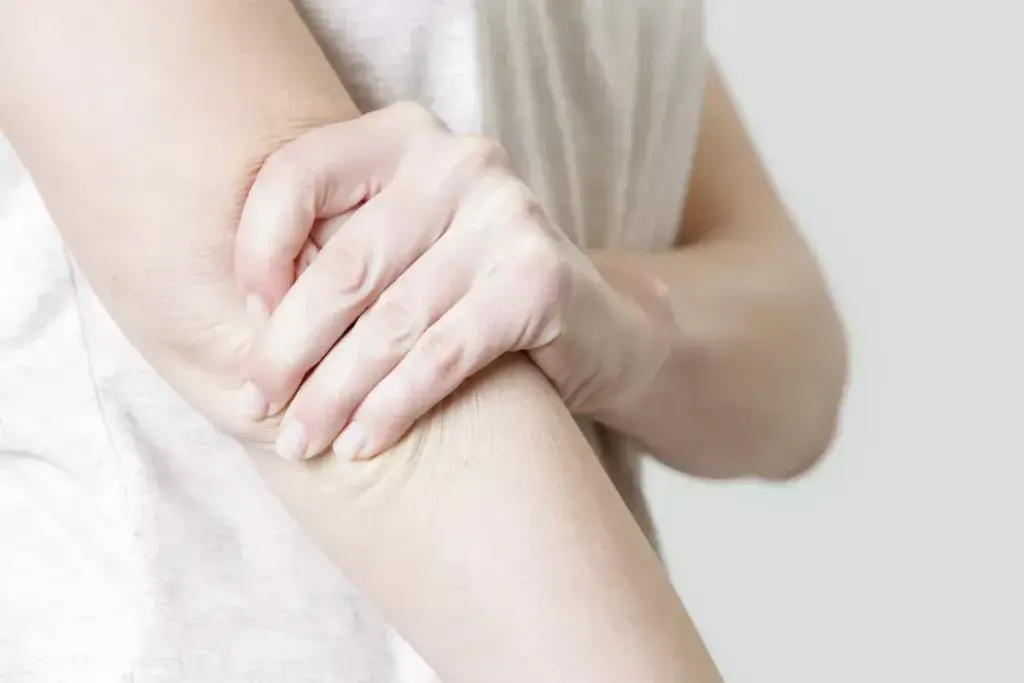
Ulnar nerve glide exercises help in recovery by improving nerve movement and blood flow. They are made to gently move the ulnar nerve. This reduces pressure and irritation that can cause pain and numbness.
How Nerve Gliding Works for Recovery
Nerve gliding exercises make the ulnar nerve move better and help it work right again. When the nerve is compressed or irritated, it can’t move well. These exercises help release this tension, letting the nerve move freely and reducing irritation.
They also boost blood flow to the area, which is key for healing. Better blood flow helps reduce swelling and fixes damaged tissues.
Scientific Evidence Supporting Effectiveness
Studies show that 50 to 88 percent of people with cubital tunnel syndrome get better with these exercises. Research backs up their success in easing symptoms and improving function for those with ulnar nerve issues.
Who Should Perform These Exercises
These exercises are good for those with cubital tunnel syndrome or symptoms like numbness, tingling, or pain in the hand or arm. But, always talk to a healthcare professional before starting any new exercise, even more so if you have health concerns.
Adding ulnar nerve glide exercises to a treatment plan can help avoid more serious treatments. It can also improve your life quality.
Step-by-Step Ulnar Nerve Glide Techniques
To help with ulnar nerve entrapment, it’s important to know how to do ulnar nerve glide techniques right. These exercises help move the ulnar nerve, which reduces pressure and irritation. We’ll show you how to get ready, do the techniques, and how often and long to do them.
Preparation and Proper Positioning
First, make sure you’re comfortable. Sit or stand with your back straight and your arm relaxed by your side. Getting the right position is key to moving the ulnar nerve well. Relax your shoulders and avoid tensing up, as it can mess up the exercise.
Basic Elbow Flexion Glide Exercise
The Basic Elbow Flexion Glide Exercise is a basic technique for the ulnar nerve. To do this exercise:
- Start with your arm extended and your palm facing upwards.
- Slowly bend your elbow, bringing your hand towards your shoulder.
- As you bend your elbow, tilt your head away from the side you’re exercising.
- Hold for a few seconds, then return to the starting position.
Learn more about performing the ulnar nerve glides.
Wrist Extension Ulnar Nerve Glide
The Wrist Extension Ulnar Nerve Glide is also effective. To do this exercise:
- Extend your arm in front of you with your palm facing down.
- Use your other hand to gently pull your hand back, stretching your wrist.
- As you stretch, tilt your head towards the side you’re exercising.
- Hold for a few seconds, then release.
Frequency and Duration Recommendations
For the best results, do these exercises 3 sets of 10 repetitions, 3 times a day. Being consistent and patient is key, as the benefits take time. Studies show that moving your wrist while bending your elbow and rotating your forearm helps the most.
By adding these ulnar nerve glide techniques to your daily routine, you can manage and lessen ulnar nerve entrapment symptoms. Always talk to a healthcare professional before starting any new exercise.
Conclusion
Ulnar nerve glide exercises are key in managing ulnar nerve entrapment and cubital tunnel syndrome. Adding these exercises to your treatment plan can help ease symptoms and boost nerve function.
Starting treatment early, with the right nerve glides, can lead to better results than waiting for symptoms to get worse. It’s wise to talk to a healthcare professional to find the best treatment for you.
For those with mild to moderate cubital tunnel syndrome, these exercises can be very helpful. Done right and regularly, they can reduce pressure on the ulnar nerve and aid in recovery.
Learning about the benefits and how to do ulnar nerve glide exercises can empower you to manage your condition better. Whether facing ulnar nerve pt or a pinched nerve in your elbow, a well-planned treatment can make a big difference.
FAQ
What are ulnar nerve glide exercises, and how do they help with cubital tunnel syndrome?
How often should I perform ulnar nerve glide exercises?
Can ulnar nerve glide exercises help with ulnar nerve entrapment?
Are there any risks associated with performing ulnar nerve glide exercises?
Can I perform ulnar nerve glide exercises if I have severe cubital tunnel syndrome?
How do ulnar nerve glide exercises improve circulation and nerve mobilization?
Are ulnar nerve glide exercises a replacement for medical treatment?
Can I download a PDF guide for ulnar nerve glides exercises?
References
National Center for Biotechnology Information. Evidence-Based Medical Insight. Retrieved from https://pubmed.ncbi.nlm.nih.gov/28928247/