Millions of people worldwide deal with sinus pain and congestion. This greatly affects their quality of life. Luckily, new medical tech has brought non-surgical ways to drain sinuses.
Doctors now use nasal saline irrigation and balloon sinuplasty to clear sinuses without surgery. These methods help restore normal sinus function. They offer relief from chronic sinusitis symptoms.
We know how hard sinus issues can be. We’re dedicated to giving you the best care. Our goal is to use the most effective, least invasive treatments.
Key Takeaways
● Non-surgical sinus drainage techniques are available for chronic sinusitis sufferers.
● Methods include nasal saline irrigation and balloon sinuplasty.
● These procedures aim to restore normal sinus function with minimal risk and downtime.
● Advanced medical technology has improved treatment options for sinus relief.
● Comprehensive care is available for international patients seeking sinus treatment.
Understanding Sinus Anatomy and Function

To understand how sinuses drain, we must first know about the paranasal sinuses. These are air-filled spaces around the nasal cavity. Their structure is key to our respiratory health.
The Four Pairs of Paranasal Sinuses
The paranasal sinuses come in four pairs: maxillary, frontal, ethmoid, and sphenoid. Each pair is in a different spot and drains in its own way. For example, the maxillary sinuses are in the cheekbones, and the frontal sinuses are in the forehead. Knowing where they are helps us diagnose and treat sinus problems.
|
Sinus Pair |
Location |
Drainage Pathway |
|---|---|---|
|
Maxillary |
Cheekbones |
Into the middle meatus |
|
Frontal |
Forehead |
Into the middle meatus via the frontonasal duct |
|
Ethmoid |
Between the nasal cavity and the eye |
Into the middle and superior meatus |
|
Sphenoid |
Base of the skull, behind the nasal cavity |
Into the sphenoethmoidal recess |
Normal Sinus Drainage Pathways
Normal drainage of sinuses relies on their anatomy and the mucociliary clearance system. The sinuses drain into the nasal cavity through specific paths. For instance, the maxillary and frontal sinuses drain into the middle meatus. A study on shows that knowing these paths is key for effective drainage.
The Mucociliary Clearance System
The mucociliary clearance system is vital for removing mucus and debris from sinuses. It works by cilia on the lining of the sinuses moving mucus towards the nasal cavity. This system’s effectiveness can be affected by many factors, including environment and infection.
In summary, knowing the anatomy and function of sinuses is key to understanding how they drain. The complex structure of the paranasal sinuses and the mucociliary system work together to keep sinuses healthy.
Common Causes of Sinus Blockage and Congestion

Knowing what causes sinus congestion is key to managing it. Sinus blockage can come from infections, abnormal anatomy, allergies, and environmental factors.
Acute and Chronic Rhinosinusitis
Rhinosinusitis, or inflammation of the nasal passages and sinuses, is a main cause of sinus congestion. Acute rhinosinusitis is usually caused by viruses. Chronic rhinosinusitis can stem from long-lasting inflammation, often due to allergies, environmental factors, or anatomical issues.
● Acute rhinosinusitis symptoms last less than 4 weeks.
● Chronic rhinosinusitis symptoms persist for 12 weeks or more.
● Both conditions can significantly impact quality of life.
Structural Issues and Nasal Polyps
Anatomical abnormalities can block sinus drainage, causing congestion. Nasal polyps, benign growths in the nasal passage, are a common structural issue that can cause significant blockage.
- Nasal polyps can be associated with chronic inflammation.
- Deviated septum can obstruct sinus drainage pathways.
- Turbinate bone abnormalities can also contribute to congestion.
Allergic Reactions and Environmental Factors
Allergies and environmental exposures significantly contribute to sinus congestion. Allergic rhinitis can lead to nasal inflammation, increasing mucus production and causing congestion.
● Common allergens include pollen, dust mites, and pet dander.
● Environmental irritants like tobacco smoke and pollution can worsen symptoms.
● Avoiding triggers is a key part of managing sinus congestion.
Understanding these causes is vital for an effective treatment plan. By tackling the underlying factors of sinus blockage, we can improve drainage and reduce symptoms.
Diagnosing Sinus Drainage Problems
Diagnosing sinus drainage issues involves several steps. These include physical exams, imaging studies, and lab tests. Finding the right diagnosis is key to treating sinus problems effectively. It helps doctors understand the cause and choose the best treatment.
Physical Examination Techniques
A thorough physical exam is the first step. We use anterior rhinoscopy to look into the front part of the nasal cavity. This helps us check for nasal polyps, any abnormalities, or signs of infection.
Nasal endoscopy is another important tool. It gives us a detailed look at the nasal passages and sinuses. This helps us spot congestion, inflammation, or blockages.
● Nasal speculum examination to assess nasal passage patency
● Evaluation of nasal mucosa for signs of inflammation or infection
● Assessment of the nasal septum for deviation or perforation
Imaging Studies (CT Scans and Endoscopy)
Imaging studies are key in diagnosing sinus problems. CT scans give us detailed images of the sinuses. They help us see how severe the disease is, spot any unusual anatomy, and find complications like abscesses.
Nasal endoscopy lets us see the sinus openings and drainage paths directly.
Laboratory Tests for Underlying Causes
Laboratory tests help find the root cause of sinus problems. We might do cultures to find out if there’s a bacterial or fungal infection. Allergy testing can show if allergies are causing the issues. Blood tests can reveal inflammation or other conditions affecting the sinuses.
- Cultures for bacterial or fungal infections
- Allergy testing (skin prick or blood tests)
- Blood tests for inflammatory markers (e.g., ESR, CRP)
By using these diagnostic methods, we can accurately diagnose sinus drainage problems. Then, we can create a treatment plan that meets the individual’s needs.
When Non-Surgical Drainage Methods Are Appropriate
Choosing non-surgical methods for sinus drainage needs careful thought. We look at how severe the sinusitis is and what each patient needs.
Severity Assessment Criteria
The severity of sinusitis is key in picking non-surgical methods. We use clinical checks and tests to see how bad the sinus inflammation and congestion are.
The criteria we use include:
● How long and often symptoms last
● How much it affects daily life
● If there are other health issues
● How well past treatments worked
|
Severity Level |
Symptoms |
Recommended Approach |
|---|---|---|
|
Mild |
Occasional congestion, minimal facial pain |
Conservative management with nasal saline irrigation |
|
Moderate |
Frequent congestion, noticeable facial pain |
Nasal steroids and decongestants |
|
Severe |
Persistent congestion, significant facial pain, loss of smell |
Advanced non-surgical procedures like |
Patient Selection Factors
Choosing the right patient for non-surgical methods is important. We look at:
● Overall health status
● Any anatomical issues
● History of sinus surgeries
● What the patient wants and expects
By carefully looking at these factors, we can make sure our treatment fits each patient’s needs. This helps increase the chances of a good outcome.
Contraindications for Non-Surgical Approaches
Non-surgical methods work well for many, but not all. Some situations make them not suitable. These include:
● Severe anatomical blockages
● Complicated sinusitis with eye or brain problems
● Certain fungal sinusitis types
● Failed non-surgical treatments before
In these cases, we might need to look at other options, like surgery. Our team works with patients to find the best treatment for their specific situation.
Nasal Saline Irrigation: The First-Line Treatment
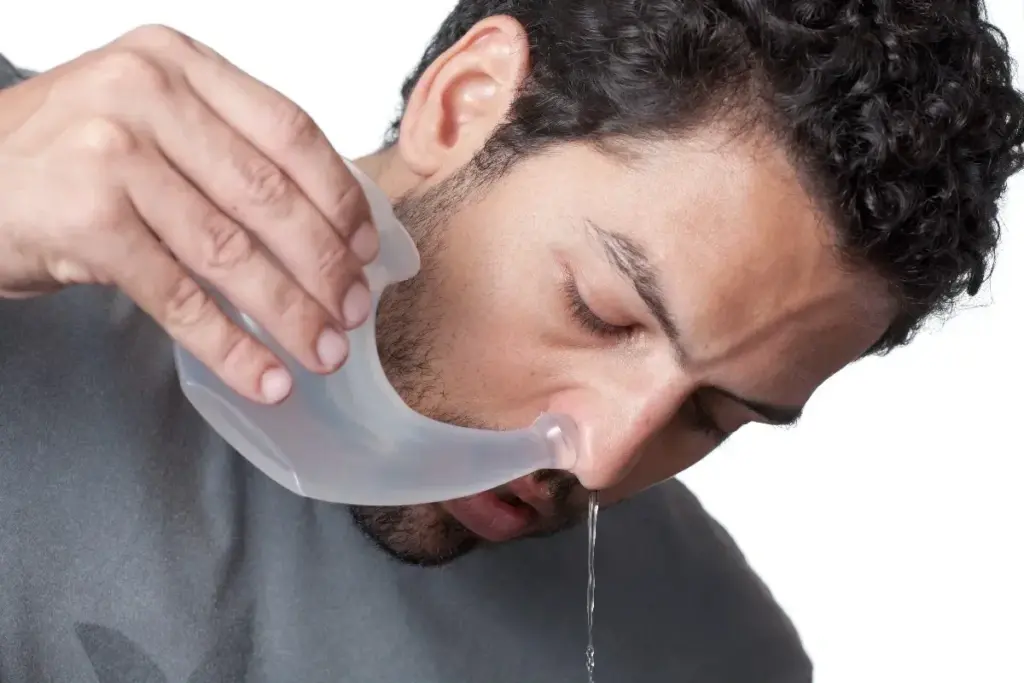
Nasal saline irrigation is now widely accepted as a first-line treatment for sinus drainage. It involves rinsing the nasal passages with a saline solution. This helps clear out mucus and debris, keeping the sinuses healthy.
Mechanism of Isotonic Saline Irrigation
Isotonic saline irrigation uses a gentle flow of saline solution through the nasal passages. It loosens and flushes out mucus, reduces inflammation, and moisturizes the nasal mucosa. This helps restore normal mucociliary clearance, which is key for sinus health.
Key benefits of isotonic saline irrigation include:
● Effective mucus clearance
● Reduced nasal congestion
● Improved sinus drainage
● Enhanced overall sinus health
Clinical Evidence for Effectiveness in Chronic Rhinosinusitis
Large-scale clinical reviews have shown isotonic saline irrigation’s effectiveness in managing chronic rhinosinusitis (CRS). Studies indicate that regular use can improve symptoms, quality of life, and nasal endoscopy findings in CRS patients.
|
Study |
Sample Size |
Outcome |
|---|---|---|
|
Study A |
100 patients |
Significant improvement in CRS symptoms |
|
Study B |
200 patients |
Improved quality of life and nasal endoscopy findings |
Proper Technique and Equipment
To get the most out of nasal saline irrigation, using the right technique and equipment is vital. Patients should learn how to prepare the saline solution, use the irrigation device, and perform the irrigation correctly.
Recommended equipment includes:
● Neti pots
● Squeeze bottles with nasal spray tips
● Saline packets or pre-mixed solutions
Balloon Sinuplasty: Minimally Invasive Office Procedure
Balloon sinuplasty is a new way to help people with sinus problems. It’s less invasive than traditional surgery and can be done in an office. This makes it popular for those looking for relief.
Procedure Overview
The procedure starts with a small, flexible balloon catheter. It’s put into the nasal passage and guided to the sinus. This is done using special imaging or a camera.
Once in place, the balloon is inflated. This opens up the sinus, helping it drain better. After that, the balloon is deflated and taken out, leaving the sinus open.
We use advanced imaging to make sure the balloon is placed correctly. This reduces risks and makes the procedure more effective.
Success Rates and Comparative Effectiveness
Research shows balloon sinuplasty really helps people with chronic sinusitis. One study found a 69.5% improvement in symptoms. This is much better than traditional treatments, which only saw a 16.7% improvement.
|
Treatment Method |
Success Rate |
|---|---|
|
Balloon Sinuplasty |
69.5% |
|
Traditional Methods |
16.7% |
Recovery and Post-Procedure Care
Balloon sinuplasty has a quick recovery time. Most people can go back to their normal activities in a day or two. After the procedure, they might need to do nasal saline irrigations and possibly take antibiotics or steroids.
Key aspects of post-procedure care include:
● Nasal saline irrigations to keep the sinuses clean and promote healing
● Monitoring for any signs of infection or complications
● Follow-up appointments to assess the healing process and remove any crusting
Knowing about the procedure, its success rates, and post-care helps patients make better choices. It’s important for those dealing with sinus drainage issues.
Steroid Treatments for Sinus Drainage
Steroid treatments are a top choice for sinus problems. They help reduce swelling and improve drainage. This brings relief to those with sinus congestion.
Topical Nasal Steroids
Topical nasal steroids are often the first treatment for sinus issues. They are applied directly to the nasal area. This reduces swelling and inflammation. Fluticasone and mometasone are two effective types.
Topical nasal steroids offer several benefits:
● Less nasal congestion
● Better sinus drainage
● Less inflammation
A study in the Journal of Allergy and Clinical Immunology found they greatly improved symptoms in chronic rhinosinusitis patients.
Oral Steroid Courses
Oral steroids, like prednisone, are used for severe inflammation. They quickly reduce swelling and congestion. But, they are only used for short periods due to side effects.
Steroid-Releasing Sinus Implants
Steroid-releasing sinus implants are a new treatment for sinus issues. The PROPEL Mini sinus implant releases steroids into the sinus. This helps with drainage and reduces swelling.
|
Treatment |
Success Rate |
Patient Improvement |
|---|---|---|
|
Steroid-Releasing Sinus Implants |
97% |
Significant reduction in sinus congestion |
|
Topical Nasal Steroids |
85% |
Improved sinus drainage |
These implants have a 97% success rate. They are a very effective treatment for sinus drainage problems.
Decongestants and Mucus Thinners
Dealing with sinus congestion often means using decongestants and mucus thinners. These help by lessening nasal blockage and helping mucus flow out of the sinuses.
“Decongestants are great for sinusitis symptoms,” saysan ENT specialist. “They reduce nasal swelling, making breathing and sinus drainage better.”
Oral vs. Topical Decongestants
Decongestants come in oral and topical forms. Oral ones, like pseudoephedrine, affect the whole body. Topical ones, like oxymetazoline, work directly on the nasal mucosa, giving quick relief with fewer side effects.
When picking between oral and topical, think about the patient’s health and possible side effects. For example, people with high blood pressure might prefer topical to avoid systemic effects.
Guaifenesin and Other Expectorants
Guaifenesin is a well-known expectorant that thins mucus, making it easier to cough up. It’s in many cough medicines and helps with sinus congestion.
Guaifenesin is usually safe, but its effect can differ for everyone. Some might get stomach issues, so it’s key to stick to the dosage.
Limitations and Rebound Effects
Topical decongestants can lead to rebound congestion or rhinitis medicamentosa. This happens when the nasal passages need the drug to stay open, creating a cycle of overuse.
To prevent rebound, we tell patients to use decongestants wisely and for short times. For long-term needs, other treatments or combos might be better.
How to Drain Your Sinuses with Doctor-Recommended Home Techniques
Doctors suggest simple ways to drain sinuses at home. These methods can help those with sinus congestion and pressure.
Steam Inhalation Methods
Steam inhalation is a top home remedy for sinus drainage. It loosens mucus, reduces congestion, and opens nasal passages. To do it, boil water and lean over it with a towel on your head. You can add eucalyptus oil or menthol for extra benefits.
Using a steam humidifier is also helpful, mainly in dry weather or air-conditioned spaces. It keeps the air moist, helping your sinus mucus stay wet and easier to clear.
Facial Massage Techniques
Facial massage can also ease sinus pressure. Gentle massage boosts blood flow and clears blocked sinuses. Massage your forehead, nose sides, and cheeks in circles with your fingertips. This can help loosen mucus and aid in drainage.
Positional Drainage Strategies
Your body position affects sinus drainage. Elevating your head while sleeping prevents mucus buildup in sinuses. Adding extra pillows or adjusting your bed can help. Also, lying on your side or stomach can help drain specific sinuses.
Incorporating these home techniques into your daily routine can enhance your ability to manage sinus congestion. This improves your overall life quality.
Antibiotic Therapy for Infectious Sinusitis
Antibiotics are key in treating bacterial sinus infections. They help get rid of the infection and lessen symptoms.
When Antibiotics Are Necessary
Not every sinus infection needs antibiotics. For example, viral sinusitis won’t be helped by them. But, if bacteria cause the infection, antibiotics are often needed. This is true for severe or long-lasting symptoms.
We usually recommend antibiotics for:
● Long-lasting symptoms over 7-10 days
● Severe symptoms like high fever, facial pain, or thick nasal discharge
● Worsening symptoms after they first start to get better
Common Antibiotic Protocols
The right antibiotic depends on several things. These include the likely bacteria, any allergies, and past antibiotic use. Common choices for sinusitis include:
- Amoxicillin-clavulanate: Often the first choice because it covers many bacteria
- Doxycycline: Good for those allergic to penicillin
- Fluoroquinolones: Used for more serious cases or when other options don’t work
It’s important to finish all antibiotics, even if you start feeling better before you’re done.
Addressing Antibiotic Resistance Concerns
Too much and wrong use of antibiotics has led to more resistance. To fight this, we:
● Only give antibiotics when they’re really needed
● Pick antibiotics that are less likely to cause resistance
● Teach patients the importance of finishing their antibiotics
By using antibiotics wisely, we can treat bacterial sinusitis well. This helps avoid making antibiotic resistance worse.
Natural and Herbal Treatments with Clinical Support
Research now supports several natural and herbal treatments for sinus drainage. It’s key to know their clinical backing and how they fit into a treatment plan.
Cyclamen Extract Nasal Spray
Cyclamen extract nasal spray has shown promise in improving mucosal health in 7-9 days. Studies show it enhances sinus drainage by clearing mucus and reducing inflammation.
Using cyclamen extract as part of a broader treatment strategy is recommended. It can be used with other natural remedies or conventional treatments for best results.
Bromelain and Other Anti-Inflammatory Supplements
Bromelain, a mix of enzymes from pineapple, has anti-inflammatory properties. It can help reduce sinus inflammation. Supplements like quercetin and turmeric also have benefits for sinus health.
|
Supplement |
Potential Benefits |
Clinical Evidence |
|---|---|---|
|
Bromelain |
Reduces inflammation, aids in mucus clearance |
Studies show anti-inflammatory effects |
|
Quercetin |
Antioxidant properties, may reduce sinus congestion |
Some studies indicate anti-inflammatory effects |
|
Turmeric (Curcumin) |
Potent anti-inflammatory, may improve sinus drainage |
Clinical trials show promise in reducing inflammation |
Essential Oil Inhalation Therapy
Essential oil inhalation therapy, using oils like eucalyptus and peppermint, can relieve sinus congestion. The menthol in these oils opens airways, making breathing easier.
Key Considerations: Always use high-quality, pure essential oils and follow proper dilution guidelines to avoid irritation.
Incorporating essential oil inhalation therapy into your daily routine can greatly improve sinus health and overall well-being.
Advanced Office-Based Procedures
New office-based procedures are changing how we treat sinus problems. Now, we have more effective and less invasive ways to help with sinus drainage issues.
Endoscopic-Guided Sinus Aspiration
Endoscopic-guided sinus aspiration is a precise method for treating sinuses. This technique uses an endoscope to see the sinus passages and then removes the contents. It’s great for severe sinus infections or when other treatments don’t work.
The benefits of this procedure include:
● Minimally invasive
● High success rate
● Quick recovery time
|
Procedure |
Success Rate |
Recovery Time |
|---|---|---|
|
Endoscopic-Guided Sinus Aspiration |
85% |
1-2 days |
|
Traditional Sinus Surgery |
70% |
1-2 weeks |
Targeted Medication Delivery Systems
Targeted medication delivery systems are a big step forward in sinus care. These systems apply medication directly to the sinuses. This makes the treatment more effective and reduces side effects.
By applying medication directly to the sinuses, we can get the active ingredient where it’s most needed. This helps patients with chronic sinusitis get better results.
Ultrasound-Assisted Drainage Techniques
Ultrasound-assisted drainage techniques help with sinus drainage. This method uses ultrasound energy to loosen and clear mucus. It’s a big help for patients with congested sinuses.
Using ultrasound in sinus drainage has many benefits. It lowers the risk of complications and makes the procedure more comfortable for patients.
Managing Chronic Sinusitis Without Surgery
For those with chronic sinusitis, a mix of treatments can help a lot without surgery. It’s important to understand the condition and find the right treatments. Keeping symptoms under control long-term is key.
Combination Therapy Approaches
Using different treatments together is often the best way to handle chronic sinusitis. This might include nasal saline irrigation, topical nasal steroids, and oral meds like decongestants or antibiotics. Combination therapy helps tailor the treatment to the patient’s needs, tackling symptoms and causes.
For example, nasal saline irrigation with topical steroids can cut down inflammation and help drainage. Sometimes, adding oral meds can help even more.
Maintenance Protocols for Long-Term Control
Keeping chronic sinusitis under control for the long haul needs ongoing care. This might include regular nasal saline irrigation, using topical steroids, and check-ups with a healthcare provider. Sticking to these plans is vital to avoid symptoms coming back and keep life quality high.
It’s also good to learn about lifestyle changes, like avoiding allergens and irritants, to lower the chance of flare-ups.
Quality of Life Considerations
Effectively managing chronic sinusitis is key to a better life. By lessening symptoms and avoiding complications, patients can feel healthier and happier. Regular visits to healthcare providers help keep the treatment plan on track.
Improving life quality also means tackling issues like sleep problems, facial pain, and brain fog, which many with chronic sinusitis face.
Innovative Approaches at Leading Medical Centers
Leading medical centers are changing sinus care with new methods. They are focusing on non-surgical treatments. This approach improves patient results and cuts down recovery times.
Liv Hospital’s Advanced Non-Surgical Techniques
Liv Hospital leads in sinus care with new non-surgical methods. They use techniques. These have shown great results in tests.
Some key methods at Liv Hospital include:
● Balloon sinuplasty for easy sinus opening
● Advanced nasal saline irrigation for better mucociliary clearance
● Steroid-releasing implants to lessen inflammation
International Best Practices in Sinus Care
International sinus care focuses on teamwork. ENT specialists, radiologists, and others work together. This trend is growing, focusing on safe and effective treatments.
“The use of advanced tools and minimally invasive methods has greatly improved sinus care results.”
Emerging Technologies for Sinus Drainage
New technologies are key in sinus care. Some exciting developments are:
- Ultrasound-assisted drainage for better mucus removal
- Endoscopic-guided sinus aspiration for precise treatment
- Personalized medicine for each patient’s needs
These new methods are not just better for treatment. They also make the patient experience better. As we explore new possibilities in sinus care, we aim to give our patients the best care.
When Non-Surgical Methods May Not Be Enough
Non-surgical treatments often help with sinus drainage. But sometimes, they don’t work well enough. Knowing when to look for other options is key for good sinus care.
Indicators for Surgical Intervention
Some signs show that non-surgical treatments might not be enough. These include:
● Persistent symptoms despite trying non-surgical treatments
● Big nasal polyps or severe septal deviation
● Recurring sinus infections that don’t get better with antibiotics or other treatments
If you see these signs, it’s time to think about more advanced treatments.
Transitioning to Surgical Management
Deciding to go from non-surgical to surgical treatments needs careful thought. We look at the patient’s condition and medical history. We consider:
|
Factor |
Description |
|---|---|
|
Symptom Severity |
How much symptoms affect daily life |
|
Previous Treatments |
How well past treatments worked |
|
Anatomical Considerations |
Structural issues that might need surgery |
This detailed look helps decide the best next steps in care.
Hybrid Approaches Combining Multiple Techniques
At times, mixing different treatments can lead to better results. Hybrid methods might include:
● Combining balloon sinuplasty with endoscopic sinus surgery
● Adding steroid-releasing sinus implants during surgery
● Using advanced imaging to guide surgery
Conclusion: The Future of Non-Surgical Sinus Care
The field of otolaryngology is moving forward fast. We’re seeing new ways to treat sinus problems without surgery. Methods like nasal saline irrigation, balloon sinuplasty, and steroid treatments are showing great promise.
New technologies and global best practices will make non-surgical sinus care even better. Places like Liv Hospital are leading the way. They offer patients many effective treatment options.
More research will lead to even better treatments for sinus health. This will make patients’ lives better and show how important it is to keep improving non-surgical sinus care.
FAQ
How do doctors drain sinuses without surgery?
We use many non-surgical methods. These include nasal saline irrigation, balloon sinuplasty, and steroid-releasing implants. They help clear blockages and promote drainage.
What is the normal sinus drainage pathway?
Sinuses drain through small channels into the nasal cavity. The mucociliary clearance system helps move mucus out. It uses tiny hair-like structures.
What causes sinus congestion and blockage?
Sinus congestion can come from many sources. This includes acute or chronic rhinosinusitis, structural issues, and nasal polyps. Allergic reactions and environmental factors also play a role.
How is sinus drainage diagnosed?
We diagnose sinus problems through physical exams and imaging studies. CT scans and endoscopy are used. Lab tests help find the cause and assess severity.
When are non-surgical drainage methods appropriate?
Non-surgical methods work for mild to moderate sinusitis. They’re also good for those not suited for surgery. They’re often the first step before surgery.
How does nasal saline irrigation work?
Nasal saline irrigation uses a saline solution. It flushes out mucus, debris, and allergens. This promotes drainage and reduces inflammation.
What is balloon sinuplasty?
Balloon sinuplasty is a minimally invasive procedure. It uses a balloon catheter to open blocked sinus ostium. This restores normal drainage and improves sinus function.
How effective are steroid treatments for sinus drainage?
Steroid treatments can greatly improve sinus drainage. They include topical nasal steroids and oral steroid courses. Some studies show up to 97% patient improvement.
Can decongestants and mucus thinners help with sinus drainage?
Yes, they can help by reducing nasal swelling and thinning mucus. This makes it easier to expel. But, their use should be limited to avoid rebound effects.
Are there any natural or herbal treatments for sinus drainage?
Yes, natural treatments like cyclamen extract nasal spray and essential oil inhalation therapy are effective. They help improve sinus drainage and reduce inflammation.
When should I consider surgical management for sinusitis?
If non-surgical methods don’t work, or if symptoms are severe, we may consider surgery. This includes endoscopic sinus surgery to address anatomical issues.
Can I get my sinuses removed?
It’s not possible to completely remove the sinuses. But, surgery like endoscopic sinus surgery can improve drainage. It removes obstructive tissue and polyps.
How can I manage chronic sinusitis without surgery?
We recommend a mix of treatments. This includes nasal saline irrigation, steroid treatments, and lifestyle changes. These help manage chronic sinusitis and improve quality of life.
What are the latest advancements in non-surgical sinus care?
Leading medical centers, like Liv Hospital, are using new approaches. They include advanced non-surgical techniques and emerging technologies. These aim to improve sinus care and patient outcomes.
How do I know if non-surgical methods are not working?
If symptoms persist or worsen, reassess your condition with your healthcare provider. They will determine the best next steps. This may include surgery or hybrid approaches.
JAMA Network. Evidence-Based Medical Insight. Retrieved from https://jamanetwork.com/journals/jamaotolaryngology/fullarticle/484888



 Departments
 Related Videos
 Our Doctors
 News
News