

Degenerative disc disease is a common spinal condition. It affects the discs between vertebrae, causing pain, weakness, or numbness. As we age, our spine’s discs can degenerate, leading to this condition.
Finding the right doctor is key in managing degenerative disc disease. Experienced specialists offer patient-centered care, giving you peace of mind. At Liv Hospital, our team provides advanced treatment for spinal disc disease. We ensure complete support for international patients.
It’s important to understand the condition and its treatment options. This knowledge helps you make informed decisions about your care. We’ll help you find the best care for lower back degenerative disc disease.
Key Takeaways
- Degenerative disc disease is a common spinal condition that affects the discs between vertebrae.
- Finding the right doctor is key in managing degenerative disc disease.
- A patient-centered approach ensures optimal care and peace of mind.
- Advanced treatment options are available for spinal disc disease.
- Understanding the condition and its treatment options is vital in making informed decisions.
Understanding Degenerative Disc Disease and Its Impact
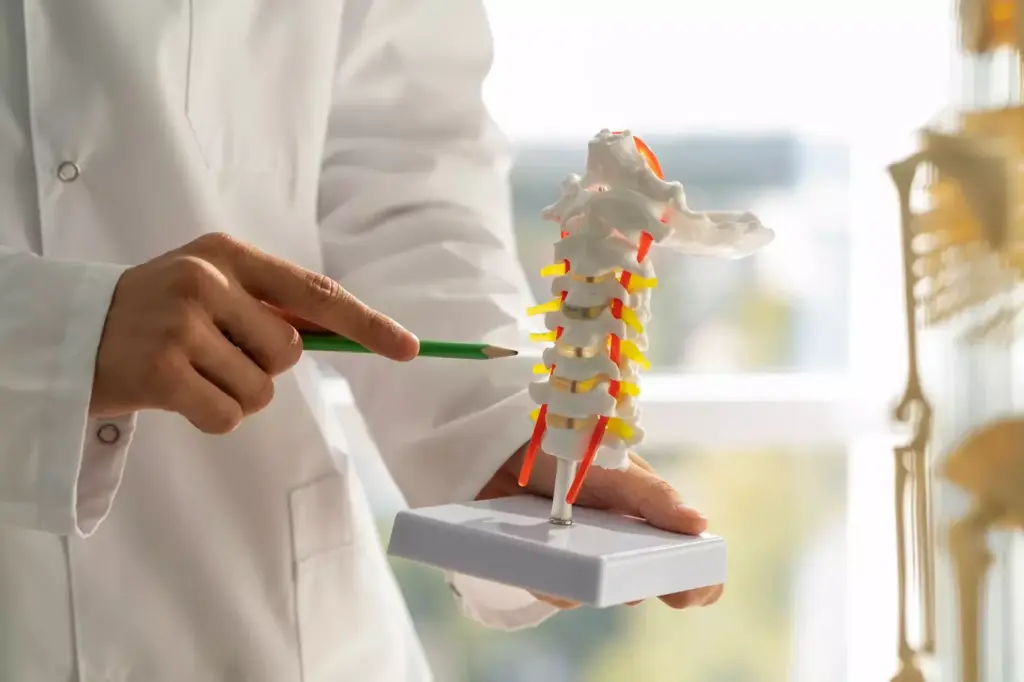
Degenerative disc disease affects millions, causing a lot of pain and trouble. As we get older, our spinal discs shrink and lose their spring. This can really hurt our quality of life.
What Happens to Discs During Degeneration
When discs degenerate, they change a lot. The soft inside starts to dry out, and the tough outside gets less flexible. This can cause disc herniation, where the soft part bulges out and presses on nerves, leading to pain.
As the disease gets worse, the discs shrink, making the spine unstable. This puts extra stress on the facet joints, leading to facet joint osteoarthritis. This makes the pain even worse.
The Connection Between Degenerative Disc and Facet Disease
Degenerative disc disease and facet disease often go together, making treatment harder. Facet disease happens when the facet joints wear out, causing pain and stiffness. When both diseases are present, the symptoms get worse, and treatment is more complex.
“The interplay between degenerative disc disease and facet osteoarthritis is complex, and understanding this relationship is key for effective management.”
How Lower Back Degenerative Disc Disease Differs
Lower back degenerative disc disease is different because it affects the lower back. This area carries a lot of our body’s weight, making it more prone to damage. Symptoms can range from pain in the lower back to pain in the legs, known as sciatica. It’s important to understand these differences to tailor treatment.
What Causes Degenerative Discs in the Spine?

Knowing what causes degenerative disc disease is key to managing it. This condition is complex and influenced by many factors.
Age-Related Factors in Disc Degeneration
As we get older, our spinal discs change naturally. They lose water and become less flexible. This makes them more likely to get damaged.
Key age-related changes include:
- Loss of disc height and hydration
- Reduced elasticity and increased stiffness
- Potential for disc herniation or bulging
Genetic Predisposition and Family History
Genetics also play a big role in degenerative disc disease. If your family has a history of back problems, you might be more likely to have them too. Some genes can affect how strong your spinal discs are.
Knowing your genetic risk can help you take care of your spine.
Injury and Repetitive Strain Contributions
Spinal injuries, big or small, can lead to degenerative disc disease. Heavy lifting, bending, or twisting can stress your discs.
Common injury-related factors include:
- Traumatic injuries from accidents or falls
- Repetitive strain from occupational or recreational activities
- Poor posture or biomechanics
Understanding these causes can help you reduce your risk and manage the disease better.
Recognizing the Signs of Spinal Disc Disease
Spotting the signs of degenerative disc disease early is key to managing it. We’ll look at common symptoms and when pain might mean a serious issue.
Common Symptoms and Their Progression
The signs of degenerative disc disease include persistent back pain, numbness, weakness, and tingling sensations in the limbs. These can get worse over time, affecting daily life and happiness.
As it gets worse, the pain can get stronger. It might spread to the legs or arms, depending on where the disc is affected.
| Symptom | Description |
|---|---|
| Persistent Back Pain | Continuous discomfort in the back that may worsen with activity |
| Numbness or Tingling | Sensations of numbness or tingling in the extremities |
| Weakness | Muscle weakness, mainly in the arms or legs |
When Pain Signals a Serious Problem
Pain from degenerative disc disease can sometimes mean a bigger issue, like nerve compression or a big disc herniation. Knowing how severe and what the pain feels like is important for deciding what to do next.
Differentiating DDD from Other Back Conditions
Degenerative disc disease can be hard to tell apart from other back problems because their symptoms are similar. A detailed medical check-up, including MRI scans, is needed for a correct diagnosis.
Is Degenerative Disc Disease Serious? Understanding the Risks
It’s important for patients to understand the risks of degenerative disc disease. While DDD is not usually life-threatening, it can greatly affect a person’s quality of life and health.
Short and Long-Term Health Implications
Degenerative disc disease can cause discomfort, pain, and limited mobility in the short term. If not managed, it can lead to more serious problems.
In the long term, DDD can cause chronic pain, nerve damage, and sometimes surgery is needed. It can also reduce spinal flexibility and height, affecting posture and alignment.
Can Degenerative Disc Disease Kill You?
DDD itself is not usually life-threatening. But severe cases can lead to serious health issues. For example, advanced DDD can cause spinal stenosis, which may lead to neurological problems if not managed.
While DDD is not directly fatal, its symptoms and complications can severely impact quality of life. This can lead to secondary health issues like depression or decreased mobility, affecting overall health.
Quality of Life Considerations
The impact of degenerative disc disease on quality of life should not be ignored. Chronic pain and limited mobility can affect daily activities, work, and social interactions. Effective management of DDD is key to maintaining a good quality of life.
We recommend that patients work closely with their healthcare providers to develop a treatment plan. This may include physical therapy, pain management strategies, and lifestyle adjustments to mitigate DDD’s effects.
| Aspect of Life | Impact of DDD | Management Strategies |
|---|---|---|
| Physical Activity | May cause pain and limit mobility | Physical therapy, gentle exercises |
| Pain Management | Can lead to chronic pain | Medications, alternative therapies |
| Daily Activities | May affect work and social life | Lifestyle adjustments, ergonomic changes |
Diagnosis Process: What to Expect from Specialists
Diagnosing degenerative disc disease involves looking at many factors. This includes imaging results and the patient’s medical history. Specialists start a detailed process to confirm the disease and rule out other causes.
The Critical Role of MRI in Degenerative Disc Assessment
Magnetic Resonance Imaging (MRI) is key in diagnosing degenerative disc disease. It gives detailed pictures of the spine. Specialists can see how the discs and vertebrae are doing.
MRI Advantages:
- High-resolution images of soft tissues
- Ability to detect early changes in disc morphology
- Visualization of nerve compression and inflammation
Other Imaging and Diagnostic Procedures
While MRI is essential, other tests are used too. X-rays check the vertebrae alignment and look for bone spurs. CT scans might be used for more detailed bone checks. Sometimes, invasive tests like discography are needed to confirm the diagnosis.
| Diagnostic Tool | Purpose | Key Benefits |
|---|---|---|
| MRI | Assess disc condition and nerve impact | Detailed soft tissue imaging |
| X-ray | Evaluate vertebral alignment and bone spurs | Quick and widely available |
| CT Scan | Detailed bony structure assessment | Excellent for bone detail |
Physical Examinations and Medical History
A thorough physical exam and medical history are vital. We check how well patients move and their muscle strength. This helps us understand their symptoms better.
By combining advanced imaging with detailed exams, we can give patients a clear diagnosis. This helps us plan the best treatment for degenerative disc disease.
Finding the Best Doctor for Degenerative Disc Disease
Finding the right doctor for degenerative disc disease is the first step. There are many specialists who can help. It’s important to know who they are and what they do.
Types of Medical Specialists Who Treat DDD
Many doctors can treat degenerative disc disease. Each one has their own area of expertise. Here are a few:
- Orthopedic Surgeons: They handle surgeries for bone and joint problems, including DDD.
- Pain Management Specialists: They focus on controlling chronic pain without surgery.
- Physical Medicine and Rehabilitation (PM&R) Doctors: They help patients regain function and manage pain.
- Neurologists: They diagnose and treat nervous system disorders, which can be linked to DDD.
Knowing about these specialists can help you find the best doctor for degenerative disc disease for you.
Credentials and Experience to Look For
When looking for a specialist, check their credentials and experience. Look for:
- Board certification in their field
- Experience in treating DDD
- Good patient reviews and results
A doctor with the right credentials and experience can greatly improve your treatment.
The Importance of Doctor-Patient Communication
Good doctor-patient communication is key in managing DDD. A great doctor will:
- Listen to your concerns and symptoms
- Clearly explain your diagnosis and treatment options
- Involve you in decisions about your care
By working together, you can get the best care for your condition.
Your First Appointment with a Degenerative Disc Disease Doctor
The first visit to a degenerative disc disease doctor is key. It helps you understand your condition and treatment options. This meeting is your chance to learn about your diagnosis and start managing your disease.
Questions to Ask About Your Condition
It’s important to prepare for your first appointment. Having a list of questions can help you understand your diagnosis better. Ask about:
- What is the extent of my degenerative disc disease?
- How will this condition affect my daily life and activities?
- What are the possible complications if I don’t treat it?
- Are there any lifestyle changes I can make to manage my condition?
These questions will help you understand your condition better. You’ll know what to expect in the future.
Understanding Your Treatment Options
Your doctor will talk about treatment options for your degenerative disc disease. It’s important to know the benefits and risks of each option. They might suggest:
| Treatment Option | Description | Benefits |
|---|---|---|
| Physical Therapy | A program designed to improve mobility and strength | Non-invasive, improves function |
| Medications | Drugs to manage pain and inflammation | Quick relief, reduces inflammation |
| Surgical Intervention | Procedures to repair or remove damaged discs | Long-term relief, addresses underlying issues |
Knowing these options will help you and your doctor find the best treatment for you.
Red Flags to Watch For in Medical Care
As you start treatment, watch for red flags. These signs may mean you need a second opinion or a change in care. Be careful if you notice:
- Dismissive or unresponsive healthcare providers
- Unclear or inconsistent information about your diagnosis or treatment
- Pressures to undergo treatments you’re not comfortable with
- Unwillingness to address your questions or concerns
Knowing these red flags helps you advocate for yourself. It ensures you get the best care for your degenerative disc disease.
Treatment Approaches: From Conservative to Advanced
Treatment for degenerative disc disease has changed a lot. Now, there are many options for patients. The choice depends on how bad the symptoms are and how much the disc has degenerated.
Non-Surgical Management Strategies
First, doctors try non-surgical ways to ease pain and improve movement. These include:
- Physical therapy to strengthen the muscles around the spine
- Medications like NSAIDs or muscle relaxants to control pain and swelling
- Changes in lifestyle, such as losing weight or quitting smoking
Conservative management often helps manage symptoms and slow the disease. A study in the Spine Surgery Devices market research report shows non-surgical treatments are usually the first step for degenerative disc disease.
When Surgery Becomes Necessary
If non-surgical treatments don’t work well, or if the disease affects nerves, surgery might be needed. Surgery options include:
| Surgical Procedure | Description |
|---|---|
| Discectomy | Removing the damaged disc or part of it |
| Spinal Fusion | Making the spine stable by joining vertebrae together |
| Artificial Disc Replacement | Putting in an artificial disc instead of the damaged one |
The right surgery depends on how bad the disc damage is and the patient’s health.
Innovative Treatments for Advanced Degenerativeative Disc Disease
For severe cases, innovative treatments are being looked into. These include:
- Stem cell therapy to help the disc heal
- Biologic treatments to fight inflammation and repair tissues
These new treatments might help patients with severe degenerative disc disease. As research goes on, we’ll see more treatment options.
How to Prevent Degenerative Disc Disease and Slow Progression
There are steps you can take to prevent or slow degenerative disc disease. By being proactive, you can greatly improve your spinal health.
Lifestyle Modifications for Spine Health
Changing your lifestyle can help prevent degenerative disc disease. Maintaining a healthy weight is key, as extra weight strains your spine. Quitting smoking is also important, as it harms disc health by cutting off blood supply.
- Eating a balanced diet rich in nutrients that support spinal health
- Staying hydrated to maintain disc health
- Managing stress through relaxation techniques
Exercise Programs to Strengthen and Support Your Spine
Regular exercise is vital for spinal health. Core strengthening exercises help stabilize your spine. Flexibility and stretching exercises improve your range of motion and reduce stiffness.
- Core strengthening exercises like planks and bridges
- Low-impact aerobics such as walking or swimming
- Yoga or Pilates for flexibility and posture improvement
Ergonomic Adjustments for Daily Activities
Making ergonomic changes in your daily life can help prevent worsening of degenerative disc disease. Ensuring proper posture when sitting or standing and using ergonomic furniture can reduce spine strain.
- Using an ergonomic chair with proper lumbar support
- Taking regular breaks to stand and stretch when working
- Adjusting your computer monitor to eye level
Conclusion: Taking Control of Your Spinal Health Journey
Understanding degenerative disc disease and its management is key to taking control of your spinal health. Recognizing signs and symptoms helps. Exploring treatment options can greatly improve your life quality.
Managing spinal disc disease requires a mix of lifestyle changes, minimally invasive procedures, and sometimes surgery. A holistic approach is vital. This includes physical therapy and dietary changes to support your spine and slow disease progression.
Being proactive in managing degenerative disc disease means staying updated on treatments. It’s important to make informed decisions about your care. We suggest working closely with your healthcare team to create a personalized plan.
This way, you can better your spinal health and enjoy a higher quality of life. We’re dedicated to top-notch healthcare for international patients seeking advanced treatments.
What is degenerative disc disease?
Degenerative disc disease happens when spinal discs lose their height and cushioning. This often causes pain and discomfort.
Is degenerative disc disease serious?
Degenerative disc disease is not usually life-threatening. But, it can greatly affect your quality of life. It may also lead to more serious problems if not treated.
What are the common symptoms of degenerative disc disease?
Symptoms include back pain, stiffness, and limited mobility. You might also feel radiating pain, numbness, or tingling in your arms or legs.
How is degenerative disc disease diagnosed?
Doctors use a medical history, physical exam, and imaging tests like MRI or X-rays to diagnose it.
References
Harvard Health Publishing. Degenerative Disc Disease: Managing This Common Cause of Back Pain. https://www.health.harvard.edu/diseases-and-conditions/degenerative-disc-disease-managing-this-common-cause-of-back-pain