A deviated septum can really affect your life, causing breathing difficulties and messing up your sleep. We get how tough it is to live with this issue and want to find ways other than surgery. Want to know how to fix a deviated septum without surgery? Discover the best sleeping positions and natural aids for amazing nightly relief.
Recent studies show that changing how you sleep might help. A 2023 study found that side sleeping can lessen the problems caused by a deviated septum.
We’ll look into non-surgical treatments and changes in your daily life. These can help with nasal obstruction and make breathing easier.
Key Takeaways
- Understanding the causes and symptoms of a deviated septum is key to managing it well.
- Changing how you sleep can help with symptoms.
- There are non-surgical options that are good alternatives to surgery.
- Making lifestyle changes can greatly improve how you breathe.
- Dealing with nasal obstruction is important for a better quality of life.
What is a Deviated Septum and Who Does It Affect?

A deviated septum occurs when the thin wall between the nasal passages is crooked. This can greatly affect your life. The nasal septum is key to our breathing, and any issues can cause health problems.
Definition and Anatomy of the Nasal Septum
The nasal septum is made of cartilage and bone. It should be straight, allowing air to flow freely. But if it’s off-center, it can block one nostril, causing breathing troubles.
Prevalence Statistics: Affecting Up to 80% of Adults
Studies show that up to 80% of adults have some septal deviation. While not all are severe, it can really impact your life. It can lead to breathing issues and other respiratory problems.
Common Causes of Septal Deviation
Many things can cause a deviated septum, like genetics or injury. A blow to the nose can also cause it. Some people are born with it due to genetics or developmental issues.
Knowing why a septum deviates is important for treatment. Some people might not need treatment, but others might need medical help to feel better.
Recognizing Deviated Septum Symptoms

Knowing the signs of a deviated septum is key to catching it early. A deviated septum can lead to many nasal and sinus problems. These issues can really affect how well you live your life.
Breathing Difficulties and Nasal Obstruction
Breathing difficulties are a big sign of a deviated septum. This is because the septum can block one nasal passage. This makes it hard to breathe through your nose.
This blockage can cause chronic nasal congestion. It makes breathing through your nose a real challenge.
Can’t Breathe Through One Nostril: Unilateral Blockage
A deviated septum can also cause unilateral nasal blockage. This means one nostril is much more blocked than the other. It’s hard to breathe through the blocked nostril, which gets worse when you’re sleeping or have a cold.
Chronic Congestion and Sinus Issues
People with a deviated septum often have chronic congestion and sinus problems. The way air flows through the nasal passages can cause sinus infections. This can lead to headaches, facial pain, and feeling generally unwell.
|
Symptom |
Description |
Impact on Daily Life |
|---|---|---|
|
Breathing Difficulties |
Nasal obstruction causing difficulty in breathing |
Disrupts sleep, affects physical activity |
|
Unilateral Blockage |
One nostril more congested than the other |
Causes discomfort, affects smelling ability |
|
Chronic Congestion |
Persistent nasal congestion |
Leads to sinus infections, headaches |
Spotting these symptoms is the first step to dealing with a deviated septum. Knowing how these symptoms affect your life helps you find the right medical help. This can make your life better.
How Deviated Septum Affects Your Sleep Quality
It’s important to know how a deviated septum impacts sleep. This condition can cause sleep problems, mainly because it blocks airflow in the nose.
Nose Clogged When Lying Down: Positional Congestion
Lying down can make nasal congestion from a deviated septum worse. This leads to positional congestion. It’s hard to breathe through the nose, so people might breathe through their mouth instead. This can dry out the mouth and throat.
Studies show that sleeping on your back can make nasal congestion worse. It also raises the risk of sleep apnea. This is because the body relaxes more when sleeping, making the nasal passages tighter.
Connection Between Deviated Septum and Sleep Apnea
A deviated septum is linked to sleep apnea. The blockage can cause breathing pauses during sleep, typical of sleep apnea. This not only messes up sleep but also can lead to serious health problems, like heart issues.
|
Condition |
Effect on Sleep |
Health Risks |
|---|---|---|
|
Deviated Septum |
Nasal Congestion, Breathing Difficulty |
Sleep Disturbances |
|
Sleep Apnea |
Disrupted Sleep Patterns |
Cardiovascular Issues, Daytime Fatigue |
|
Combined Effect |
Poor Sleep Quality |
Increased Risk of Health Complications |
Deviated Septum and Snoring: The Relationship
A deviated septum can also cause snoring. The uneven airflow makes the throat tissues vibrate, leading to snoring. Snoring is not just annoying; it can signal serious health problems, like sleep apnea.
Fixing the deviated septum can help reduce snoring and improve sleep. Treatments range from medical devices to changing your lifestyle.
Diagnosing a Deviated Septum: Professional Assessment
To diagnose a deviated septum, doctors use several steps. These include self-checks, physical exams, and sometimes imaging tests. This detailed process helps doctors find the right treatment.
Self-Assessment Techniques
Before seeing a doctor, you can try simple checks at home. Try breathing through one nostril and then the other. Noticing any breathing differences can hint at nasal blockage.
Additionally, be mindful of signs such as a stuffy nose, loss of smell, or recurrent sinus infections, and consider maintaining a journal to track your symptoms effectively.
Medical Examination Methods
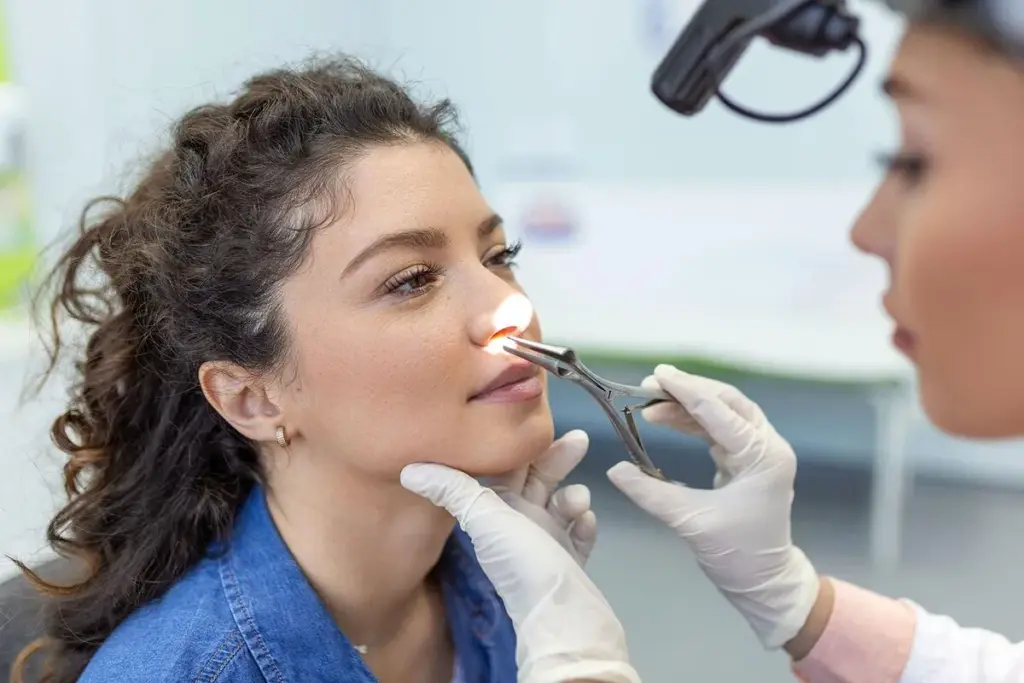
A doctor will do a detailed check of your nose. They might use a tool to look inside. They might also use a special scope to see more clearly.
The doctor will look for signs of a deviated septum. They’ll check for uneven nasal passages or other issues.
Imaging and Advanced Diagnostics
Imaging tests might be needed for a closer look. CT scans are often used to see the nasal passages and sinuses. These scans help find out how bad the deviation is.
Tools like acoustic rhinometry or rhinomanometry can also be used. They measure how well you breathe through your nose. This gives doctors more information about your condition.
When Surgery Might Be Necessary vs. When It’s Not
Knowing when surgical intervention is needed versus when non-surgical management is better is key for those with a deviated septum. The choice to have surgery depends on several things. These include how severe the deviation is and how it affects daily life.
Severity Levels of Septal Deviation
Deviated septum severity can differ a lot from person to person. Some might have a mild deviation with little symptoms. Others might have a severe deviation that makes breathing hard. The severity levels are based on how much the nose is blocked and how it affects daily activities.
For mild deviations, non-surgical management might help. But for severe ones, deviated septum surgery might be needed to fix the blockage and improve breathing.
Medical Criteria for Surgical Intervention
Doctors decide on surgical intervention based on certain criteria. They look at how bad the symptoms are, how blocked the nose is, and if there are complications like sinusitis or sleep issues. They use these factors to figure out if surgery is the best choice.
- Significant nasal obstruction causing breathing difficulties
- Recurrent sinus infections or chronic sinusitis
- Nasal discharge or facial pain
- Sleep disturbances or sleep apnea
Risk Assessment for Non-Surgical Management
For those with a deviated septum, non-surgical management is often the first choice. This can include nasal strips, saline sprays, and other treatments to ease symptoms. But, it’s important to think about the risks of not having surgery, mainly for severe cases or when symptoms don’t go away.
One common problem with a deviated septum is a blocked nostril when lying down. This can really hurt sleep quality and overall health. In such cases, doctors might suggest other treatments or positional therapy to help manage symptoms.
How to Fix a Deviated Septum Without Surgery: Overview of Options
A deviated septum can be treated without surgery. There are many treatments and lifestyle changes that can help. These non-surgical methods aim to ease symptoms and improve breathing, making life better.
Medical vs. Home-Based Approaches
There are two main types of non-surgical treatments for a deviated septum. Medical treatments include nasal strips, decongestants, and sometimes prescription drugs. These help reduce congestion and swelling. Home-based treatments involve lifestyle changes and self-care, like nasal irrigation and breathing exercises.
Medical treatments are suggested for severe symptoms or when home methods don’t work. They include:
- Nasal steroids to reduce inflammation
- Decongestants to relieve nasal congestion
- Other prescription medications tailored to the individual’s condition
Home-based treatments are a proactive way to manage the condition. They include:
- Nasal irrigation using saline solutions
- Breathing exercises to improve nasal airflow
- Adjusting sleeping positions to reduce congestion
Setting Realistic Expectations for Non-Surgical Treatments
Non-surgical treatments can’t remove a deviated septum but can lessen its symptoms. ” It’s important to have realistic expectations for these treatments.
These treatments can offer a lot of relief, but how much varies. The severity of the septum, overall health, and following the treatment plan all play a role in how well it works.
Multidisciplinary Approach to Management
Combining medical advice with lifestyle changes often works best for managing a deviated septum without surgery. This approach may include:
- Consulting with healthcare professionals, including ENT specialists and allergists
- Incorporating breathing exercises and physical therapy
- Making environmental adjustments, such as using air purifiers and maintaining optimal humidity levels
By taking a holistic approach, people can better manage their symptoms and improve their nasal health.
Medical Devices for Deviated Nasal Septum
Many medical devices can help with a deviated nasal septum. These tools can make life better for those with this issue.
External Nasal Dilators and Strips
External nasal dilators and strips are easy to use. They open up the nasal passages. This makes breathing easier, which is great for sleep.
Nasal strips stick to the nose, and nasal dilators fit inside. Both can be bought without a prescription. They work well for mild to moderate septal deviation.
Internal Nasal Valves and Stents
For serious cases, internal nasal valves and stents are used. They are put inside the nose to help air flow better. Internal nasal valves are best for those with big nasal blockages.
These are made just for you and need a doctor’s help. They’re great for those with big blockages.
CPAP and Other Breathing Assistance Devices
CPAP machines are used for sleep apnea, often linked to a deviated nasal septum. They push air through a mask, keeping the airway open at night.
CPAP machines are very good at treating sleep apnea. But they don’t fix the septum directly. They do help sleep quality and reduce nasal blockage symptoms.
Talking to a doctor is key to finding the right device. The right one can really help with a deviated nasal septum. It can make life much better.
Medication Options for Symptom Relief
A deviated septum can be quite uncomfortable. But, there are many medicines to help ease the symptoms. These medicines can help with nasal congestion, swelling, and allergies.
Prescription Nasal Steroids
Prescription nasal steroids help reduce swelling in the nose. They are great for people with a deviated septum. These medicines make breathing easier and lessen symptoms.
Benefits of Nasal Steroids:
- Reduce nasal inflammation
- Improve breathing through the nasal passages
- Decrease the size of nasal polyps (if present)
Over-the-Counter Decongestants
OTC decongestants can quickly ease nasal congestion from a deviated septum. They shrink the swelling in the nose, making it easier to breathe. But, use them carefully and only for a short time to avoid rebound congestion.
Considerations for OTC Decongestants:
- Use for short-term relief
- Follow the recommended dosage
- Be aware of possible side effects
Antihistamines for Associated Allergies
For those with a deviated septum and allergies, antihistamines are a good choice. They block histamine, which causes allergy symptoms like congestion and runny nose.
Benefits of Antihistamines:
- Relieve allergy symptoms
- Reduce nasal congestion
- Improve overall comfort
Knowing about these medicines can help manage a deviated septum better. It’s key to talk to a doctor to find the right treatment.
Optimal Sleeping Positions for Deviated Septum Relief
Sleeping position is key in managing deviated septum symptoms. The way we sleep can either help or hurt our condition. It affects our sleep quality and health.
Side Sleeping Benefits: Research-Backed Evidence
Research shows side sleeping can ease deviated septum symptoms. Sleeping on your side can reduce nasal congestion and improve breathing. Try this position to see if it helps your symptoms.
Side sleeping is great for those with a deviated septum. It can lower nasal resistance and improve airflow through the nasal passages.
Why Back Sleeping Worsens Nasal Obstruction
Back sleeping can make nasal obstruction worse with a deviated septum. The nasal passages can get more congested, making breathing harder. Avoid sleeping on your back if you have a deviated septum.
Back sleeping also lets the tongue and soft palate relax. This can block the airway and make snoring and sleep apnea worse. For more on how sleeping position affects snoring and mild apnea, visit .
Head Elevation Techniques: The 10cm Rule
Elevating your head while sleeping can help with a deviated septum. Use a wedge pillow or adjust your bed to lift your head by about 10cm. This can lessen nasal congestion and improve breathing.
The 10cm rule is a simple way to manage deviated septum symptoms at night. Elevating your head can reduce sinus pressure and promote better drainage. This leads to better sleep quality.
Nasal Irrigation and Hygiene Practices
Nasal irrigation is a great way to clear your nasal passages and reduce congestion. It involves rinsing your nasal cavity with a saline solution. This helps remove debris, reduce inflammation, and improve breathing. We suggest adding nasal irrigation to your daily routine to manage deviated septum symptoms well.
Saline Solutions and Their Benefits
Saline solutions are key in nasal irrigation. They match the natural environment of your nasal passages, making them perfect for irrigation. The benefits of using saline solutions include:
- Reducing nasal congestion and sinus pressure
- Removing allergens and irritants from the nasal cavity
- Moisturizing the nasal mucosa to prevent dryness and irritation
Using a saline solution for nasal irrigation can greatly improve nasal hygiene. It also helps alleviate symptoms related to a deviated septum.
Neti Pot and Other Irrigation Methods
A neti pot is a common device for nasal irrigation. It involves filling the pot with a saline solution and then pouring it into one nostril. The solution flows out through the other. Other methods include squeeze bottles and nasal irrigation devices with built-in pressure controls.
When picking an irrigation method, think about ease of use, comfort, and effectiveness. It’s important to follow proper hygiene practices with any irrigation device to avoid infections.
Step-by-Step Guide for Safe Nasal Washing
To ensure safe and effective nasal washing, follow these steps:
- Prepare a saline solution according to the manufacturer’s instructions or using a recipe recommended by a healthcare professional.
- Fill your chosen irrigation device with the saline solution.
- Tilt your head to one side over a sink and gently pour the solution into the upper nostril, allowing it to flow out through the lower nostril.
- Repeat on the other side.
- After irrigation, gently blow your nose to remove any remaining solution and debris.
By following these steps and adding nasal irrigation to your daily routine, you can improve your nasal hygiene. This can also reduce the symptoms of a deviated septum.
Breathing Exercises to Improve Nasal Airflow
For those with a deviated septum, breathing exercises can help. They make it easier to breathe through the nose. These exercises are easy and can be done at home. Doing them daily might lessen deviated septum symptoms.
Nasal Breathing Techniques
Nasal breathing is key to better airflow. Take slow, deep breaths through your nose. Make sure your breaths are not too short or too hard.
Start by sitting comfortably with your back straight. Close your mouth and breathe in slowly through your nose. Count to four while you breathe in. Hold your breath for four counts, then breathe out slowly for four counts. Do this several times, feeling the breath move through your nostrils.
Alternate Nostril Breathing Method
The alternate nostril method balances airflow between both nostrils. It’s great for those with a deviated septum. To do it, place your right hand in front of your face, forming a “V” with your thumb and pinky.
Close your right nostril with your thumb and breathe in through your left. Then, close your left nostril with your pinky and breathe out through your right. Breathe in through your right nostril, close it with your thumb, and breathe out through your left. Keep switching for a few minutes.
Daily Practice Routine for Improved Breathing
Being consistent with breathing exercises is important. Create a daily routine that includes nasal and alternate nostril breathing. Start with 5-10 minute sessions and increase as you get better.
Also, keep a healthy lifestyle. This includes regular exercise and a balanced diet. These habits can help improve your breathing and reduce deviated septum discomfort.
Environmental Modifications for Better Breathing
Creating a good environment is key for those with a deviated septum to breathe better. We can change our surroundings to help with symptoms. Understanding these changes is the first step to better breathing.
Optimal Humidity Levels for Nasal Passages
Keeping the right humidity is vital for nasal health. Dry air makes deviated septum symptoms worse. Too much humidity can lead to mold. Use a humidifier to keep humidity between 30-50% for comfort.
Air Purification Methods
Air purification is important for a good environment for deviated septum sufferers. HEPA filters or air purifiers remove allergens and pollutants. This reduces irritation and inflammation. A study on the shows air purification improves indoor air quality.
Allergen Reduction Strategies
It’s important to reduce allergens to manage deviated septum symptoms. Clean regularly, use allergen-proof bedding, and avoid carpeting. These steps help reduce nasal congestion and improve breathing.
By making these environmental changes, people with a deviated septum can feel a lot better. It’s wise to talk to a healthcare professional to find the best solution for you.
Dietary and Lifestyle Changes to Reduce Nasal Inflammation
We can fight the effects of a deviated septum by eating anti-inflammatory foods. A diet for a deviated septum aims to lower nasal inflammation. This can make symptoms better.
Anti-Inflammatory Foods and Supplements
Eating foods that fight inflammation can help. Some good foods are:
- Fatty Fish: Full of omega-3s, which fight inflammation.
- Turmeric: Has curcumin, a strong anti-inflammatory.
- Ginger: Helps reduce nasal congestion with its anti-inflammatory effects.
- Leafy Greens: Rich in antioxidants that fight inflammation.
Supplements like omega-3s, vitamin C, and probiotics also support nasal health. But, talk to a doctor before taking any supplements.
“A well-balanced diet rich in fruits, vegetables, and lean proteins can significantly impact nasal health and overall well-being.”Nutritional Insights Journal
Foods and Substances to Avoid
Some foods and substances can make nasal inflammation worse. It’s best to limit or avoid:
- Dairy Products: Can make mucus worse in some people.
- Processed Foods: Have preservatives and additives that can cause inflammation.
- Spicy Foods: Irritate the nasal passages and make congestion worse.
- Alcohol and Caffeine: Dehydrate the body, making nasal dryness and irritation worse.
Hydration Importance for Nasal Health
Drinking enough water is key for healthy nasal passages. It helps by:
- Thinning Mucus: Making it easier to get rid of.
- Keeping Passages Moist: Reduces irritation and inflammation.
Drink at least 8-10 glasses of water a day. Eating hydrating foods like watermelon and cucumbers also helps.
|
Hydration Tips |
Benefits |
|---|---|
|
Drink plenty of water |
Thins out mucus, reduces nasal irritation |
|
Consume hydrating foods |
Supports overall hydration, reduces inflammation |
|
Avoid dehydrating substances |
Prevents dryness and irritation in nasal passages |
Alternative Therapies for Deviated Septum Management
We look at alternative ways to manage deviated septum symptoms. These methods can work alongside traditional treatments to offer more relief.
Essential Oils and Aromatherapy
Essential oils like eucalyptus and peppermint can ease nasal congestion from a deviated septum. Aromatherapy, when done right, can help you breathe better and relax. Always dilute essential oils with a carrier oil and do a patch test to avoid allergic reactions.
Benefits of Essential Oils:
- Decongestant properties
- Anti-inflammatory effects
- Promotes relaxation and reduces stress
Acupuncture and Traditional Medicine Approaches
Acupuncture is a traditional Chinese medicine that involves thin needles in specific body points. It aims to restore balance and promote healing. Some research shows it can lessen nasal congestion and improve sinus pressure in those with a deviated septum.
Acupuncture’s possible benefits include:
- Reduced nasal congestion
- Improved sinus drainage
- Enhanced overall well-being
Facial Massage and Physical Therapy Techniques
Facial massage and some physical therapy methods can boost nasal airflow and ease discomfort from a deviated septum. They can be used alongside other treatments for better relief.
Facial Massage Techniques:
- Gently massage the nasal area to promote blood flow.
- Use specific finger techniques to stimulate sinus drainage.
- Practice regularly for optimal benefits.
Adding these alternative therapies to a deviated septum management plan can lead to better symptoms and life quality.
When to Seek Professional Help
If you’re dealing with ongoing symptoms of a deviated septum, it’s time to get help. Non-surgical methods can help some, but not everyone.
Warning Signs That Non-Surgical Methods Aren’t Sufficient
It’s key to know when non-surgical methods aren’t working. Look out for these signs:
- Persistent nasal congestion or trouble breathing
- Frequent sinus infections or chronic sinusitis
- Significant nasal discharge or postnasal drip
- Loss of smell or taste
- Facial pain or pressure
If you see these symptoms, it’s time to see a specialist.
Finding Specialists in Nasal and Sleep Disorders
When looking for help, find experts in nasal and sleep disorders. Ask your doctor for recommendations or search for ENT specialists in your area.
Consider these factors when choosing a specialist:
|
Criteria |
Description |
|---|---|
|
Experience |
Choose specialists with lots of experience in deviated septum and related issues. |
|
Qualifications |
Make sure the specialist is board-certified and qualified. |
|
Patient Reviews |
Check patient reviews to see how satisfied others are with the specialist. |
What to Expect at Specialized Centers Like LIV Hospital
At places like LIV Hospital, you’ll get a detailed plan for your deviated septum. This includes advanced tests, personalized treatment, and a team of experts.
Advanced Diagnostic Capabilities: LIV Hospital uses the latest technology for accurate diagnoses.
Getting professional help is the first step to better health and a better life.
Conclusion: Living Comfortably with a Deviated Septum
We’ve looked at ways to handle a deviated septum without surgery. This includes using medical devices, taking medicine, making lifestyle changes, and trying alternative therapies. To live well with a deviated septum, you need a full plan to ease symptoms and boost your life quality.
Knowing what causes and affects a deviated septum helps you act early. You can manage it by using treatments like nasal steroids and decongestants. Also, changing your lifestyle, like sleeping right and keeping your nose clean, is key.
It’s important to control deviated septum symptoms for your health. With the right steps, you can breathe better, sleep well, and avoid serious problems. We suggest talking to doctors to make a plan that works for you to live comfortably with a deviated septum.
FAQ
Is it dangerous to sleep with a blocked nose?
Sleeping with a blocked nose can cause breathing problems and disrupt sleep. It might also make sleep apnea worse. We suggest trying non-surgical ways to handle nasal congestion.
Why does my nose get stuffy when I lay down?
When you lay down, gravity makes your nasal tissues swell. This blocks airflow. Elevating your head while sleeping can help with this.
Can a deviated septum cause sleep apnea?
Yes, a deviated septum can make sleep apnea worse. It blocks nasal airflow, making breathing hard during sleep. We talk about non-surgical ways to manage this.
What are the benefits of using nasal dilators for a deviated septum?
Nasal dilators open up your nasal passages. This helps with breathing and reduces congestion caused by a deviated septum.
How can I manage a deviated septum without surgery?
We look at non-surgical options like medical devices, medication, and breathing exercises. We also discuss lifestyle changes to manage a deviated septum.
Can a deviated septum cause snoring?
Yes, a deviated septum can lead to snoring. It blocks nasal airflow, causing mouth breathing, which can result in snoring. Treating the septum can help reduce snoring.
What are the best sleeping positions for individuals with a deviated septum?
Side sleeping and elevating your head can help with congestion. We talk about the best sleeping positions for better breathing.
Are there any alternative therapies that can help manage a deviated septum?
Yes, therapies like essential oils, acupuncture, and facial massage can help. They can be used along with other treatments for a deviated septum.
When should I seek professional help for a deviated septum?
If non-surgical methods don’t work, or if symptoms are severe, seek help from specialists. They can find the best treatment for you.
Can dietary changes help reduce nasal inflammation caused by a deviated septum?
Yes, eating anti-inflammatory foods and staying hydrated can help. We discuss dietary and lifestyle changes to ease symptoms of a deviated septum.
References
National Center for Biotechnology Information. Evidence-Based Medical Insight. Retrieved from https://pubmed.ncbi.nlm.nih.gov/39230606/