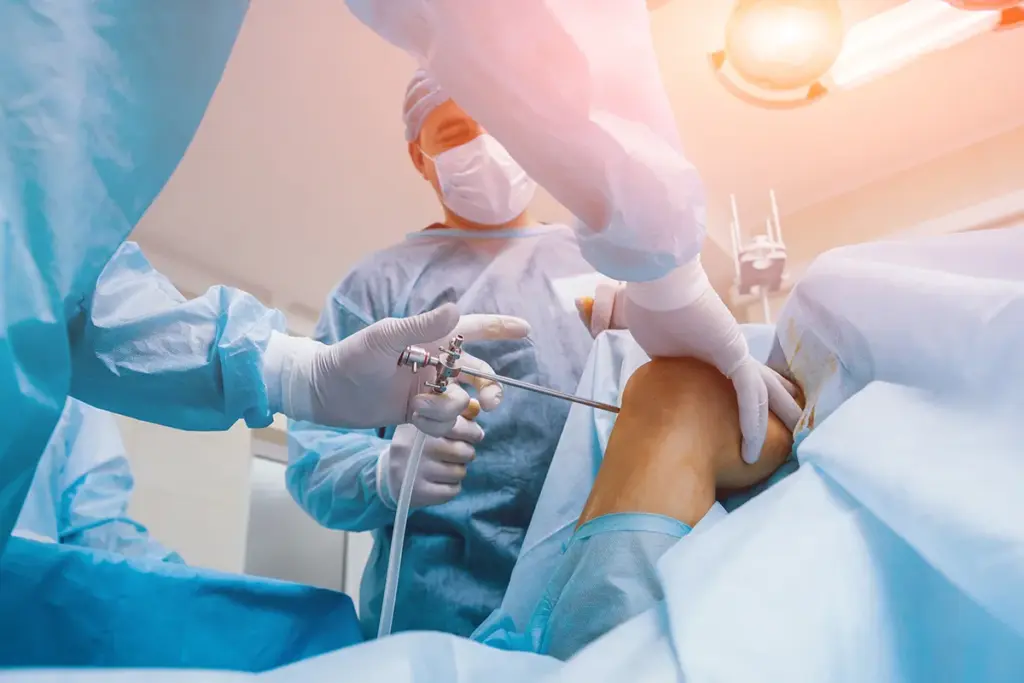
A torn ACL can really set you back, keeping athletes and active people from doing what they love. Knowing about the surgery options is key to making the right choice. At our place, we use different grafts and advanced techniques to meet each patient’s needs.
ACL injuries happen a lot, with about 70 cases per 100,000 people each year. If surgery is needed, there are graft options like autografts and allografts. Our team helps pick the best graft and surgery method for you. For more on ACL surgery, check out our health library resources.
Key Takeaways
- ACL tears are a big deal for the knee, affecting how you move and feel.
- There are many ways to fix an ACL, including different grafts.
- It’s important to know about the grafts and surgery methods to make a good choice.
- Our specialists work with you to find the best graft and surgery plan.
- Getting surgery quickly can stop more damage and help you heal better.
Understanding ACL Tears and When Surgery is Necessary

The anterior cruciate ligament (ACL) is key to knee function. Injuries to it can be very limiting. ACL tears happen to people of all activity levels, from athletes to those who are less active.
What is an ACL Tear and How Common is it?
An ACL tear happens when the ligament between the thigh and shin bones gets stretched or torn. It’s common, mainly among athletes who play sports that involve quick stops or changes in direction. ACL tears affect about 1 in 3,000 people each year, mostly young athletes.
Knowing the types of ACL tears helps decide the best treatment. ACL tears can be partial or complete. The complete type is usually more serious and often needs surgery.
Diagnosing a Torn ACL and Non-Surgical Options
Doctors use physical exams and imaging tests to diagnose ACL tears. They might do tests like the Lachman test to check knee stability. X-rays and MRI help confirm the injury by showing the ACL and other knee structures.
Not all ACL tears need surgery. Non-surgical treatments like physical therapy and bracing work for some. But, for active people or young athletes, surgery for torn ACL is often needed to keep the knee stable.
Choosing the right ACL reconstruction options is important. There are different ACL grafts to pick from, like autografts (from the patient) and allografts (from a donor). The type of graft chosen can greatly affect the surgery’s success.
ACL Reconstruction Options: Comparing Graft Types
Choosing the right graft for ACL reconstruction is key. The graft replaces the torn ACL, giving the knee stability. We’ll look at the different graft options, their strengths, and weaknesses. This will help patients decide on the best treatment for them.
Bone-Patellar Tendon-Bone (BPTB) Autografts
BPTB autografts are often seen as the top choice, mainly for young athletes. This graft uses a piece of the patellar tendon and bone from the patella and tibia. It heals well, but can cause pain in the front of the knee.
Hamstring Tendon Autografts
Hamstring tendon autografts are also popular for ACL repairs. They come from the semitendinosus and gracilis tendons. This option might cause less pain in the front of the knee than BPTB. But, it can weaken the hamstring muscle.
Quadriceps Tendon Autografts
Quadriceps tendon autografts are becoming more common. They use a part of the quadriceps tendon, which is strong. This option might have less pain after surgery than BPTB.
Allograft Options
Allografts use a graft from a donor. They don’t cause pain at the donor site. But, there’s a small chance of disease and a higher risk of the graft tearing again. A study in Orthopedic Reviews says allografts are good for some patients, like those who don’t play sports a lot.
Knowing about the different graft options for ACL reconstruction is important. By understanding the pros and cons of each, patients can pick the best graft for their needs and lifestyle.
Conclusion: Recovery and Long-Term Outcomes After ACL Surgery
After surgery on ACL knee, patients start a 6-9 month rehab program. Success depends on the surgery, graft choice, and rehab plan.
It’s key for patients to follow their rehab plan closely. This helps them get the best results from torn ACL operation. Knowing what to expect during recovery helps patients get back to their normal activities.
Most patients do well after surgery for ligament tear, getting back to their old activities. But, some might face complications or injuries again. This shows the importance of careful recovery after ACL surgery.
Choosing the right how to fix ACL tear treatment and sticking to rehab increases success chances. This way, patients can get back to their usual activities.
FAQ
What are the different types of ACL surgery?
ACL surgery comes in several forms. You can choose from autografts, which use your own tissue, or allografts, which come from a donor. Autografts include the Bone-Patellar Tendon-Bone (BPTB), hamstring tendon, and quadriceps tendon.
What is the difference between autograft and allograft for ACL reconstruction?
Autografts are from your own body, so there’s no risk of disease. Allografts, from a donor, might carry a small risk of disease but reduce donor site issues.
How do I choose the right graft type for my ACL surgery?
Choosing a graft type depends on your age, activity level, and what you prefer. It’s best to talk to your surgeon to find the right fit for you.
What is the recovery process like after ACL surgery?
After ACL surgery, you’ll follow a rehabilitation program. This helps your knee get strong and function well again. Sticking to your rehab plan is key to a good outcome.
Are there alternative treatments to ACL reconstruction surgery?
Yes, treatments like physical therapy and bracing are options for some. But, they might not work for everyone, like athletes or those who are very active.
How long does it take to recover from ACL surgery?
Recovery time varies based on the graft type and your health. It usually takes several months to a year or more to get back to your pre-injury level.
What are the risks associated with ACL surgery?
ACL surgery has risks like infection and graft failure. But, these can be lowered by choosing a skilled surgeon and following your rehab plan.
Can I return to sports after ACL surgery?
Yes, many people can get back to sports after ACL surgery. But, it’s important to follow a good rehab program and wait until your knee is fully healed.
References:
National Center for Biotechnology Information. Evidence-Based Medical Insight. Retrieved from https://pubmed.ncbi.nlm.nih.gov/40754602/