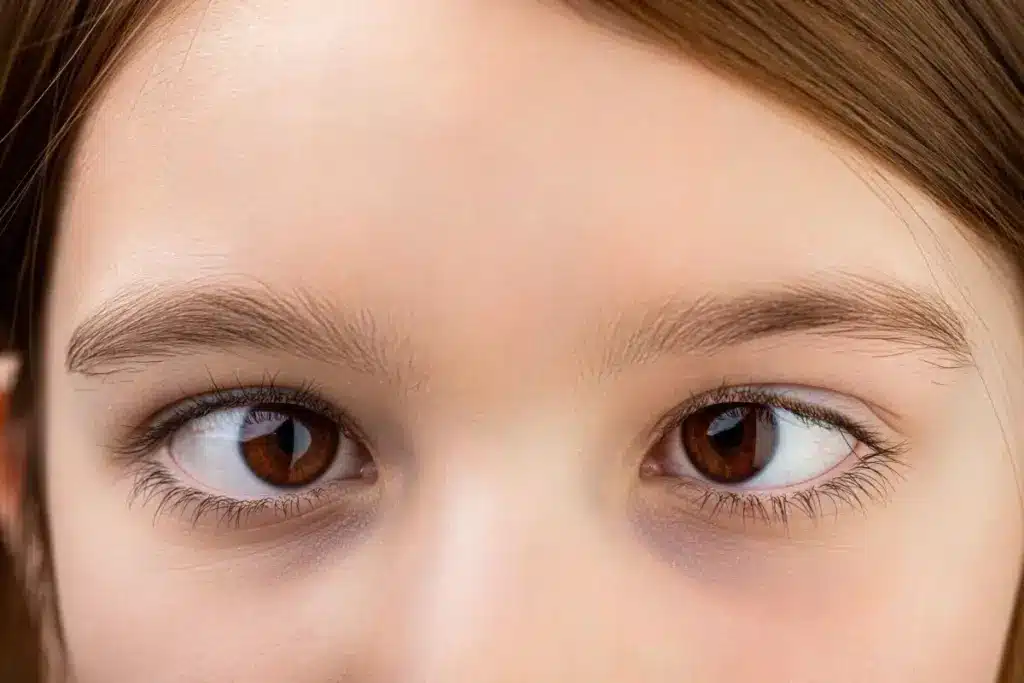
Is your child’s eye alignment off? Exotropia and esotropia are common eye problems. They can really affect someone’s life. As a parent, seeing your child’s eyes not line up is tough.
At Liv Hospital, we offer a detailed guide on treating exotropia and esotropia. We keep up with the latest treatments for misaligned eyes. Our focus is on you and your child, using top international standards to help.
Key Takeaways
- Understanding the differences between exotropia and esotropia is key for managing them well.
- Spotting these issues early can stop serious problems like amblyopia.
- There are many ways to treat exotropia and esotropia.
- Liv Hospital’s approach puts your needs first, providing full care.
- We follow international standards to ensure the best results for you.
Understanding Exotropia vs Esotropia: Definitions and Diagnosis
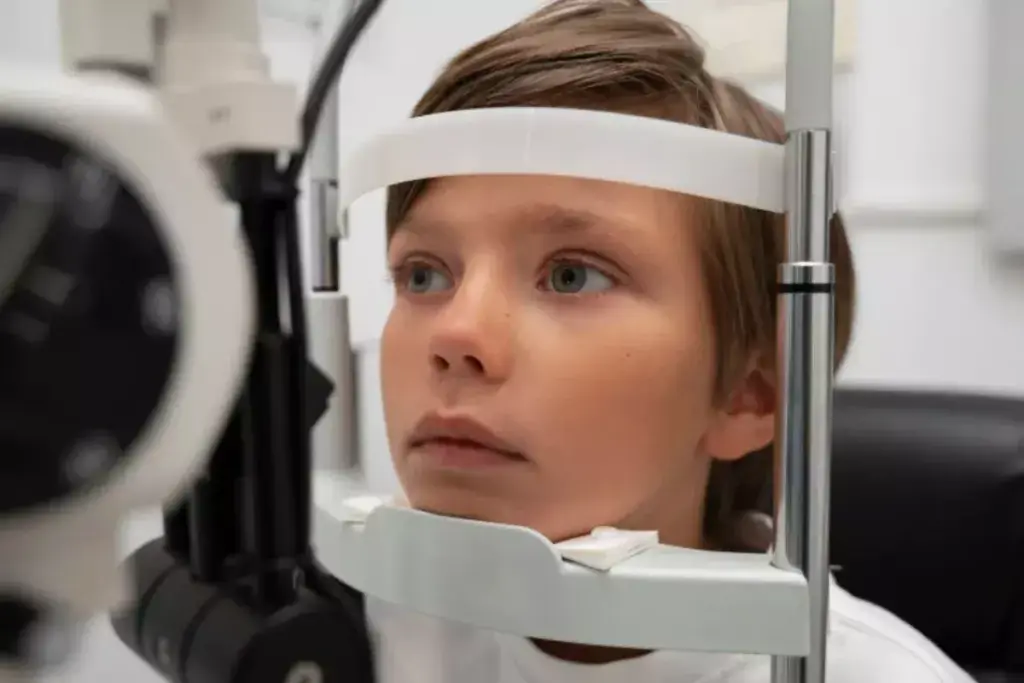
Exotropia and esotropia are types of strabismus, where the eyes don’t line up right. Knowing the difference is key to treating it well.
Strabismus can cause vision problems, like amblyopia, if not treated early.
What is Esotropia?
Esotropia is when one or both eyes turn in towards the nose. It can happen all the time or sometimes. It’s more common in kids.
Esotropia can cause amblyopia if not treated quickly. It can be caused by muscle imbalance, eye problems, or brain issues.
What is Exotropia?
Exotropia is when one or both eyes turn out, away from the nose. It can happen in kids and adults, and can be constant or not.
Exotropia can be caused by muscle imbalance, eye problems, or family history of strabismus. It might also be linked to other health issues or brain problems.
Prevalence and Demographics
Studies show esotropia affects about 0.77 percent of people. Its prevalence varies among different groups.
Exotropia has an annual incidence of 64.1 per 100,000 in people under 19.
| Condition | Prevalence/Incidence | Common Age Group |
| Esotropia | Affects 0.77% of the population | Children |
| Exotropia | 64.1 per 100,000 in patients | Both children and adults |
Early Detection and Diagnosis
Finding exotropia and esotropia early is vital for good treatment and avoiding vision problems later.
Regular eye checks are important, even more so for kids, to catch these issues early.
To diagnose, a thorough eye exam is needed. It checks eye alignment, vision, and eye health.
Treatment Options for Exotropia and Esotropia
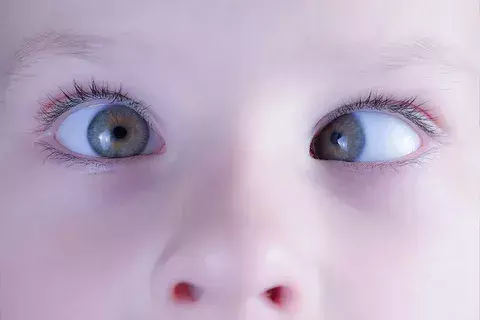
Exotropia and esotropia treatments vary. They include vision therapy, orthoptic exercises, and surgery. The right treatment depends on the strabismus type and the person’s health.
Non-Surgical Treatments
Non-surgical methods are often the first choice. These include:
- Vision therapy to improve eye coordination.
- Orthoptic exercises to enhance binocular vision.
- Prism lenses to align images seen by both eyes.
For kids, exotropia treatment might involve patching the stronger eye. This strengthens the weaker eye. It’s called occlusion therapy and can help a lot.
Surgical Interventions
When non-surgical methods don’t work, surgery might be needed. Surgical options include:
- Bilateral lateral rectus recession to improve alignment.
- Unilateral recess and resect to correct deviation.
Surgical success rates vary. They range from 37 to 78 percent. It’s important to talk to an experienced eye doctor to find the best surgery.
Condition-Specific Treatment Approaches
Treatment plans differ for exotropia and esotropia. For example, bilateral exotropia might need a special surgery. The treatment also depends on whether it’s in both eyes or just one.
Knowing the details of the condition is key. We work with patients to create a treatment plan that fits their needs. This ensures the best results.
Conclusion: Prognosis and Long-term Management
Managing exotropia and esotropia needs a detailed plan. This includes regular check-ups and monitoring. With the right treatment, people can see better together and have improved vision.
It’s important to know the difference between exotropia and esotropia. This helps find the best treatment. For those with both, a mix of treatments might be needed for the best results.
Long-term care is key to avoid problems like amblyopia or trouble seeing depth. Learning about treatments helps make smart choices for care.
For more info on esotropia and exotropia, check out our comprehensive guide. Regular eye exams, less screen time, and outdoor play are vital for eye health. They help prevent issues linked to these conditions.
FAQ
What is the difference between exotropia and esotropia?
Exotropia is when one eye turns outward. Esotropia is when one eye turns inward. Both can affect a person’s life a lot. Knowing the difference helps in getting the right treatment.
What causes exotropia and esotropia?
Many things can cause these conditions. This includes genetics, eye problems, and some medical issues. Finding out what causes it early is key to managing it well.
How is exotropia and esotropia diagnosed?
Doctors use eye exams to diagnose these conditions. They check how well you see and how your eyes line up. Sometimes, they need more tests to find the cause.
What are the treatment options for exotropia and esotropia?
There are many ways to treat these conditions. Non-surgical methods include vision therapy and special glasses. Surgery is also an option, depending on the case.
Can exotropia and esotropia be treated in children?
Yes, kids can be treated for these conditions. Early treatment is important for the best results. Treatment can include glasses, patches, and surgery.
How effective is strabismus surgery in treating exotropia and esotropia?
Surgery can greatly improve eye alignment. Success rates vary, but it often helps a lot. It depends on the surgery and the case.
Can adults with exotropia and esotropia benefit from treatment?
Yes, adults can also get treatment. Some have had it their whole lives, while others get it later. Treatment options include glasses, therapy, and surgery.
What is bilateral exotropia?
Bilateral exotropia is when both eyes turn outward. It can be caused by genetics and some medical conditions.
How can I fix exotropia without surgery?
Without surgery, you can try vision therapy, special glasses, and eye exercises. How well they work depends on the case and your health.
What is the relationship between exotropia and amblyopia?
Exotropia can lead to amblyopia, or lazy eye. Treating exotropia might also help with amblyopia.
References
National Center for Biotechnology Information. Evidence-Based Medical Insight. Retrieved from https://pubmed.ncbi.nlm.nih.gov/21328276/