Amblyopia, or lazy eye, is a vision problem that usually affects one eye. It makes that eye see less than the other. For a long time, it was thought that lazy eye couldn’t be fixed in adults. But, new research has found that adults can see better with different treatments, including surgery.
How to Fix Lazy Eye in Adults With Surgery Considering LASIK to address farsightedness? Our experts explain what you need to know about this vision correction procedure.
At Liv Hospital, we use the latest surgical techniques to treat adult amblyopia. Our team focuses on each patient’s needs. We aim to improve binocular vision and make life better for those who thought they’d never see well again.
Key Takeaways
- Recent studies have shown that brain plasticity continues into adulthood, allowing for vision improvements.
- Lazy eye surgery is a viable option for adults seeking to correct amblyopia.
- Combining surgery with complementary therapies can lead to significant vision enhancements.
- Liv Hospital offers advanced surgical techniques and patient-centered care for adult amblyopia treatment.
- Restoring binocular vision can significantly improve quality of life.
Understanding Lazy Eye (Amblyopia) in Adults
Lazy eye in adults is a complex issue. It’s not just for kids; it affects adults too, causing vision problems. We’ll look at what causes it and how new treatments based on brain plasticity offer hope.
Causes of Amblyopia
Adult lazy eye often stems from issues not fixed in childhood. Main causes include strabismus (eyes not aligned), big differences in eye prescriptions (anisometropia), and vision blockages (deprivation).
These problems can stop vision from developing normally. Knowing the causes helps find the right treatment.
| Cause | Description | Impact on Vision |
| Strabismus | Misalignment of the eyes | Can cause double vision and amblyopia |
| Refractive Anisometropia | Significant difference in prescription between the two eyes | Leads to amblyopia due to uneven visual input |
| Deprivation | Obstruction of vision (e.g., cataracts) | Prevents normal visual development |
Brain Plasticity and Treatment
Brain plasticity means the brain can change and adapt. Recent research shows the adult brain can also change, improving vision.
This knowledge has led to new treatments for adult amblyopia, like surgery and vision therapy. Adults can now see better thanks to brain plasticity.
Surgical Options to Fix Lazy Eye in Adults
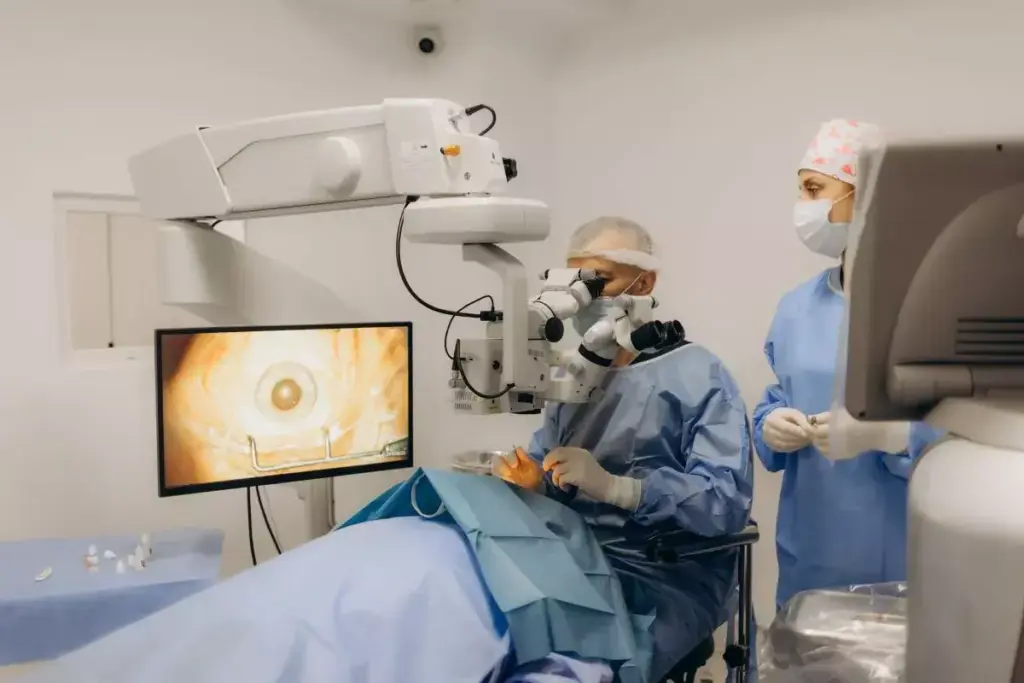
Adults with lazy eye can find relief through surgery. Eye muscle surgery is a common choice to fix eye alignment and improve vision. It’s a way to correct the misalignment caused by lazy eye or amblyopia.
Eye Muscle Surgery Explained
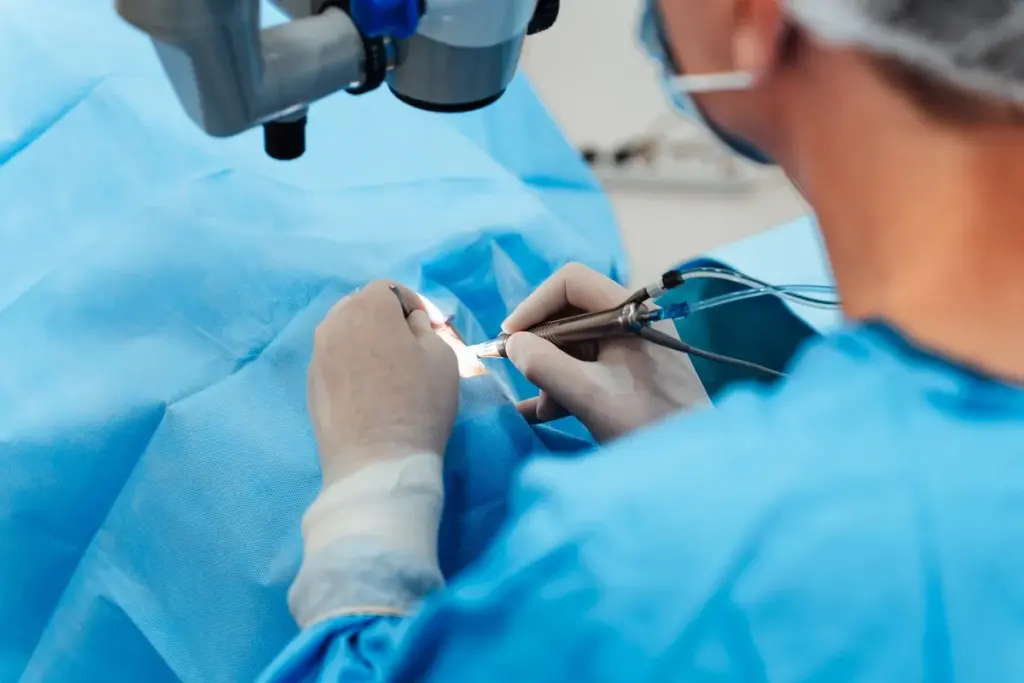
Eye muscle surgery, or strabismus surgery, fixes muscle imbalances. It aims to improve eye alignment and reduce symptoms like double vision and eye strain. The surgeon adjusts the muscles to align the eyes properly.
Choosing lazy eye surgery for adults requires a detailed eye check-up. An eye specialist will assess the eye misalignment and overall eye health.
Pre-Surgical Evaluation Process
A detailed pre-surgery check-up is key. It includes tests to check eye alignment, muscle function, and eye health. Advanced tools help us understand the extent of the lazy eye and any other issues.
We also talk about what the patient hopes to achieve and any worries they have. This step helps us create a treatment plan that fits the individual’s needs.
When Surgery Is Recommended vs. Alternative Treatments
Choosing between surgery to fix lazy eye in adults and other treatments depends on several factors. These include the condition’s severity, eye health, and personal preferences. For some, alternative treatments like vision therapy might be suggested. But for significant misalignment, surgery is often the best option.
We recommend corrective eye surgery for lazy eye when other treatments fail. Our team works with patients to find the best treatment. We make sure they understand the surgery’s benefits and risks.
The Surgical Process and Recovery Timeline
Correcting lazy eye through surgery is a journey with several steps. From the first check-up to recovery, knowing what to expect helps. It eases worries and prepares you for the results.
What to Expect During Eye Muscle Surgery
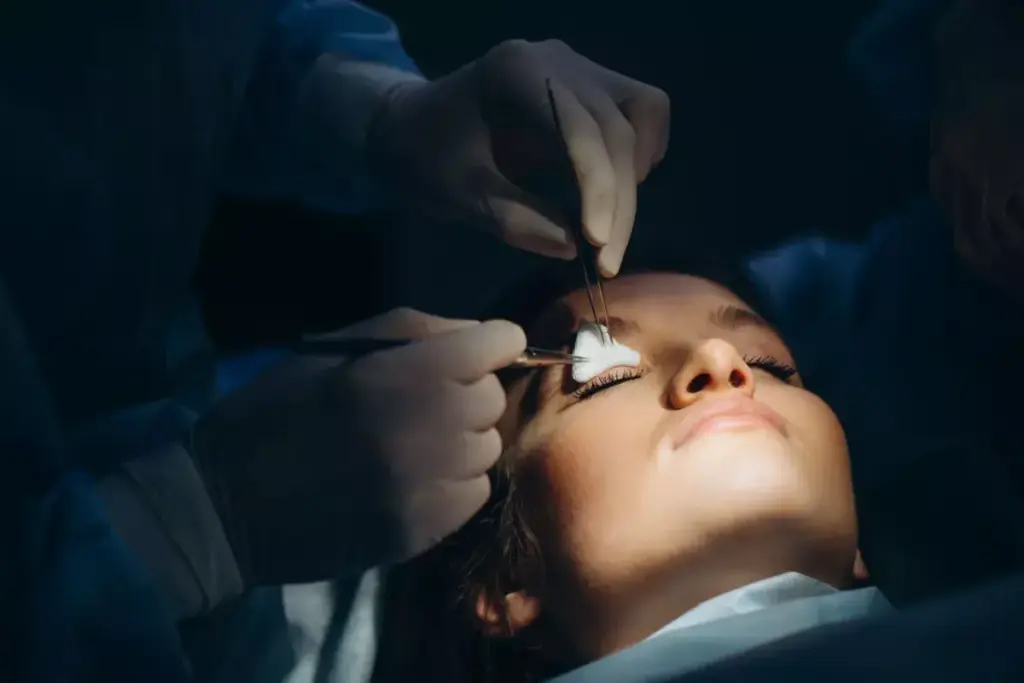
Eye muscle surgery, or strabismus surgery, is usually done on an outpatient basis. This means you can go home the same day. The goal is to fix the eye muscles to align the eyes better.
You’ll get anesthesia to stay comfortable during the surgery. Adults might get local anesthesia with sedation or general anesthesia. This depends on the surgery’s complexity and the doctor’s advice.
Post-Surgery Recovery and Care
After surgery, you might feel some discomfort, redness, and swelling. These symptoms are temporary and usually go away in a few days. Your doctor will give you specific care instructions to help with recovery.
Recovery includes:
- Resting your eyes and avoiding hard activities for a few days.
- Using eye drops as prescribed to help with healing and comfort.
- Going to follow-up appointments to check on your healing.
Most people can get back to normal in about a week. But, it’s best to avoid heavy lifting, bending, or rubbing your eyes during the first recovery period.
Success Rates and Realistic Expectations
The success of lazy eye surgery is seen in better eye alignment and sometimes vision. It’s important to have realistic hopes.
| Outcome | Success Rate | Factors Influencing Outcome |
| Improved Eye Alignment | 80-90% | Severity of lazy eye, age, overall eye health |
| Vision Improvement | Variable | Presence of amblyopia, age at surgery, pre-surgical vision therapy |
Success rates can change based on many factors. These include how bad the lazy eye is and other eye conditions. Your doctor will talk about your specific chances and what you might see from the surgery.
Conclusion: Enhancing Surgical Outcomes with Complementary Therapies
Using corrective surgery for amblyopia with vision therapy can greatly improve results. We’ve talked about different surgeries, like eye muscle surgery, and the need for a pre-surgery check-up. For those thinking about lazy eye amblyopia surgery, knowing the benefits and risks is key.
Combining lazy eye correction surgery with other treatments can lead to better vision. It’s important to talk to a healthcare expert to find the best treatment plan. This includes deciding if surgery for amblyopia is the best option.
A complete approach to treating amblyopia can result in better vision for those with lazy eye. We suggest looking into all options and talking to an eye care professional about any questions or concerns.
FAQ
What is lazy eye, and can it be treated in adults?
Lazy eye, or amblyopia, is when one eye sees poorly because of brain issues. New studies show adults can get better with treatments like surgery. This is thanks to our brain’s ability to change.
What causes lazy eye in adults?
Several things can cause lazy eye in adults. These include misaligned eyes, big differences in eye prescriptions, or other vision problems. Knowing the cause helps find the right treatment.
How does brain plasticity impact the treatment of lazy eye in adults?
Brain plasticity means our brains can change and adapt. New science shows adults’ brains can get better with treatments. This includes surgery to improve vision.
What is eye muscle surgery, and how does it help fix lazy eye?
Eye muscle surgery, or strabismus surgery, fixes eye muscles to align eyes better. It treats lazy eye by improving vision and reducing eye problems.
What is the pre-surgical evaluation process for lazy eye surgery?
Before surgery, doctors check eye health, vision, and alignment. This helps decide if surgery is right and what kind to do.
What are the benefits and possible outcomes of lazy eye surgery?
Surgery can align eyes better, improve vision, and lessen symptoms. Results vary, but many adults see big improvements in their vision and life.
What can I expect during the recovery period after lazy eye surgery?
After surgery, you might feel some discomfort, see redness, or have blurry vision. Recovery times differ, but most can get back to normal in a few weeks. Doctors give care tips for a smooth recovery.
Are there any possible complications associated with lazy eye surgery?
Like any surgery, there are risks like infection, too much or too little correction. But, these are rare. Choosing a skilled surgeon and following care tips can help avoid these issues.
Can combining surgery with complementary therapies enhance outcomes?
Yes, adding therapies like vision therapy with surgery can improve results. It can make vision and alignment better.
How do I determine the best treatment plan for my lazy eye?
Talking to a healthcare expert is key to finding the right treatment. They’ll look at your case and suggest the best plan. This might include surgery, other treatments, or both.
Is lazy eye surgery available for adults with significant vision differences between their eyes?
Yes, adults with big vision differences can get surgery. It depends on the cause and eye health.
Can lazy eye surgery fix a lazy eye caused by strabismus?
Yes, surgery can treat lazy eye from strabismus. It improves eye alignment and reduces symptoms.
What are the success rates for lazy eye surgery in adults?
Success rates vary based on how severe the condition is and eye health. Many adults see big improvements in vision and life quality.
Reference
National Center for Biotechnology Information. Evidence-Based Medical Insight. Retrieved from https://pubmed.ncbi.nlm.nih.gov/20622702/