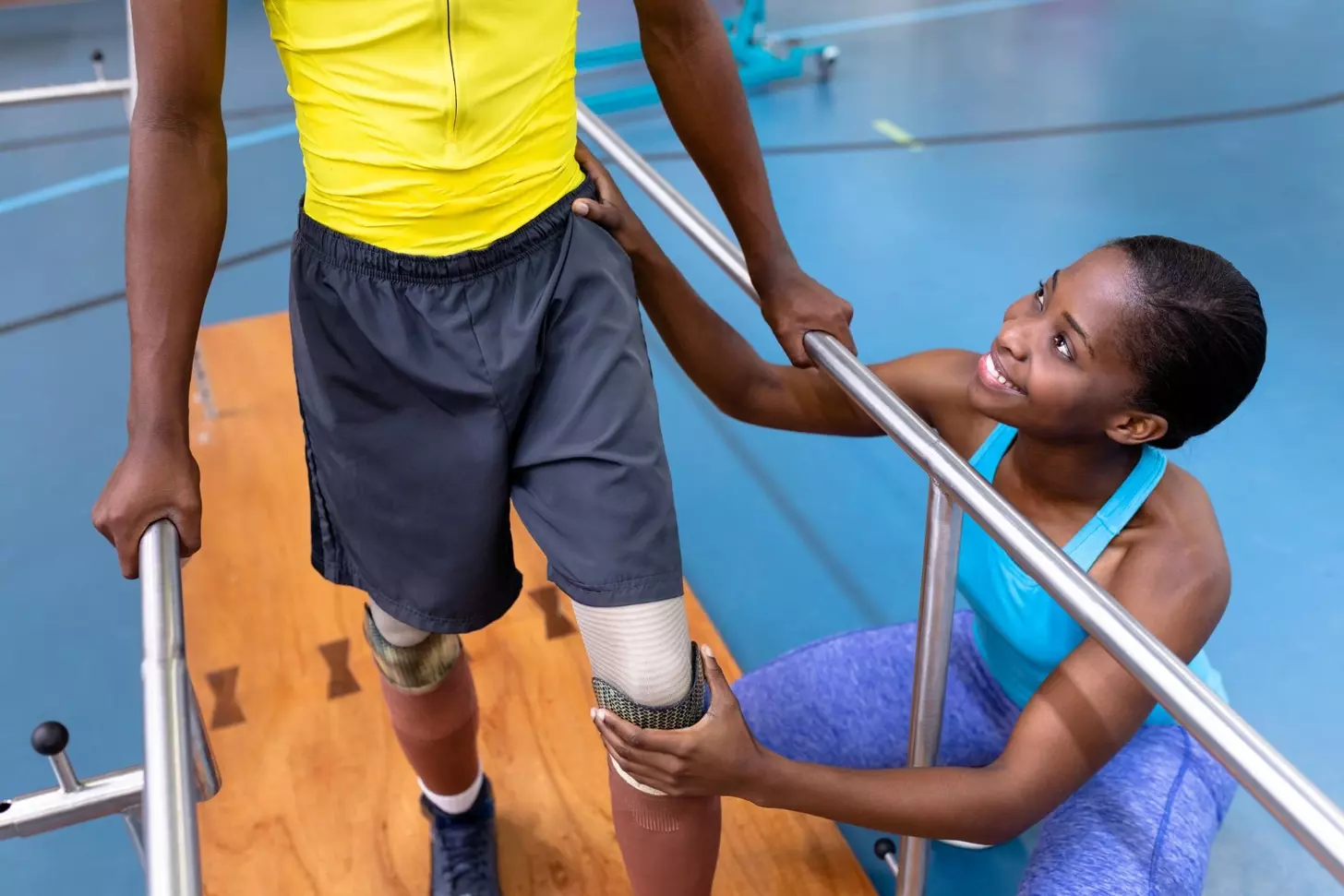
Recovering from ACL surgery needs more than just time. It requires a detailed, step-by-step physical therapy protocol based on the latest guidelines and expert advice.
At Liv Hospital, we help you move from surgery to sports with teams and rehab plans that focus on safety, strength, and confidence. Our care is centered on you, from getting ready for surgery to the end of rehab.
We stress the importance of moving early, retraining muscles, and a rehab plan that changes as you get better. This ensures a good recovery after surgery.
Key Takeaways
- Follow a structured ACL reconstruction physical therapy protocol for successful recovery.
- Early mobility and phased rehabilitation are key for the best results.
- Our patient-centered approach means care tailored just for you.
- Teams of experts guide your rehab journey.
- Our rehab plans are always updated for your safety and strength.
Understanding ACL Reconstruction and Recovery Expectations

Knowing about ACL reconstruction is key for patients to get through their recovery well. ACL reconstruction surgery helps people with active lives get their knee stable and working right again.
What Happens During ACL Reconstruction Surgery
In ACL reconstruction surgery, the damaged ACL is replaced with a graft. This graft comes from the patient’s own body or a donor. The surgeon makes small cuts around the knee to use tools and a camera.
Right after surgery, patients are told to bear weight on the knee as much as they can. This helps build strength and mobility.
The Importance of Following a Structured Rehabilitation Plan
A detailed rehab plan is vital for a good recovery after ACL surgery. It starts with gentle exercises to move the knee and quadriceps activation to build strength. Sticking to this plan is important for a full recovery and avoiding problems.
It’s also important to stop smoking a few weeks before surgery to help with healing. Eating a diet full of fiber and protein supports the healing process.
Setting Realistic Recovery Timelines
It’s important to set realistic recovery goals to manage expectations and keep patients on track. Recovery from ACL surgery takes time and effort. Knowing it can take months helps patients stay focused on their rehab.
We stress the need for a long-term commitment to rehab. Following the plan is essential for the best results.
Immediate Post-Operative Phase: Days 1-7

The first seven days after surgery are key for starting your recovery right. You’ll work on controlling pain and swelling. You’ll also start moving around and doing simple exercises.
Managing Pain and Swelling with RICE Method
The RICE method is vital for the first few days. It means Rest, Ice, Compression, and Elevation. Rest stops further injury. Ice cuts down on pain and swelling. Compression bandages or sleeves help with swelling. And Elevation of the knee above heart level reduces swelling.
Initial Weight-Bearing as Tolerated Guidelines
Right after surgery, you should start moving around as you can. Nurses and physical therapists help you with this. Most patients go home the next day. They’re told to move around on the operated leg as much as they can.
This helps you move better and lowers the chance of blood clots.
First Week Mobility Exercises
Moving your knee and strengthening muscles are important in the first week. You might start with straight leg raises, heel slides, and gentle knee bends. Do these exercises without pain and slowly increase them as you can.
Always follow what your healthcare team tells you to do these exercises right and safely.
Early Rehabilitation Phase: Weeks 1-4
Weeks 1-4 after ACL reconstruction focus on getting your knee to move fully again. We also work on bending your knee better. This is key for a strong start in your recovery journey.
Restoring Full Knee Extension
Getting your knee to fully extend is a main goal early on. We use exercises to stretch and strengthen your knee. Heel props and prone hangs are great for this.
To do a heel prop, put a towel or pillow under your heel with your leg straight. Hold for 10-15 minutes, do it several times a day. For prone hangs, lie on your stomach with your legs hanging off the bed. Let gravity stretch your knee.
Progressive Knee Flexion Exercises
It’s also important to improve knee bending. We start with gentle range-of-motion exercises and then move to more active ones. Here are some examples:
- Wall slides: Slowly slide your heel down a wall, bending your knee.
- Heel slides: Lie on your back and slide your heel toward your buttocks.
- Stationary bike: Start with short rides and increase time and resistance as you get stronger.
Quadriceps Activation Techniques
It’s vital to activate your quadriceps muscles for knee stability and strength. Here are some ways to do it:
- Straight leg raises: Lift your leg straight out in front of you, keeping it straight.
- Quad sets: Tighten your quadriceps muscles by pushing your knee down into a surface.
- Electrical stimulation: This can help with muscle activation during exercises.
Gait Training Without Assistive Devices
Gait training helps you walk normally without crutches. We focus on:
- Proper weight-bearing: Gradually increase weight on the operated leg.
- Stride length and cadence: Work on achieving a natural stride.
- Balance and stability: Practice standing on the operated leg.
By week 4, most patients can walk without help. They’ve made big strides in knee mobility and strength.
| Exercise | Week 1-2 | Week 3-4 |
|---|---|---|
| Heel Props | 3 sets, 10-15 minutes | 3 sets, 15-20 minutes |
| Wall Slides | 3 sets, 10 reps | 3 sets, 15 reps |
| Straight Leg Raises | 3 sets, 10 reps | 3 sets, 15 reps |
Intermediate Rehabilitation Phase: Weeks 4-8
The intermediate phase, from weeks 4 to 8 after ACL surgery, is key for getting stronger and moving better. Patients see big improvements in their knee and how they move around.
Progressive Lower Extremity Strengthening
Building muscle around the knee is important during this time. We use exercises to make the quadriceps, hamstrings, and lower body stronger. Some examples are:
- Straight leg raises with weights
- Quad sets and wall squats
- Hamstring curls and leg press exercises
Balance and Proprioception Training
Exercises for balance and proprioception help patients do daily tasks and sports better. We use:
- Single-leg stands on stable and unstable surfaces
- Balance boards and BOSU ball training
- Eye-closed balance exercises to enhance proprioception
Functional Movement Pattern Restoration
Getting back to normal movement is key for a good recovery. We focus on:
- Proper gait training without assistive devices
- Step-up and step-down exercises
- Agility drills, such as cone drills and shuttle runs
Criteria for Advancing to Next Phase
To move to the next phase, patients need to meet certain goals. These include:
| Criteria | Description | Target Value |
|---|---|---|
| Knee Flexion Range | Active knee flexion range of motion | >120 degrees |
| Quadriceps Strength | Quadriceps strength relative to the uninvolved leg | >60% |
| Single-Leg Hop Test | Distance hopped on the involved leg relative to the uninvolved leg | >70% |
Advanced Rehabilitation Phase: Months 3-4
Patients in the advanced ACL rehab phase, around months 3-4, face a tougher workout. They do more strengthening, plyometric, and cardio exercises. This stage is key for better knee stability, improved function, and getting ready for sports or daily activities.
Complex Strengthening Exercises
In this phase, we add complex strengthening exercises to test the knee and muscles more. These include:
- Multi-planar movements that mimic real-life and sports actions
- Progressive resistance exercises with bands and weights
- Exercises for the core and hips to boost lower body stability
Introduction to Controlled Plyometrics
We start adding plyometric exercises to boost power and explosiveness. We begin with low-impact drills and move to more dynamic ones. This ensures the knee can handle the stress.
Neuromuscular Control Drills
Neuromuscular control drills help the knee react better to different movements and stimuli. These drills include:
- Single-leg balance exercises on different surfaces
- Agility drills that challenge the knee in various directions
- Reaction training to enhance the knee’s neuromuscular response
Cardiovascular Conditioning
Cardio exercises are also vital in ACL rehab. We use cycling, swimming, or rowing machines. These exercises improve heart health without harming the knee too much.
By months 3-4, patients see big gains in strength, agility, and knee function. They’re getting closer to their pre-injury level of activity.
The Modern ACL Protocol: Evidence-Based Approaches
ACL reconstruction rehab has grown more advanced. It now focuses on tailored care and criterion-based progress. This ensures each patient gets a treatment plan that fits their unique needs.
Criterion-Based vs. Time-Based Progression
New guidelines push for criterion-based progression over time-based. This means moving through rehab based on reaching certain goals, not just a set time. A study in a sports medicine journal says this approach makes rehab more effective and personal.
“The use of criterion-based progression allows for a more personalized and effective rehabilitation program, as it accounts for individual variability in recovery.”
Patients are encouraged to check their patient packet. It has exercises and home prep tips. This helps them understand and join in their recovery plan.
Adapting Protocols Based on Graft Type
The type of graft used in ACL surgery changes the rehab plan. Each graft type has its own recovery time and needs. For example, a study showed different grafts have different recovery times.
| Graft Type | Recovery Timeline | Specific Requirements |
|---|---|---|
| Autograft | 6-9 months | Aggressive strengthening |
| Allograft | 9-12 months | Careful monitoring of graft integration |
Individual Factors Affecting Rehabilitation Timeline
Many things can change how long rehab takes. Age, health, and other injuries are big factors. For example, older patients or those with health issues might need a slower rehab pace.
We focus on personalized care. We adjust rehab plans to fit each patient’s needs. Factors like age, graft type, and other injuries play a big role in rehab.
- Age and overall health
- Type of graft used
- Presence of concomitant injuries
- Patient compliance with rehabilitation protocol
Latest Research on Optimal Recovery Strategies
New studies keep improving ACL rehab. They show early movement and strengthening are key to success.
By keeping up with new research, we give our patients the best care. Using evidence-based methods in our rehab programs is key to great results.
Return to Running ACL Protocol
ACL reconstruction patients can start running again in about 3–4 months after surgery. They must meet certain criteria first. It’s important to return to running slowly and carefully to avoid injury and ensure a good recovery.
Pre-Running Assessment Criteria
Before starting a running program, patients need to pass some tests. These tests check if they are ready to run again. They include:
- Hop tests to check leg strength and stability
- Strength assessments to make sure quadriceps and hamstring muscles are strong
- Functional movement pattern evaluation to find any biomechanical issues
We stress the importance of these tests. They help prevent rushing back to running too soon, which can cause injury.
Progressive Running Program Structure
A well-planned running program is key for a successful return. The program should have:
- Starting with treadmill running to control speed and incline
- Slowly increasing running distance and intensity
- Interval training to boost cardiovascular fitness
Monitoring Technique and Form
Good running technique is important to reduce the risk of injury. We suggest:
- Regular video analysis to check running form
- Getting feedback from a physical therapist or coach to fix any biomechanical issues
- Doing strengthening exercises to support proper running mechanics
Common Running Progression Mistakes
Patients often make mistakes when increasing their running. These include:
- Increasing running distance too quickly
- Not doing enough strength training
- Ignoring pain or discomfort
Early identification of these mistakes can help prevent setbacks and ensure a smooth return to running.
Sport-Specific Rehabilitation: Months 5-9
Patients move into the sport-specific rehabilitation phase after ACL reconstruction. This happens between months 5-9 post-op. The goal is to get the athlete ready for their sport’s demands.
Sport-Specific Movement Pattern Training
This phase focuses on training for specific sports. We create exercises that match the athlete’s sport. For example, soccer players work on quick changes of direction. Basketball players practice jump landing.
“The key to successful sport-specific rehabilitation is tailoring the training to the athlete’s specific needs and sport,” says a leading physical therapist. This makes sure athletes are ready for their sport’s challenges.
Agility and Cutting Progression
Agility and cutting drills are key in this phase. We use drills to improve quick changes in direction and speed. These drills get progressively harder to build strength and agility.
For sports that involve a lot of cutting, like soccer or tennis, we use specific drills. These drills help improve neuromuscular control and reaction time, lowering the risk of injury.
Contact Sport Preparation Techniques
For athletes returning to contact sports, we use special techniques. We work on absorbing contact, staying balanced, and reacting in game-like situations. This includes specific training protocols to mimic the sport’s conditions.
It’s important for patients to talk about their progress and any concerns with their healthcare provider. They should ask about activity limits, physical therapy, or wound care to smoothly transition back to their sport.
Functional Testing for Return to Sport
Functional testing is key in the rehab process. It checks if an athlete can safely go back to their sport. After ACL surgery, athletes must pass tough tests to show they’re ready.
Strength Testing Protocols
Strength tests are a big part of functional testing. They check the muscles around the knee, like the quadriceps and hamstrings. We use special devices to measure how strong these muscles are at different speeds.
| Test | Description | Criteria for Passing |
|---|---|---|
| Isokinetic Quadriceps Strength Test | Measures quadriceps strength at different angular velocities | ≥ 90% limb symmetry index |
| Hamstring Strength Test | Assesses hamstring strength in relation to quadriceps strength | Hamstring/quadriceps ratio ≥ 0.55 |
Single Leg Hop Tests
Single leg hop tests check how well an athlete performs and how stable their knee is. These tests include hopping on one leg for distance, hopping three times, and hopping diagonally.
- Single hop for distance: Measures the distance an athlete can hop on one leg.
- Triple hop for distance: Assesses the cumulative distance over three hops.
- Crossover hop for distance: Evaluates the ability to hop diagonally.
These tests are done on both legs. We then compare the results to find out if there are any weaknesses.
Agility and Performance Measures
Agility and performance tests are vital. They check if an athlete can do movements specific to their sport. Tests include shuttle runs, cone drills, and reaction time drills.
These tests show how fast, agile, and quick an athlete is. They help us know if they’re ready to go back to their sport.
Psychological Readiness Assessment Tools
Being mentally ready is just as important as being physically ready. We use different tools to check if an athlete is mentally prepared to return to their sport.
These tools include questionnaires and interviews. They look at things like confidence, fear of getting hurt again, and motivation.
By looking at both physical and mental health, we make sure an athlete is fully ready to return to their sport safely and effectively.
Home Exercise Program vs. In-Clinic Therapy
Recovering from ACL reconstruction needs a mix of home exercises and in-clinic therapy. It’s key to know how to use both for the best results.
Essential Home Exercises Throughout Recovery
Home exercises are vital in ACL rehab. They help patients keep up with their progress between therapy visits. Important exercises include:
- Straight leg raises to strengthen the quadriceps
- Heel slides to improve knee flexion
- Wall squats for strengthening the lower extremities
- Step-ups to enhance functional strength
Patients should make their home safe for exercises. This means clearing paths and removing throw rugs.
When In-Person Physical Therapy is Crucial
In-person therapy is also essential for several reasons:
- It offers professional guidance on technique and form.
- It uses specialized equipment for progressive resistance training.
- Manual therapy improves range of motion.
- It includes functional training for real-life movements.
Therapy in person lets for adjustments to the rehab plan. This is based on the patient’s progress and any challenges.
Monitoring Progress Between Sessions
It’s important to keep track of the patient’s recovery between therapy visits. This can be done through:
- Regular check-ins with the physical therapist
- Maintaining a rehabilitation journal to track exercises and progress
- Using mobile apps to log exercises and monitor pain levels
| Monitoring Method | Description | Benefits |
|---|---|---|
| Rehabilitation Journal | A log kept by the patient to track daily exercises and note any challenges | Helps identify patterns, track progress, and adjust the rehabilitation plan |
| Mobile Apps | Digital tools that allow patients to log exercises, monitor pain, and communicate with therapists | Enhances engagement, provides real-time feedback, and improves adherence to the rehabilitation plan |
Using Technology to Support Home Rehabilitation
Technology is key in supporting home rehab for ACL patients. It includes:
- Tele-rehabilitation platforms for remote supervision
- Virtual reality (VR) and augmented reality (AR) for immersive therapy experiences
- Mobile apps with guided exercise programs and progress tracking
These technologies help patients stay connected with their healthcare providers. They get real-time feedback and stay motivated during recovery.
Preventing Re-Injury: Long-Term Maintenance
After ACL reconstruction, keeping your knee healthy is key. You need to keep exercising and watch your movements. A good plan includes strengthening, stretching, and checking how you move.
Ongoing Exercise Requirements
Those with ACL reconstruction should keep up with exercises. This helps keep your knee strong and stable. You should do quadriceps strengthening exercises, hamstring curls, and single-leg squats regularly.
- Do strengthening exercises 2-3 times a week
- Try cardio like cycling or swimming
- Slowly make exercises harder and longer
Movement Pattern Monitoring
It’s important to watch how you move to avoid re-injury. A physical therapist can help or use special software to check your movements.
The ACL Reconstruction Guideline says seeing a doctor often is key. It helps track your progress and solve any problems.
Risk Reduction Strategies
There are ways to lower your chance of getting hurt again. Here are a few:
| Strategy | Description | Benefits |
|---|---|---|
| Proper Warm-Up and Cool-Down | Includes dynamic stretching and foam rolling | Reduces muscle stiffness and improves flexibility |
| Strengthening Core and Lower Extremity | Focuses on exercises like squats, lunges, and planks | Enhances knee stability and overall lower limb strength |
| Neuromuscular Training | Includes balance and agility drills | Improves proprioception and reaction time |
Regular Strength and Balance Assessments
Checking your strength and balance often is important. It helps make sure your knee is working right. You can use tests like single-leg hop tests and isokinetic strength assessments.
Sticking to a long-term plan can greatly lower your risk of getting hurt again. It helps keep your knee in top shape.
Conclusion: Keys to Successful ACL Rehabilitation
Successful ACL rehab needs a detailed and step-by-step plan. It’s vital for patients to stick to the rehab protocol for the best results. This way, they can get their knee back to full strength and function.
It’s important to check and follow any medication instructions before surgery. Also, share all current medications with your healthcare team. This step helps avoid complications and makes recovery smoother.
Our team suggests keeping up with exercises and regular check-ups to track progress. Adding acl recovery tips like strengthening and balance exercises can lower the chance of injury. Sticking to a solid acl rehab plan is essential for lasting success.
With the right guidance and dedication, patients can safely get back to their usual activities. We’re here to support patients every step of the way, giving them the tools and knowledge for the best recovery.
What is the typical recovery time for ACL reconstruction surgery?
ACL reconstruction surgery recovery time is usually 6-9 months. It can vary based on the graft type, injury extent, and rehab effectiveness.
What are the key components of an ACL reconstruction physical therapy protocol?
Key components include early mobility, phased rehab, and strengthening. Also, balance training, and restoring functional movements are important.
How do I manage pain and swelling after ACL reconstruction surgery?
Use the RICE method to manage pain and swelling. Rest, apply ice, compress, and elevate the knee to reduce swelling and pain.
What are the benefits of a criterion-based progression in ACL rehabilitation?
Criterion-based progression lets patients advance based on their progress, not a fixed timeline. It ensures they meet strength, range of motion, and functional ability before moving on.
How can I prevent re-injury after ACL reconstruction surgery?
Prevent re-injury with ongoing exercise, movement pattern monitoring, and risk reduction strategies. Regular strength and balance assessments are also key.
What is the difference between a home exercise program and in-clinic therapy for ACL rehabilitation?
Home programs are self-guided, while in-clinic therapy involves a physical therapist. Both are beneficial, and a mix of both is recommended for optimal recovery.
How do I know when I’m ready to return to running after ACL reconstruction surgery?
Check readiness with a pre-running assessment. This includes strength, range of motion, and functional movement tests. Start with a tailored running program.
What are the common mistakes to avoid during ACL rehabilitation?
Avoid progressing too quickly and neglecting strength and flexibility. Also, don’t forget to include functional movement patterns in your rehab.
How can I ensure a successful return to sport after ACL reconstruction surgery?
For a successful return, follow a detailed rehab program. Include sport-specific training, agility, and functional testing. Assess your mental readiness and use functional tests to confirm your readiness.
References
- Professeur Cavaignac. ACL Rehab Protocol. https://www.professeur-cavaignac.com/anterior-cruciate-ligament/acl-rehab-protocol/



 Departments
 Related Videos
 Our Doctors
 News
News